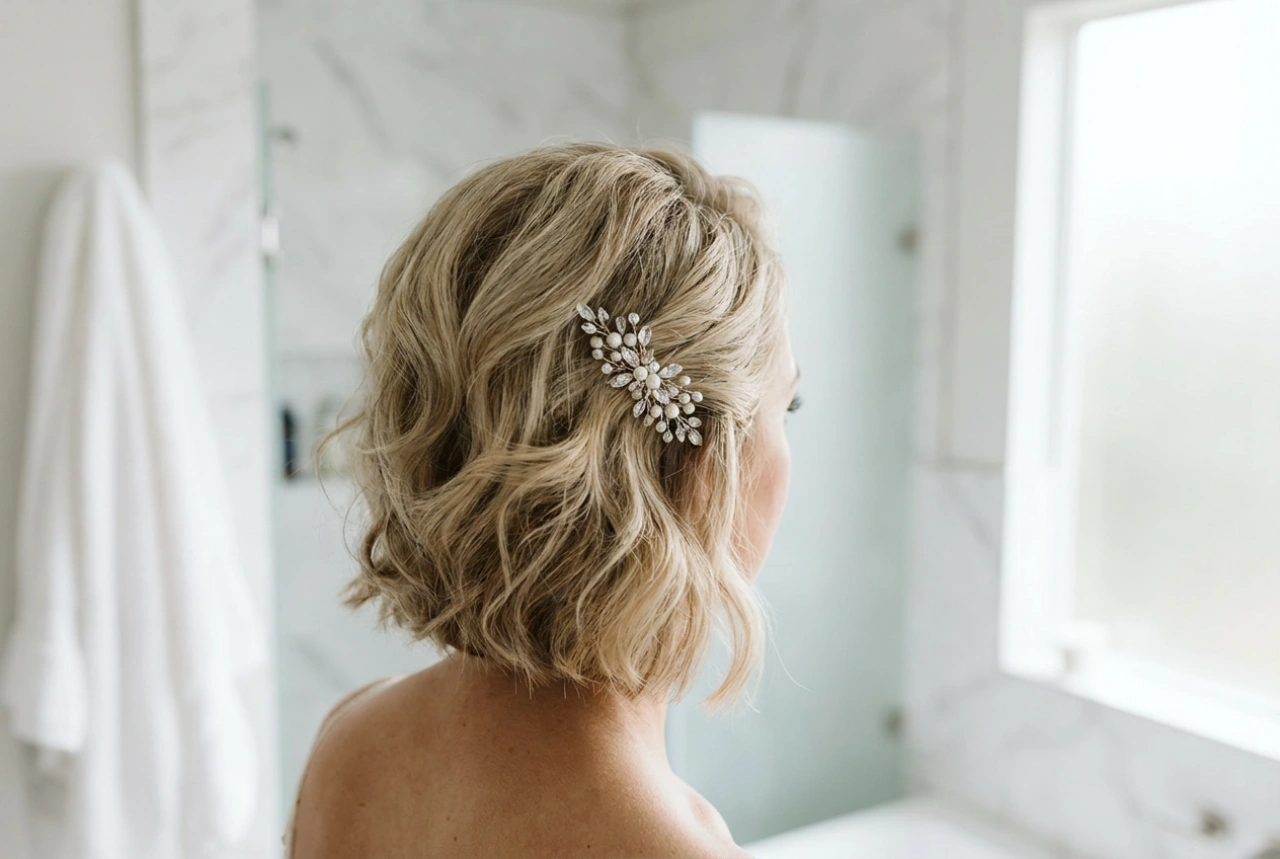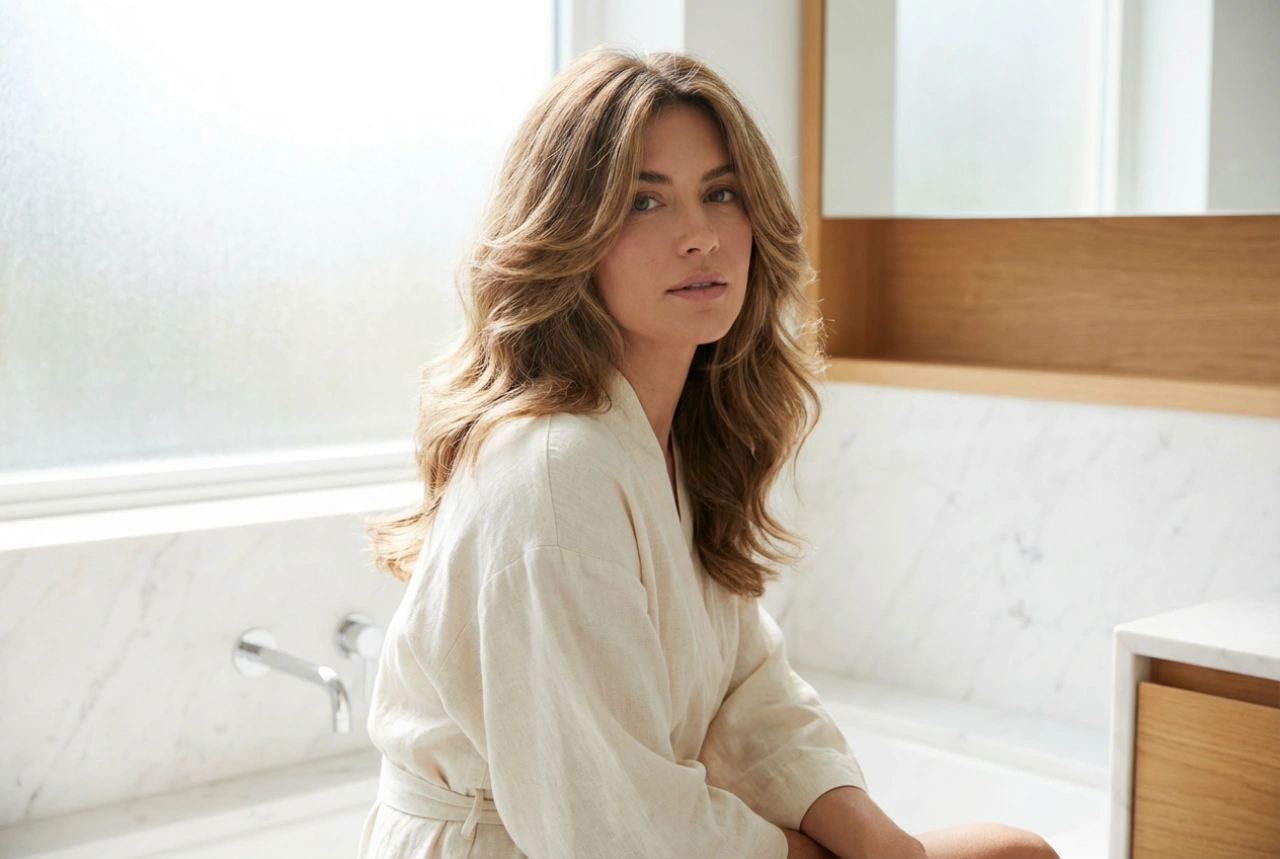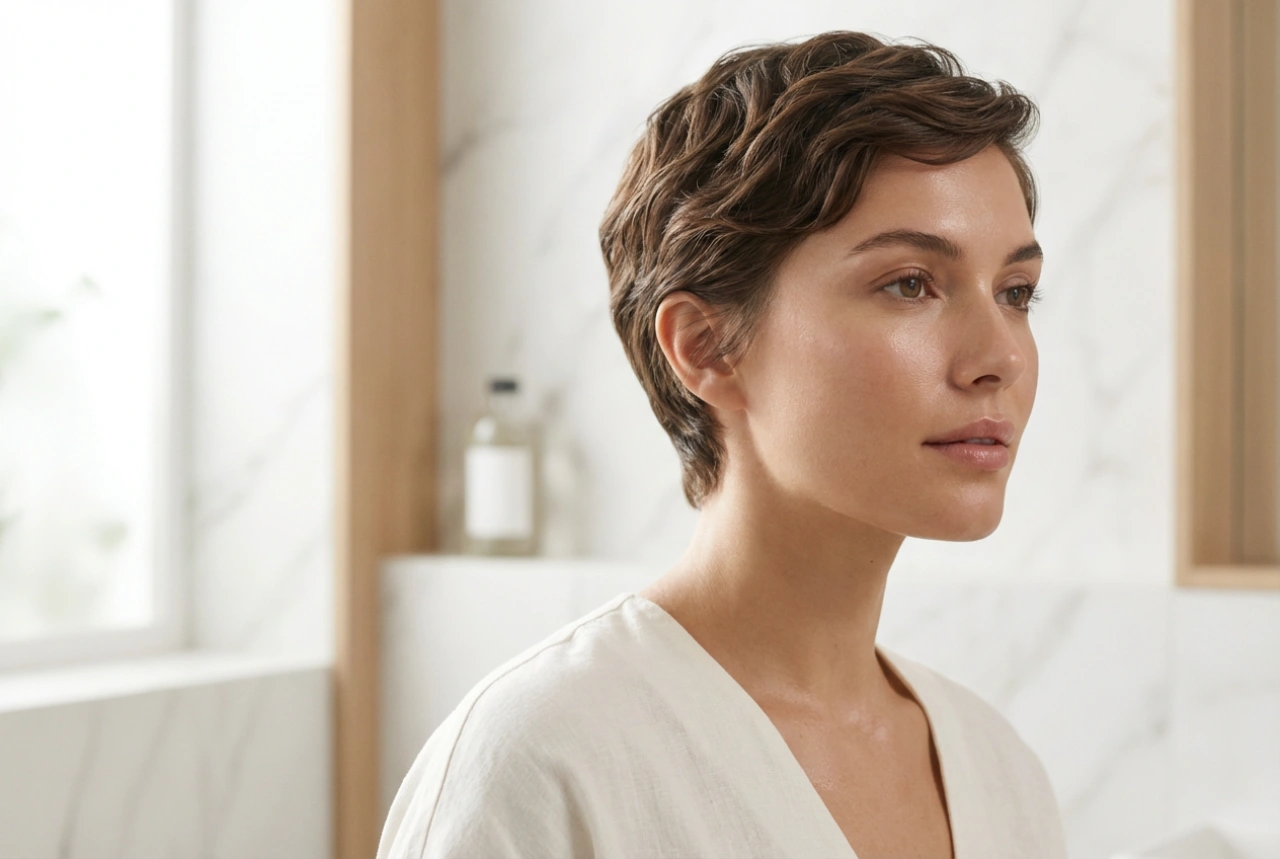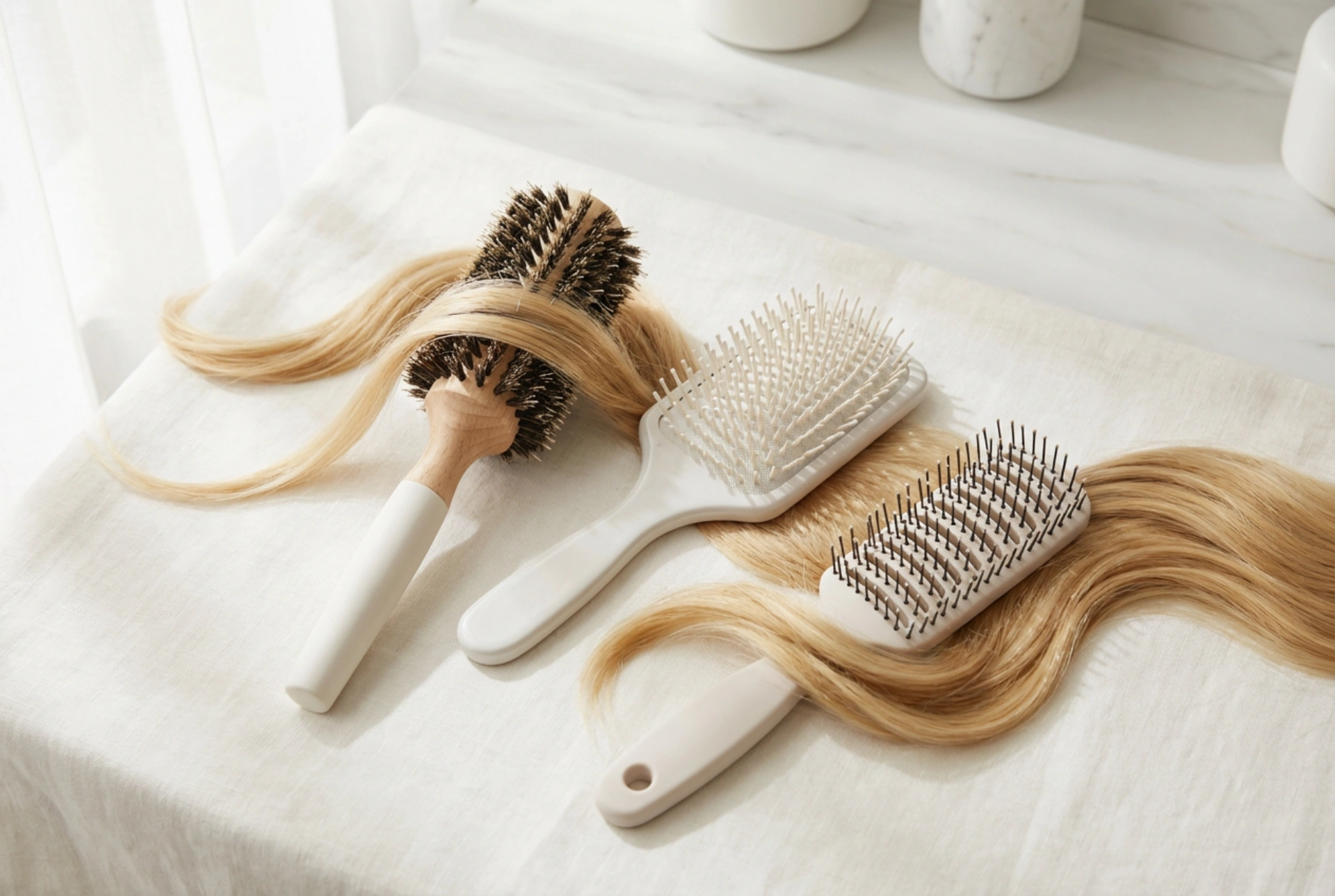


A beautifully arranged selection of styling tools, including round, paddle, and vent brushes, lying on a clean surface alongside lustrous, well-groomed strands, highlights the importance of choosing the right hairbrush. Achieving a salon-like finish at home is not just about the styling products you apply, but largely about the tools you use. The market offers a vast array of brushes, each designed for specific hair types, lengths, and desired outcomes. Understanding how these tools function and mastering basic modelling techniques can transform your daily hair care routine into an effortless styling experience.
Understanding Hairbrush Types
Each hairbrush serves a unique purpose in the styling process. Using the wrong brush can lead to unnecessary tension, frizz, or even breakage. By categorising the main types of styling brushes, you can easily determine which one suits your daily needs.
The Round Brush for Volume and Waves
The round brush is the ultimate tool for creating volume, movement, and soft waves. Available in various diameters, the general rule is: the longer the hair, the larger the brush diameter should be. Small round brushes are excellent for short hair or styling fringes, while medium and large round brushes are ideal for creating bouncy, voluminous blowouts on medium to long hair. Some round brushes feature ceramic or metal barrels that retain heat from the hairdryer, acting similarly to a curling wand to lock in the shape.
The Paddle Brush for Smoothness and Detangling
Characterised by its broad, flat, and typically rectangular base, the paddle brush is designed for smoothing and detangling. It is highly effective for long, straight, or medium-length hair. The wide surface area allows you to brush through large sections of hair quickly, reducing styling time. When used during blow-drying, a paddle brush helps to flatten the cuticle, resulting in a sleek, straight finish without losing the hair's natural body.
The Vent Brush for Quick Drying
The vent brush features openings or vents in the back of the brush head, which allow the hot air from your hairdryer to pass directly through the brush to the hair. This design significantly accelerates the drying process while minimising heat exposure. Vent brushes are ideal for short to medium-length hair and are perfect for adding root lift and light texture during the initial stages of blow-drying.
Essential Hair Modelling Techniques
To get the most out of your styling tools, employing the correct techniques is essential. Here are some of the most effective methods for daily hair modelling:
- The Volumising Blowout: Start by rough-drying your hair with a vent brush until it is about eighty per cent dry. Section your hair, starting from the bottom layers. Place a round brush at the roots, direct the nozzle of your hairdryer downwards along the hair shaft, and pull the brush slowly to the ends while rotating it slightly. This technique seals the cuticle and creates a glossy finish.
- Sleek and Straight: For a naturally straight look without using a flat iron, use a paddle brush. Gently tension the hair with the brush, following it closely with the hairdryer nozzle pointed downwards. This keeps the hair flat and smooths out any natural waves.
- Root Lift: To add instant volume to flat hair, use a vent brush at the crown. Place the brush at the roots, lift the hair upwards and slightly backwards against its natural growth pattern, and apply brief heat from the hairdryer. Let it cool for a few seconds before removing the brush.
How to Choose the Right Bristles
The type of bristles on your styling brush plays a crucial role in how the tool interacts with your hair and scalp. Bristles generally fall into three categories:
Natural Bristles
Often made from boar hair, natural bristles are exceptionally gentle on the hair and scalp. They are highly effective at distributing the scalp's natural oils along the hair shaft, which naturally conditions the hair and enhances its shine. Natural bristle brushes are ideal for fine, thin, or delicate hair types.
Synthetic Bristles
Typically made from nylon or plastic, synthetic bristles are sturdy and flexible. They are excellent for detangling thick, coarse, or curly hair without snagging. Many synthetic brushes feature ball-tipped bristles that gently massage the scalp and stimulate circulation.
Mixed Bristles
Combining the benefits of both natural and synthetic fibres, mixed bristle brushes offer the detangling power of nylon alongside the shine-enhancing properties of natural bristles. This hybrid option is suitable for most hair types and is highly favoured for daily styling.
Tips for Maintaining Your Styling Brushes
To ensure your brushes perform effectively and remain hygienic, regular maintenance is necessary. Hair, dust, and product residue can accumulate on the bristles over time. Start by removing clean hair from the brush after every few uses using a comb or a dedicated cleaning tool. Once a month, wash your brushes gently with warm water and a small amount of mild shampoo. Rinse them thoroughly and let them dry face down on a clean towel to prevent water from damaging the cushion or handle.