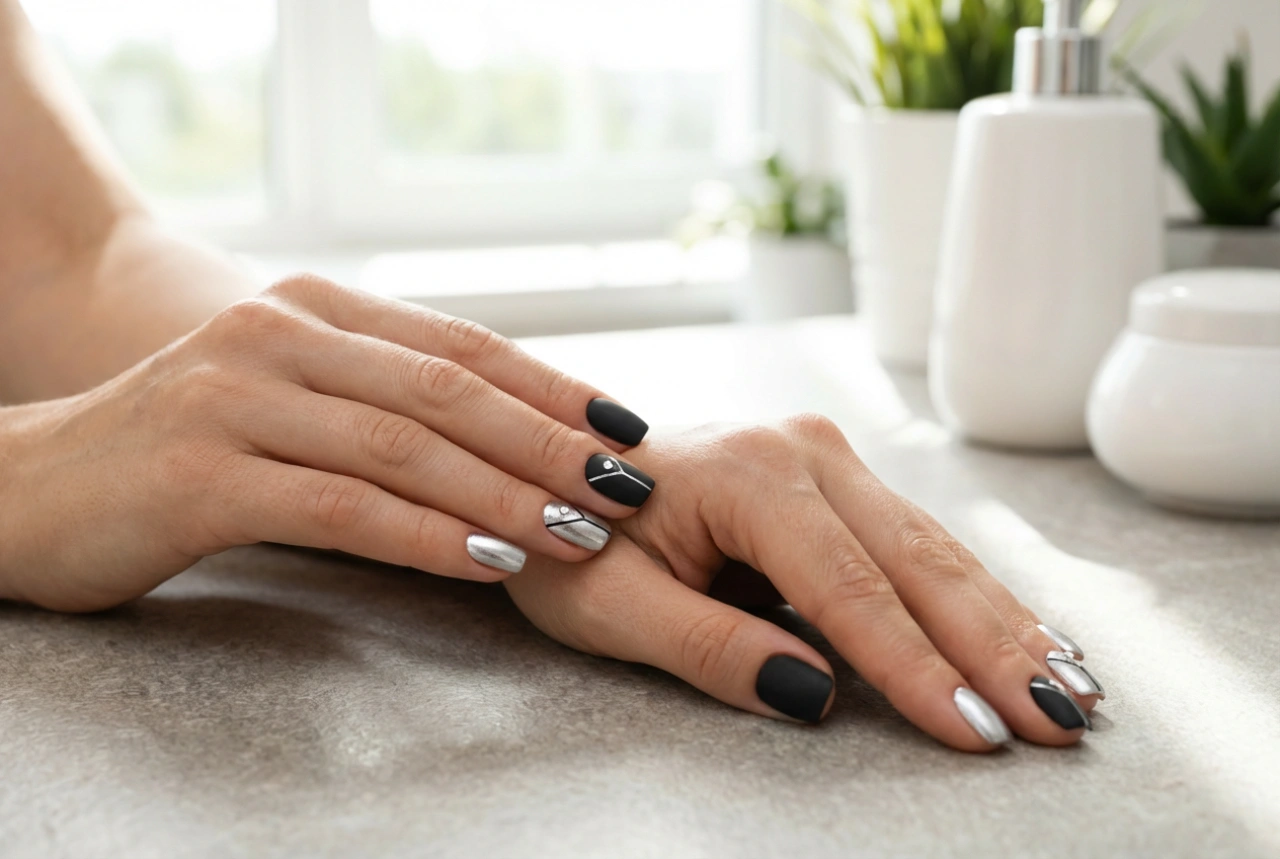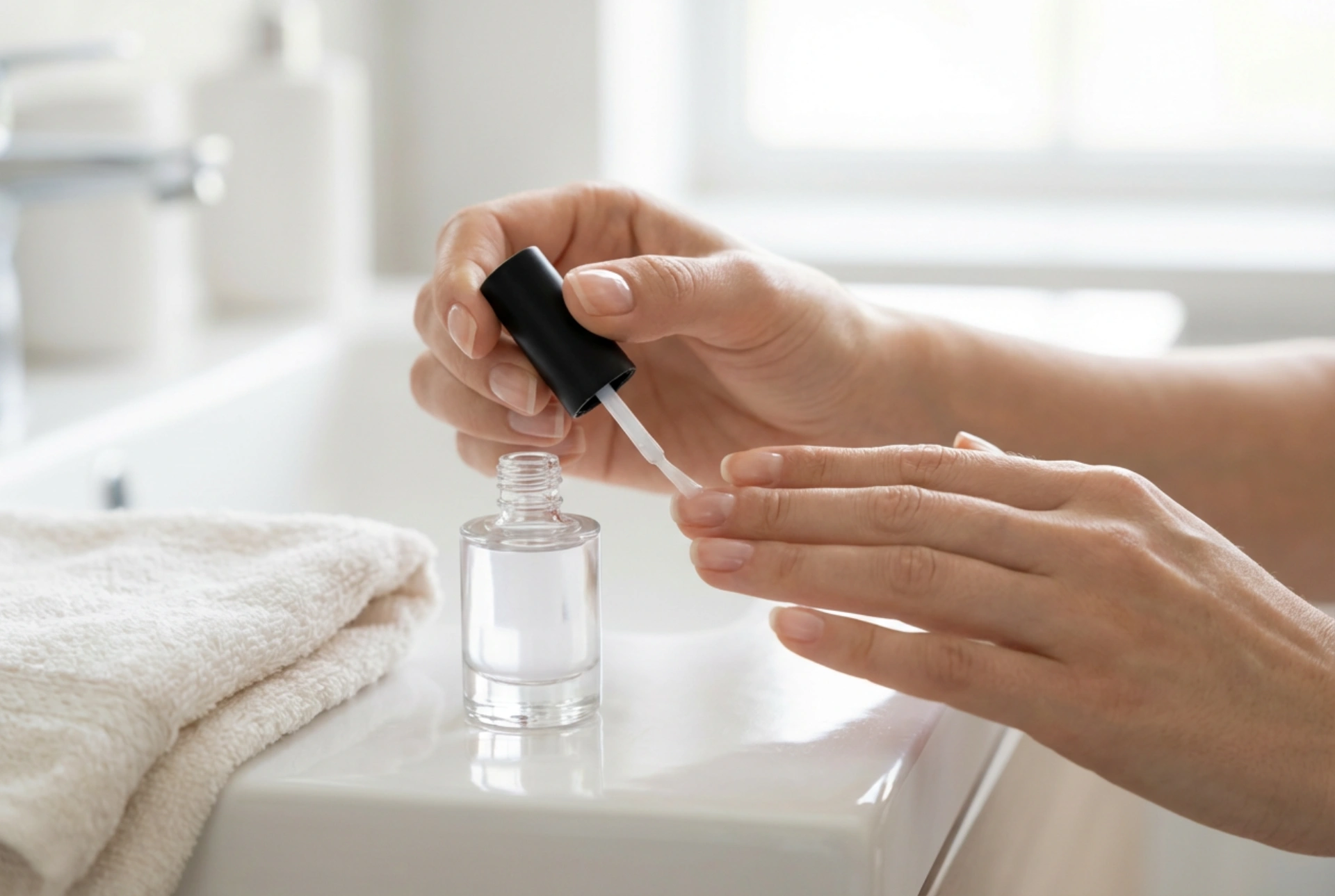


Beautifully maintained hands and neat, natural nails are a reflection of consistent and gentle care. When nails begin to split or peel at the tips, it often signals a disruption in their moisture balance or physical wear and tear. Fortunately, achieving strong, resilient nails does not require visits to specialized salons or expensive clinical procedures. With a dedicated at-home routine and the right daily habits, you can restore their natural strength and beauty. Taking a moment in soft, natural light to apply a nourishing, clear protective coat can be a peaceful ritual that forms the foundation of your hand care. Let us explore how simple adjustments to your hand care regimen can yield visible results and prevent future splitting.
Why Nails Split: Common Environmental Triggers
Before addressing how to strengthen the nail plate, it is essential to understand why splitting occurs. The nail is composed of layers of a protective protein called keratin. When these layers lose their natural moisture and oils, the bonds between them weaken, causing them to separate and peel. The most common culprit is frequent exposure to water. When nails are repeatedly soaked and then dried, they expand and contract, which destabilises their structure. Additionally, daily household activities involving cleaning agents can strip away the natural lipids that keep the nail plate flexible. Physical trauma, such as using your nails as tools to open packages, also contributes to micro-damage that eventually leads to peeling tips. Protecting your hands from these daily stressors is the very first step in stopping the cycle of damage.
The Power of Targeted Moisture and Conditioning
The cornerstone of any at-home nail strengthening routine is consistent hydration. Just as you would moisturise your face or hands, your nails require dedicated conditioning to maintain their flexibility. Dry nails are brittle and prone to snapping, while well-hydrated nails can bend slightly under pressure without breaking. Applying oils directly to the nail matrix—the area under the cuticle where new nail growth begins—helps to nourish the nail from its very foundation.
Choosing Natural Oils for Daily Care
Natural plant oils are highly effective for conditioning the nail plate and surrounding cuticles. Some of the most beneficial options include:
- Jojoba oil: Known for its small molecular structure, it can easily penetrate the nail plate to deliver deep hydration and lock in moisture.
- Sweet almond oil: Rich in essential fatty acids and antioxidants, it helps soothe the cuticles and smooths the surface of the nail.
- Olive oil: A simple, highly accessible pantry staple that provides excellent moisture and softens dry, hardened skin around the nail.
- Coconut oil: Excellent for sealing in moisture after washing your hands, offering a natural protective layer.
For the best results, massage a small drop of oil into each nail and cuticle bed every evening before sleep. This allows the treatment to absorb fully overnight, creating a resilient barrier against daytime dryness and supporting healthy development.
Correct Filing to Prevent Peeling and Snagging
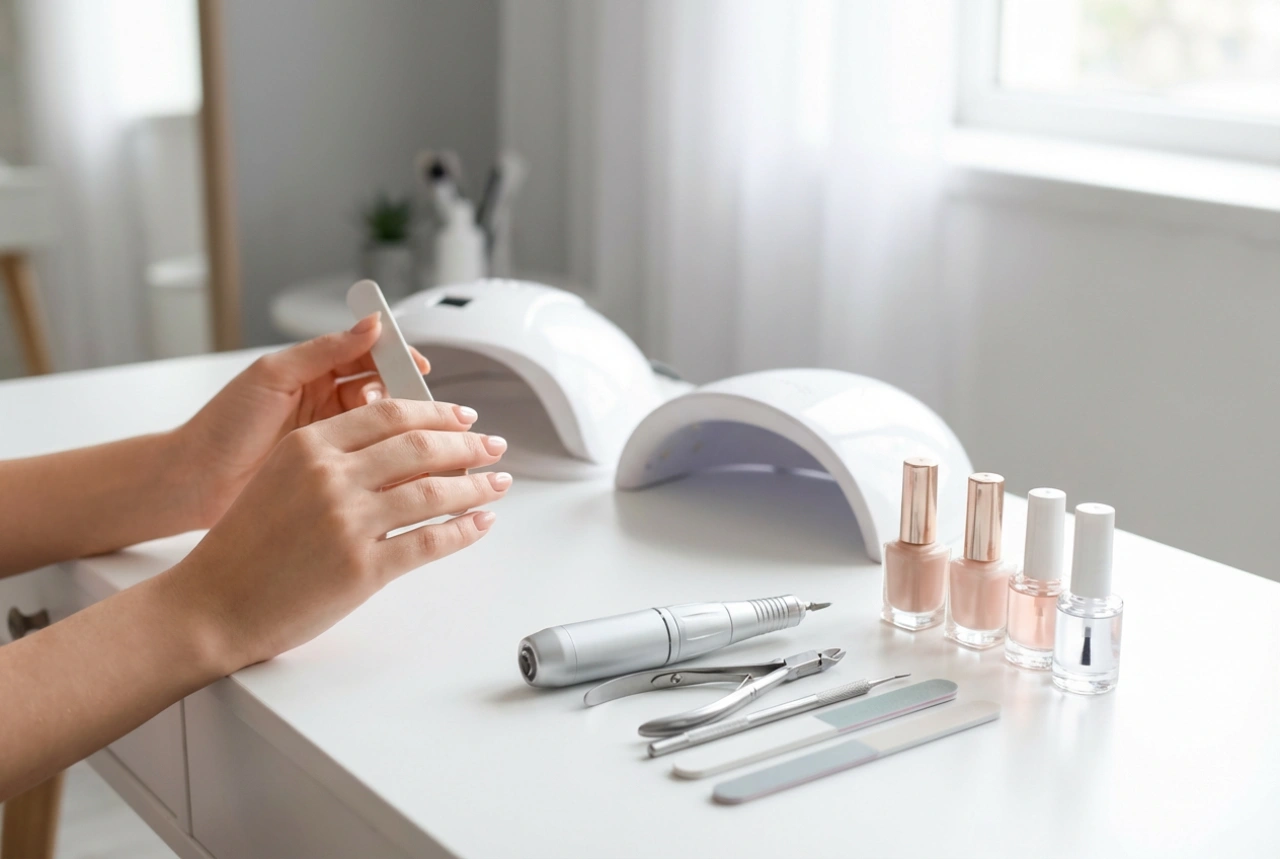
How you shape your nails plays a crucial role in preventing splitting. Incorrect filing techniques can create microscopic tears at the edge of the nail, which quickly turn into deep, painful splits. To protect your nails, avoid metal files, as their harsh, abrasive surfaces can shred the keratin layers. Instead, opt for a high-quality glass file or a fine-grit emery board. Always file in one direction—from the outer corner towards the centre. Filing in a back-and-forth sawing motion destabilises the free edge and encourages peeling. Keep the edges slightly rounded, as sharp square corners are more likely to catch on fabrics and tear, leading to further splitting down the sides of the nail.
Protective Barriers and Gentle Product Selection
Another vital step is shielding your hands during everyday tasks. Whenever you wash dishes, clean the house, or work in the garden, always wear protective gloves. This simple habit keeps your hands dry and prevents harsh soaps from stripping the nail surface of its protective lipid layer. Furthermore, the ingredients you apply directly to your nails matter immensely.
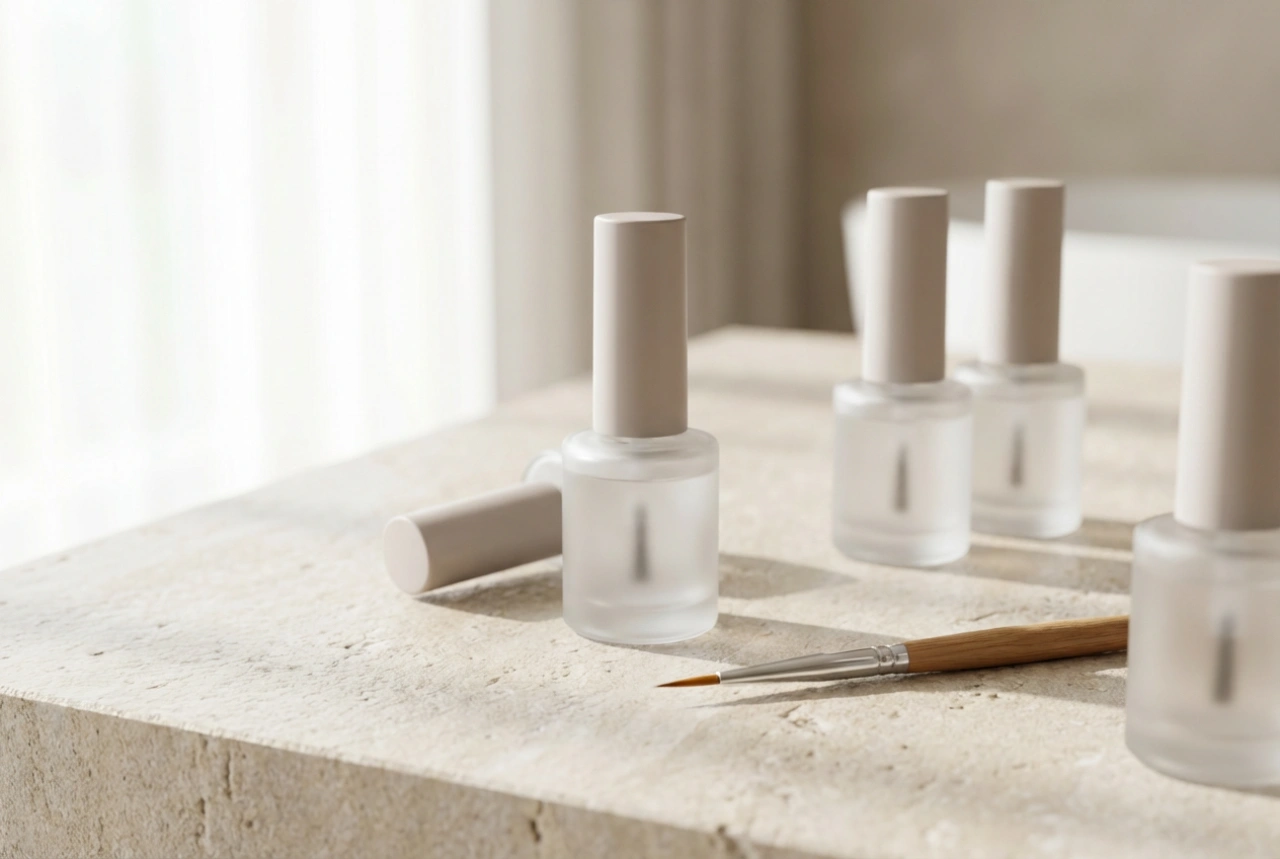
When it comes to cosmetic products, look for gentle formulations. Avoid nail polish removers containing acetone, which is extremely drying to both the nail plate and the surrounding skin. Instead, select acetone-free removers enriched with moisturising ingredients. Applying a clear, unbranded strengthening base coat can also provide physical support, holding the keratin layers together and protecting them from everyday wear. Ensure you allow the product to dry completely in a calm, well-lit environment to achieve an even, protective seal that shields the tips from impact.
Long-Term Maintenance for Natural Resilience
Consistency is key to seeing a lasting difference. It takes several months for a nail to grow out completely, so patience is required. During the recovery phase, keep your nails at a manageable, shorter length to minimise physical stress on the tips. Avoid picking or peeling away loose layers, as this peels off healthy nail cells and thins the plate further. By combining gentle filing, daily oiling, and protective habits, you will gradually build a strong foundation for healthy, beautiful nails that resist splitting naturally.