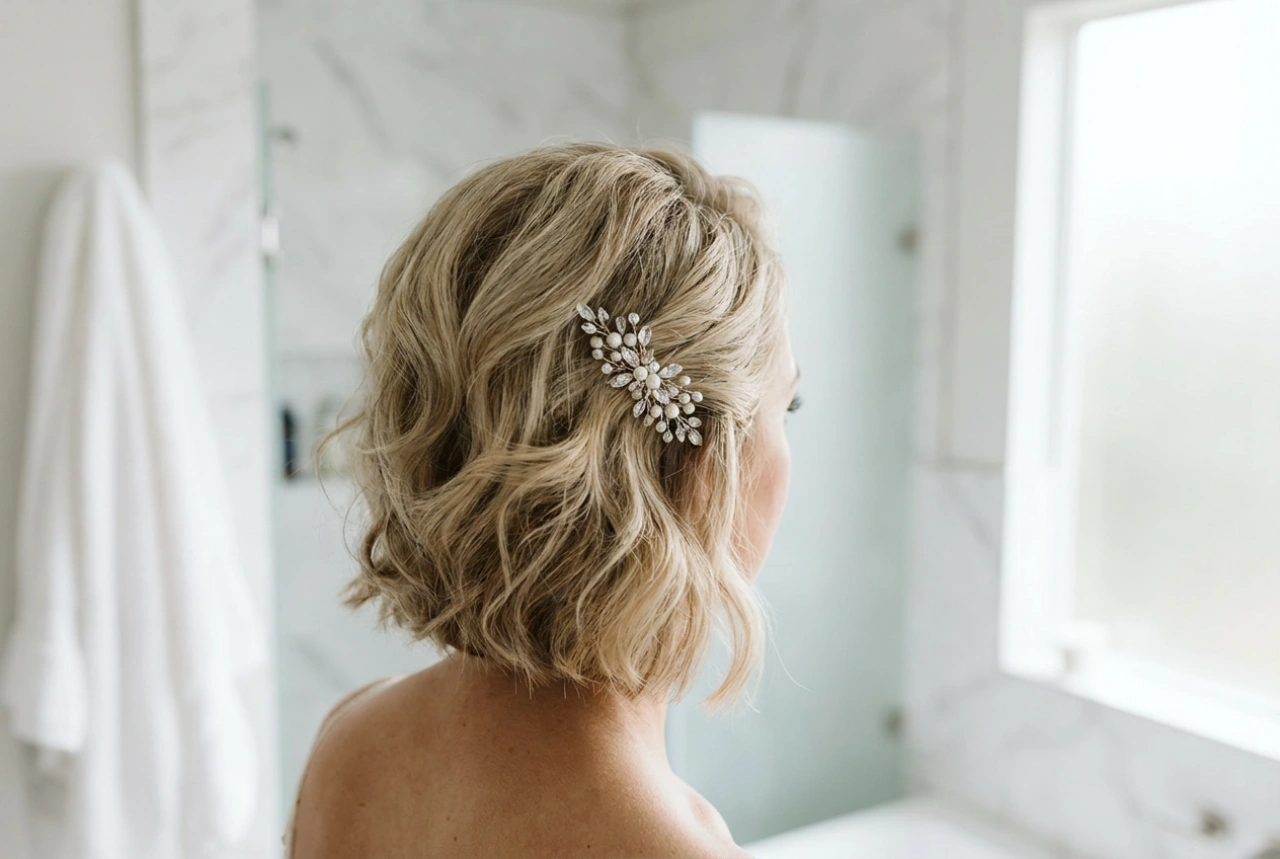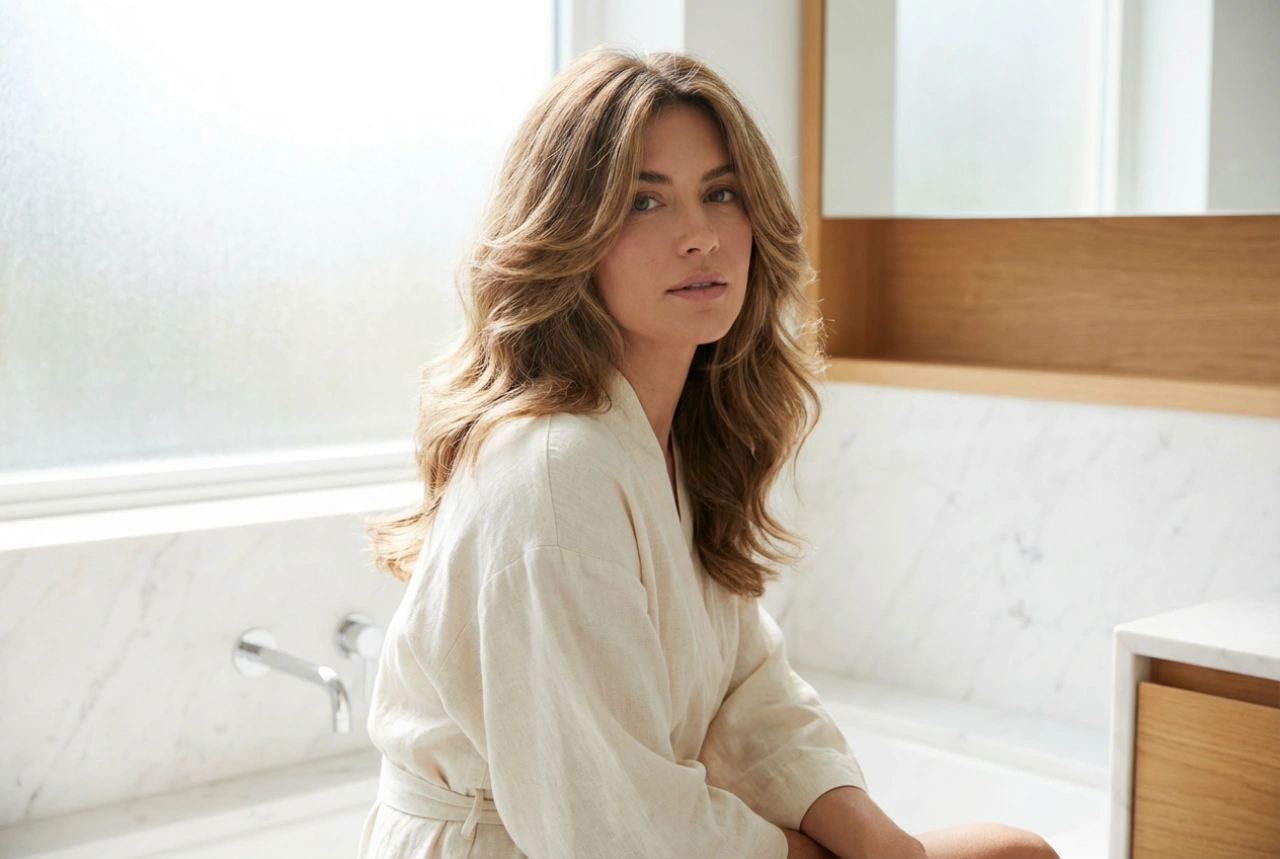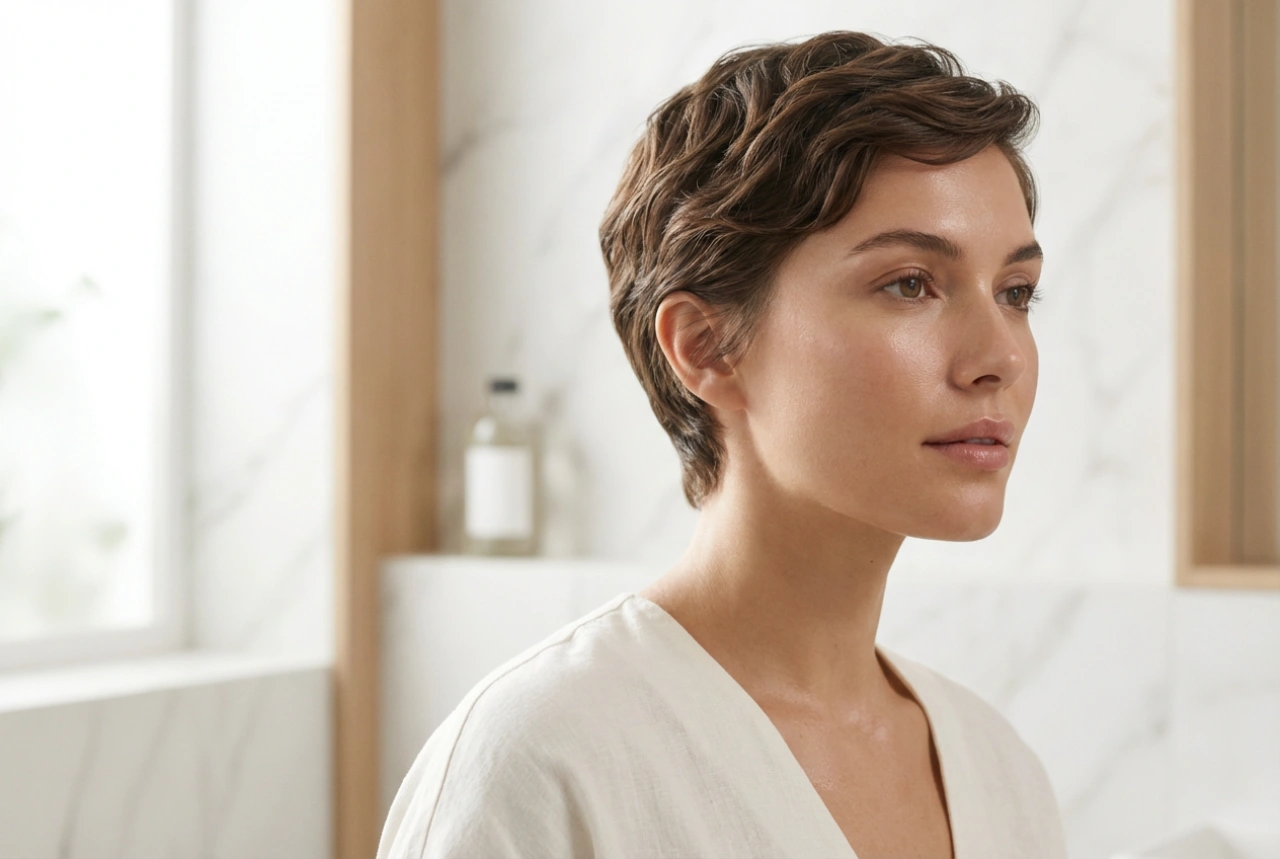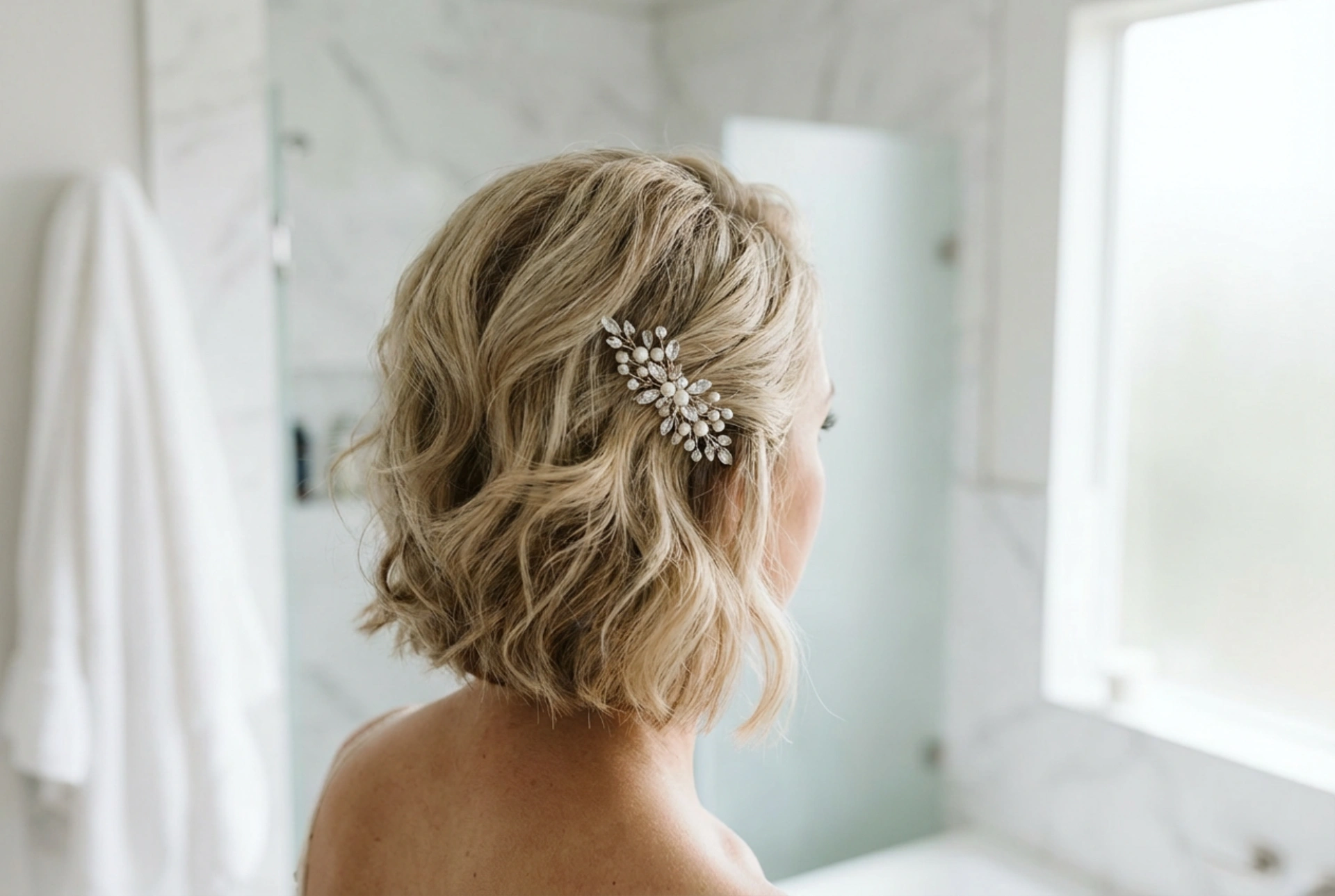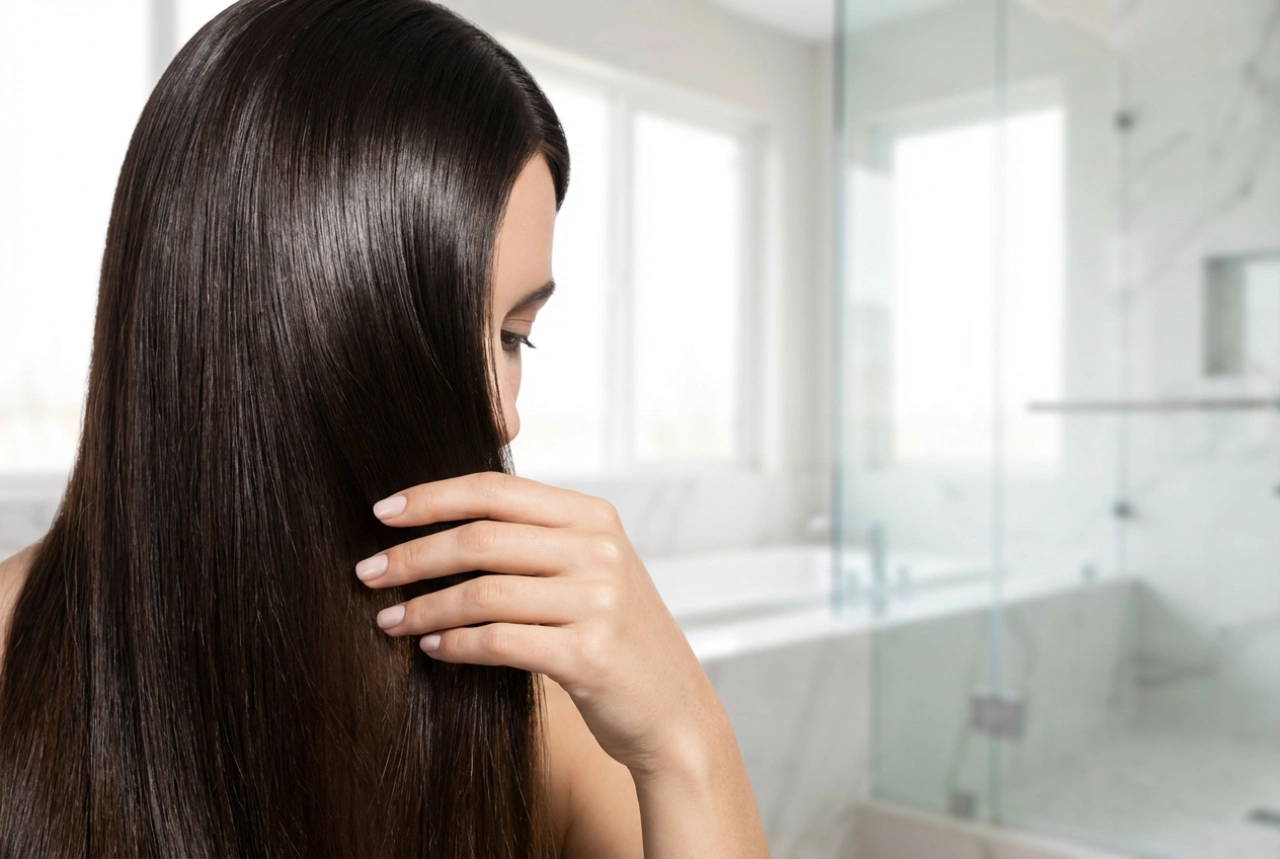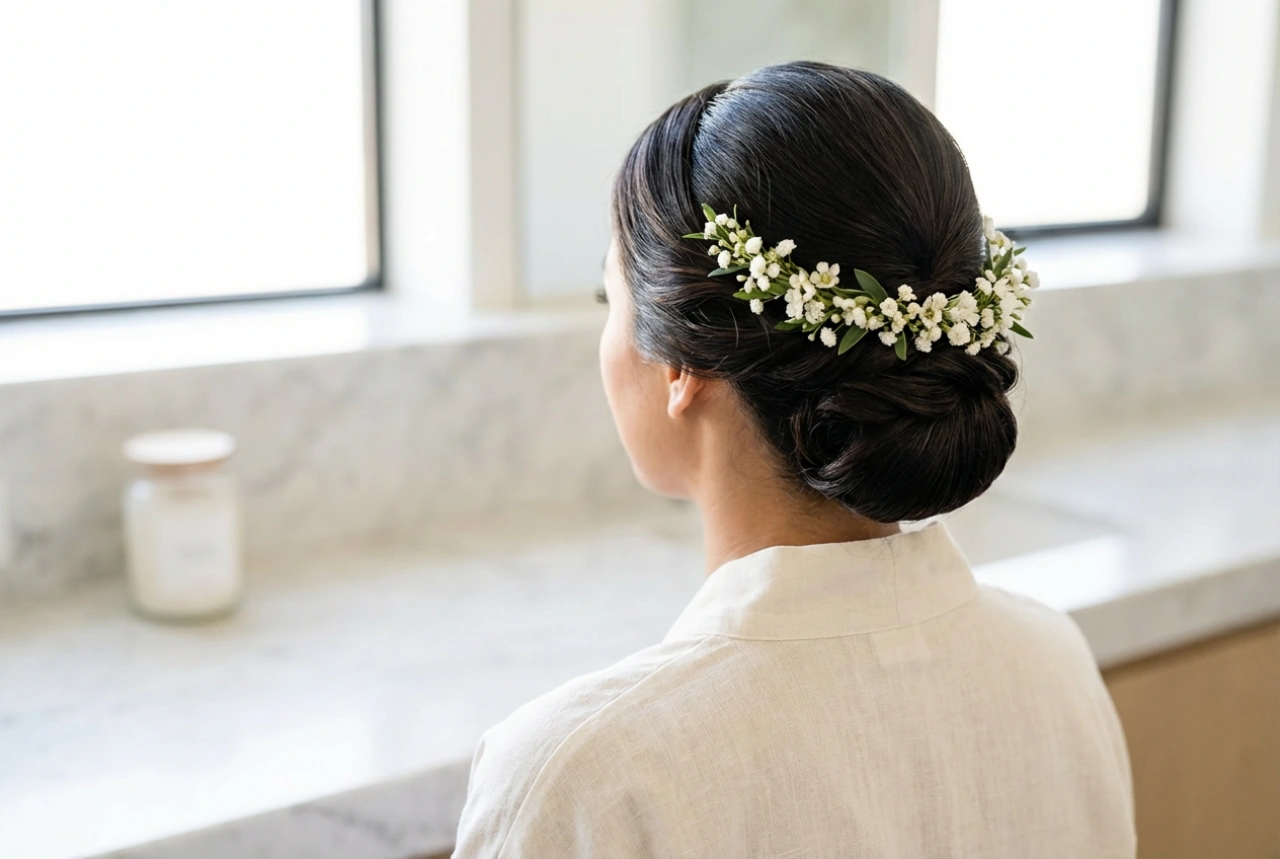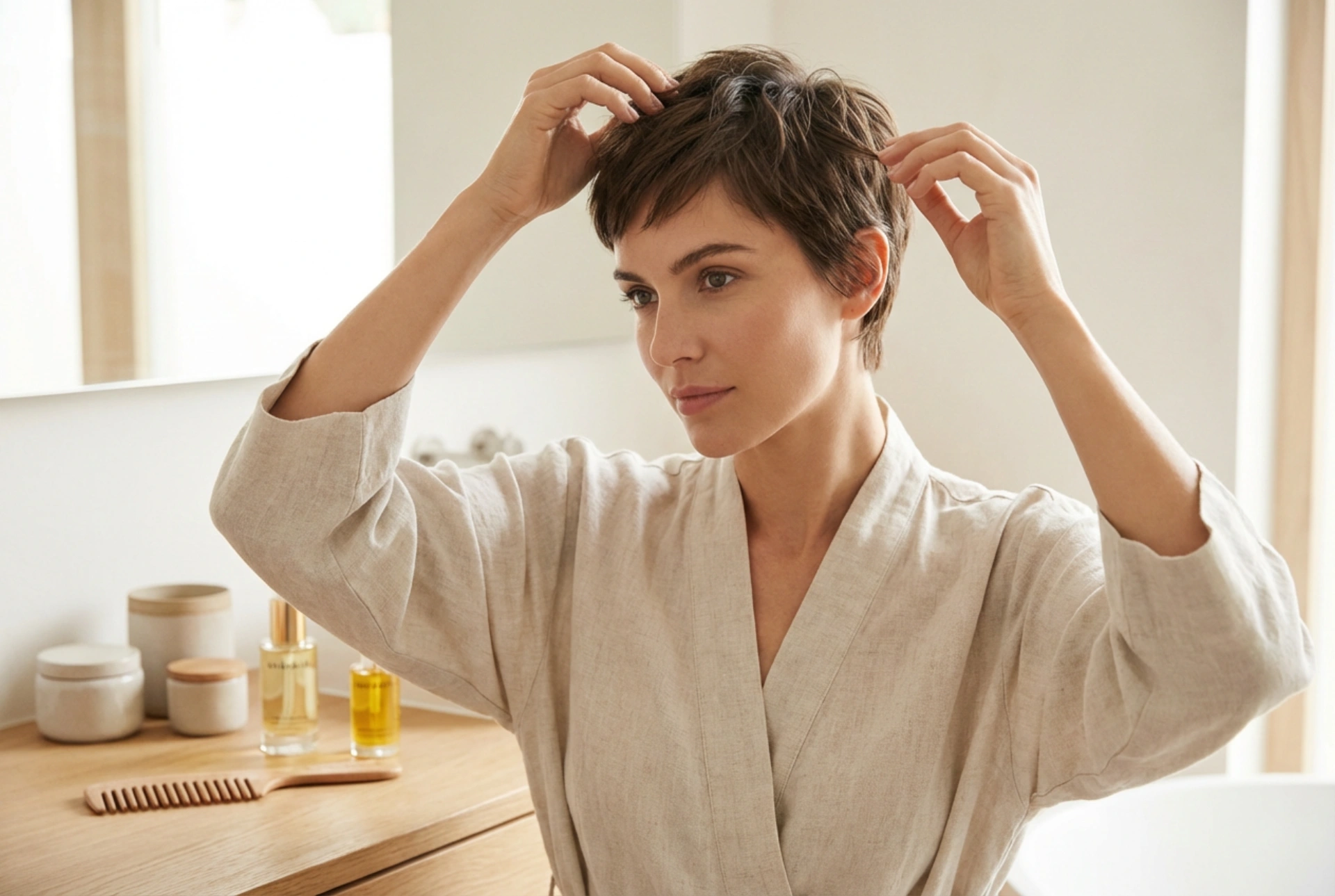


A modern, short haircut is the epitome of effortless elegance and contemporary style, framing the face in a way that highlights one's natural features. When we observe the understated beauty of a freshly styled crop, bathed in soft, natural light, it becomes clear that the smallest details make the biggest impact. The subtle adjustment of a parting, the direction of the blow-dry, and the final touch of texture can elevate a simple short cut into a sophisticated daily ritual. Mastering these elements at home allows you to maintain that coveted salon-fresh look with ease and confidence.
How to Choose the Ideal Parting for Your Short Haircut
The parting is the foundation of any hairstyle, acting as a visual anchor that determines how hair falls, frames the face, and creates volume. Unlike longer styles where gravity pulls the hair down, short hair is highly reactive to where it is divided. Choosing the right parting depends heavily on your unique face shape and natural hair growth patterns.
The Classic Side Parting
A deep or subtle side parting is incredibly versatile and works wonders for round, square, and heart-shaped faces. By shifting the bulk of the hair to one side, you create an asymmetrical line that visually elongates the face and softens strong jawlines. For square faces, a side parting starting just above the arch of the eyebrow adds a gentle curve. If you have a round face, a deep side parting paired with some height at the crown creates the illusion of length.
The Modern Centre Parting
The middle parting has enjoyed a massive resurgence, offering a sleek, symmetrical aesthetic that works beautifully with oval and slightly elongated faces. It provides a clean, minimalist frame. However, because a centre parting splits hair evenly, it can sometimes lie flat. To combat this on short hair, ensure you blow-dry the roots upwards before letting the hair fall into its final central division.
Working with Natural Cowlicks
Before committing to a parting, it is essential to observe your hair's natural growth. Forcing hair against a strong cowlick or natural crown can lead to stubborn pieces sticking up. Instead, work with your hair by parting it slightly off-centre or allowing it to fall naturally, which often yields the most organic, manageable volume.
The Art of Blow-Drying Short Hair for Volume and Direction
Blow-drying short hair is not merely about removing moisture; it is about sculpting the shape. Because there is less weight to hold the hair down, the direction in which you apply heat dictates how the style will sit throughout the day. Following a structured blow-drying routine ensures longevity and prevents the hair from looking flat or frizzy.
- Preparation and Rough Drying: Start by gently towel-drying your hair to remove excess water. Apply a lightweight heat protectant or styling lotion evenly. Use your fingers to rough-dry the hair on a medium heat setting, moving the dryer around to lift the roots. Stop rough-drying when the hair is about seventy percent dry.
- Controlling the Direction: Once the hair is damp rather than wet, it is time to direct the airflow. Use a concentrator nozzle on your hairdryer to focus the air. Blow-dry the sides and back downwards to keep them sleek, while directing the top sections in the opposite direction of how they will eventually lie to create maximum volume.
- Choosing the Right Brush: For short crops and pixie cuts, a small round brush or a ceramic radial brush is ideal for creating soft curves and lift at the roots. If you prefer a sleeker, flatter aesthetic with natural texture, a flat paddle brush or even a skeleton vent brush works beautifully to smooth the cuticle while maintaining movement.
Texturising and Finishing Your Short Style
The difference between a flat, uninspired short cut and a dynamic, modern hairstyle lies entirely in the finishing process. Short hair relies on styling products to define layers, add separation, and lock in the shape without making the hair look stiff or greasy.
Selecting the Right Styling Product
Depending on your hair texture and the desired finish, you will want to choose your product carefully. For a matte, textured look with a firm hold, a styling clay or pomade is exceptional, especially for thicker hair types. If you have fine hair, look for lightweight styling creams or texturising powders that boost volume at the roots without weighing the strands down. For a sleek, glossy finish, a tiny drop of hair oil or a light wax can smooth down flyaways and define the tips of your layers.
Application Techniques for a Natural Finish
The most common mistake when styling short hair is applying product directly to the top of the head, which can lead to a greasy, flat appearance. Always start by warming a pea-sized amount of product thoroughly between your palms and fingers. Begin applying the product at the back of your head, working your way forward. Gently piece out the ends of your layers using your fingertips to create separation and dimension, ensuring the roots remain light and airy.
Maintaining Your Short Haircut Day-to-Day
Short hair requires a slightly different care routine compared to long locks, as it tends to show product build-up and lose its shape more quickly. Implementing simple daily habits will keep your style looking fresh between salon visits.
To preserve your hairstyle overnight, consider sleeping on a silk or satin pillowcase. This reduces friction, preventing morning frizz and keeping your parting intact. In the morning, you rarely need to wash your hair completely to restyle it. Simply mist the roots with a bit of water or use a dry shampoo to absorb excess oils and revive lost volume. Massage your scalp with your fingertips to reactivate any styling products from the previous day, and use a quick blast of cool air from your hairdryer to set everything back into place.