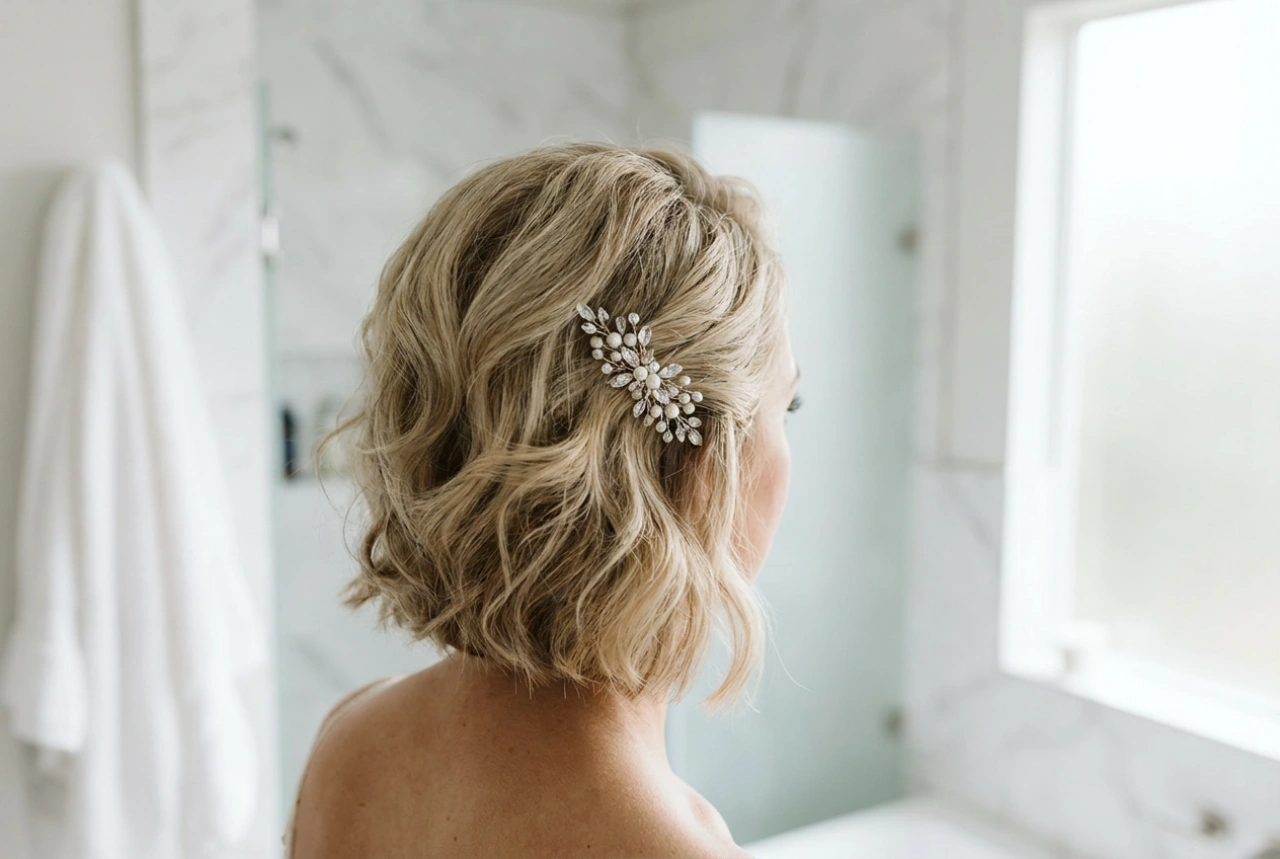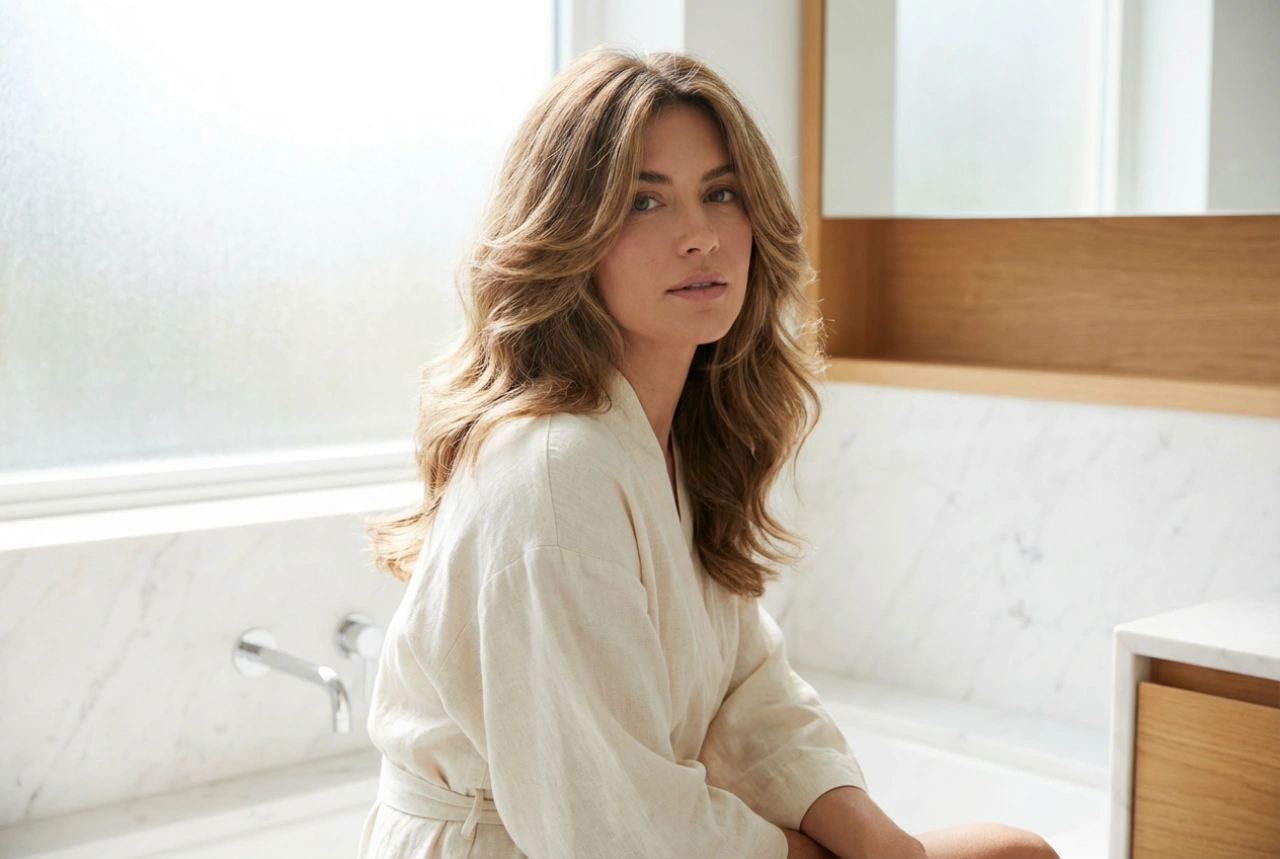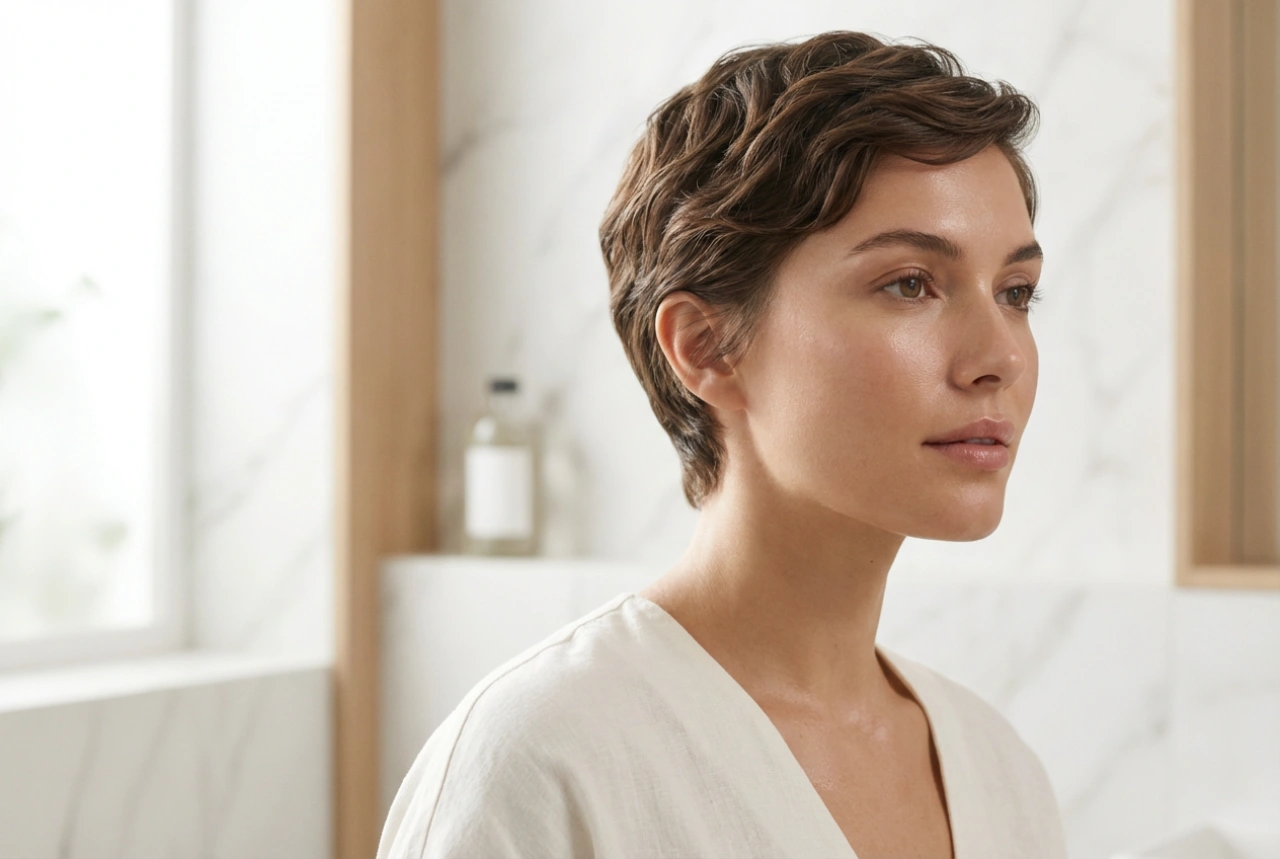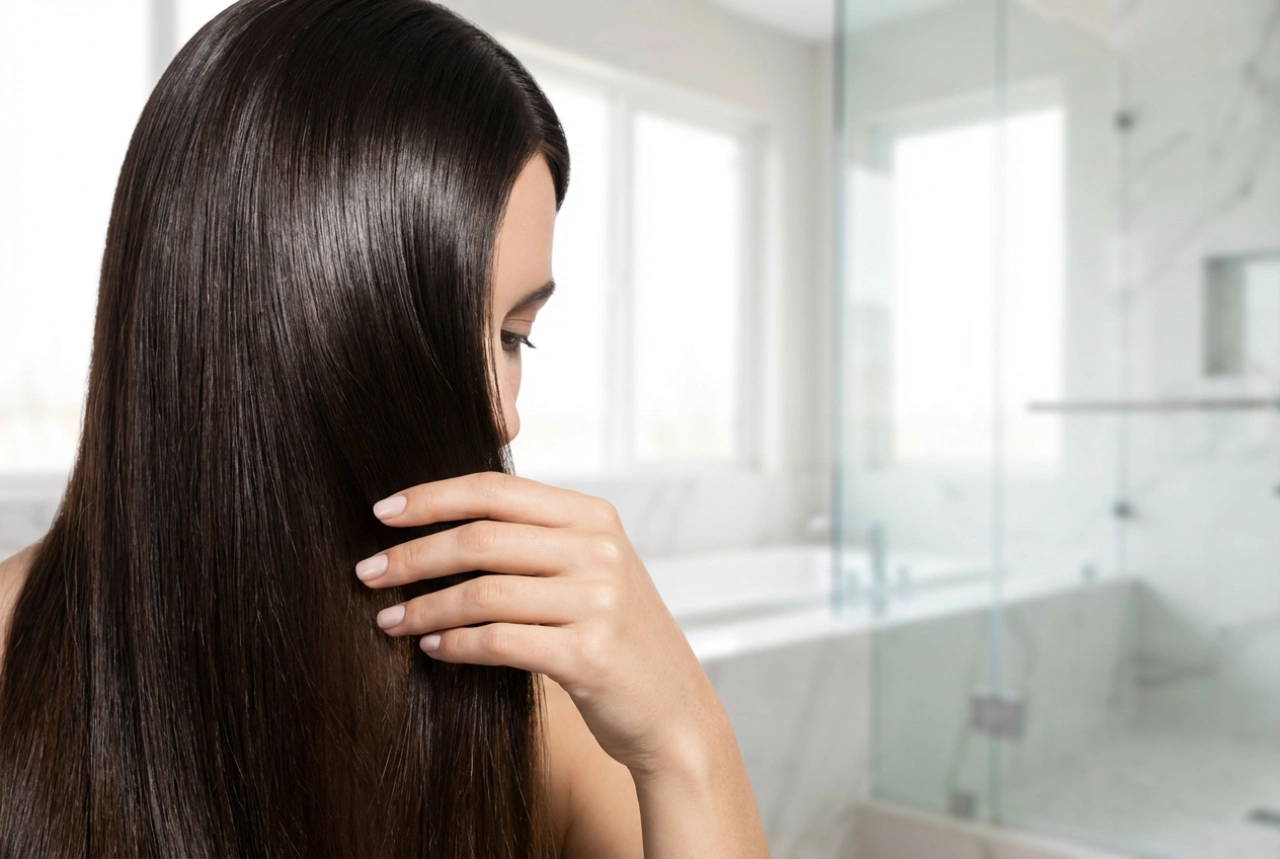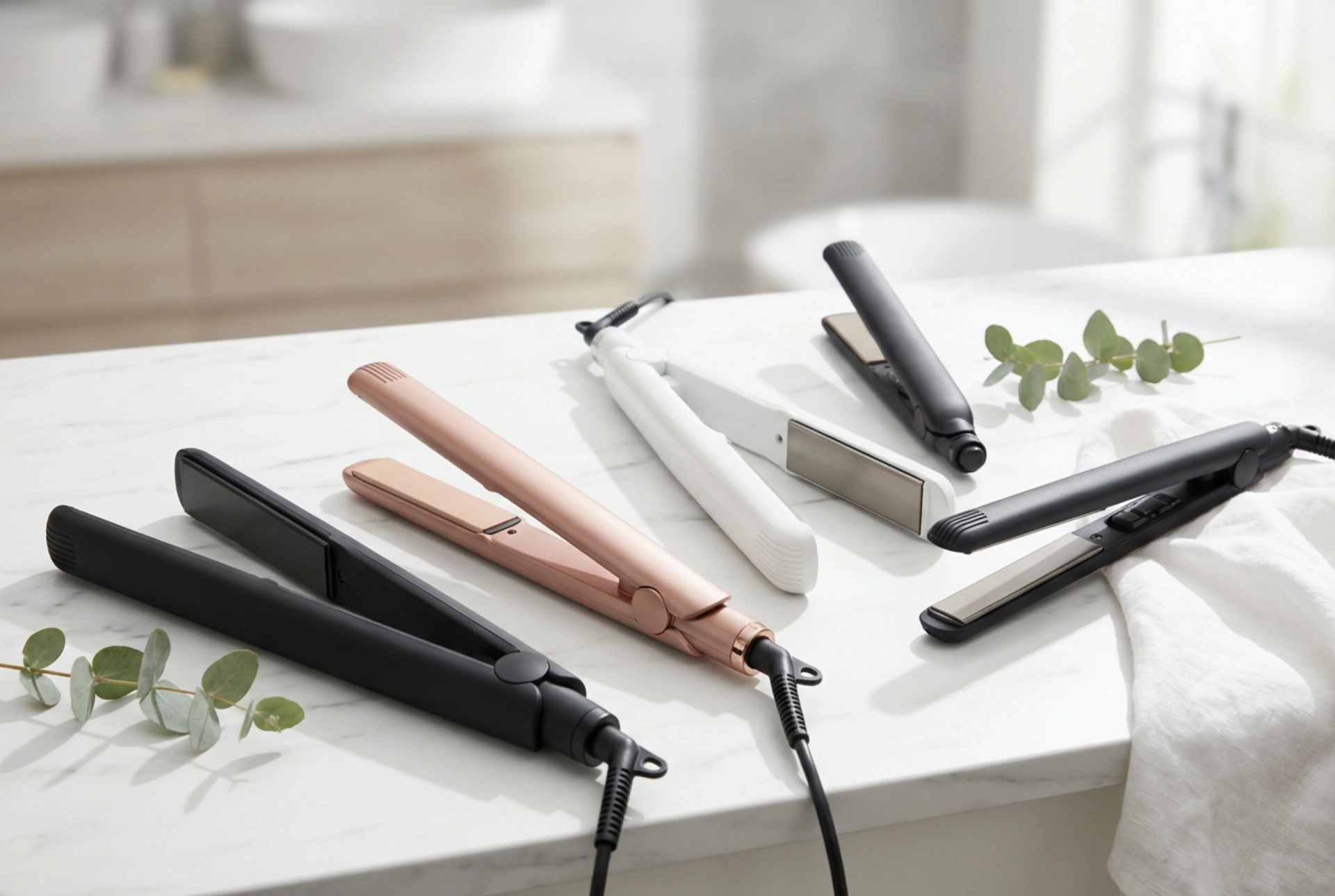


Styling tools are essential elements of daily beauty routines, often presented as sleek, modern accessories on minimalist vanity tables. When selecting a new device from a modern array of styling appliances with different plate widths and finishes, it is easy to feel overwhelmed by the variety of choices available. Choosing the correct appliance is not just about aesthetic preference; it directly impacts the texture, resilience, and appearance of your hair. Finding the perfect balance between style efficiency and gentle care is the ultimate key to achieving a polished, salon-like finish at home without compromising the structural integrity of your strands.
The Science of Plate Materials: Finding the Perfect Match
The surface material of a straightener's plates determines how heat is transferred to your hair. Different materials interact uniquely with the hair cuticle, making some better suited for specific textures than others. Understanding these properties allows you to make an informed decision based on your hair's individual needs.
Ceramic Plates
Ceramic is one of the most popular and widely recommended materials for everyday use. Its primary advantage is the ability to distribute heat evenly across the entire surface of the plate. This prevents hot spots that can cause localised thermal damage. Ceramic plates glide smoothly through the hair, reducing friction and tension. This material is particularly ideal for fine, thin, or slightly damaged hair types that require gentle and consistent heat delivery.
Titanium Plates
Titanium is a lightweight, highly durable metal that transfers heat exceptionally fast. It reaches target temperatures almost instantly and maintains a highly stable heat level during styling. Because titanium plates heat up efficiently, they are excellent for thick, coarse, or highly textured hair that is naturally resistant to styling. However, due to its intense heat conduction, titanium requires careful handling and precise temperature control to avoid overheating more delicate hair fibres.
Tourmaline-Infused Plates
Tourmaline is a semi-precious mineral that is often crushed and used as a coating on ceramic plates. It is known for its natural ability to produce negative ions when heated. These negative ions neutralise the positive charges commonly found in dry or frizzy hair, sealing the outer cuticle layer. This action locks in natural moisture, minimises static electricity, and produces a highly polished, reflective shine. Tourmaline plates are highly recommended for individuals prone to frizz and those seeking to enhance their hair's natural lustre.
Matching Plate Width to Your Hair Length and Volume
The physical dimensions of the straightening plates play a vital role in both styling speed and precision. Choosing a width that aligns with your hair length and density ensures optimal styling efficiency and prevents unnecessary repetitive heat exposure.
- Narrow Plates (under 1 inch): These compact plates are ideal for styling short haircuts, pixie styles, and precisely shaping fringes. They allow you to get closer to the roots safely and are also excellent for creating tight, defined curls or styling very fine, short sections.
- Standard Plates (1 inch): Considered the most versatile option, standard-sized plates are suitable for short to medium-length hair of average thickness. They offer the perfect balance for both straightening and creating soft, natural-looking waves or bouncy curls, making them a highly flexible choice for multi-style routines.
- Wide Plates (1.5 inches and wider): Designed specifically for long, thick, or coarse hair, wide plates cover a larger surface area in a single pass. This significantly reduces the time required to style thick hair, which in turn minimises the overall exposure of your hair to heat, preserving its moisture and vitality.
The Importance of Temperature Control
One of the most critical features to look for in any styling tool is adjustable temperature control. Hair types vary greatly in their heat tolerance, and using a fixed high temperature on delicate strands can lead to long-term dryness and brittleness. A customisable temperature display allows you to tailor the styling process to your hair's current health and structure.
For fine, chemically processed, or fragile hair, temperatures should generally be kept low, ideally between 130°C and 160°C. Normal, healthy hair with a medium texture can safely withstand temperatures from 160°C to 190°C. Thick, coarse, or naturally curly hair types may require higher heat levels, ranging between 190°C and 210°C, to achieve a smooth finish. It is always advisable to start at the lowest effective temperature and only increase it if absolutely necessary to achieve the desired look.
Practical Tips for a Safe Home Styling Routine
To maintain beautiful, healthy hair over time, incorporating safe styling habits is just as important as choosing the right tool. Always ensure your hair is completely dry before using a straightener, as styling damp hair can lead to moisture boiling inside the hair shaft, causing irreversible damage. Applying a lightweight, nourishing protective serum or spray before styling helps build a barrier that distributes heat safely. Additionally, working in small, neat sections ensures that each strand receives equal attention, preventing the need for multiple passes over the same section. Regularly cleaning the plates with a soft, damp cloth when the device is completely cool will remove product build-up and maintain a smooth, snag-free glide.