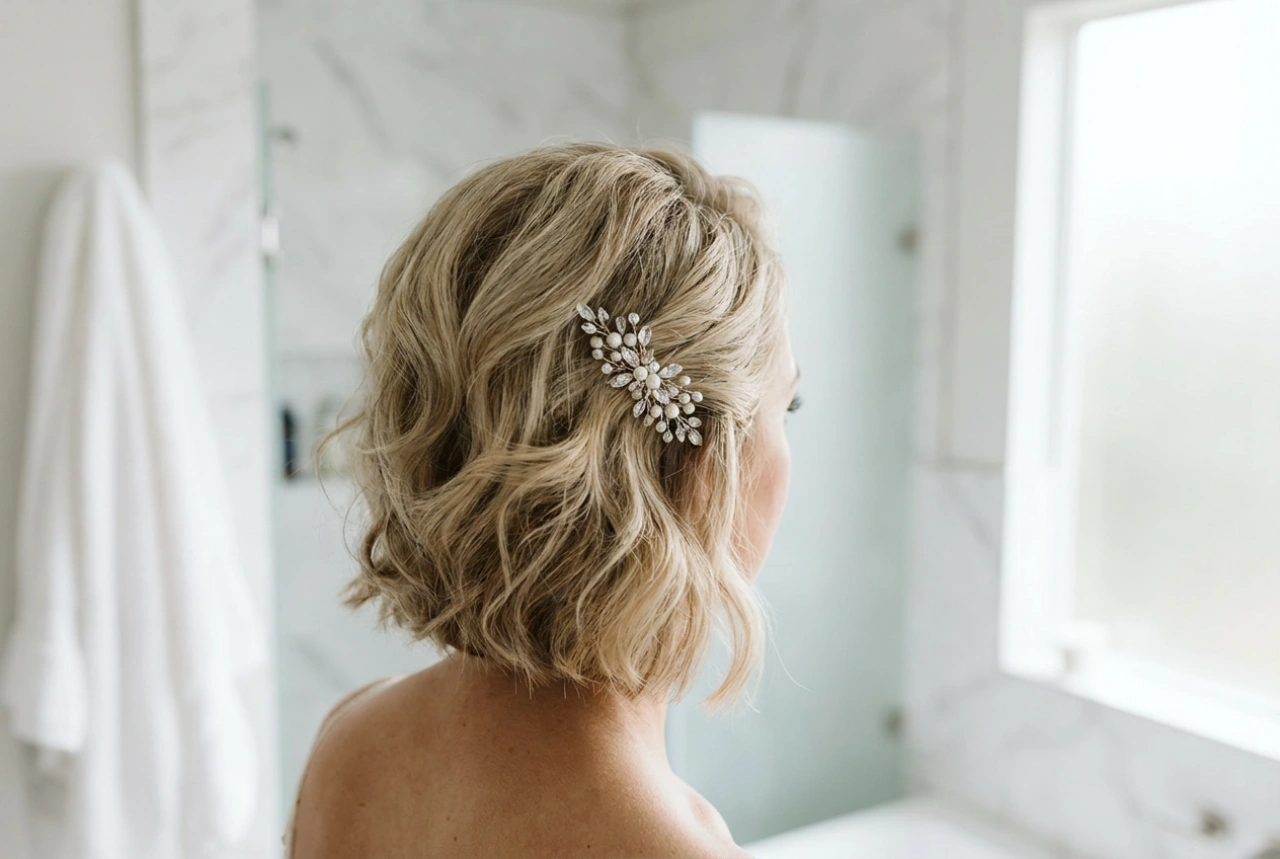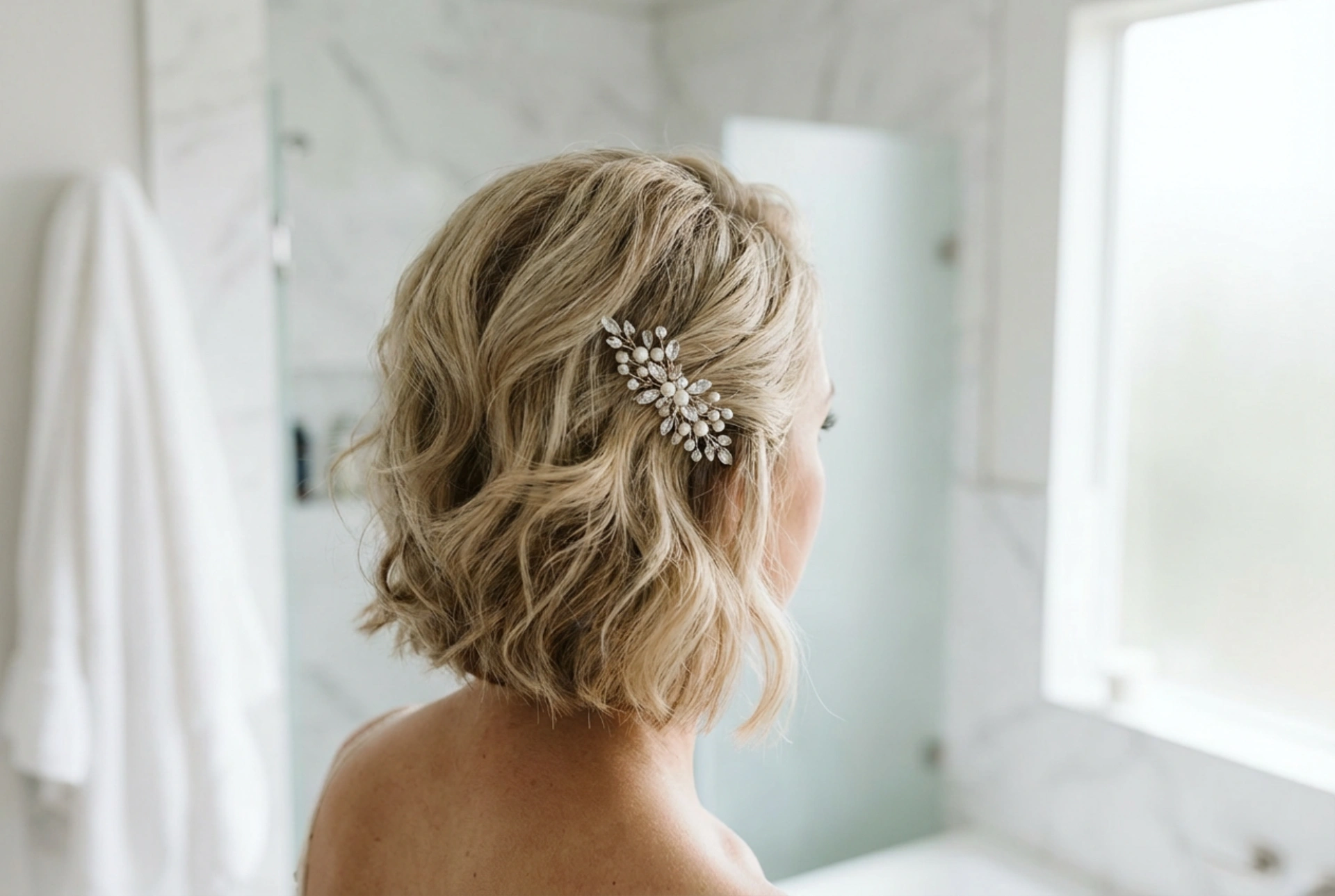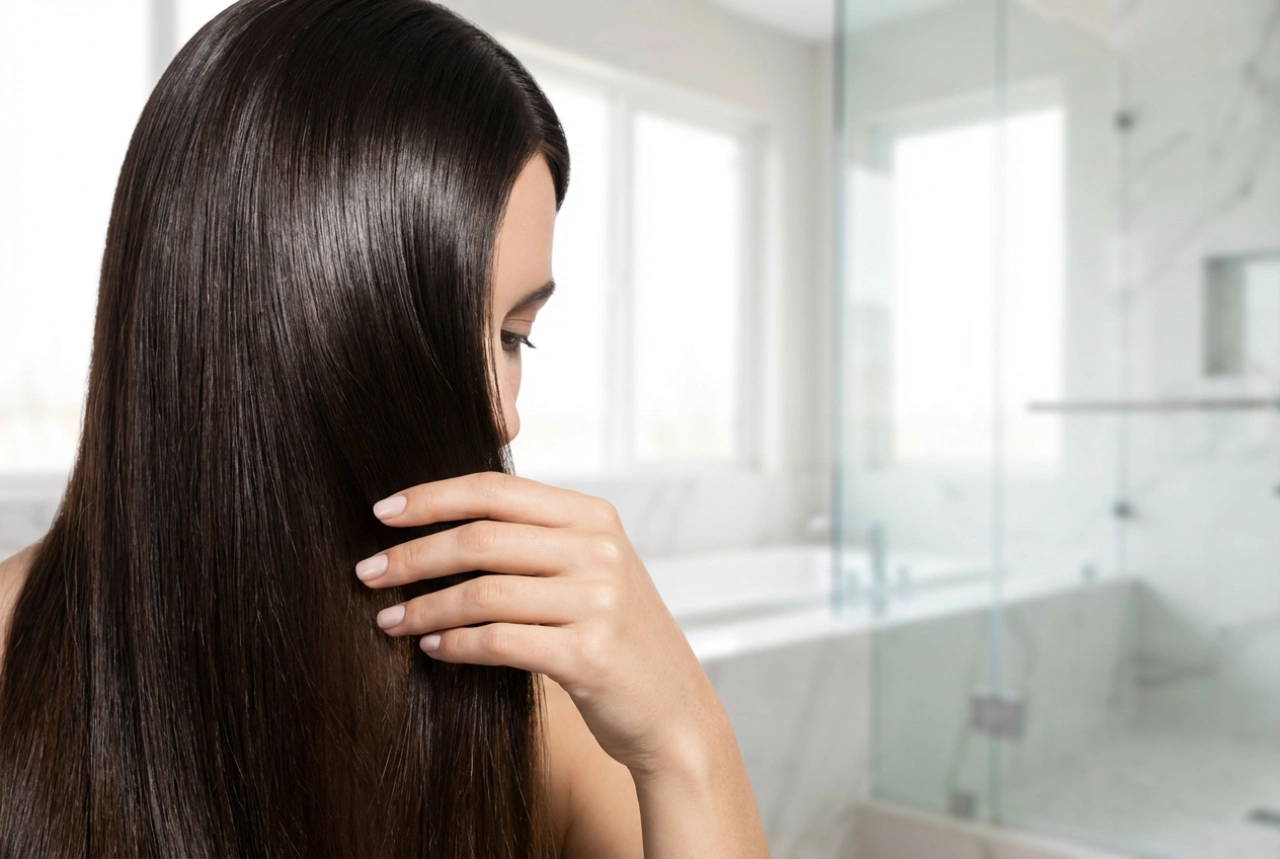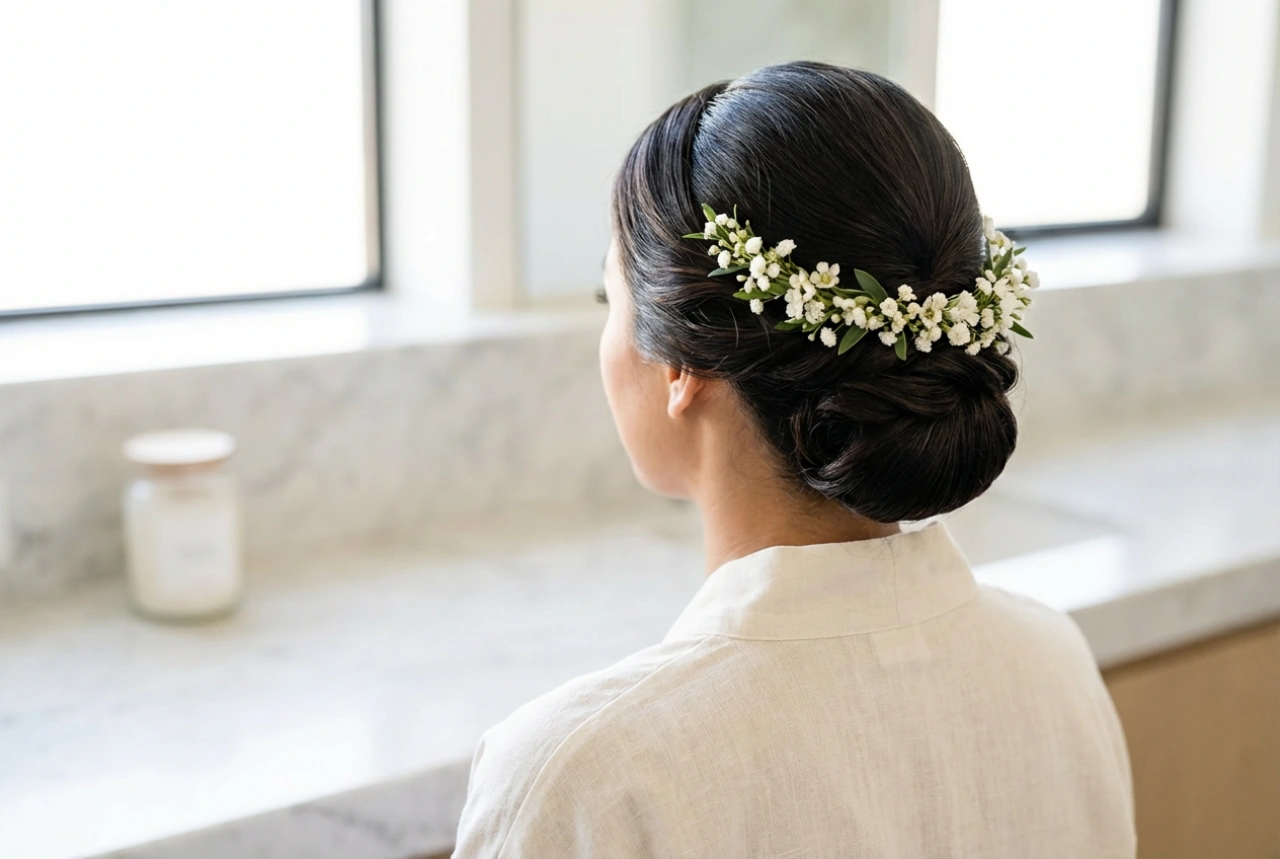


Finding the perfect hairstyle is more than just following the latest seasonal trends. The way hair falls around your face can completely transform your appearance, highlighting your natural beauty and balancing your features. Just like the elegant woman in our profile, whose flowing locks are beautifully styled to catch the light and frame her face, a well-considered haircut serves as the ultimate personal accessory. Understanding how your facial contours interact with different lengths, layers, and volumes is the key to unlocking a look that feels uniquely yours and boosts your daily confidence. By matching your cut to your specific shape, you can effortlessly harmonise your proportions and bring out your best self.
How to Identify Your Face Shape
Before booking your next appointment or picking up the styling tools, it is essential to determine your basic face shape. This simple step forms the foundation of all successful hair styling decisions. To do this at home, pull your hair back completely and look straight into a mirror. Pay close attention to the proportions of your forehead, cheekbones, and jawline.
- Oval: The length of the face is slightly longer than the width, with gently rounded contours and a forehead that is slightly wider than the jaw.
- Round: The face is almost as wide as it is long, with soft, curved lines and full cheeks.
- Square: A prominent, strong jawline and a broad forehead that are roughly equal in width.
- Heart: A wider forehead and cheekbones that taper down elegantly to a narrow, delicate chin.
Recognising these natural proportions allows you to choose a haircut that creates visual balance, softening prominent features or adding volume where it is needed most to frame your eyes and bone structure beautifully.
Flattering Cuts for Oval and Round Faces
Oval faces are often considered the most versatile shape in hair design, as they possess naturally balanced proportions. If you have an oval face, you can experiment with a wide array of styles, from sleek bobs to long, flowing layers. To add depth, consider soft waves that highlight the cheekbones or a classic centre parting that maintains natural symmetry. Avoid styles that cover up your face entirely, as the goal is to celebrate your balanced features rather than hide them.
For round faces, the objective is to create the illusion of length and definition. Long layers that begin below the chin work beautifully, as they draw the eye downwards and slenderise the overall look. High-volume styles, such as a textured lob or a side-swept fringe, are excellent options. It is generally best to avoid sharp, chin-length cuts and heavy, straight bangs, as these can emphasise the roundness of the cheeks and make the face appear shorter and wider than it naturally is.
Flattering Cuts for Square and Heart-Shaped Faces
Square faces benefit immensely from styles that soften the strong angles of the jaw and forehead. Long, wispy layers are perfect for creating movement and diffusing sharp lines. A deep side parting can break up the symmetry of a square forehead, while gentle, textured waves add a touch of softness around the face. Shaggy cuts and soft, feathered fringes are also highly recommended. Steer clear of blunt, straight-across bangs and uniform, one-length bobs that end exactly at the jawline, as they tend to draw unwanted attention to the widest parts of the face.
Heart-shaped faces, characterised by a broad forehead and a pointed chin, look beautiful with styles that add width and volume around the lower half of the face. Shoulder-length cuts, bouncy layers, and textured ends help balance the narrower jawline. Side-swept fringes are incredibly flattering because they soften the width of the forehead. If you love short hair, a textured pixie cut with plenty of volume on top can create a stunning, balanced profile. Avoid heavy, straight fringes and excessive volume at the crown, as these can make the top of the head appear disproportionately wide.
Styling and Texturing Techniques for Every Shape
Once you have the right cut, daily styling plays a crucial role in enhancing your face shape. The key is to manage volume and movement strategically. For example, if you want to elongate your features, focus your styling efforts on creating height at the crown using lightweight styling mousses or root-lifting techniques. Conversely, if you want to soften a long or angular face, direct the volume to the sides with soft curls or a blow-dry brush that creates outward movement.
Parting your hair is another simple yet incredibly effective tool. A middle parting offers clean symmetry, which works wonderfully on oval faces, while a deep side parting is ideal for adding asymmetry and softening the angles of square and round faces. Experimenting with different textures—such as smooth silkiness, beachy waves, or natural curls—allows you to customise how the light hits your face, creating shadows and highlights that complement your natural bone structure.
Maintaining Your Style at Home
Keeping your chosen haircut looking fresh and polished requires consistent care and the right routine. Regular trims every six to eight weeks are essential to prevent split ends and maintain the intentional shape of your cut, especially for shorter styles like bobs and pixies. Between salon visits, focus on keeping your hair healthy and hydrated, as healthy hair holds its shape and reflects light much better than dry, damaged locks.
Invest in gentle, sulphate-free shampoos and nourishing conditioners suited to your hair type. Applying a lightweight leave-in conditioner or hair oil can add that natural, healthy-looking sheen observed in professional styling. By combining a face-flattering cut with a simple, high-quality home care routine, you can ensure your hair remains your most beautiful and expressive feature every day.