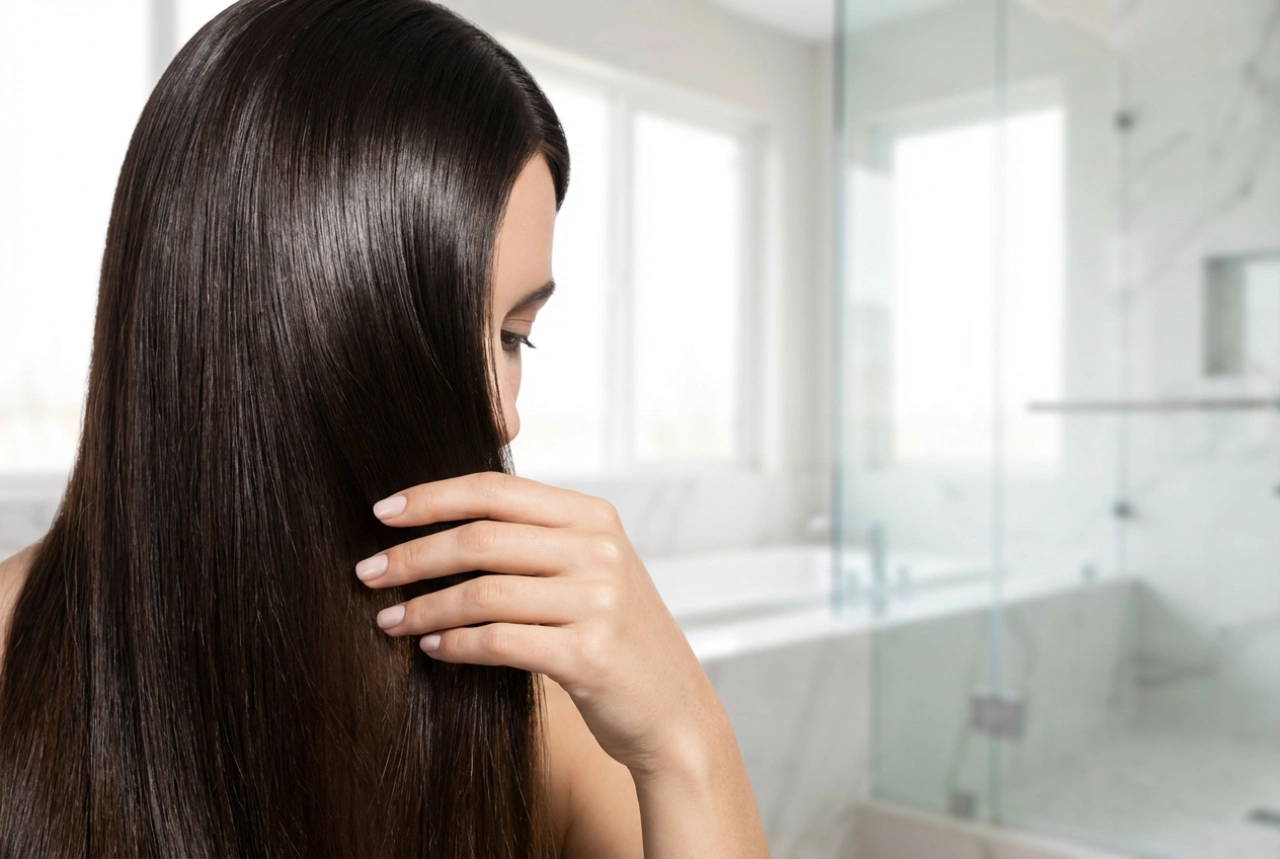


Achieving perfectly straight, glossy hair often feels like a delicate balancing act between achieving the perfect look and maintaining hair health. Modern styling tools, such as sleek hair straighteners with advanced ceramic-coated plates, have transformed this process, making it possible to enjoy smooth, reflective locks without causing irreversible structural damage. The secret lies in understanding how your styling tool interacts with your hair strands and how to control the variables of heat, plate technology, and physical movement.
Understanding Plate Coatings: The Foundation of Safe Styling
The surface of your hair straightener is the only part that comes into direct contact with your hair. Therefore, the material of the plates plays a vital role in protecting your strands from friction and excessive heat. Different coatings offer various benefits suited to different hair types:
- Ceramic Plates: These are the most common and widely recommended for general home use. Ceramic distributes heat exceptionally evenly across the entire surface, preventing dangerous hot spots that can singe hair. It offers a smooth glide, reducing friction and minimizing physical breakage during styling.
- Tourmaline Plates: Infused with natural silicate minerals, tourmaline plates naturally emit negative ions when heated. These ions help seal the hair cuticle, locking in natural moisture and reducing static and frizz, resulting in an incredibly glossy and smooth finish.
- Titanium Plates: Known for their exceptional durability and rapid heat transfer, titanium plates are ideal for thick, coarse, or highly textured hair. They maintain a highly consistent temperature, allowing for quicker styling with fewer passes over the same section.
The Power of Temperature Control
One of the most common causes of heat damage is using a temperature setting that is too high for your specific hair type. Modern straighteners with precise digital temperature controls allow you to customize the heat settings to protect the structural integrity of your hair. Adjusting the temperature according to your hair texture is crucial:
- Fine, fragile, or chemically treated hair: Keep the temperature low, ideally between 120°C and 150°C. Fine hair is more susceptible to structural breakdown and heat degradation.
- Normal, medium-density hair: A moderate range of 150°C to 180°C is usually sufficient to achieve sleek results without compromising hair health.
- Thick, coarse, or curly hair: You may require temperatures between 180°C and 200°C to style effectively. However, it is advisable to start lower and only increase the heat if absolutely necessary, always avoiding temperatures above 200°C to prevent serious damage to the keratin structure.
Smooth Movement and Plate Design
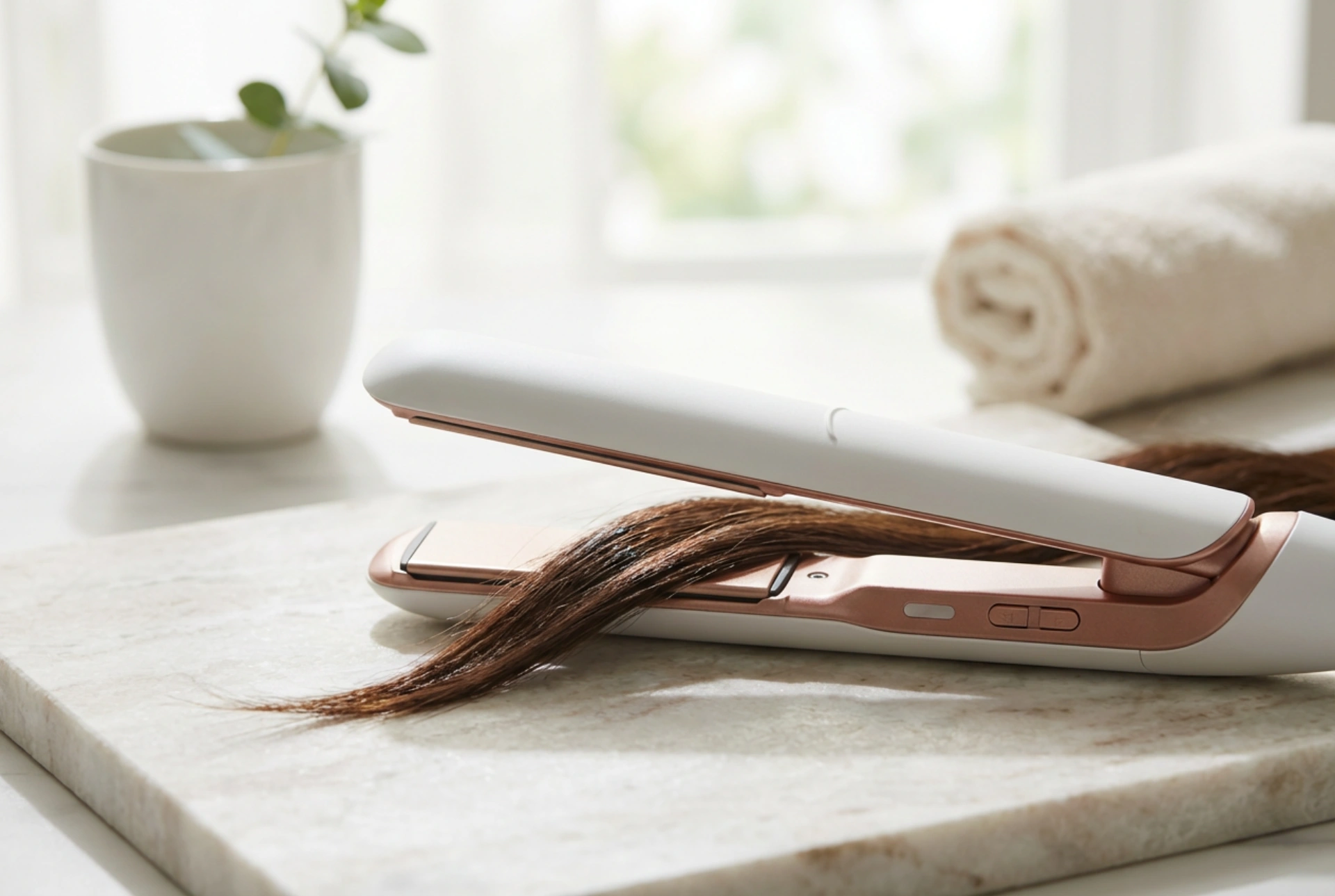
Even with the best plate coating and the correct temperature, your physical styling technique can make or break the health of your hair. One of the most important features to look for in a modern straightener is "floating plates." These plates are mounted on a flexible suspension system that adjusts to the thickness of the hair section, ensuring even pressure distribution. This prevents pulling, snagging, and excessive tension, which can lead to immediate mechanical breakage.
When straightening, the movement must be fluid and continuous. Never pause or hold the straightener in one spot, as this concentrates extreme heat on a single section of the hair shaft. Instead, guide the plates smoothly from root to tip in a single, controlled motion. Working in small, manageable sections ensures that you only need to pass over each strand once or twice, minimizing overall heat exposure.
The Role of Tension and Sectioning
Proper hair sectioning is the secret weapon of professional styling at home. Instead of taking large clumps of hair, divide your hair into neat, small sections. This allows the plates to heat the strands evenly from both sides without requiring excessive pressure. When you clamp the straightener, apply gentle, even tension. You do not need to squeeze the plates tightly together; a light grip combined with a high-quality plate coating will allow the hair to glide through effortlessly. Using a fine-tooth comb just ahead of the straightener can also help align the hair fibers, ensuring a flawless glide and preventing tangles from getting caught in the heated plates.
Essential Pre-Styling and Post-Styling Steps
To ensure your hair remains healthy, vibrant, and resilient, a proper routine surrounding your styling session is essential. Always ensure your hair is completely dry before using a straightener. Straightening damp or wet hair can lead to a phenomenon known as "bubble hair," where water trapped inside the hair shaft boils and vaporises, instantly destroying the hair cuticle and inner structure from the inside out.
Apply a high-quality heat protection spray or serum evenly throughout your dry hair before you begin. This creates a thin protective barrier that slows down heat conduction and preserves the hair's natural moisture. Once you have finished styling, allow your hair to cool completely before brushing or applying finishing products. A light application of a nourishing hair oil or serum on the tips can help lock in the sleek finish, add extra shine, and protect against environmental humidity throughout the day.
Maintaining Your Styling Tool for Consistent Results
The condition of your hair straightener directly impacts the safety and efficacy of your styling routine. Over time, styling products, heat protectants, and natural hair oils can build up on the plates, creating a sticky residue. This residue can cause uneven heat distribution and create friction, leading to hair snagging and localized heat damage. Cleaning your straightener regularly is simple but essential. Always ensure the device is completely unplugged and cool. Use a soft, slightly damp microfiber cloth to gently wipe down the plates. Avoid using abrasive cleaners or harsh chemicals, as these can strip away the protective ceramic or tourmaline coatings, rendering the plates rough and unsafe for your hair.