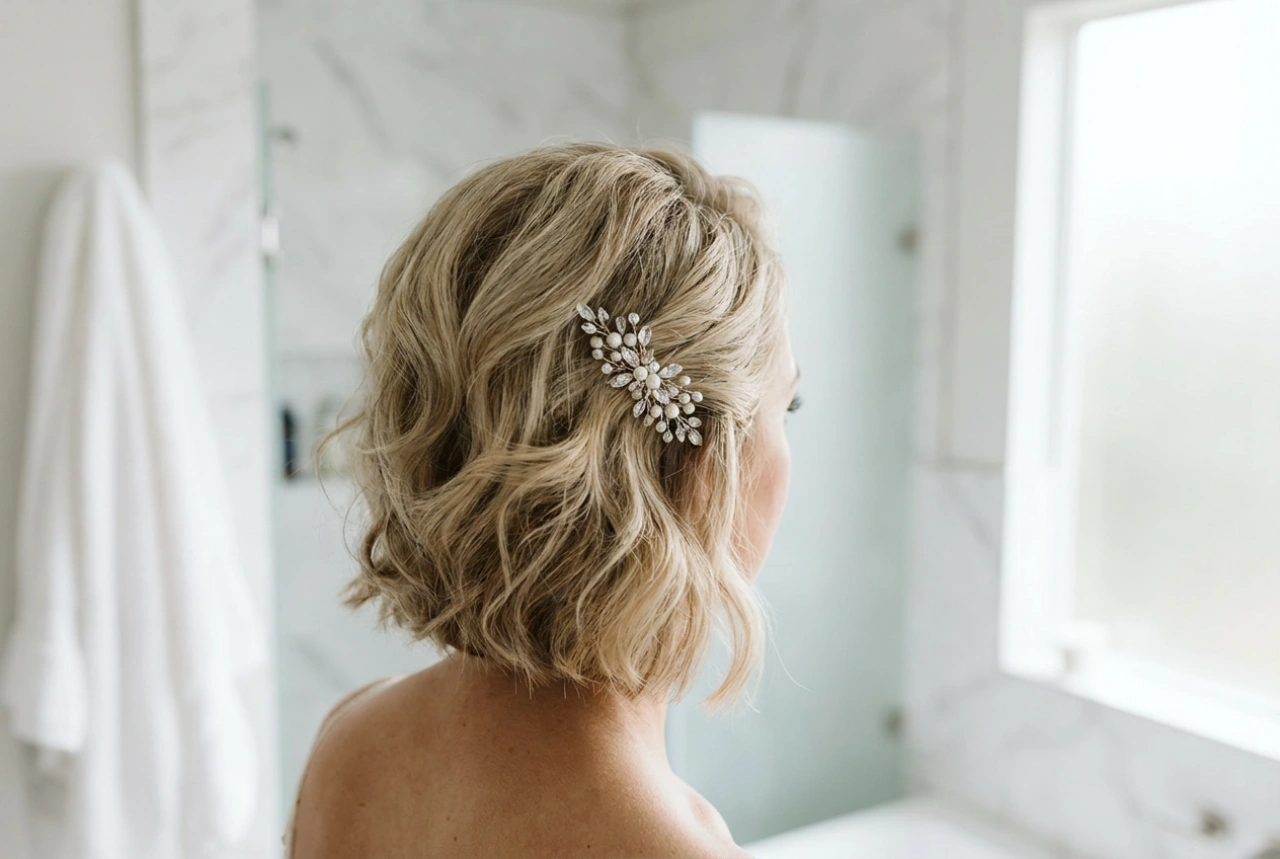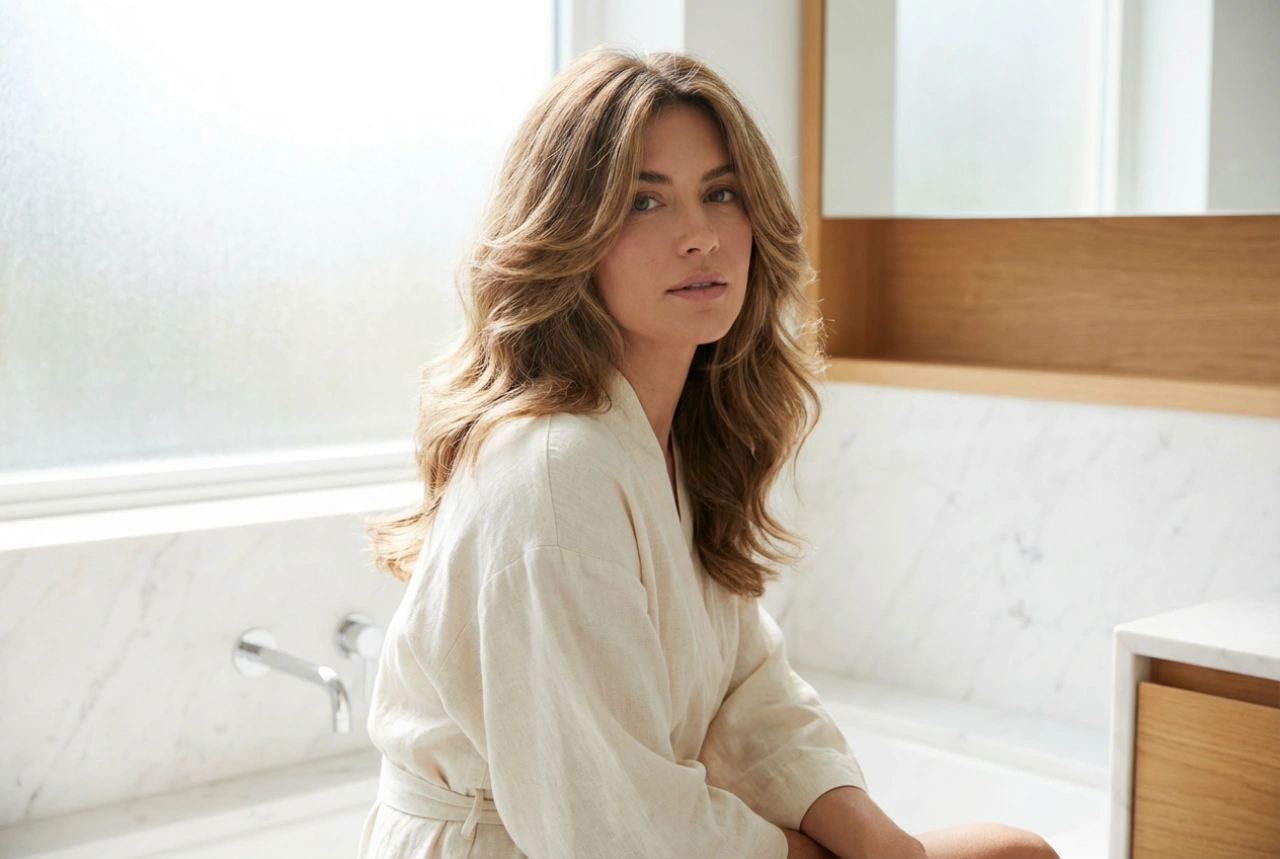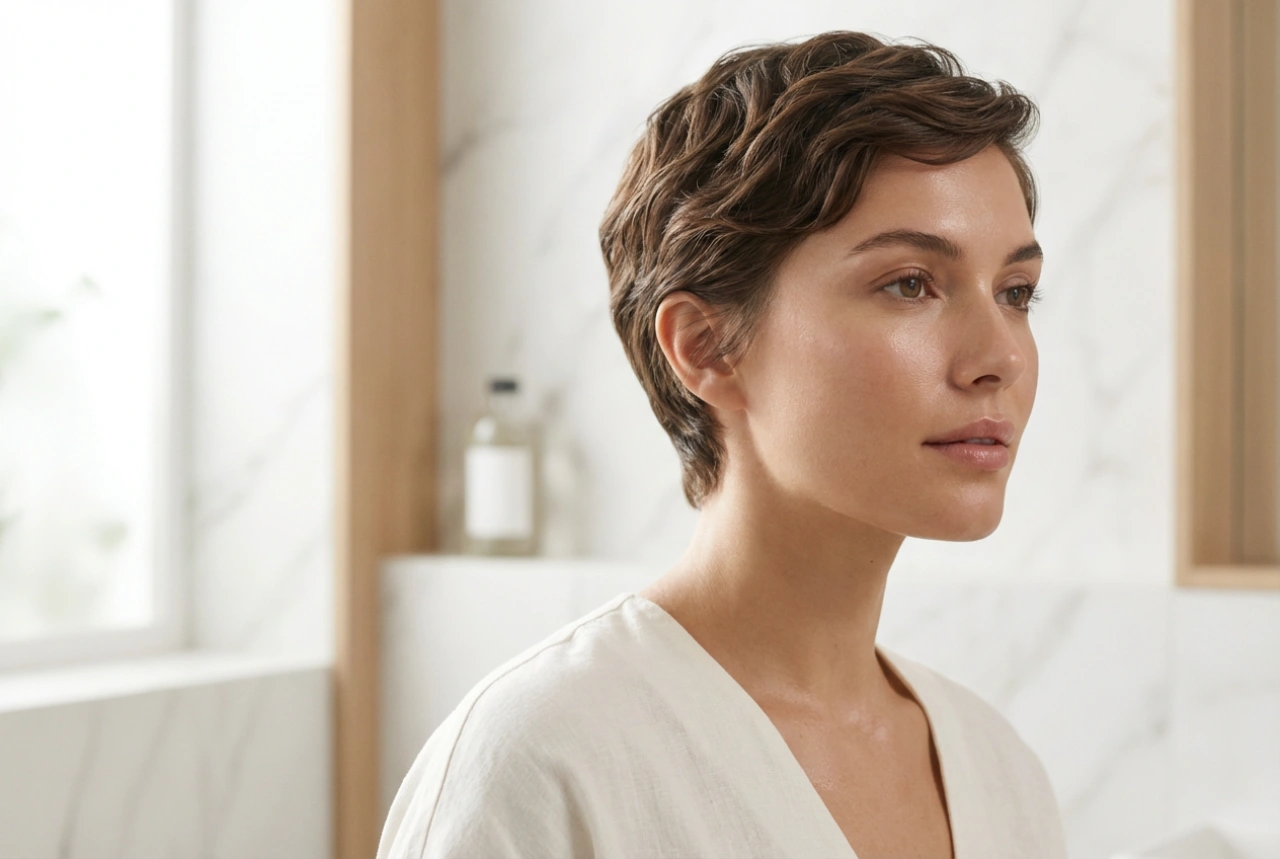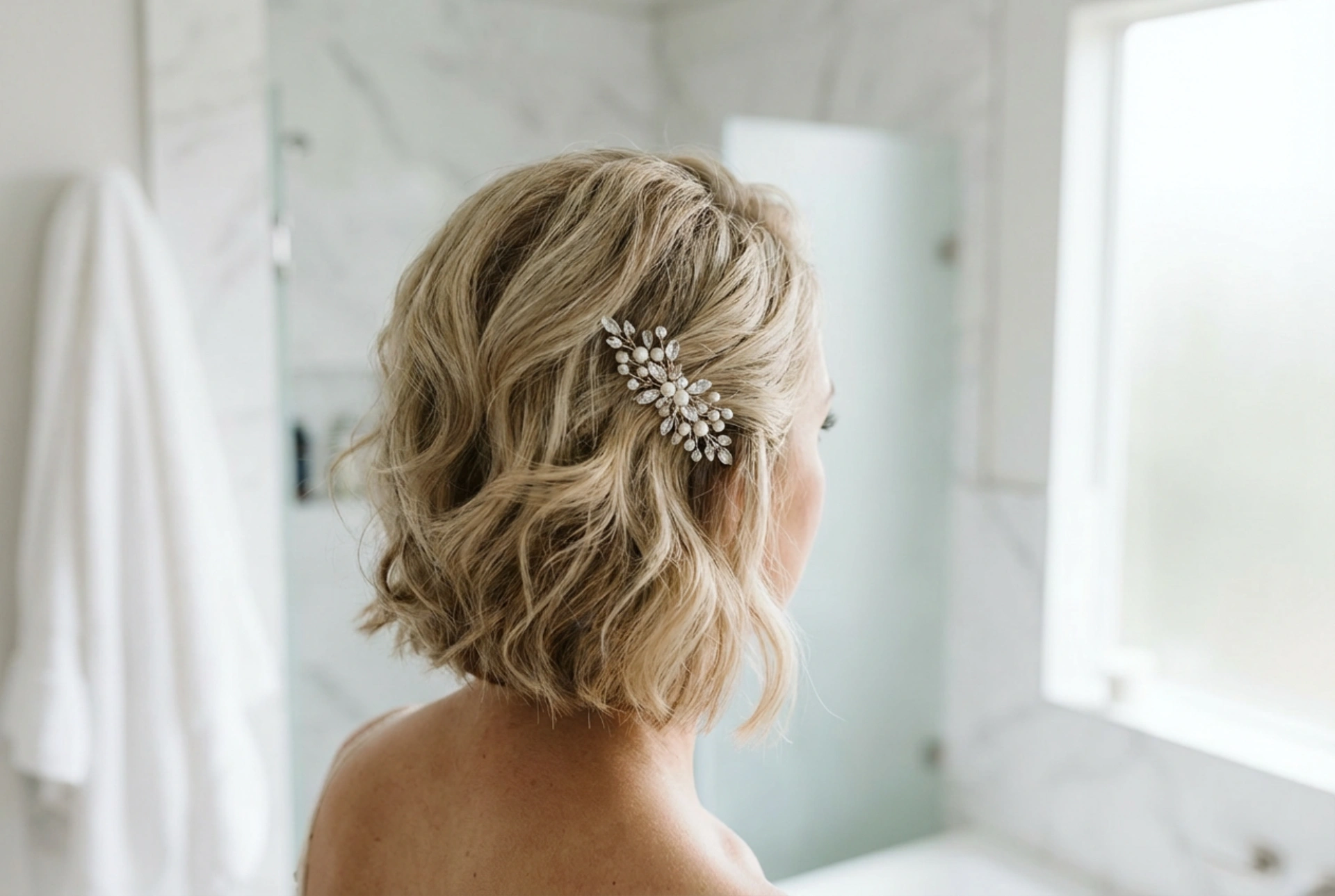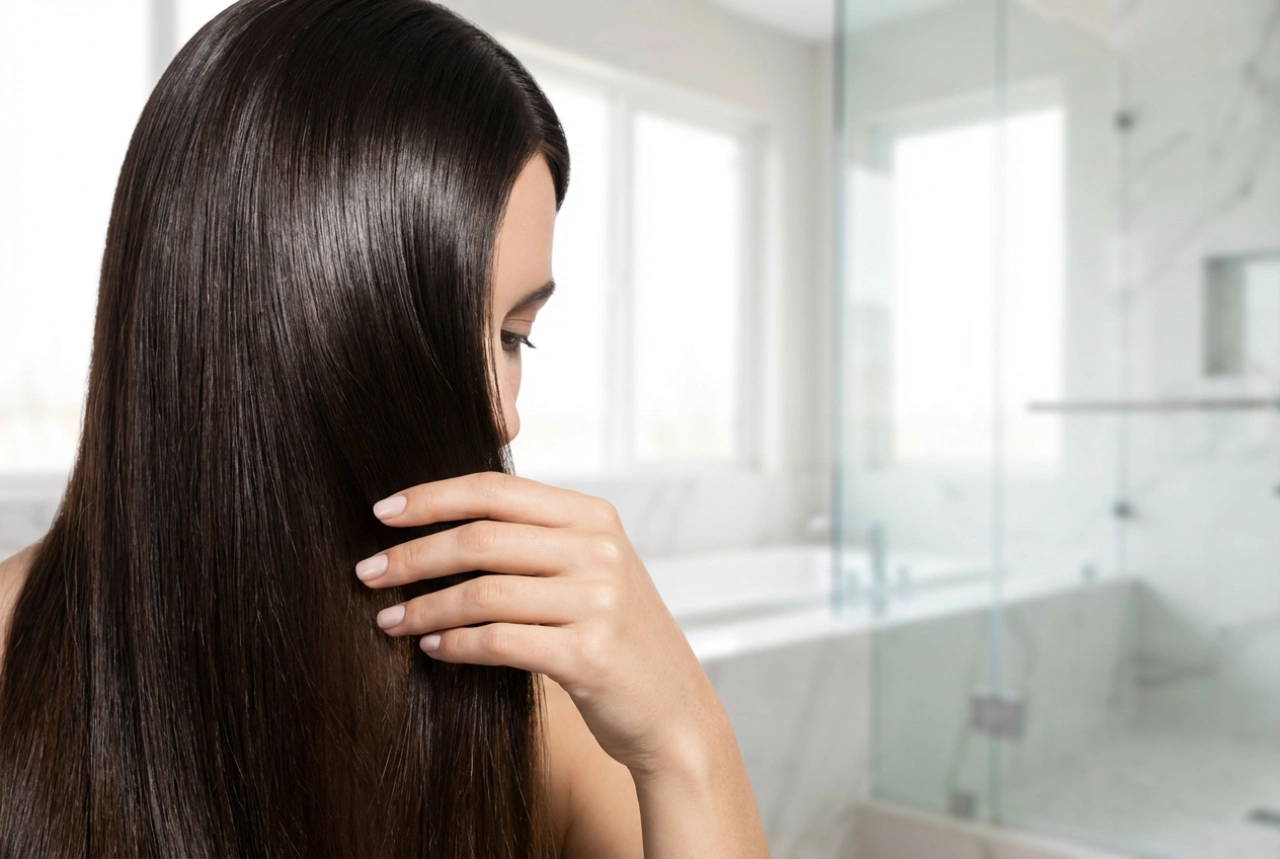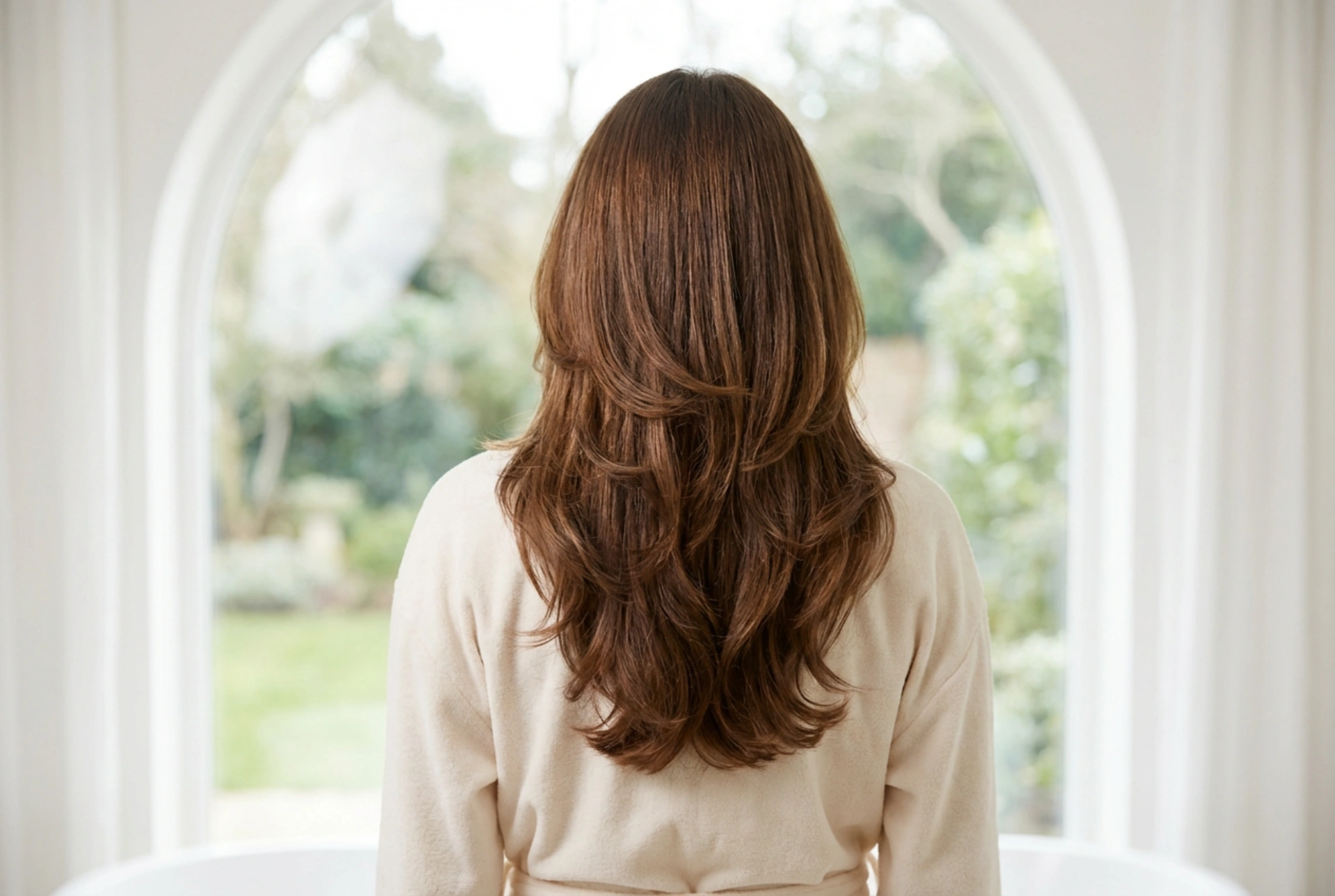


Long layered hair combined with a delicate, soft fringe is a classic hairstyle that never goes out of fashion. This combination offers an effortless elegance, creating natural movement and a healthy, voluminous appearance. When the hair is cut professionally with seamless transitions, it captures the light beautifully, highlighting the texture and flow of each individual strand. Whether viewed from the front or showcasing a stunning cascade from behind, this style embodies a sense of lightweight grace and modern sophistication that suits many different hair types and face shapes. By understanding how to blend these layers and style them at home, you can maintain a fresh, salon-quality look every day.
The Philosophy of Seamless Layering
To achieve a look that feels both dynamic and cohesive, the key lies in how the layers are blended. Traditional, harsh steps can make the hair look disconnected, whereas modern layering techniques focus on soft transitions. The goal is to remove excess weight from the mid-lengths and ends while maintaining density at the bottom. This prevents the hair from looking thin or wispy. Instead, the layers act as support structures, lifting the hair from the roots and encouraging natural bounce.
For those with thicker tresses, internal layering can help manage volume, making the hair feel lighter and easier to style. For finer hair types, strategic face-framing layers can create the illusion of thickness and depth. A skilled approach ensures that each layer flows naturally into the next, creating a harmonious silhouette that moves gracefully with every step. When layers are well-blended, they require less daily manipulation, as the haircut itself does most of the work in creating shape.
Choosing and Blending the Perfect Fringe
The fringe is a crucial component of this hairstyle, serving as the bridge that connects the overall length with the facial features. When pairing a fringe with long layers, the transition between the two must be carefully planned to ensure a balanced, cohesive look.
Swept and Curtain Bangs
Soft, swept bangs or curtain fringes are incredibly popular because they integrate seamlessly into the shortest face-framing layers. This style of fringe, parted down the middle or slightly to the side, drapes elegantly around the cheekbones, softening the features. It allows for a gradual progression of length, ensuring there are no stark boundaries between the fringe and the rest of the hair. This option is also highly versatile, as it can be easily tucked behind the ears or pinned back when needed.
Wispy and Textured Fringes
For a bolder statement, a wispy or textured straight-across fringe can be introduced. The key to making this work with long layers is texturising the edges. By thinning out the ends of the fringe slightly, it maintains a lightweight feel that aligns with the breezy nature of the layers. This prevents the front of the style from feeling too heavy or separate from the overall look, allowing the eye to travel smoothly from the forehead down to the longer lengths.
Styling Techniques for Volume and Definition
Styling long layered hair with a fringe requires techniques that emphasise texture while keeping the hair healthy and shiny. A few mindful adjustments to your styling routine can elevate the final result from simple to truly spectacular.
- Blow-Drying with a Round Brush: To achieve maximum volume, start by rough-drying your hair until it is about eighty per cent dry. Then, using a large ceramic or wooden round brush, lift the sections at the roots. Direct the airflow down the hair shaft to smooth the cuticle and enhance natural shine.
- Styling the Fringe First: Always style your fringe first, as it dries quickly and can become stubborn. Use a smaller round brush or a paddle brush, blowing the hair from side to side to eliminate any natural cowlicks and create a soft, natural curve that frames your eyes.
- Using Hair Rollers: For heat-free volume, velcro or heated rollers can be wound into the crown area. Leave them in place while the hair cools down to lock in a bouncy, enduring shape that lasts all day.
- Texturising without Weight: Once dry, apply a tiny amount of lightweight hair oil or a texturising mist to the ends. This defines the layers and accentuates the movement without weighing the hair down.
Maintaining Healthy Shine and Layer Integrity
The beauty of a layered cut relies heavily on the health of the hair. Because layers expose different sections of the hair shaft, split ends and dryness can become more visible. Consistent maintenance is essential to keep the look pristine and vibrant.
Regular trims, ideally every six to eight weeks, are highly recommended. Even a minimal trim will remove damaged tips, keeping the layers crisp and preventing them from blending into a single, heavy weight line. Additionally, incorporating a nourishing, lightweight conditioning treatment into your weekly routine will help seal moisture into the hair, providing that coveted, healthy-looking sheen.
When washing your hair, focus the shampoo on the scalp to remove impurities, and apply conditioner strictly from the mid-lengths to the ends. This ensures the roots remain light and volumised, whilst the older, more delicate ends receive the deep hydration they require. Protecting the hair from excessive heat and environmental stressors will also preserve the vibrant, natural texture of your layers over time.
Overnight Care and Longevity of the Style
Preserving the volume and definition of your layers overnight can significantly cut down on your morning styling routine. Sleeping on a silk or satin pillowcase is an excellent, gentle practice. Unlike standard cotton, silk reduces friction against the hair cuticle, which minimises frizz and helps retain the natural shine of your layers.
You can also gather your hair into a loose, high bun—often referred to as a "pineapple"—secured with a soft silk scrunchie. This keeps the roots lifted and prevents the layers from becoming flat or tangled while you sleep. In the morning, simply let the hair down, give it a gentle shake, and use your fingers or a wide-tooth comb to restore its natural bounce, allowing you to enjoy your beautiful, layered look with minimal effort.