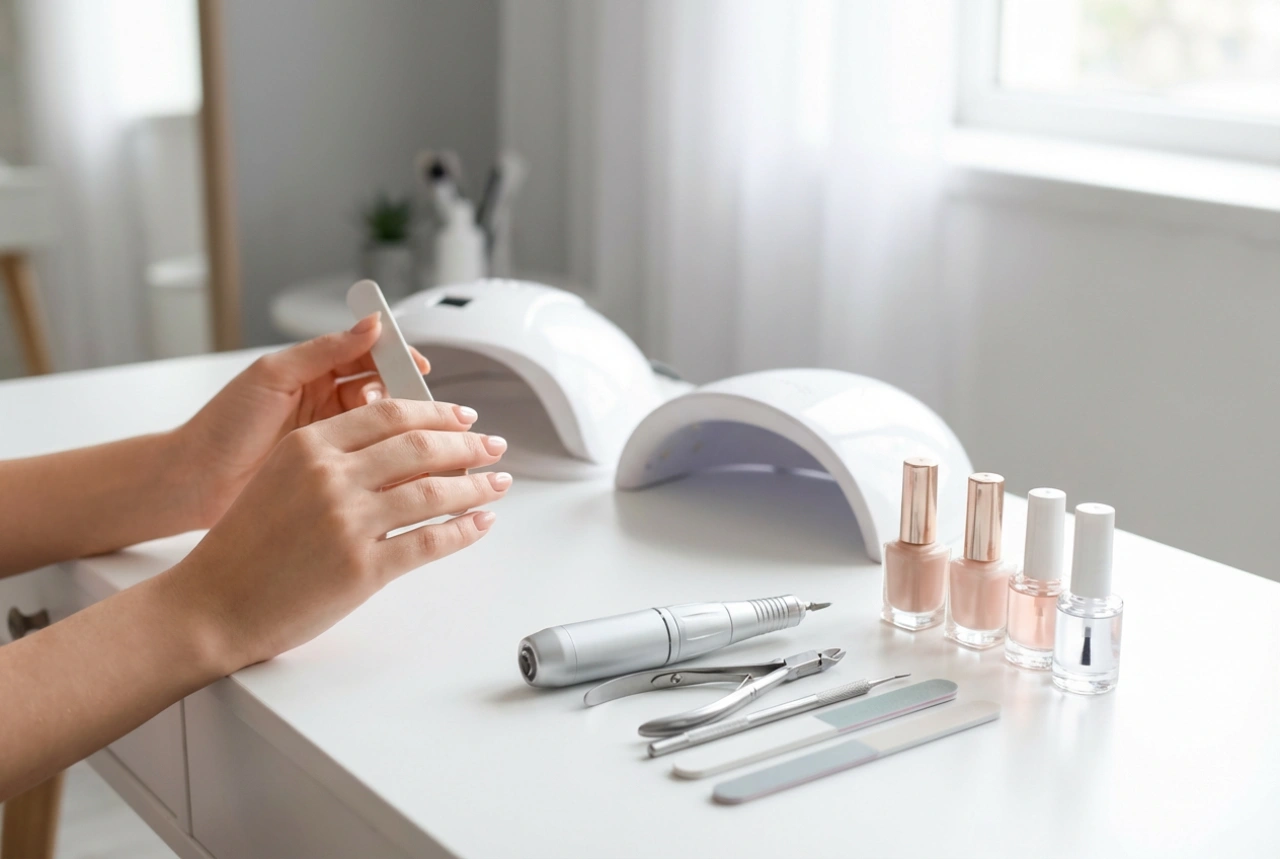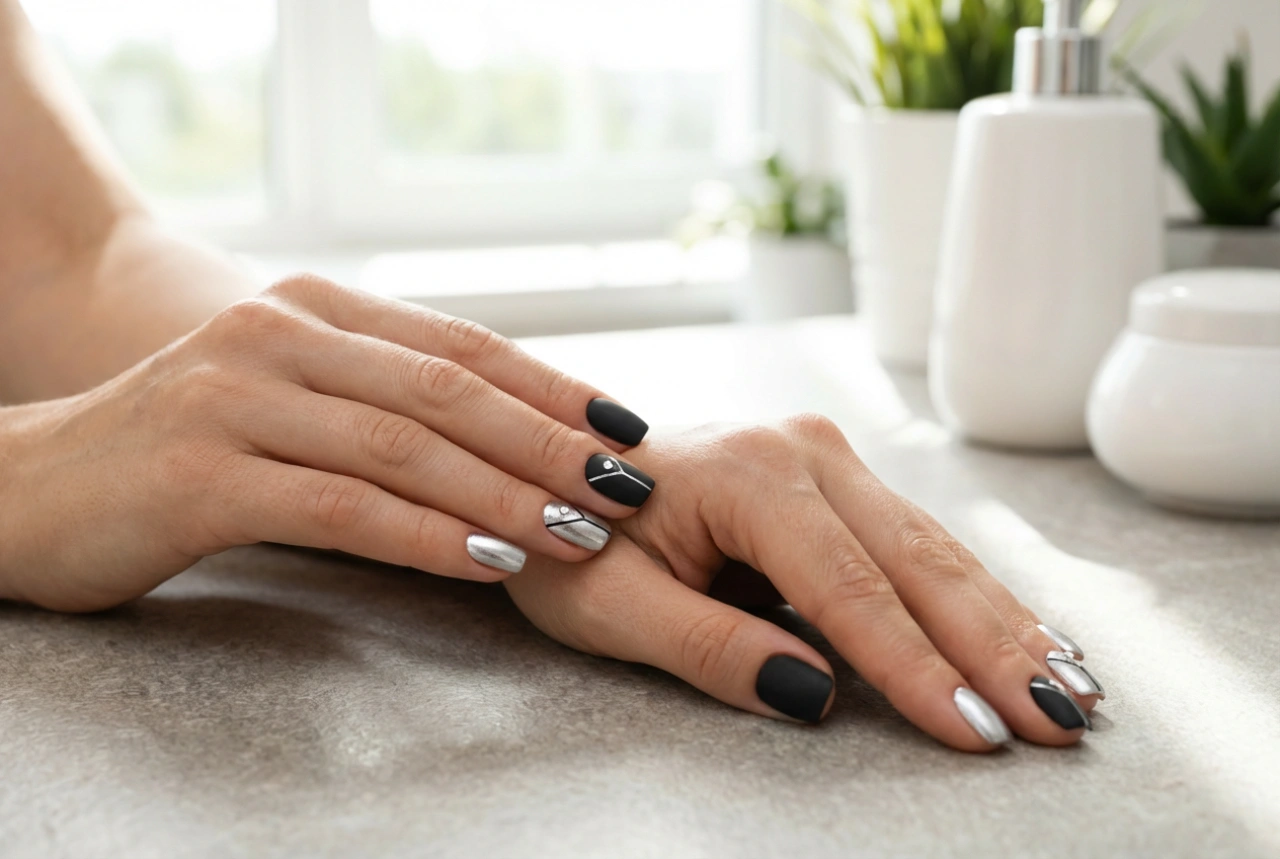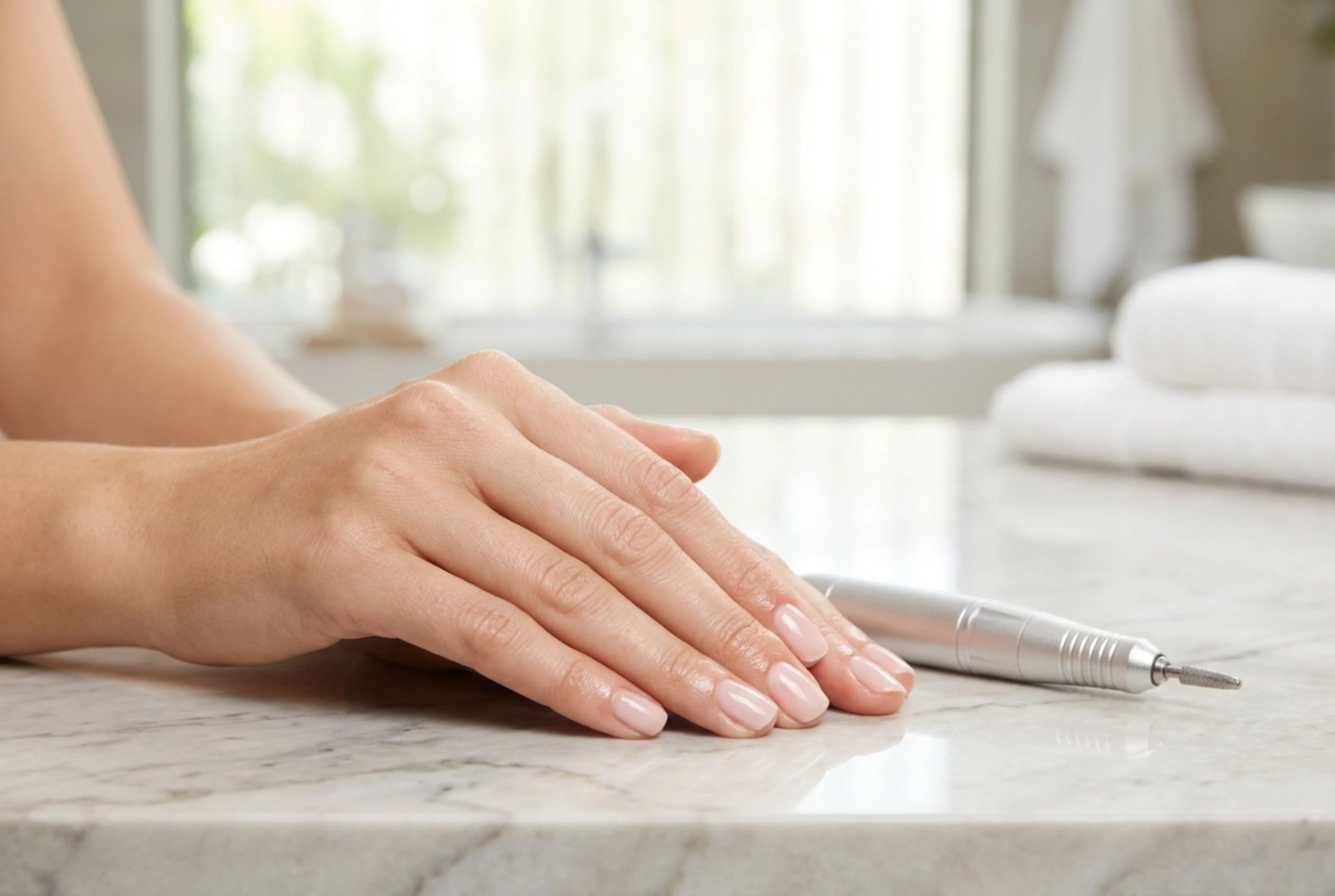


Elegant, well-groomed hands and impeccably styled nails are a true symbol of modern self-care. To achieve a professional finish at home, many beauty enthusiasts turn to the electric nail file, also known as a nail drill. This versatile tool can significantly speed up the manicure process, helping to refine nail shape, remove dead skin, and prepare the nail plate. However, using an electric nail file requires a clear understanding of the different drill bits, rotation speeds, and precise movement techniques to ensure a safe, damage-free, and beautiful result.
Understanding Electric Nail File Bits
The key to a successful and safe manicure lies in choosing the correct drill bit, as each shape and material is designed for a specific task. Using the wrong bit can lead to thinning of the natural nail plate or irritation of the surrounding skin.
Diamond Bits
Diamond bits are highly popular for detailed work around the cuticle area. They feature a fine, abrasive coating that gently removes dry, dead skin without damaging the living tissue. The flame-shaped diamond bit is particularly useful for lifting the cuticles and clearing the lateral nail folds, while the ball-shaped bit is ideal for smoothing away loose, dry skin edges.
Ceramic and Carbide Bits
These bits are much stronger and are primarily used for removing gel, acrylic, or thick base coats. Ceramic bits generate less heat during rotation, making the process more comfortable for the user. It is crucial to remember that these coarser bits should never come into direct contact with the natural nail plate, as they can cause severe thinning and damage.
Polishing and Buffing Bits
Usually made of silicone, felt, or soft rubber, these bits are designed for the final stages of the manicure. They gently buff the nail surface and the surrounding skin, giving the cuticles a smooth, nourished, and healthy appearance. Applying a drop of cuticle oil before using a soft buffing bit can enhance the healthy shine of the hands.
Selecting the Right Rotation Speed
Operating an electric nail file requires careful control over the device's speed, measured in rotations per minute (RPM). Adjusting the speed according to the task is essential for safety and precision.
- Low Speeds (5,000 to 10,000 RPM): This range is ideal for delicate cuticle work and natural nail prep. Lower speeds give you maximum control, minimising the risk of friction heat or accidental cuts on the sensitive skin surrounding the nail.
- Medium Speeds (10,000 to 15,000 RPM): Best suited for shortening and shaping natural nails, as well as gently smoothing out minor surface unevenness. This level provides enough power without putting excessive pressure on the nail structure.
- High Speeds (Over 15,000 RPM): Generally reserved for removing hard overlays like gel or acrylic. High speeds should be approached with caution and are typically recommended for those who have practised the technique thoroughly, as any slip can quickly damage the underlying natural nail.
Essential Techniques for Safe Work
Mastering the physical movement of the handpiece is just as important as choosing the right speed. Proper hand positioning and movement direction ensure a smooth finish and protect the delicate nail matrix.
First, always secure a stable anchor point. Rest your hand and the hand holding the device on a flat, firm surface to prevent slipping. When working, the drill bit should always move in the opposite direction of its rotation; if the bit rotates clockwise, you should glide the tool from left to right. This prevents the bit from skipping off the nail plate and causing injury.
Keep the tool in constant motion. Never hold the rotating bit in one spot, even for a second, as the friction will quickly create a burning sensation and damage the nail. Use light, feather-like strokes, letting the speed of the machine do the work rather than applying physical pressure.
Caring for Your Tools and Hands
To maintain a high standard of hygiene and prolong the lifespan of your electric nail file, regular maintenance is essential. After every use, clean the drill bits with a dedicated brush to remove dust and debris. Sanitising the bits with a safe beauty disinfectant prevents the spread of bacteria. Additionally, always finish your manicure routine with a rich, moisturising hand cream and cuticle oil to soothe the skin and maintain that freshly groomed, elegant look.