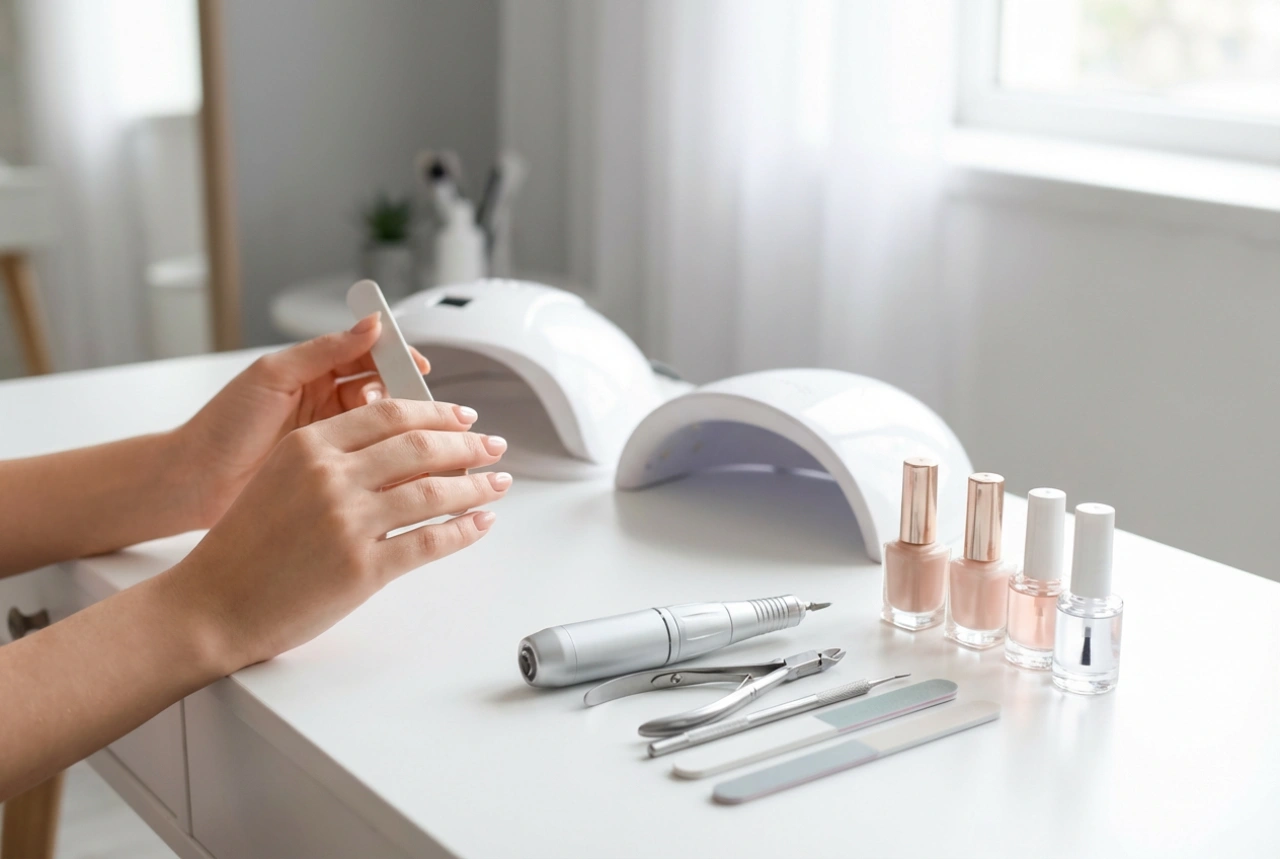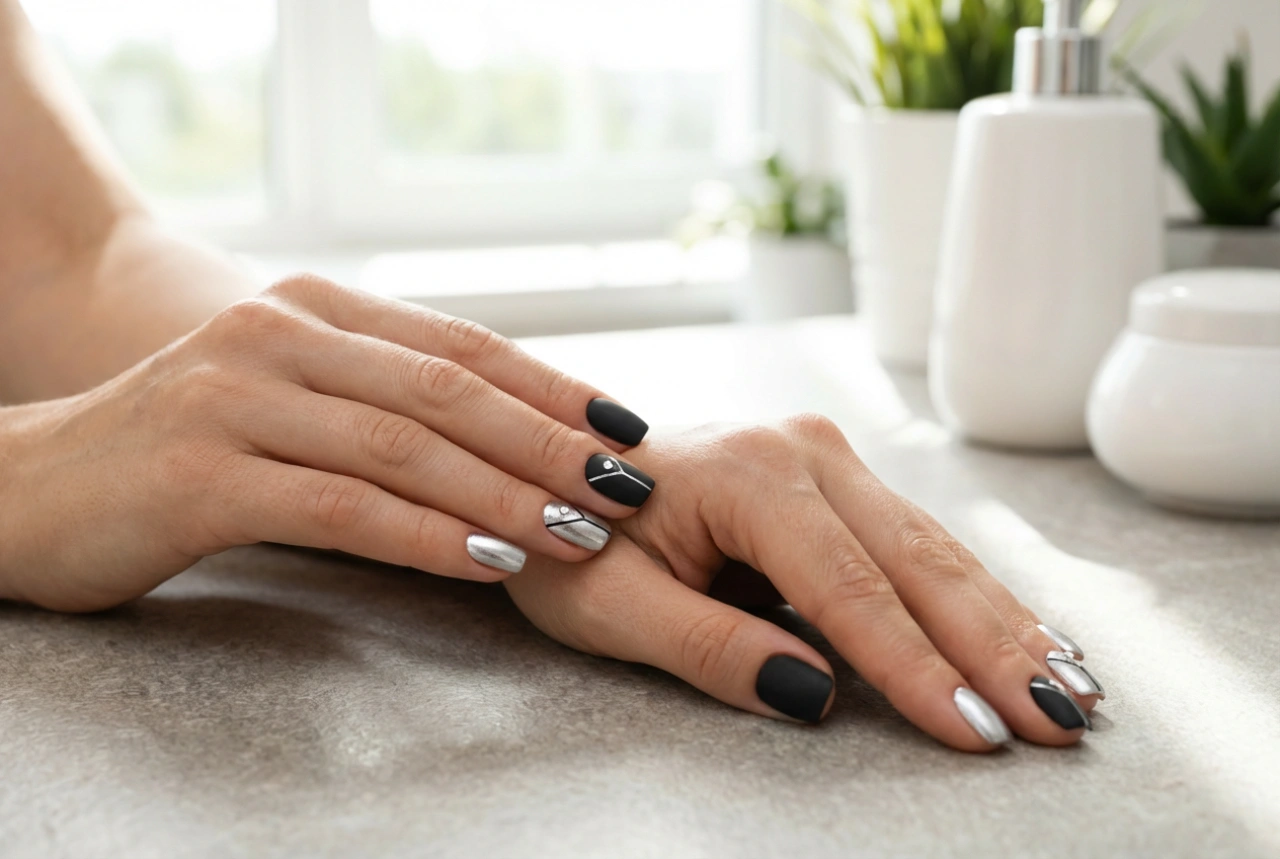


Achieving a refined, salon-worthy finish at home has become much more accessible with the introduction of modern, compact beauty tools. Among these, the mini electric nail file—often referred to as a mini nail drill—stands out as a highly efficient instrument for contemporary personal care. Designed to fit seamlessly into any minimalist grooming collection, these sleek and lightweight devices offer a precise, effortless way to maintain beautiful hands and feet. By integrating professional-style precision bits with user-friendly ergonomics, they allow beauty enthusiasts to groom, shape, and refine their nails with ease. However, to get the absolute best out of these compact devices, it is essential to understand how they function, what they can realistically achieve, and the safety protocols required to protect the natural nail plate.
The Key Benefits of Mini Electric Nail Files
The growing popularity of mini electric nail files is largely driven by their convenience and adaptability. Unlike their bulky, professional-grade counterparts found in commercial salons, mini drills are designed with the domestic user in mind. Their compact, pen-like design makes them incredibly easy to manoeuvre, allowing for precise control even when working with your non-dominant hand. This lightweight construction reduces hand fatigue, making the entire grooming session more relaxed and enjoyable.
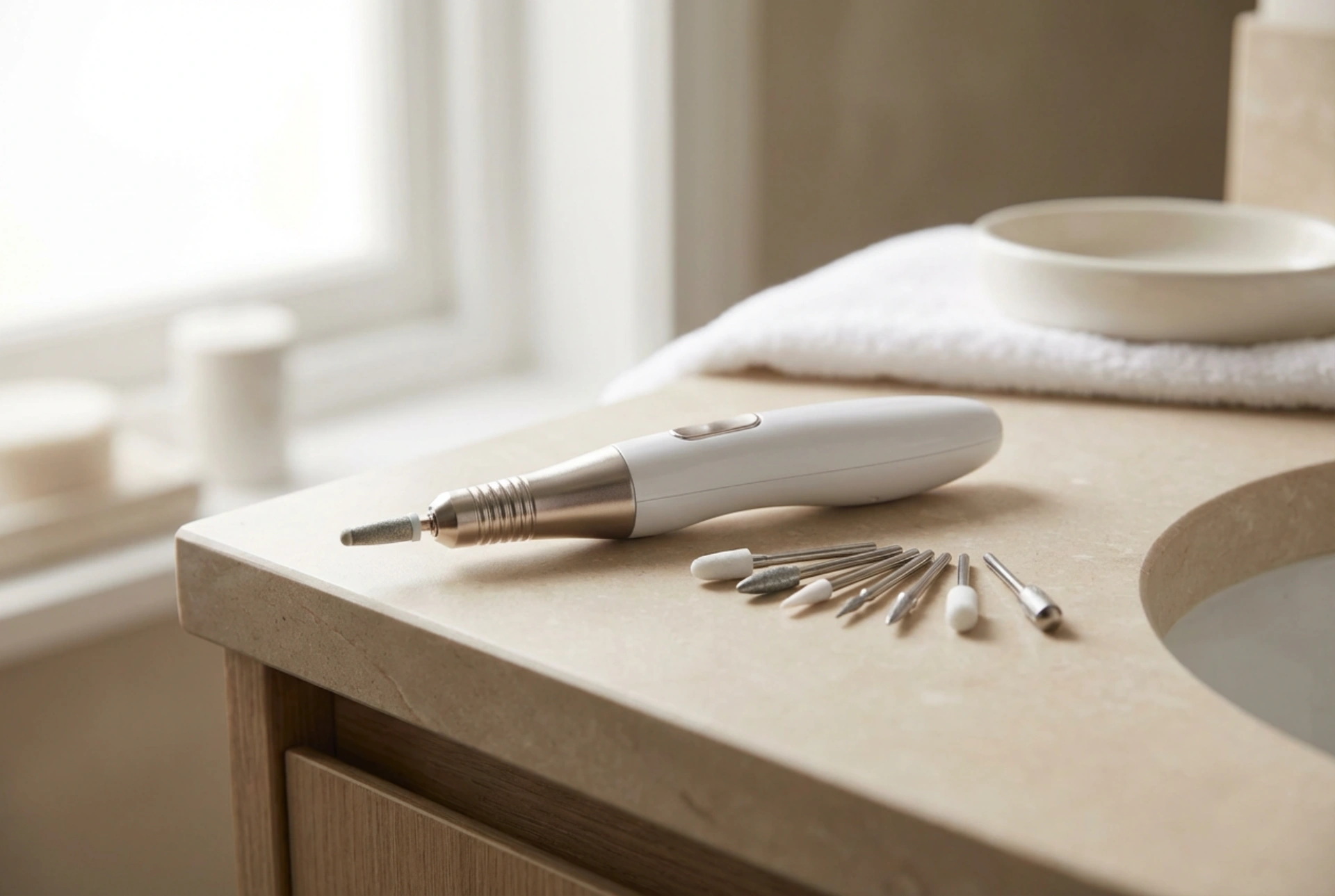
Another significant advantage is the versatility provided by interchangeable precision bits. Most entry-level kits come with a variety of attachments, such as fine-grit diamond carvers, cylinder polishers, and soft buffers. These attachments allow you to address several manicure tasks with a single tool, including:
- Gentle shaping: Quickly shortening and smoothing natural nails without the repetitive friction of manual boards.
- Cuticle refinement: Gently lifting and clearing dry, overgrown non-living tissue from the nail plate for a clean, elongated look.
- Smoothing the nail surface: Removing ridges and prep-buffing before applying classic or gel polishes to ensure better adhesion.
- Precise edge work: Reaching tricky lateral folds and corners that traditional hand files can struggle to access cleanly.
Additionally, these devices usually operate via USB power or rechargeable batteries, making them highly portable. This makes them ideal for travel or quick touch-ups on the go, ensuring your nails always look meticulously maintained.
Limitations of Compact Grooming Devices
While mini nail drills are exceptionally handy, users must recognize their limitations to avoid disappointment or damage to the device. The most prominent limitation lies in the motor's power, measured in revolutions per minute (RPM) and torque. Professional salon machines often reach speeds up to 30,000 RPM with high torque, allowing them to glide through heavy acrylic extensions effortlessly. Mini electric files, on the other hand, typically operate at lower speeds, usually ranging between 5,000 and 15,000 RPM, and have lower torque.
This lower power output means that applying too much pressure can cause the motor to stall or slow down significantly. Consequently, mini devices are not suited for heavy-duty removals, such as stripping thick layers of acrylic or hard gel extensions. Attempting to use them for this purpose can strain the motor, causing the device to overheat and shortening its lifespan. Instead, they are best reserved for natural nail care, cuticle work, and the removal of lighter gel-polish coatings. Understanding these boundaries prevents unnecessary wear on the tool and ensures a much safer experience for your natural nails.
Correct Work Techniques for Safe At-Home Manicures
Working with an electric file requires a careful, methodical approach. Because the bit rotates at high speeds, improper technique can quickly thin the natural nail plate or cause friction burns. Following a few simple guidelines will keep your at-home routine both safe and highly effective:
- Keep the bit parallel: Always hold the tool so that the side of the bit lies flat and parallel to the nail plate. Tilting the tip downward can dig grooves into the nail, causing permanent damage that must grow out over several months.
- Maintain constant motion: Never let the spinning bit rest in one spot. Keep it moving in light, fluid strokes across the nail surface. Resting in one position concentrates friction, creating a hot sensation that can damage the delicate nail bed underneath.
- Work against the rotation: Pay attention to the direction your drill bit is spinning (clockwise or counter-clockwise). Always move the handpiece in the opposite direction of the rotation. This provides better resistance and prevents the bit from slipping or skittering across the nail.
- Use a feather-light touch: Let the speed of the motor do the work. You should never need to press the bit down onto the nail surface. If you feel the need to press hard, you likely need a different bit or a slightly higher speed setting.
Selecting the Right Precision Bits for the Job
The success of an electric manicure relies heavily on choosing the appropriate attachment for each task. The variety of shapes and materials can seem overwhelming, but they can be categorised into a few highly functional groups for safe home use:
- The Flame Bit: Characterised by its pointed shape, this is excellent for precision work around the cuticles. It allows you to gently clean the lateral folds and lift the proximal nail fold without touching the sensitive skin underneath.
- The Ball Bit: A tiny, spherical attachment designed specifically to gently exfoliate dry skin around the nail frame after the cuticles have been lifted.
- The Cylinder or Barrel Bit: Ideal for shortening the free edge of the nail and smoothing out surface irregularities. Its flat surface ensures even contact across the nail plate.
- Silicone Polishers: Soft, flexible attachments used at the very end of the manicure. They are perfect for buffing a natural shine into the nail plate and smoothing the surrounding skin.
For home beginners, fine-grit diamond or soft silicone bits are highly recommended. They are much more forgiving than coarse carbide bits, which should generally be avoided by novices due to their high cutting capacity.
Device Maintenance and Hygiene Protocols
To ensure the longevity of your mini electric nail file and keep your nails healthy, a simple maintenance routine is vital. Dust generated during filing can settle into the small crevices of the handpiece, potentially damaging the motor over time. After every session, gently wipe down the device with a soft, dry cloth and use a small brush to sweep away any accumulated dust from the chuck where the bits are inserted.
Furthermore, hygiene must never be overlooked. Even though the device is for personal use, the precision bits collect skin cells and fine nail dust. After each use, wash the metal and ceramic bits with warm soapy water and a firm brush to remove debris, then wipe them down with an appropriate sanitising solution. Allow them to dry completely before storing them back in their protective case. Keeping your tools clean ensures a precise performance every time and protects your overall skin and nail health.