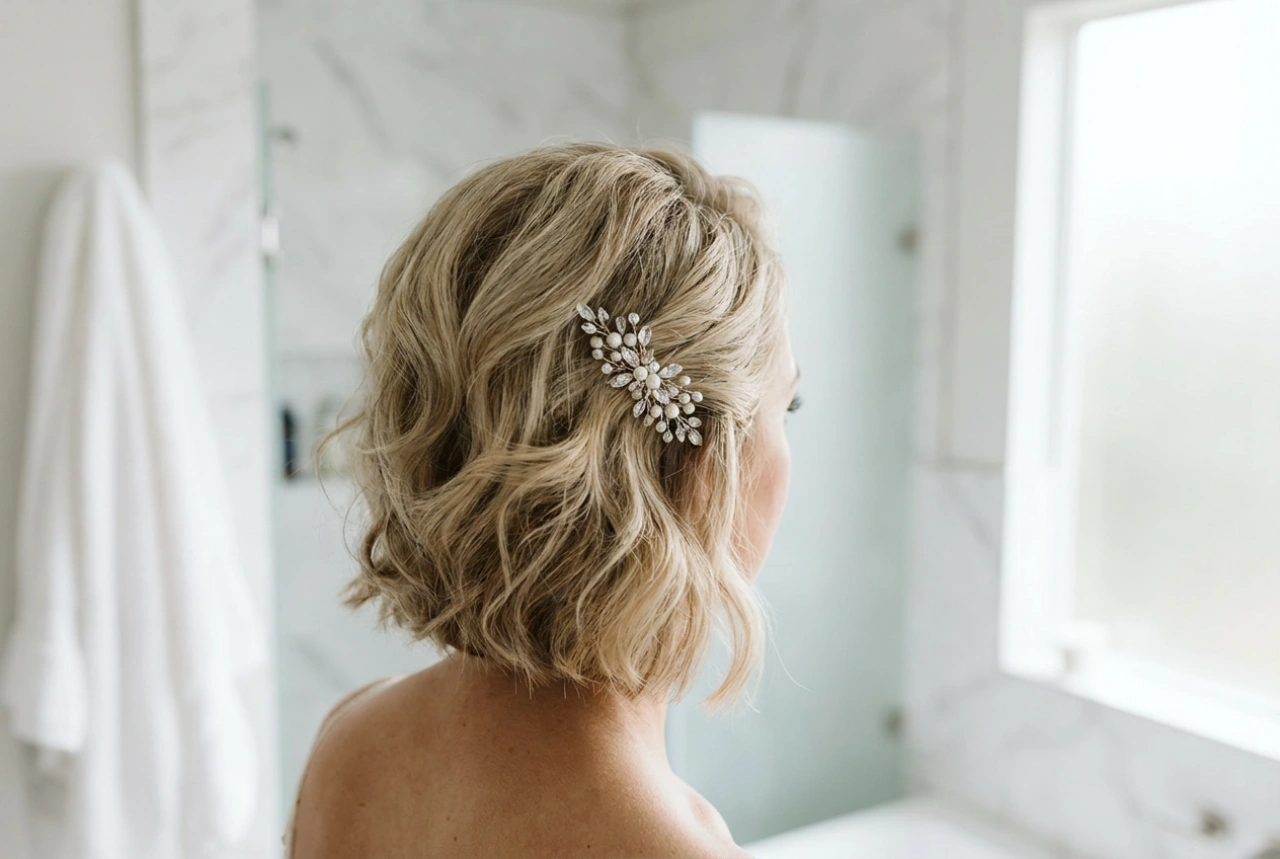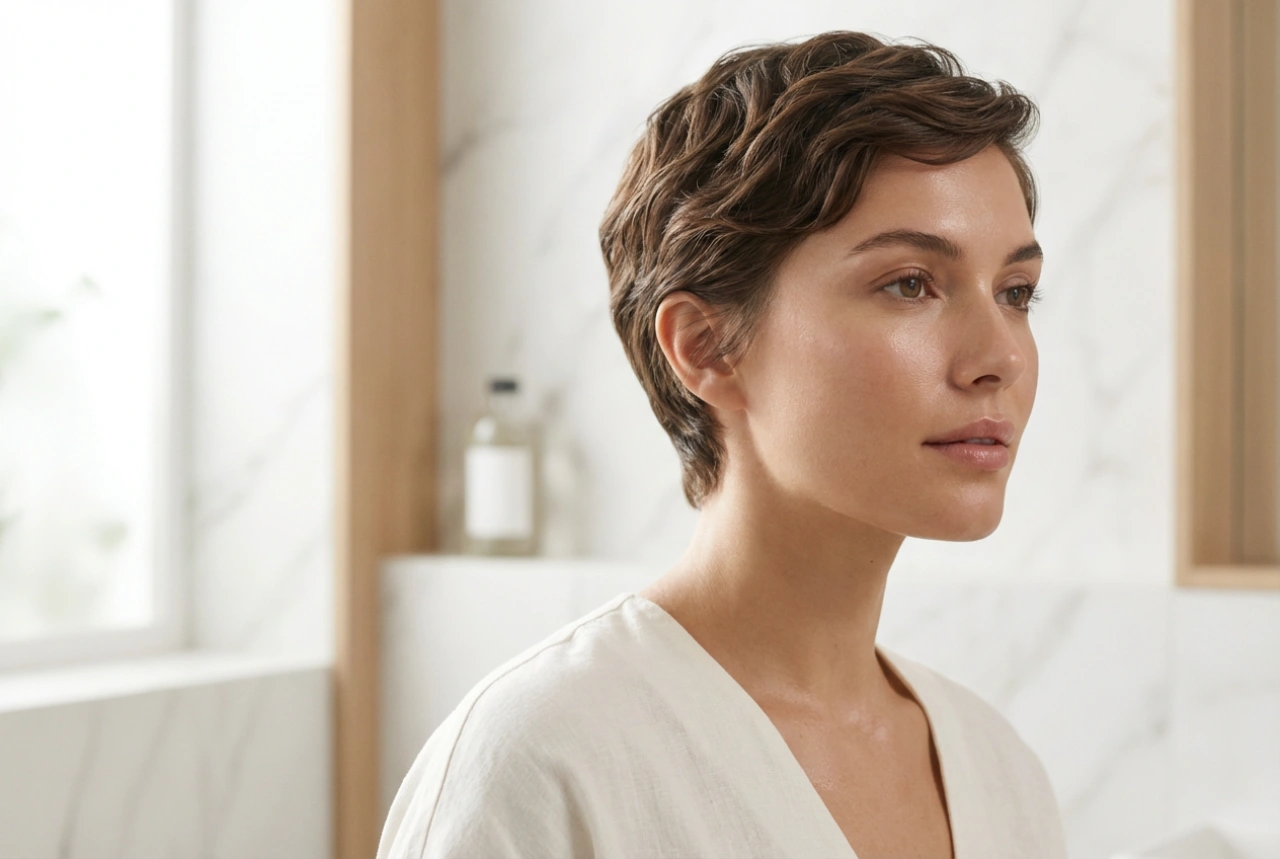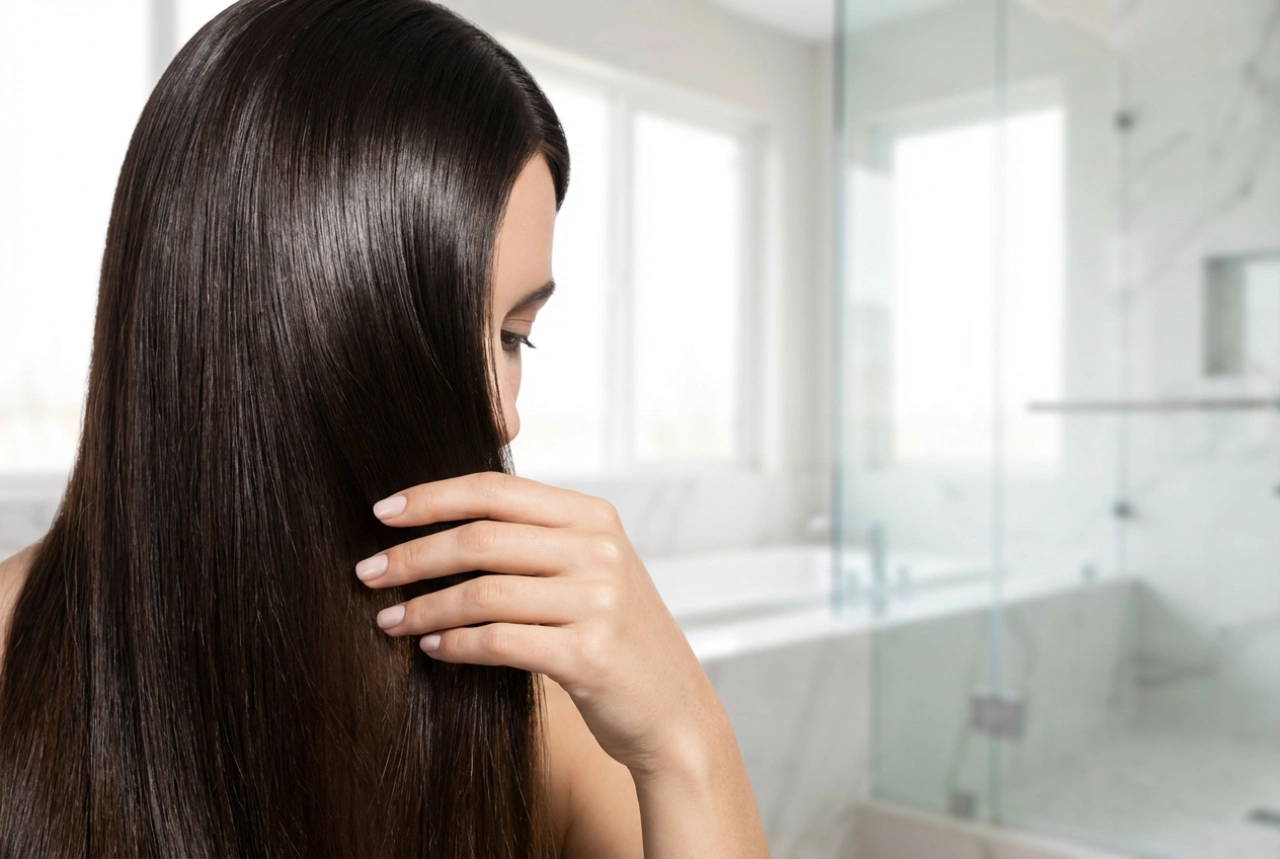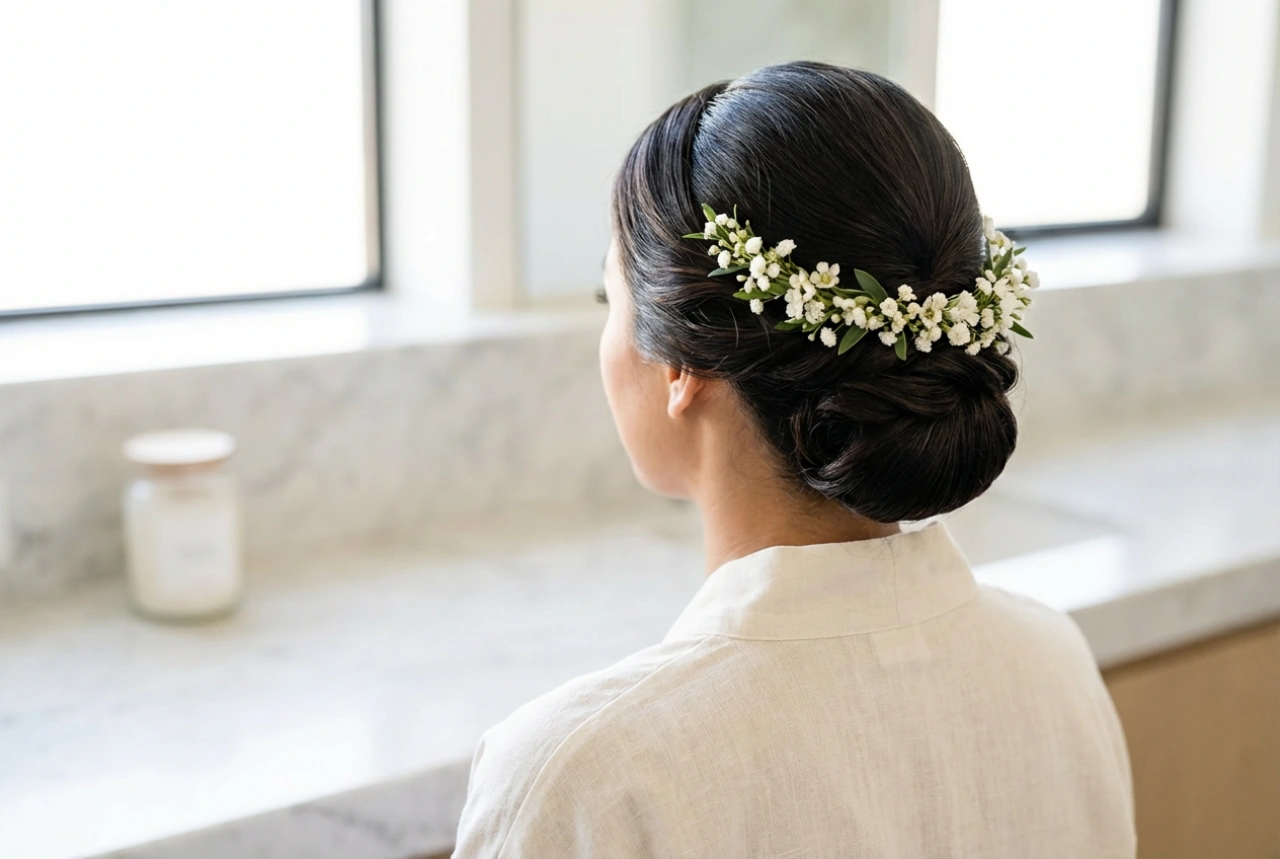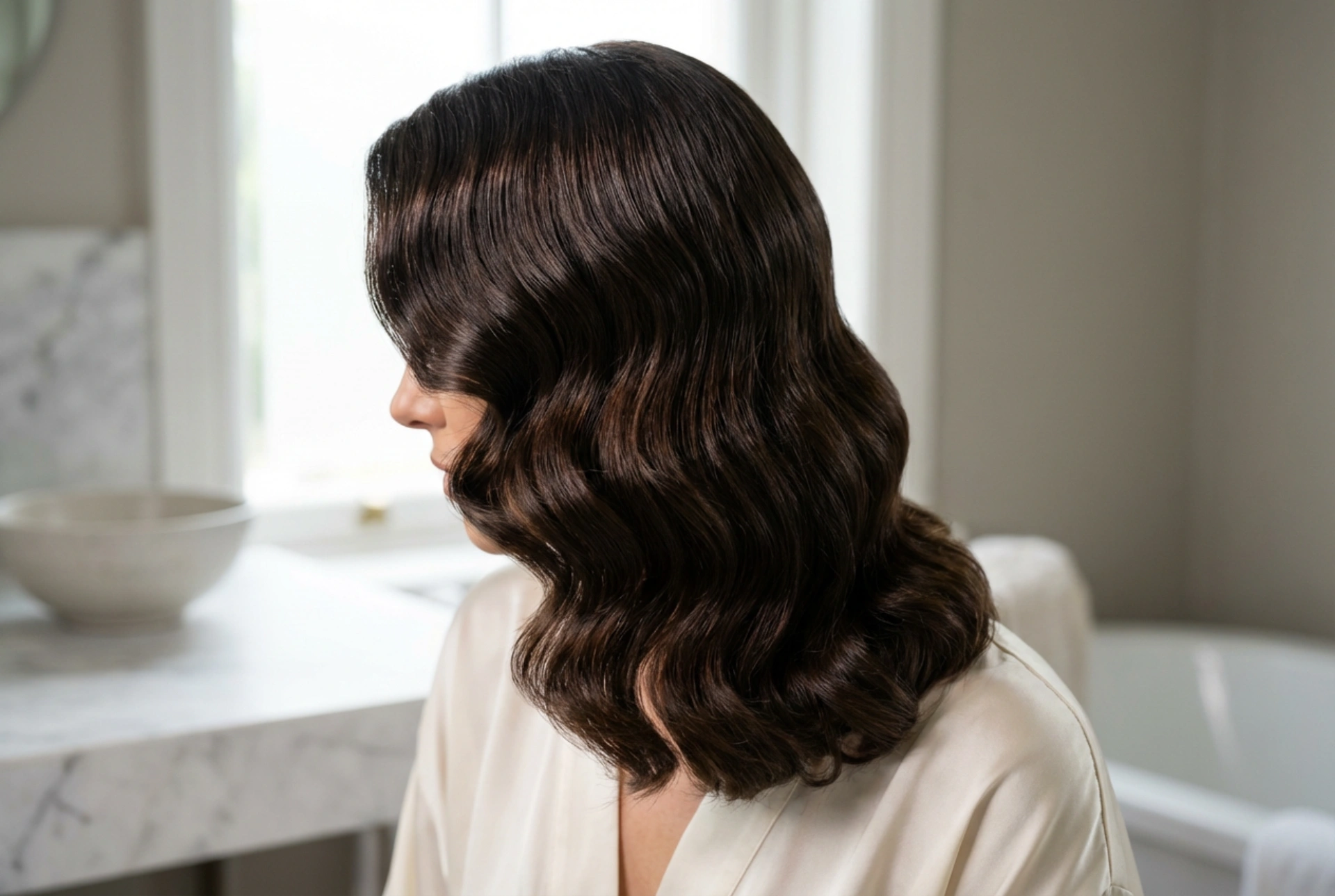


The sophistication of the 1930s continues to inspire modern beauty, bringing a sense of timeless elegance and structured grace to contemporary hair styling. One of the most iconic looks from this vintage era is the classic finger wave—a style characterised by its precise, fluid S-shape contours and an unmistakable, high-shine finish. When styled on lustrous, deep brunette hair, these elegant waves catch the light beautifully, highlighting the intricate pattern and silky texture of the hair. While this sophisticated aesthetic may appear complex, recreating this retro glamour at home is entirely achievable with patience, the right technique, and simple styling tools.
Preparing Your Hair for Retro Waves
Before beginning the styling process, proper preparation is essential to ensure the waves hold their shape and display a healthy, vibrant sheen. Unlike modern messy textures, 1930s hairstyles rely on structure and smoothness, which require a well-hydrated base. Start by washing your hair with a nourishing shampoo and a rich conditioner to smooth down the cuticles. This helps to eliminate frizz and creates a sleek surface that is much easier to mould.
Once washed, gently towel-dry your hair, leaving it damp but not soaking wet. Apply a generous amount of styling gel or a strong-hold setting lotion evenly from the roots to the ends. Traditional finger waves require a product that provides excellent hold and a wet-look finish without drying out too quickly during the styling process. Comb through the hair thoroughly with a fine-toothed comb to distribute the styling product evenly and to ensure there are no tangles.
Step-by-Step Guide to Creating Classic Finger Waves
The finger wave technique relies on the coordination between your fingers and a fine-toothed comb to sculpt the hair into defined ridges. Follow these detailed steps to master the classic pattern:
Step 1: Define Your Parting
Create a deep side parting using the tail of your comb. A deep parting is characteristic of 1930s styles and provides a dramatic slope for the waves to cascade across your forehead. Choose the side that naturally flatters your face shape.
Step 2: Shaping the First Ridge
Place the index finger of your non-dominant hand flat against your hair, parallel to the parting, about two inches down from the roots. With your other hand, use the fine-toothed comb to brush the hair forward towards your face. Next, keeping the comb in the hair, drag it slightly backward (away from your face) to create a subtle ridge right next to your index finger. Place your middle finger flat against this newly formed ridge to hold it securely in place.
Step 3: Defining the Wave
With the comb still in your hair, comb the remaining length downward. This motion creates the first curve of the S-shape. Now, move your index finger down to sit flat against this new curve, and repeat the process in the opposite direction to form the next ridge. Always use your fingers to pinch and hold the ridges as you comb the hair into place, ensuring the lines remain clean and sharp.
Step 4: Setting the Style
Continue this wave pattern down the side of your head until you reach the level of your ear. Secure each wave and ridge with flat, creaseless styling clips to keep them from shifting while the hair dries. If you have longer hair, you can pin the remaining ends into a neat, low faux bob or roll them into elegant curls at the nape of your neck.
Achieving the Signature Retro High-Shine Finish
The true magic of 1930s hairstyles lies in their incredible, reflective shine. To achieve a lustrous, silky texture that looks polished and healthy, you must ensure the hair cuticles are completely sealed. Once your waves are fully formed and clipped, you can allow them to air-dry naturally or use a hair dryer with a diffuser attachment on a low, cool setting. Avoid touching the waves while they dry to prevent frizz from developing.
After the hair is completely dry, carefully remove the styling clips. To enhance the natural shine, apply a few drops of a lightweight hair oil or a glossing serum onto your palms. Gently smooth your hands over the waves, pressing down lightly to tame any flyaway hairs. For a softer, more modern vintage look, you can use a wide-toothed comb to gently brush through the waves, turning them into soft, touchable ripples while still retaining their structured pattern.
Adapting Vintage Waves for Modern Occasions
Classic finger waves are incredibly versatile and can be adapted to suit various hair lengths and personal styles. For short hair, a full head of defined finger waves offers an authentic, high-glamour retro look that is perfect for formal evening events. If you have medium or long hair, you can opt to style only the front sections around your face into waves, leaving the rest of your hair in soft, brushed-out curls for a beautiful blend of vintage and contemporary styling.
Maintaining this hairstyle is simple if you protect it overnight. Wrap your hair in a silk or satin scarf before sleeping to reduce friction and keep the waves intact for the following day. With these steps, you can confidently bring the timeless beauty of 1930s glamour into your modern beauty routine, enjoying a sophisticated style that is sure to turn heads.