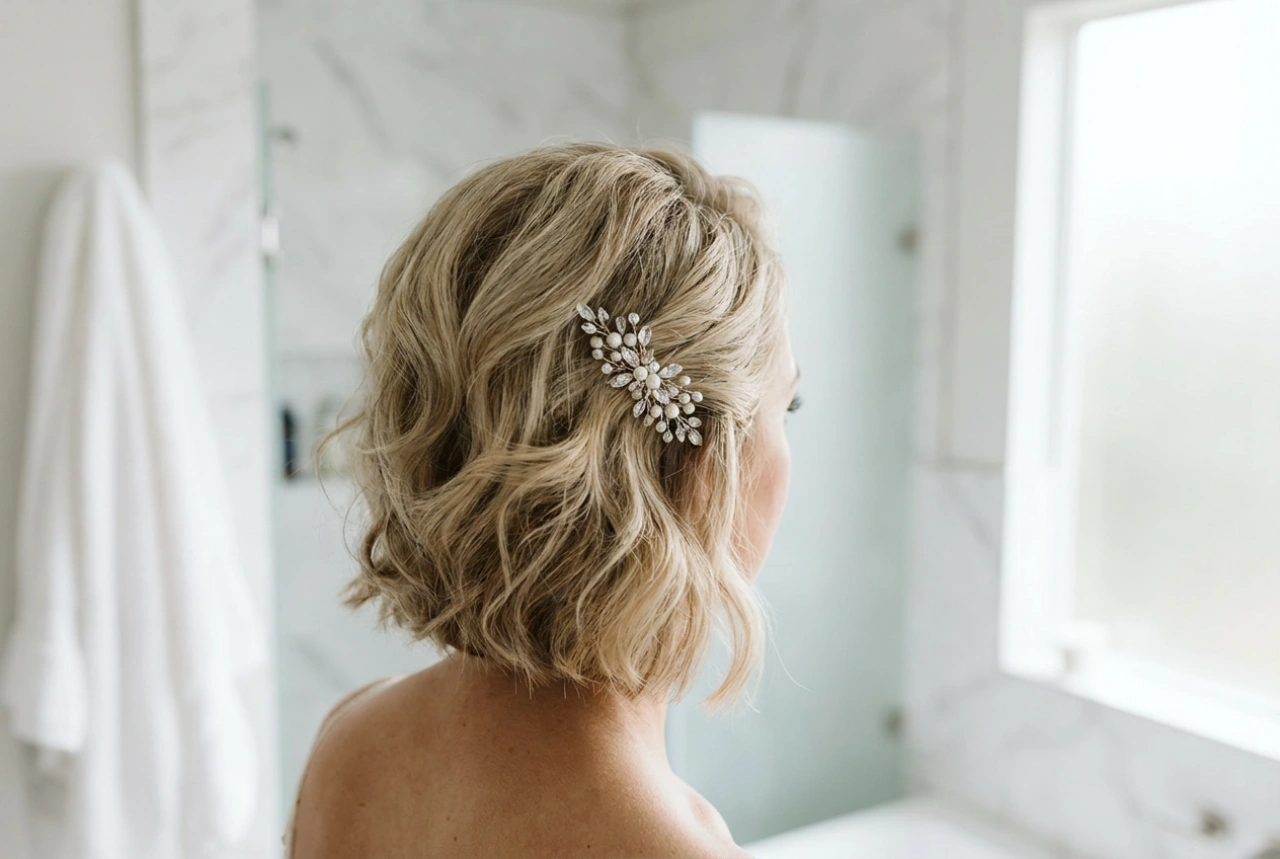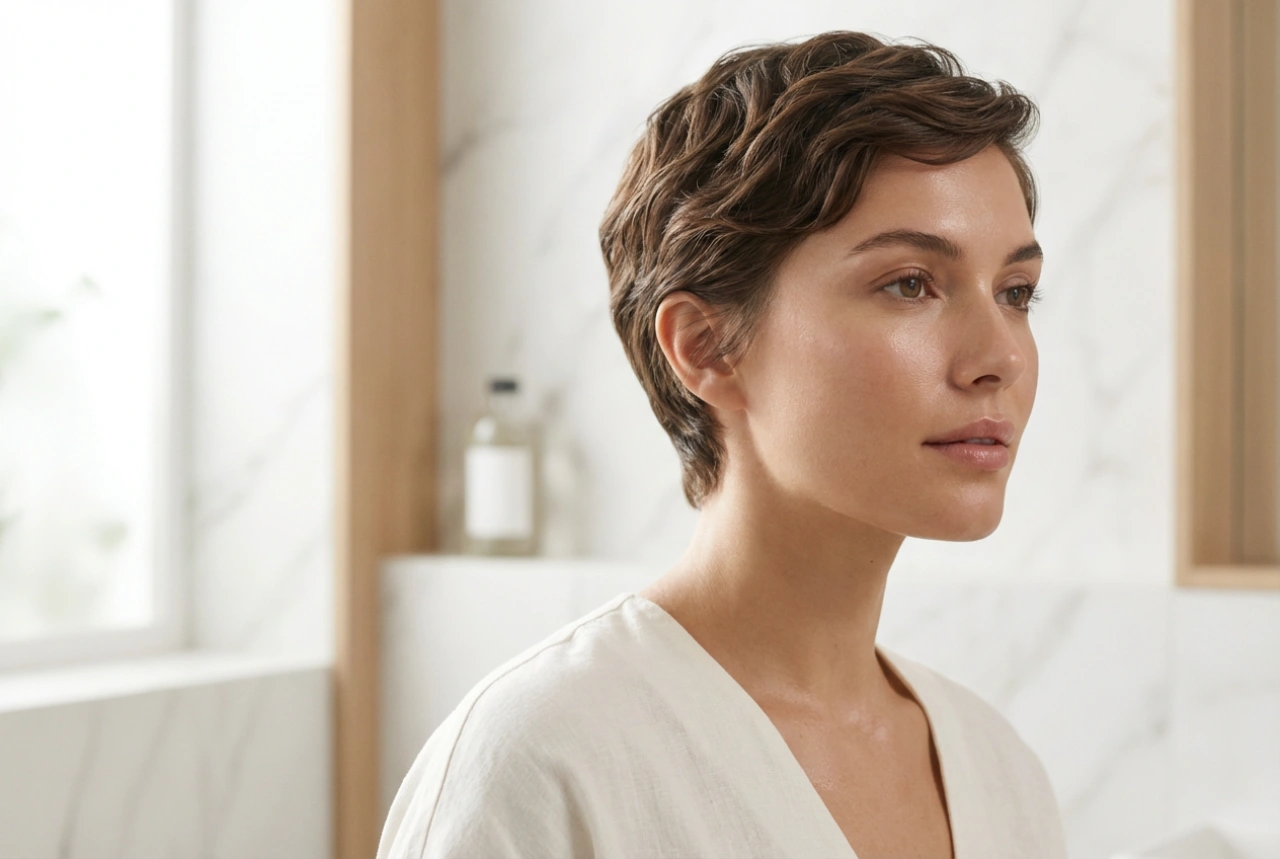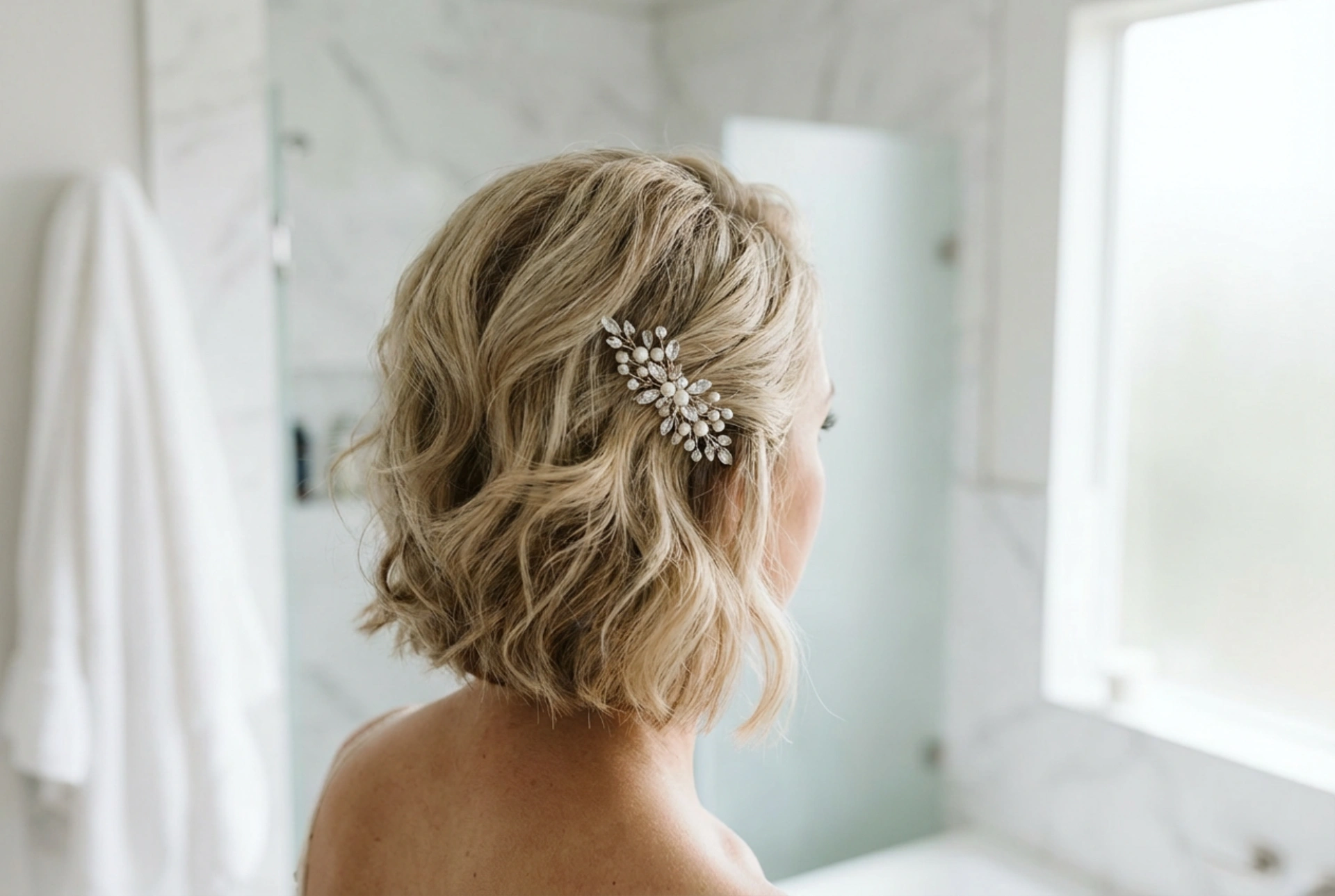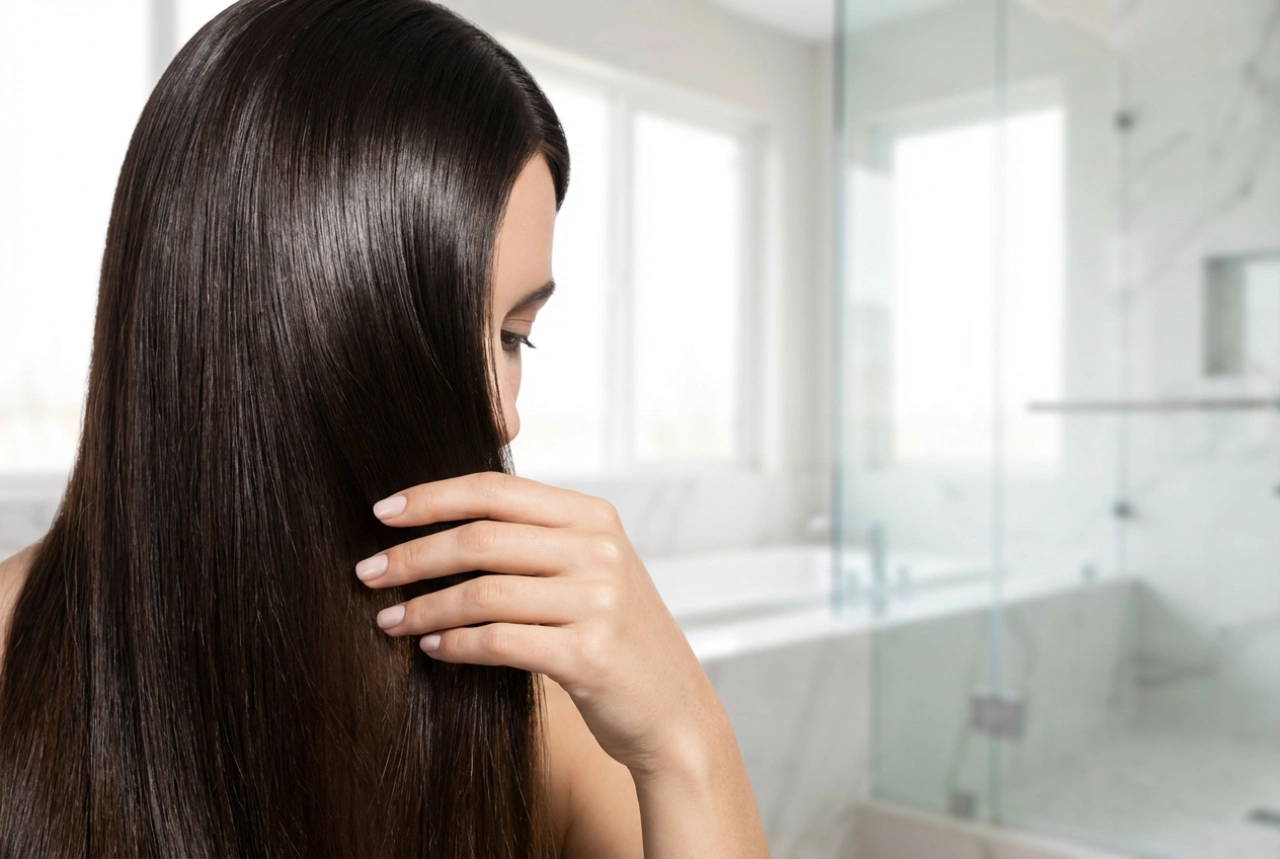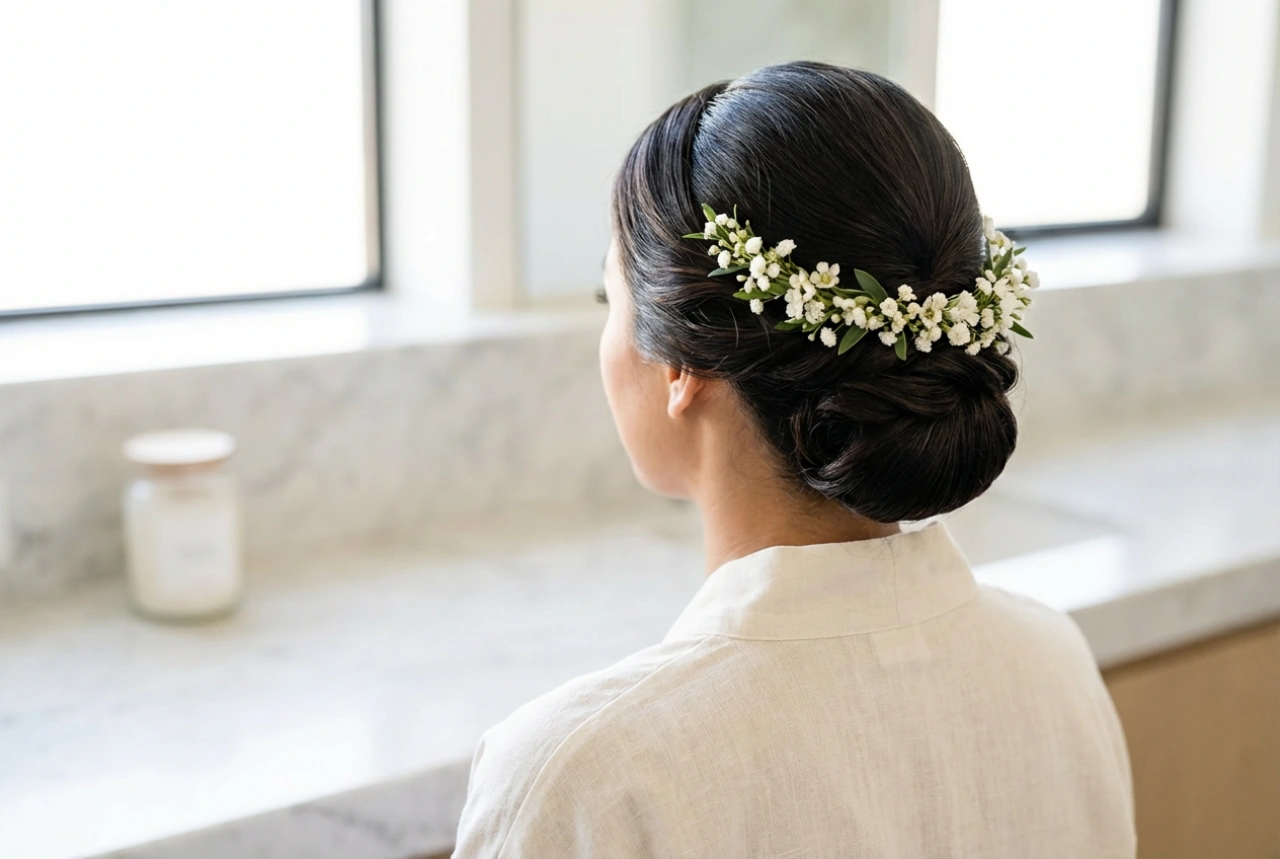


Creating beautiful, soft waves on short hair does not require high-temperature styling tools that can compromise the health of your delicate strands. As showcased by the natural elegance of healthy, short locks catching the light, gentle texture can be easily achieved at home. Avoiding heat helps to maintain the natural moisture balance, prevents dryness, and preserves the structural integrity of shorter haircuts, which often require frequent trims and styling. By embracing heatless techniques, you can enjoy a bouncy, modern look while keeping your hair incredibly shiny, soft, and vibrant.
Why Choose Heatless Methods for Short Hair?
Shorter haircuts, such as bobs, lobs, and pixie cuts, are particularly sensitive to heat damage. Because the hair is closer to the scalp and often styled more frequently to maintain its shape, daily use of curling irons or straighteners can lead to visible dryness and split ends. Heat-free styling offers an array of benefits that support long-term hair health:
- Moisture Preservation: High temperatures strip away the natural sebum produced by the scalp, leaving the hair cuticles raised and vulnerable. Heatless styling allows the hair to retain its natural hydration.
- Enhanced Structural Strength: Without the thermal stress that weakens keratin proteins, strands remain strong and less prone to breakage.
- Natural Volume and Movement: Heatless curls often have a softer, more organic bounce compared to the structured, sometimes stiff curls created by hot irons.
The Art of Classic Pin Curls
One of the most reliable traditional methods for curling short hair without heat is the pin curl technique. This method allows for precise control over the direction and size of each wave, making it perfect for lengths that might be too short for rollers or headbands.
Step-by-Step Pin Curling
To achieve soft, vintage-inspired waves using pin curls, follow these simple steps:
- Dampen the Hair: Start with slightly damp hair. You can apply a small amount of a lightweight styling foam or flaxseed gel to provide a gentle, natural hold.
- Section and Roll: Take a small section of hair (about two to three centimetres wide). Wrap the end around your finger, rolling it upwards towards the scalp to form a flat loop.
- Secure Flat: Slide the loop off your finger while keeping its circular shape. Secure it flat against your head using a smooth, non-creasing hair clip or a bobby pin.
- Allow to Dry: Let the hair dry completely naturally, or leave the clips in overnight while you sleep. Once dry, gently remove the pins and unravel the loops.
- Style Gently: Use your fingers or a wide-tooth wooden comb to gently break up the curls into soft, flowing waves.
The Headband and Twist Method for Soft Waves
If you prefer a more effortless, relaxed wave pattern, the headband method is highly effective for short to medium lengths. It requires minimal effort and works exceptionally well overnight.
To begin, place a soft, elasticated fabric headband around your head, positioning it over your hair like a crown. Starting from the front, take small sections of slightly damp hair and gently wrap them over and under the headband. Continue this process around your head, incorporating more hair as you go. For shorter layers at the back that might not reach the headband, you can simply twist them individually and secure them with small clips close to the scalp. In the morning, slide the headband out carefully to reveal gorgeous, natural-looking waves with effortless volume at the roots.
Preparing and Caring for Short Hair Before Styling
The success of any heatless styling technique relies heavily on how you prepare your hair. Well-hydrated hair holds shapes much better and resists frizz, creating a polished, professional finish without the need for salon interventions.
- Gentle Cleansing: Use a mild, sulphate-free shampoo to cleanse your scalp and hair without stripping away essential natural oils.
- Lightweight Conditioning: Apply a hydrating conditioner, focusing mainly on the mid-lengths and ends. Avoid heavy products that might weigh down short hair, as this can flatten the waves quickly.
- Microfibre Towel Drying: Instead of rubbing your hair with a traditional cotton towel, gently squeeze out excess water with a microfibre towel. This minimises friction, prevents frizz, and helps keep the hair cuticle smooth.
Tips for Long-Lasting Heatless Waves
Because heatless curls rely on the hair drying into shape rather than being thermally set, they can sometimes be more sensitive to humidity. To ensure your soft waves remain beautiful throughout the day, consider the following practical tips:
Firstly, protect your hair while sleeping by using a silk or satin pillowcase. This reduces friction, which can cause the waves to frizz or lose their definition overnight. Secondly, avoid touching or combing your curls immediately after releasing them; let them settle for a few minutes first. If your hair is naturally very straight or fine, applying a tiny amount of natural styling gel or lightweight oil to the damp strands before wrapping will provide the necessary grip to keep the waves intact for longer.