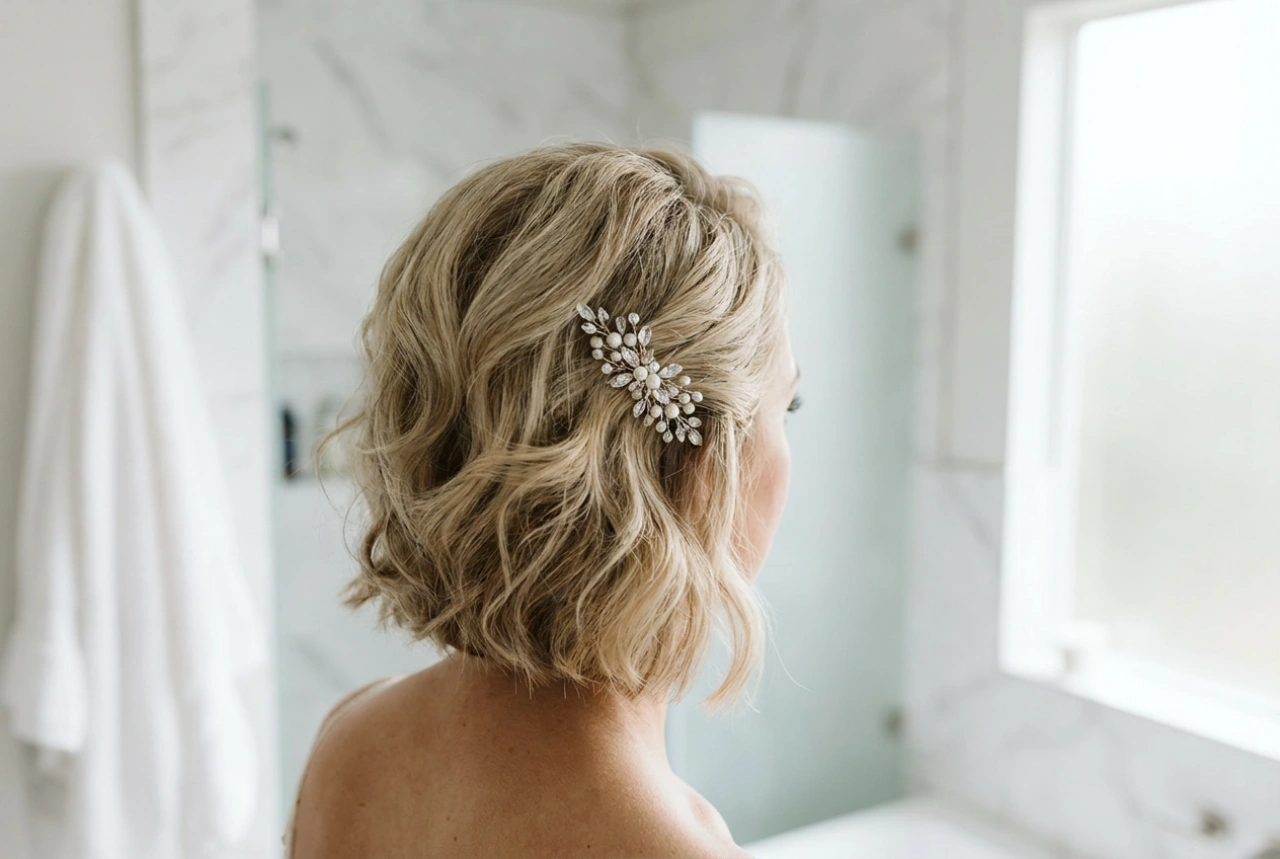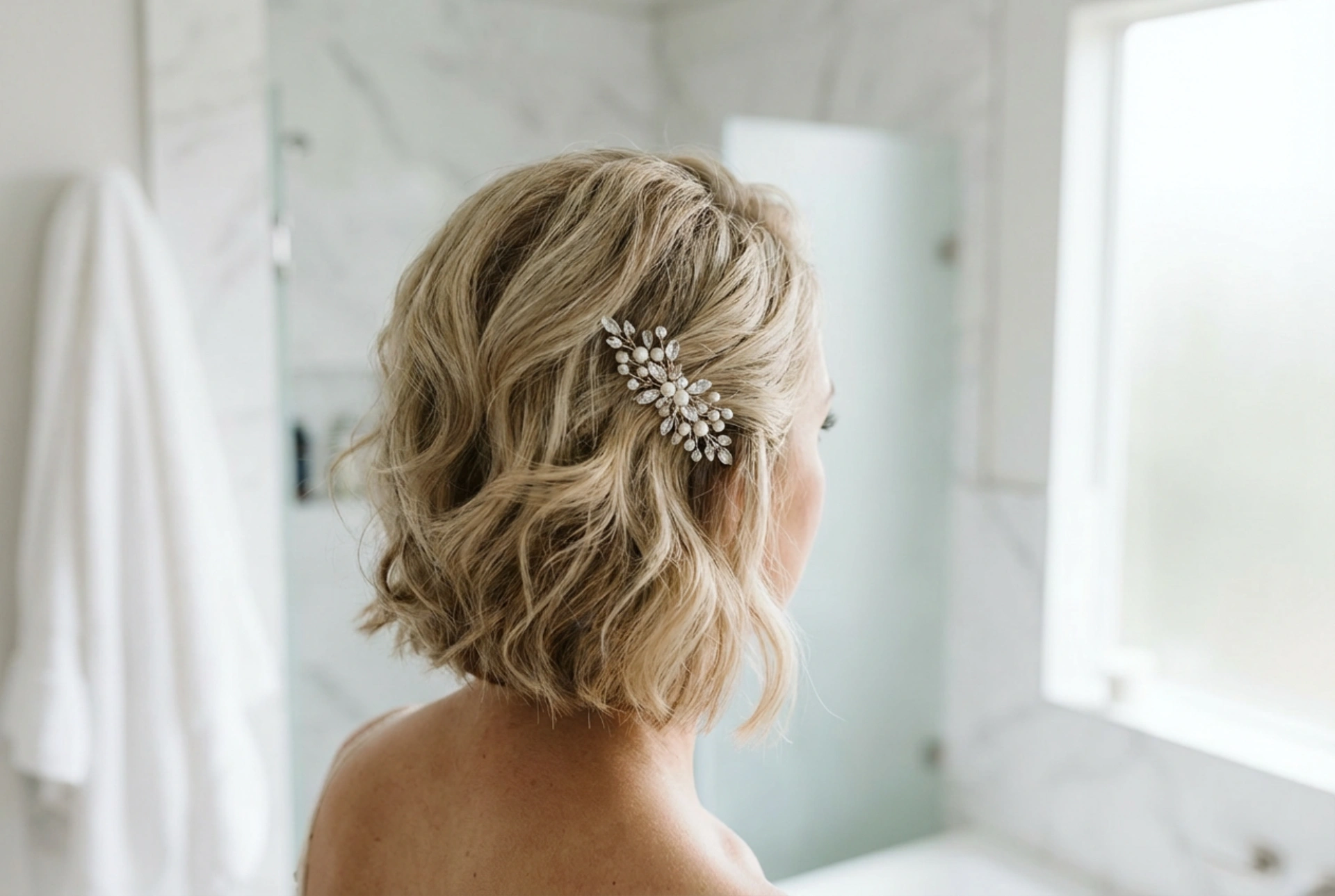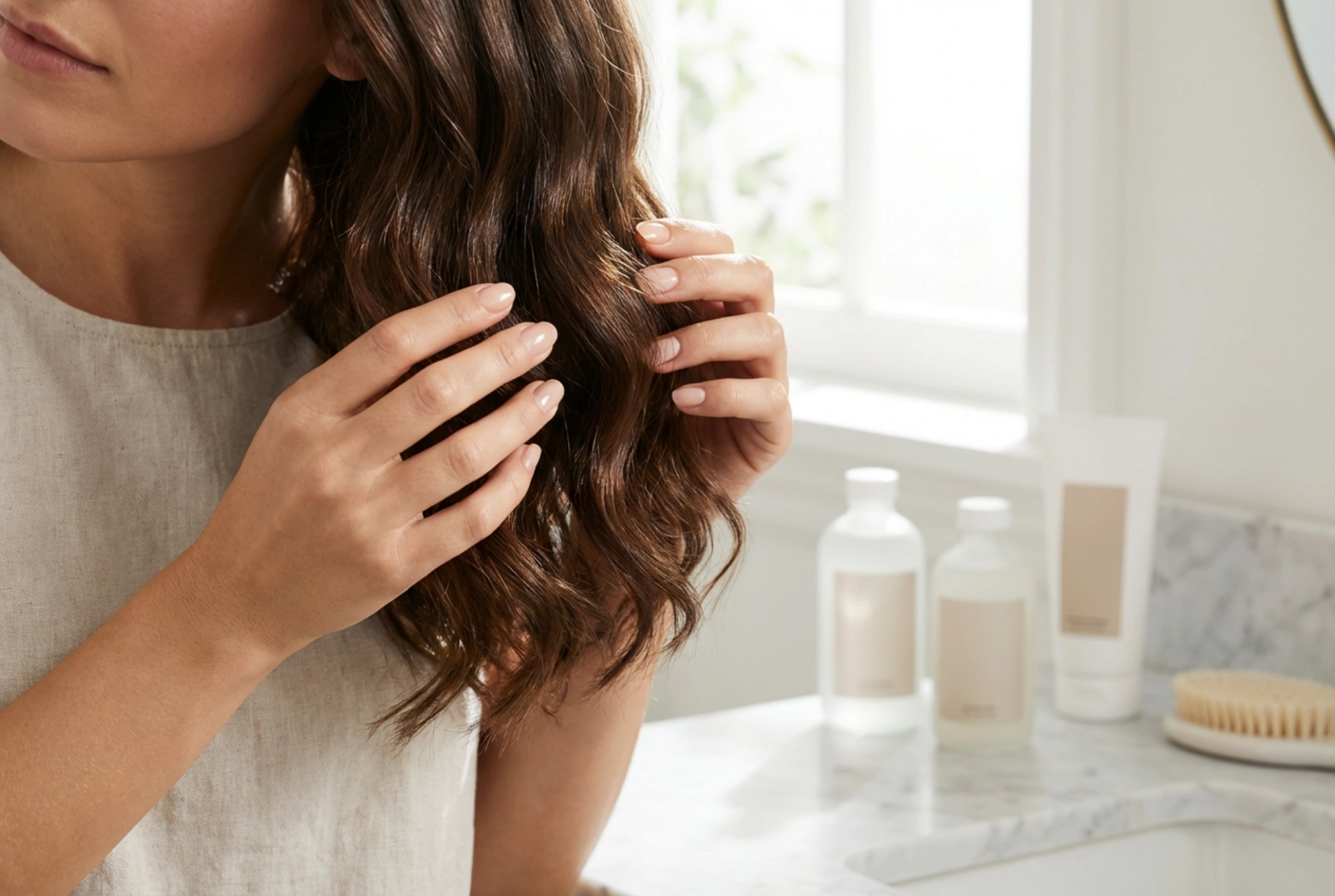


Natural waves possess a unique charm, beautifully balancing the volume of curly hair with the smooth flow of straight strands. Achieving a perfectly defined, frizz-free look, however, is an art that requires a mindful care and styling routine. When handled with gentle care—such as softly scrunching the damp lengths to encourage their natural pattern—wavy locks can transform into glossy, vibrant waves that catch the light beautifully. To bring out the best in your hair, it is essential to understand its specific needs, from hydration to the styling techniques that keep frizz at bay.
Understanding the Nature of Wavy Hair
Wavy hair, often classified as type 2 hair, is characterised by its signature S-shaped pattern. Unlike tight coils, waves can sometimes be easily weighed down by heavy products, causing them to lose their bounce and appear flat near the roots. On the other hand, because the hair cuticles are slightly raised along the curves of each wave, moisture can escape easily, leading to dryness and frizz, especially in humid conditions.
The secret to managing wavy hair lies in finding the perfect balance between hydration and lightweight hold. Heavy oils and thick butters might work well for coily hair, but they can stretch out waves. Instead, wavy patterns thrive on lightweight, water-based moisture and gentle styling aids that define the shape without making the hair stiff or greasy.
How to Define Your Waves: A Step-by-Step Styling Guide
To enhance your natural waves and keep them looking defined throughout the day, the way you apply styling products and dry your hair is just as important as the products themselves. Following a structured routine can make a significant difference in how your waves form and hold.
The Gentle Scrunching Method
Scrunching is one of the most effective techniques for encouraging natural wave formation. After washing your hair and applying a lightweight leave-in conditioner or wave-defining cream to soaking wet hair, tilt your head forward or to the side. Place your hands under the ends of your hair and gently cup and squeeze the strands upward toward your scalp. This motion helps the hair clump together into defined, bouncy waves rather than separating into frizzy, individual strands.
The Art of Plopping
Plopping is a popular, heat-free technique that helps absorb excess water while keeping your wave pattern intact. To try this, lay a soft microfiber towel or a clean cotton t-shirt flat on a surface. Bend over, letting your wet, styled waves gently pile onto the center of the fabric. Wrap the sides of the fabric around your head and tie them securely. Leave it on for 15 to 20 minutes before air-drying or diffusing. This removes excess moisture without creating friction, which is a major cause of frizz.
Drying Options for Maximum Bounce
While air-drying is the gentlest method for wavy hair, using a blow dryer with a diffuser attachment can add incredible volume and definition. When using a diffuser, select a low heat and low speed setting. Tilt your head and place sections of your hair into the bowl of the diffuser, moving it gently toward your scalp. Avoid moving the diffuser constantly or touching your hair with your fingers while it dries, as this can disrupt the wave pattern and create unwanted frizz.
Effective Ways to Tame Frizz and Maintain Shine
Frizz occurs when dry hair absorbs moisture from the air, causing the hair shaft to swell and lose its smooth texture. Taming frizz requires keeping the hair cuticle hydrated and protected from friction.
- Use a microfiber towel: Traditional terry cloth towels have rough fibers that can snag hair cuticles and disrupt the wave pattern. Swapping to a smooth microfiber towel or a cotton shirt helps keep the hair shaft flat.
- Protect your hair while sleeping: Sleeping on a cotton pillowcase can cause friction and absorb moisture from your hair. Switching to a silk or satin pillowcase, or wrapping your hair in a silk scarf, allows your waves to glide smoothly over the surface as you move.
- Avoid touching your hair: Once your styling products are applied and your hair is drying, try to keep your hands away. Touching wet or damp waves breaks the product cast and leads to instant frizz.
- Deep conditioning: Incorporating a lightweight, hydrating hair mask once a week can help maintain optimal moisture levels, making your waves naturally smoother and more resilient against humidity.
Simple and Elegant Hairstyles for Wavy Hair
Wavy hair is incredibly versatile and lends itself beautifully to a variety of effortless styles that celebrate its natural texture.
The Half-Up, Half-Down Look
This classic style keeps hair away from your face while showcasing your natural waves. Gather the top section of your hair, from above the ears, and secure it loosely at the back of your head with a silk scrunchie or a delicate clip. Leave the lower section free to cascade over your shoulders. This look is perfect for both casual days and special occasions.
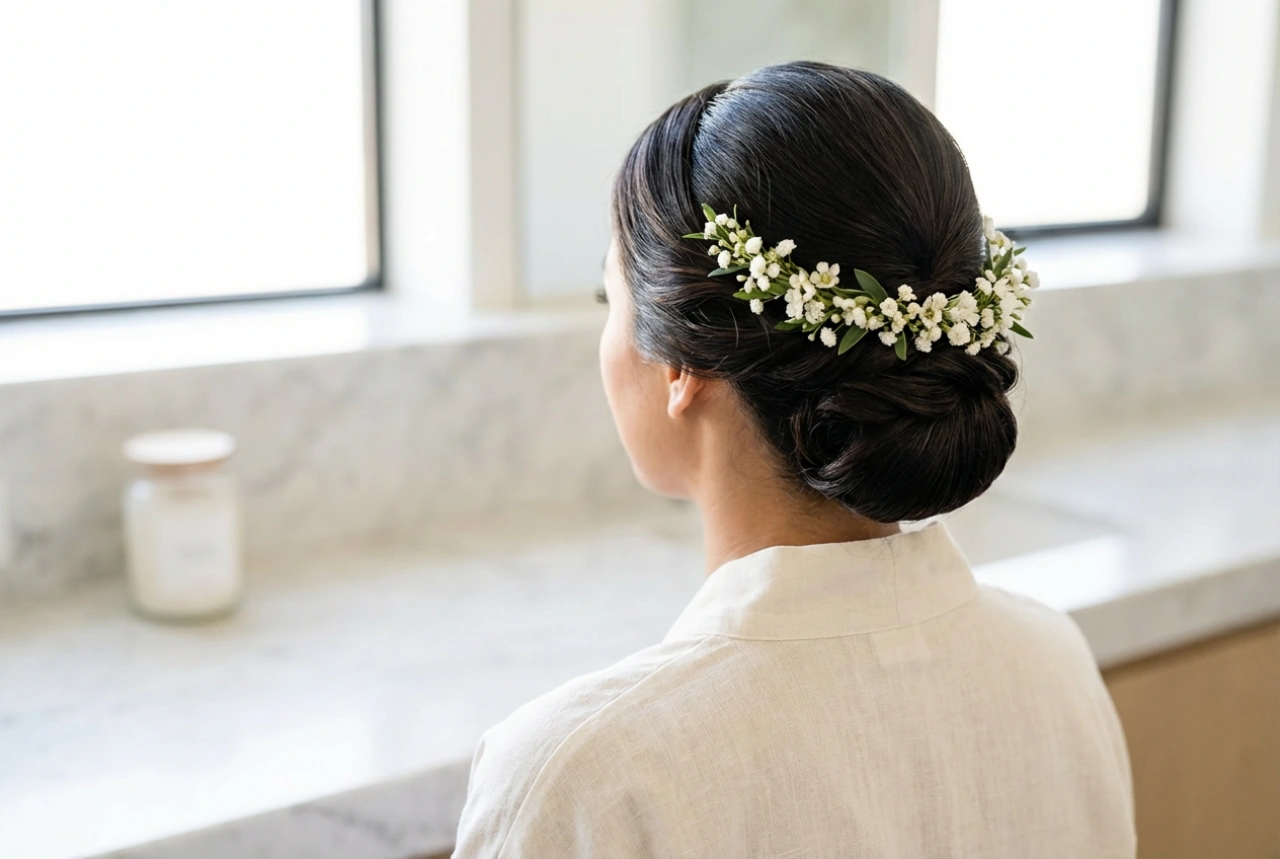
The Soft, Low Bun
A low, loose bun is an elegant way to style wavy hair on warmer days or when you want a polished appearance. Gather your hair at the nape of your neck and twist it gently into a loose bun, securing it with pins or a soft hair tie. To keep the look soft and romantic, pull out a few face-framing wavy tendrils around your ears and temples.
The Side-Swept Wave
For an asymmetrical, glamorous look, create a deep side parting and sweep all your hair over one shoulder. Secure the hair at the back of your neck with a few hidden bobby pins to keep the waves in place. This style emphasizes the volume and movement of your waves, creating an elegant silhouette.