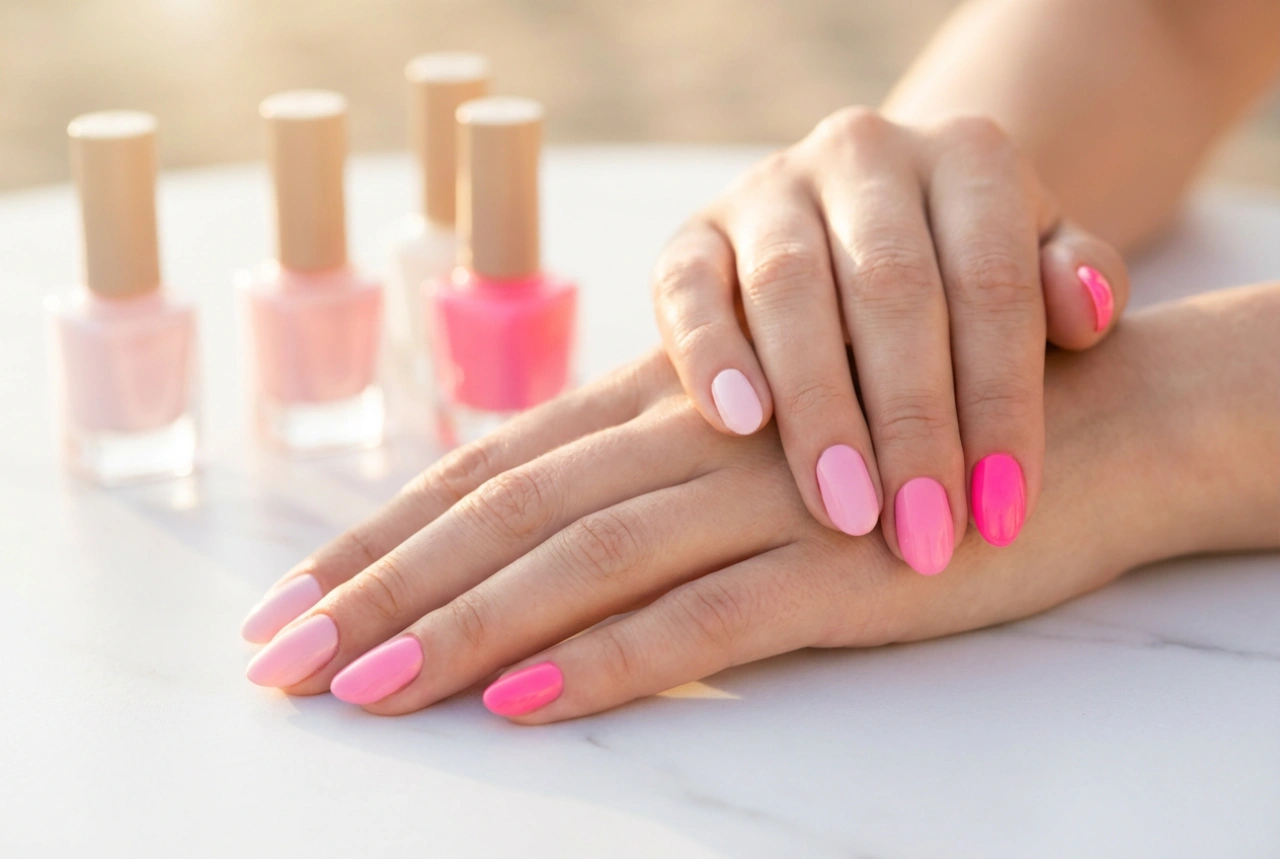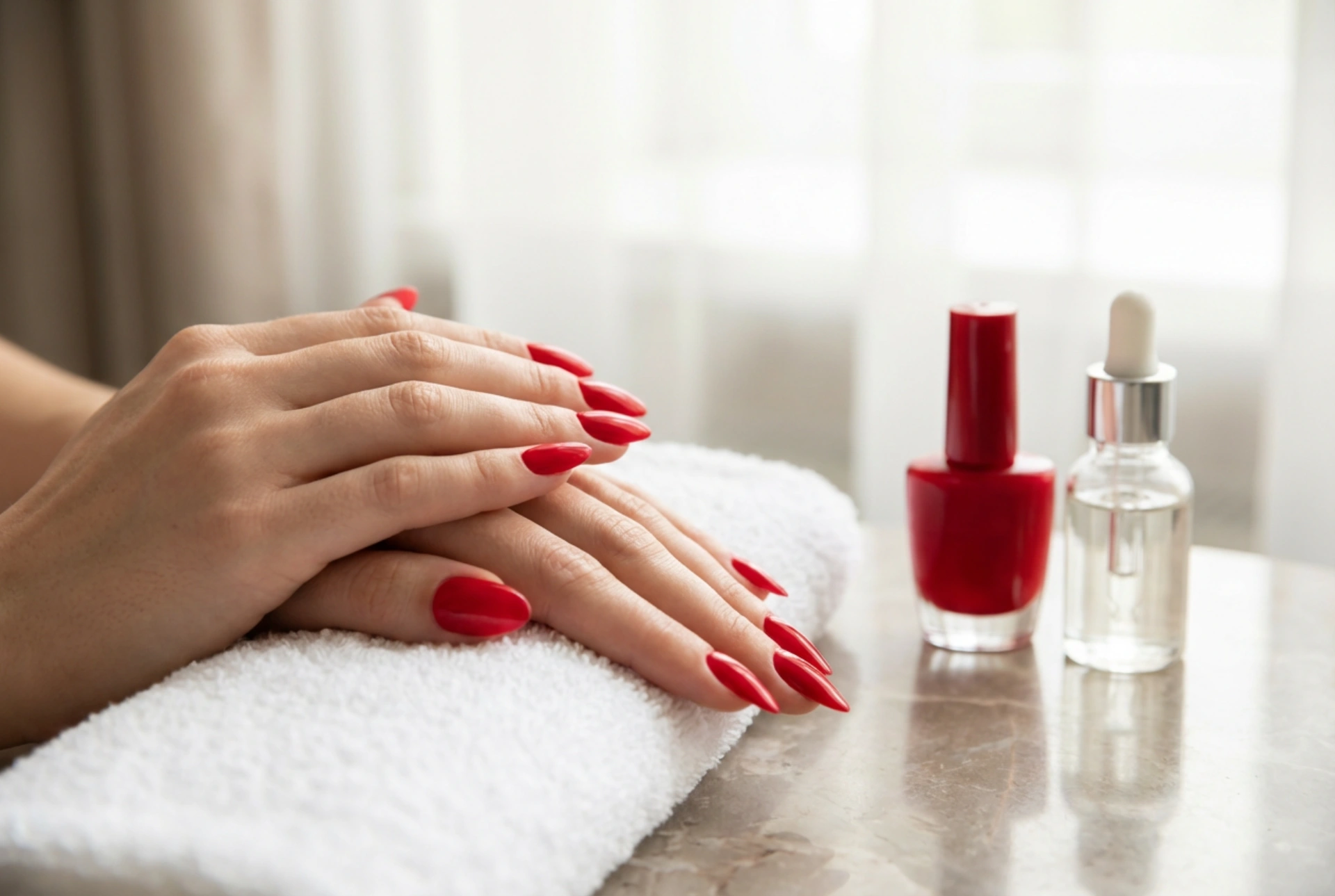


Beautifully manicured hands with long, vibrant red nails are the ultimate symbol of classic elegance. This timeless look, often characterised by impeccably shaped almond nails resting against a soft backdrop, represents pristine beauty and meticulous self-care. However, sporting long nails with a bold red polish requires more than just aesthetic appreciation; it demands a dedicated routine to prevent breakage, peeling, and staining. Maintaining the strength and health of your natural nails while enjoying a striking manicure is entirely possible when you combine the right shaping techniques with protective care.
Choosing and Refining the Ideal Nail Shape for Strength
The foundation of damage-free long nails lies in choosing a shape that minimises daily stress on the nail plate. While square nails offer a modern, sharp look, their pointed corners are highly susceptible to snagging on fabrics, catching on hair, and chipping. For long nails, rounded or almond shapes are highly recommended. An almond shape tapers naturally toward the tip, which distributes pressure evenly across the nail plate and significantly reduces the likelihood of painful breaks and splits during everyday activities.
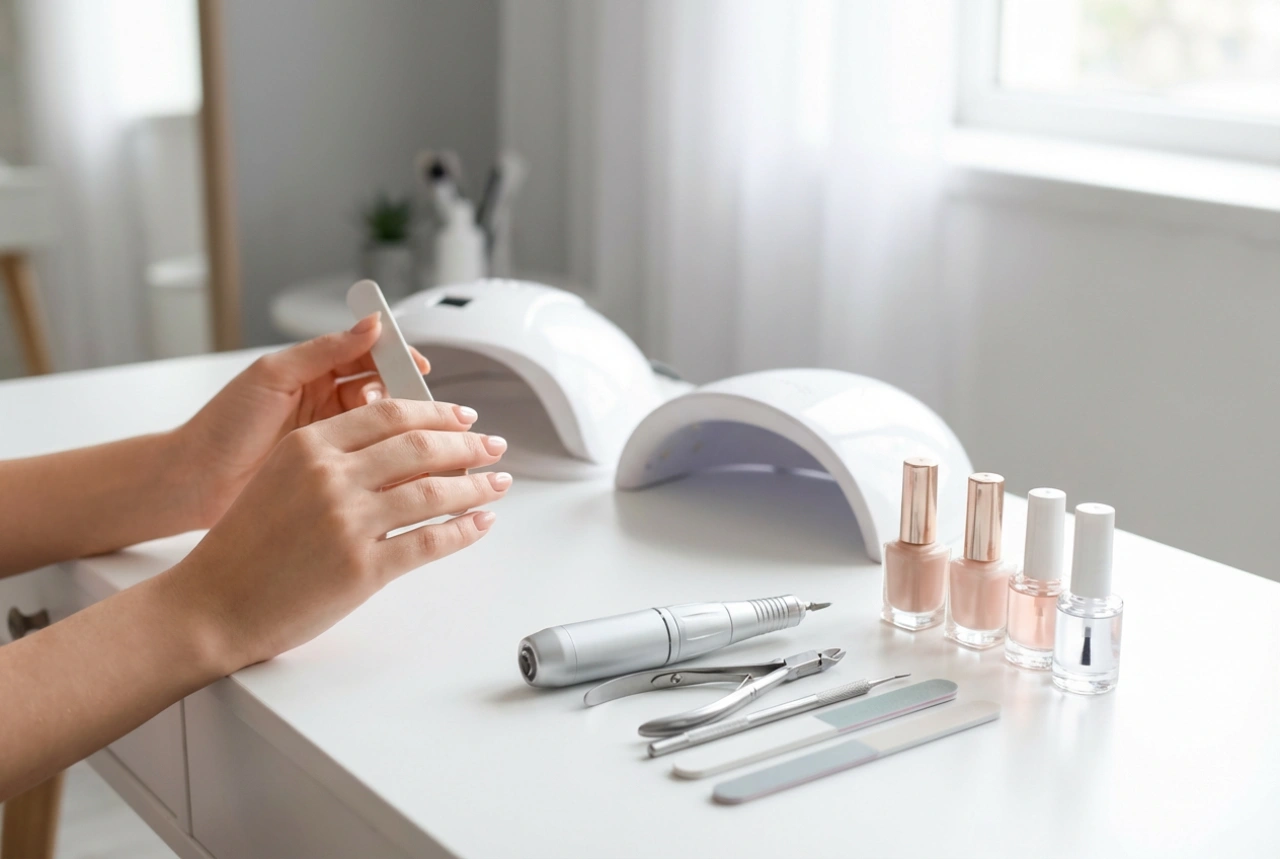
When shaping your nails, the tools and techniques you use play a critical role in preserving their structural integrity:
- Use the right file: Replace harsh metal files with gentle glass files or high-quality, fine-grit emery boards. Glass files are particularly beneficial because they seal the keratin layers at the edge of the nail, preventing moisture from entering and causing peeling.
- File in one direction: Avoid a rapid sawing motion back and forth across the nail tip. This back-and-forth movement creates microscopic tears and frays the nail layers, making them highly unstable. Instead, file gently from the outer edge toward the centre in smooth, fluid, unidirectional strokes.
- Keep edges perfectly smooth: Regularly check the edges of your nails for tiny snags or rough patches. Running a fine-grit buffer softly along the edge can smooth out minor imperfections before they turn into deep, unmanageable cracks.
Safe Painting Techniques to Avoid Staining and Damage
Red nail polish is famously vibrant, but its heavy concentration of red iron oxides and pigments can easily stain the natural nail plate, leaving a stubborn yellowish or reddish residue once removed. To enjoy a flawless red manicure without compromising the natural colour and health of your nails, your painting routine must prioritise protection at every step.
The Indispensable Base Coat
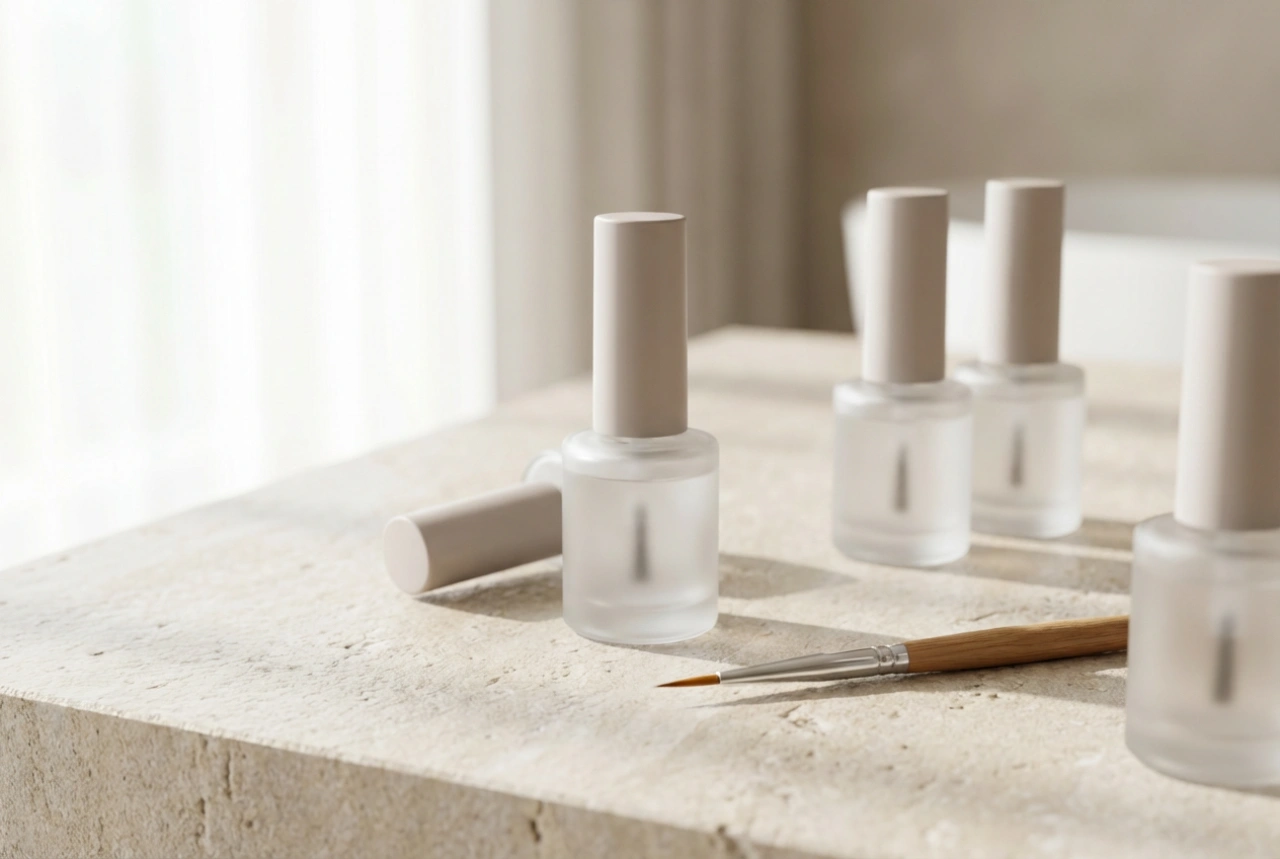
Never apply red polish directly to bare nails. A high-quality, nourishing base coat acts as an essential barrier, preventing the intense pigments from penetrating the porous layers of the nail. Additionally, many base coats are enriched with vitamins, calcium, and proteins that help strengthen the nail plate. This layer also creates a smooth, micro-textured surface for the colour to cling to, ensuring a much longer-lasting manicure with fewer chips.
Applying the Polish in Thin, Even Layers
When working with highly pigmented red polish, the key to a professional-looking, durable finish is patience. Applying thick layers of polish traps solvents beneath the dry surface layer, leading to bubbling, incredibly slow drying times, and premature peeling. Instead, apply two very thin, even coats of red polish. Allow each layer to dry completely before applying the next. This builds a flexible, cohesive coat that moves with the natural bend of your nail, significantly reducing the risk of cracking.
Sealing with a Protective Top Coat
A top coat is your manicure's ultimate shield against daily wear and tear. It seals the edges of the polish, adds a brilliant, light-reflecting glossy shine, and absorbs the impact of minor everyday bumps. To maximise the lifespan of your long nails, cap the free edge with the top coat during application. For long-lasting protection, reapply a thin layer of top coat every two to three days to refresh the shine and reinforce the tips, which bear the brunt of daily use.
Daily Protective Habits for Long Nails
Even the most perfectly painted nails will eventually weaken if they are constantly subjected to physical stress. Learning how to navigate daily tasks with long nails is essential for keeping them damage-free. Simple adjustments in how you use your hands can make a massive difference in preventing sudden snaps.
First, always treat your nails as jewels, not tools. Avoid using your nail tips to open soda cans, scrape off labels, or pry open packages. Instead, utilise the pads of your fingers or handy household tools like spoons or keys. When typing on a keyboard or using a touchscreen, make a conscious effort to use the flat pads of your fingers rather than tapping with the tips of your nails, which puts continuous backward pressure on the nail bed.
Essential Daily Hydration and Care
Long nails require constant nourishment to maintain their flexibility. When nails become dry, they lose their ability to bend under pressure, making them brittle and highly prone to snapping at the stress points. Keeping the nails and the surrounding skin thoroughly hydrated is the secret to resilience.
- Apply cuticle oil daily: Massage a drop of nourishing cuticle oil into the base of each nail and the surrounding cuticles at least once a day, preferably before bed. This keeps the nail matrix hydrated, promoting healthier, more flexible growth and preventing dry, painful hangnails.
- Wear protective gloves: Water is one of the greatest silent threats to strong nails. Prolonged exposure to water, especially when paired with household cleaning products or dishwashing liquids, causes the nail plate to swell and contract. This constant expansion weakens the internal bonds of the nail, leading to peeling, splitting, and polish chipping. Always wear comfortable rubber gloves when performing household chores.
- Hydrate your hands after washing: Follow every hand wash with a rich, moisturising hand cream to lock in moisture and protect the delicate skin barrier of your hands.
Gentle Removal and Rest Periods
The way you remove your red polish is just as important as how you apply it. Stripping away polish with harsh, drying chemicals can instantly undo weeks of careful maintenance. Opt for gentle, acetone-free nail polish removers, which are formulated to dissolve polish effectively without stripping away the nail's natural oils. To remove stubborn red pigments without aggressive rubbing, soak a cotton pad in remover, press it firmly against the nail for ten seconds to let the polish dissolve, and then wipe it away in a single outward motion from cuticle to tip.
Lastly, give your nails occasional breathing room. While a classic red manicure is undeniably beautiful, letting your nails spend a few days completely bare between polishes allows you to apply intensive hydrating treatments, creams, and oils directly to the nail plate, ensuring they remain strong, flexible, and ready for their next stunning look.