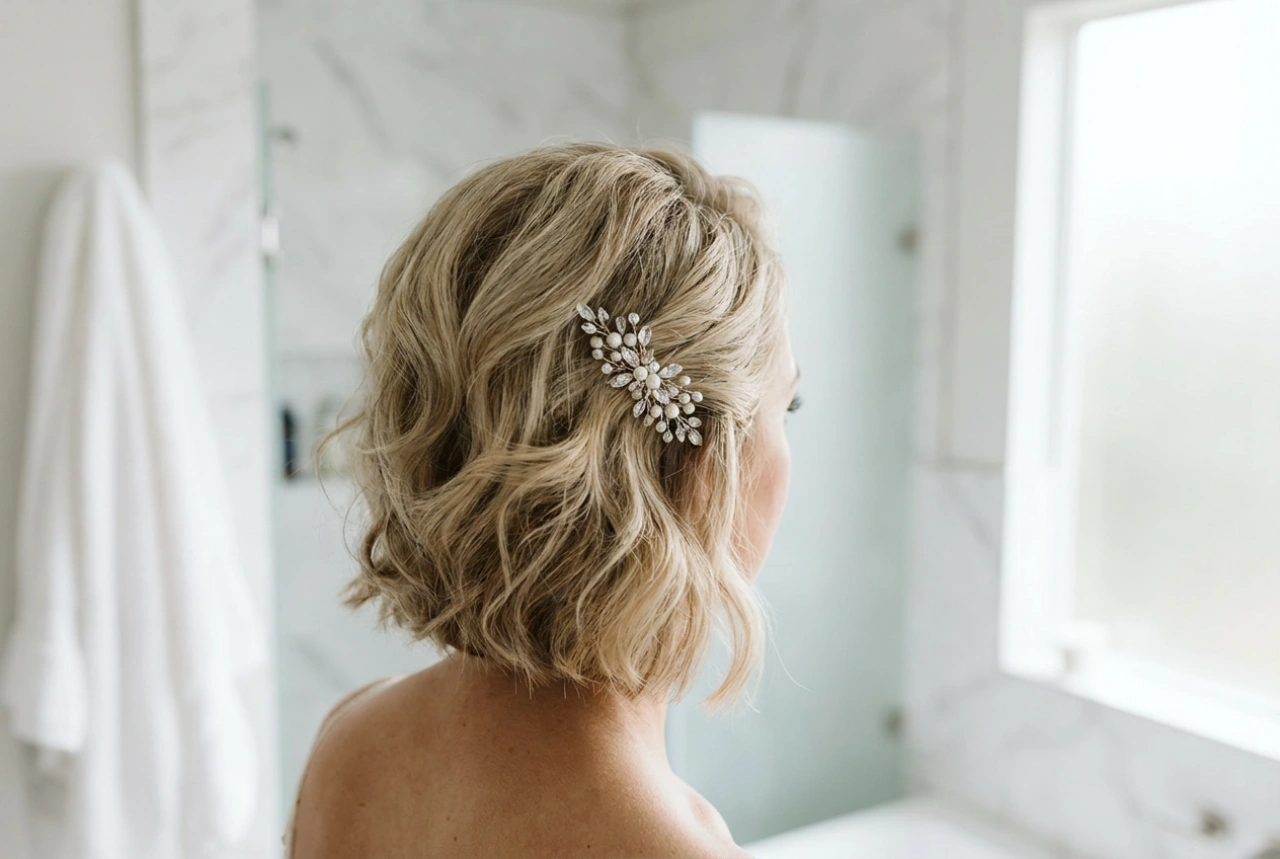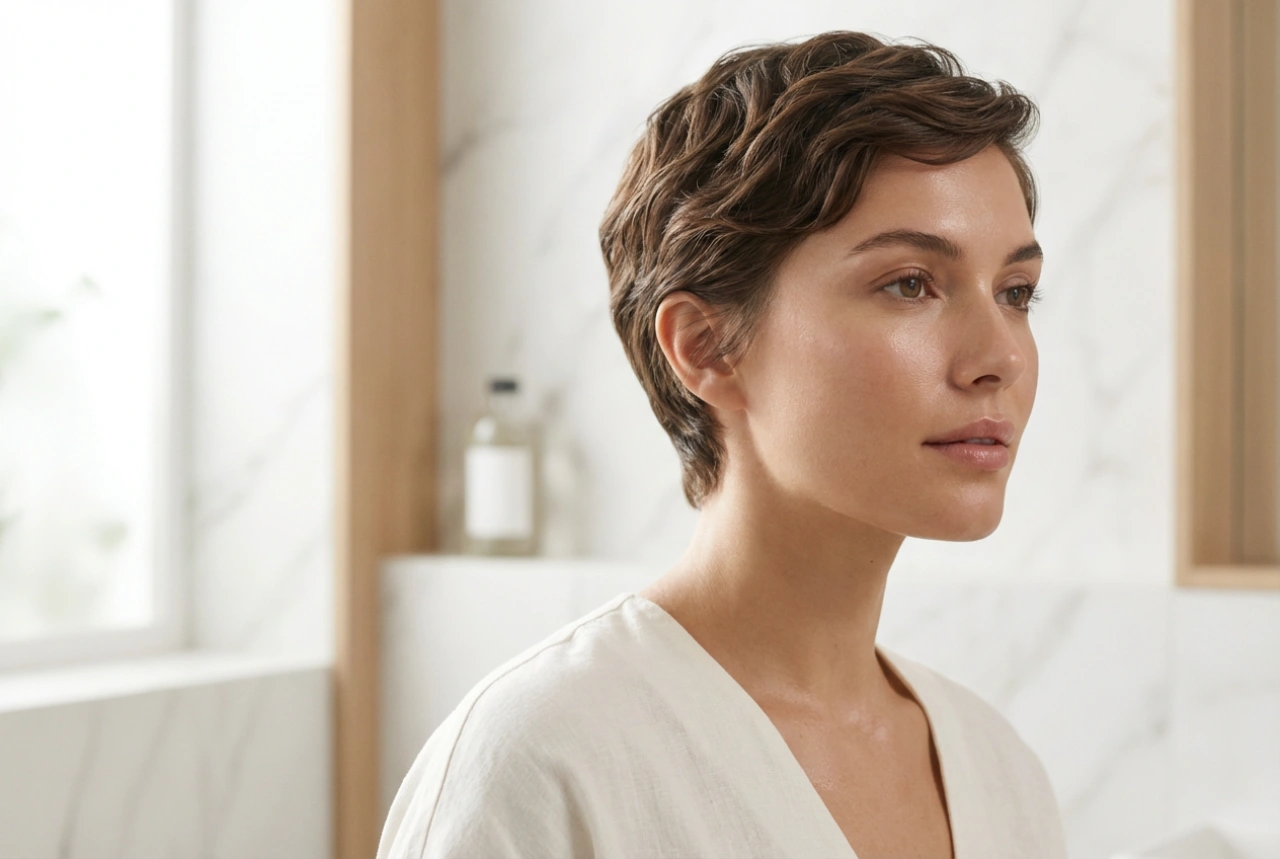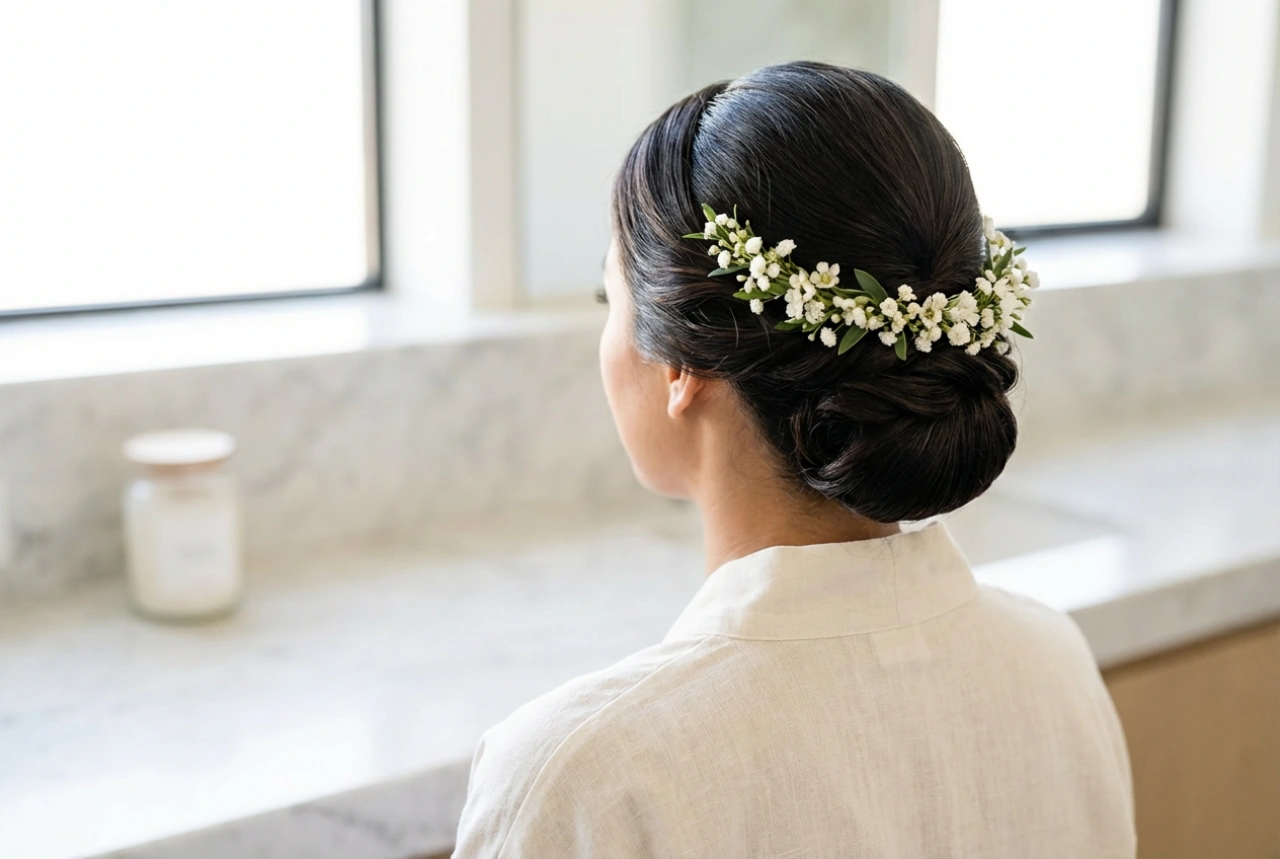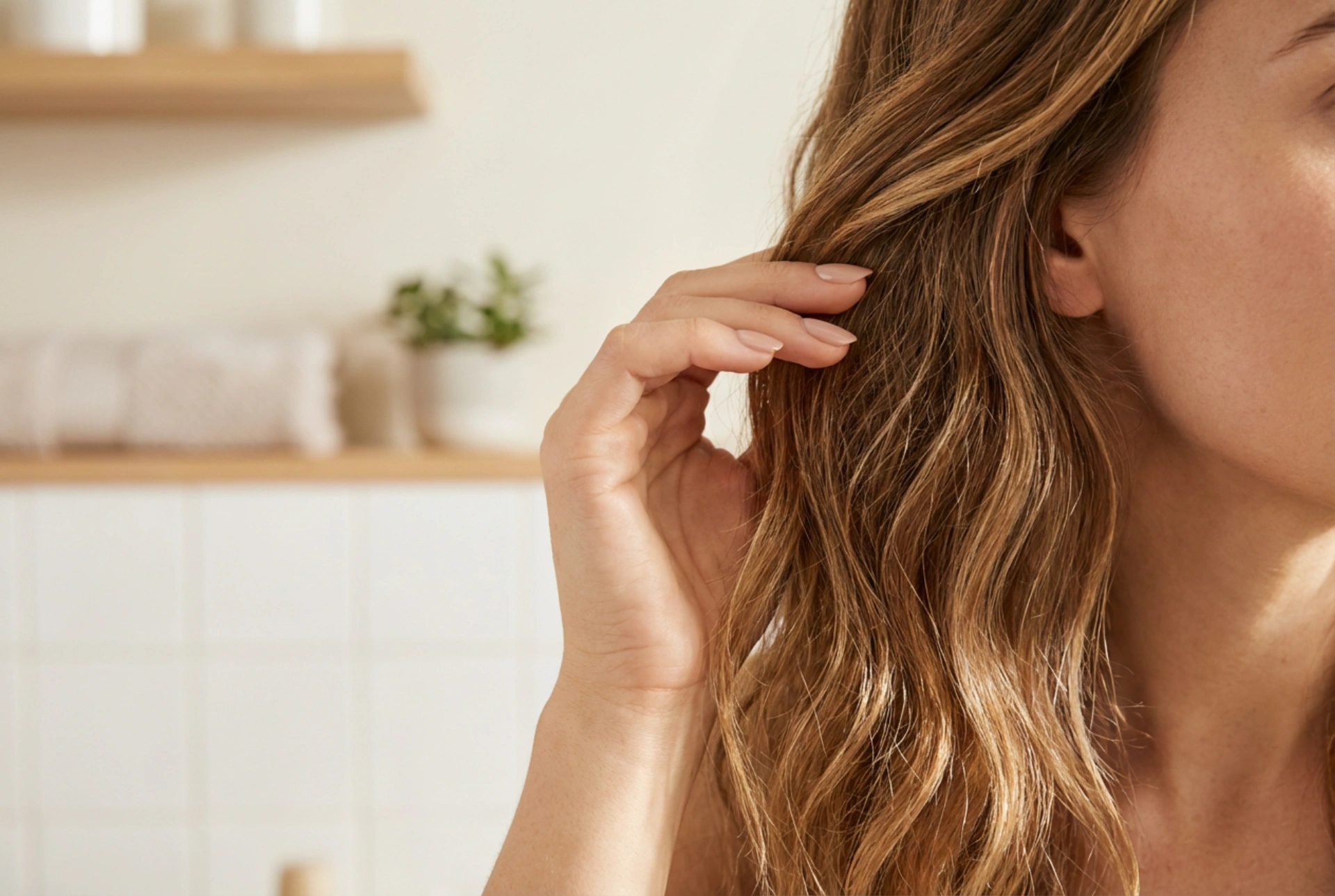


Growing out your hair can be a wonderful journey of transformation, yet many find the transitional phases challenging. When you are moving from a shorter cut to longer tresses, there is often an intermediate stage where hair can feel awkward to style. The key to navigating this period with confidence lies in embracing simple, elegant solutions that work with your natural texture. A gentle tuck of a soft strand behind the ear, illuminated by natural sunlight, shows how effortless and chic a growing-out phase can truly look. With the right daily habits and styling techniques, you can make the transition look entirely intentional and stylish.
Understanding the Transitional Phases of Hair Growth
The journey to longer hair requires patience, but it also offers an opportunity to experiment with different textures and shapes. During the growth process, hair does not always grow at an even rate across the scalp. The sections around the nape of the neck often seem to grow faster than the top layers, which can create temporary imbalances in your silhouette. Instead of fighting this natural progression, the goal is to work with the changing lengths.
To keep your hairstyle looking deliberate and tidy, it is beneficial to focus on the health of your ends. While it may seem counterintuitive to cut your hair when you want it to grow, minor adjustments are essential. Asking for a micro-trim or a "dusting" can remove split ends without sacrificing your hard-earned length. This subtle maintenance ensures that the transitions between different layers remain soft and seamless rather than frayed and untamed.
Simple Everyday Styling Techniques
When styling transitional hair for your daily routine, simplicity is your greatest asset. You do not need complex tools or heavy products to achieve a polished look. In fact, over-styling can often draw unwanted attention to uneven lengths. Here are a few effortless styling ideas that work beautifully for everyday wear:
- The Soft Tuck: Gently brushing your hair away from your face and tucking a strand behind one or both ears is a classic, understated technique. This simple gesture opens up your face and highlights a soft transition in length, making the style feel clean and purposeful.
- The Half-Up Knot: Securing the top section of your hair with a small, gentle clip or a soft silk scrunchie is an excellent way to manage shorter front layers. It keeps hair out of your eyes while allowing the longer back sections to flow naturally.
- Textured Waves: Adding a subtle, heat-free wave to your hair can beautifully disguise different lengths. You can achieve this by braiding damp hair before sleep or using soft fabric rollers. The resulting movement blends the shorter and longer pieces into a harmonious, textured look.
Selecting the Right Accessories for Seamless Styling
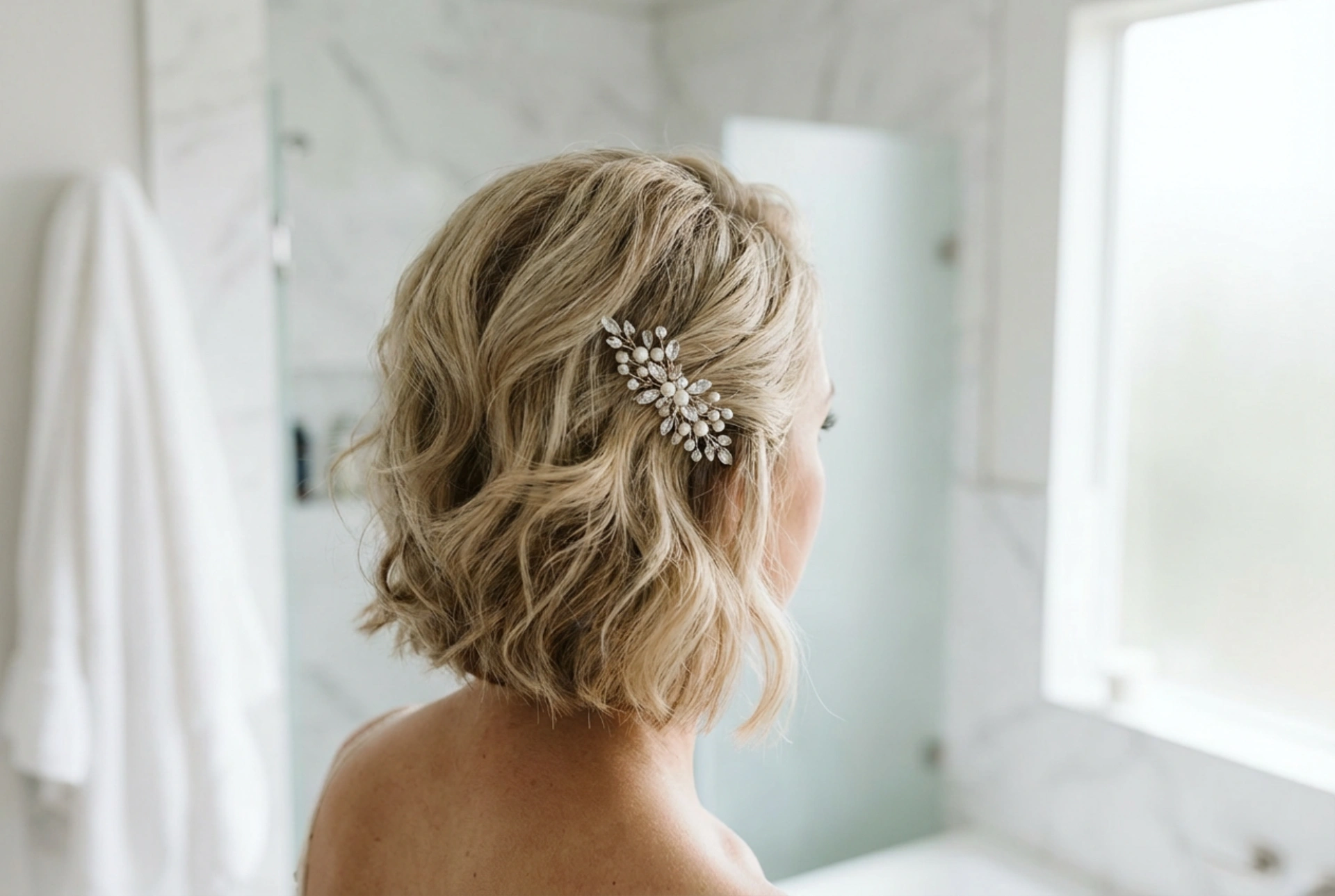
During the intermediate stages of hair growth, accessories can become your best allies. They are not only practical for keeping awkward layers in place, but they also add a touch of personal elegance to an otherwise simple daily hairstyle. The key is to choose accessories that are gentle on the hair structure to prevent any unwanted friction or breakage, which could hinder your growth progress.
- Seamless Bobby Pins: Use pins that match your hair colour to subtly secure shorter front pieces or fringe elements that are still growing out. Positioning them just behind the ear creates a clean, elegant silhouette.
- Silk Headbands: A soft, wide headband is perfect for days when you want a completely fuss-free look. It gently holds back shorter layers while letting the rest of your hair flow freely, creating a chic, timeless appearance.
- Claw Clips: A medium-sized claw clip can be used to twist your hair into a casual updo. Even if some shorter strands fall out naturally, this adds to a relaxed, effortless aesthetic that is highly desirable.
Emphasising Natural Texture and Movement
One of the easiest ways to make growing-out hair look beautiful is to embrace its natural wave, curl, or straightness. When you allow your hair to flow naturally, the boundaries between different lengths become less distinct. Heavy styling products can weigh the hair down, making uneven sections more noticeable. Instead, opt for lightweight, moisturising products that enhance your hair's natural bounce and shine.
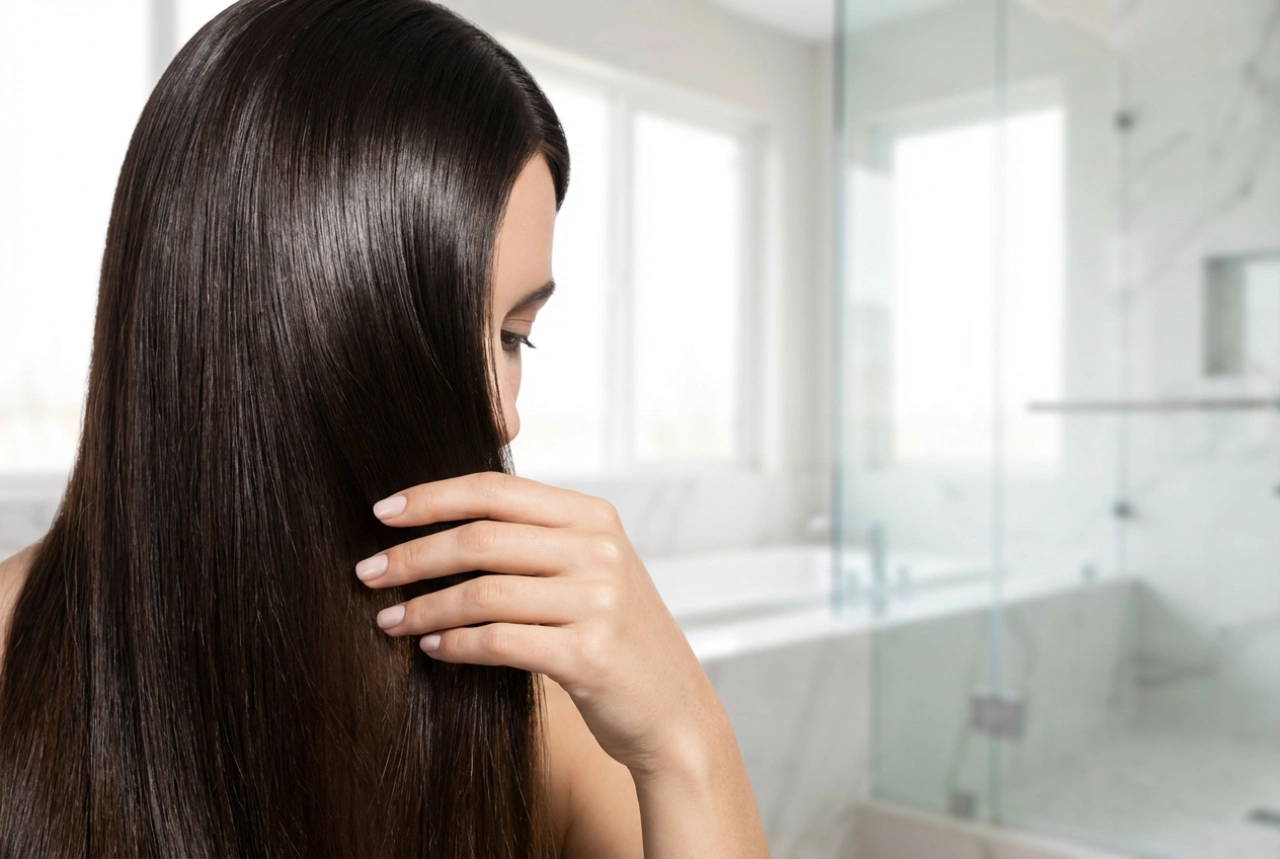
After washing your hair, consider air-drying it whenever possible. Gently patting your hair dry with a microfibre towel helps to minimise friction and frizz, preserving the natural structure of your locks. If you need to manage flyaways, a tiny amount of natural hair oil warmed between your palms and smoothed over the surface can provide a sleek, healthy finish without stripping the hair of its natural movement.
Nourishing Your Hair From Within
The beauty of your transitional hairstyle depends heavily on the condition of the hair fibres. Healthy, well-hydrated hair naturally lays better and is much easier to style. To support your hair during this growth phase, focus on maintaining a consistent care routine that prioritises moisture and protection. This includes using gentle, sulphate-free cleansers and rich, conditioning treatments that reinforce the hair shaft.
Protecting your hair during the night is another simple yet highly effective habit. Sleeping on a silk or satin pillowcase reduces friction, which prevents tangles and breakage as you sleep. When detangling, always start from the ends and gently work your way up to the roots using a wide-tooth comb. This mindful approach ensures that you preserve every centimetre of your growing hair, keeping the transitions smooth, shiny, and full of life.