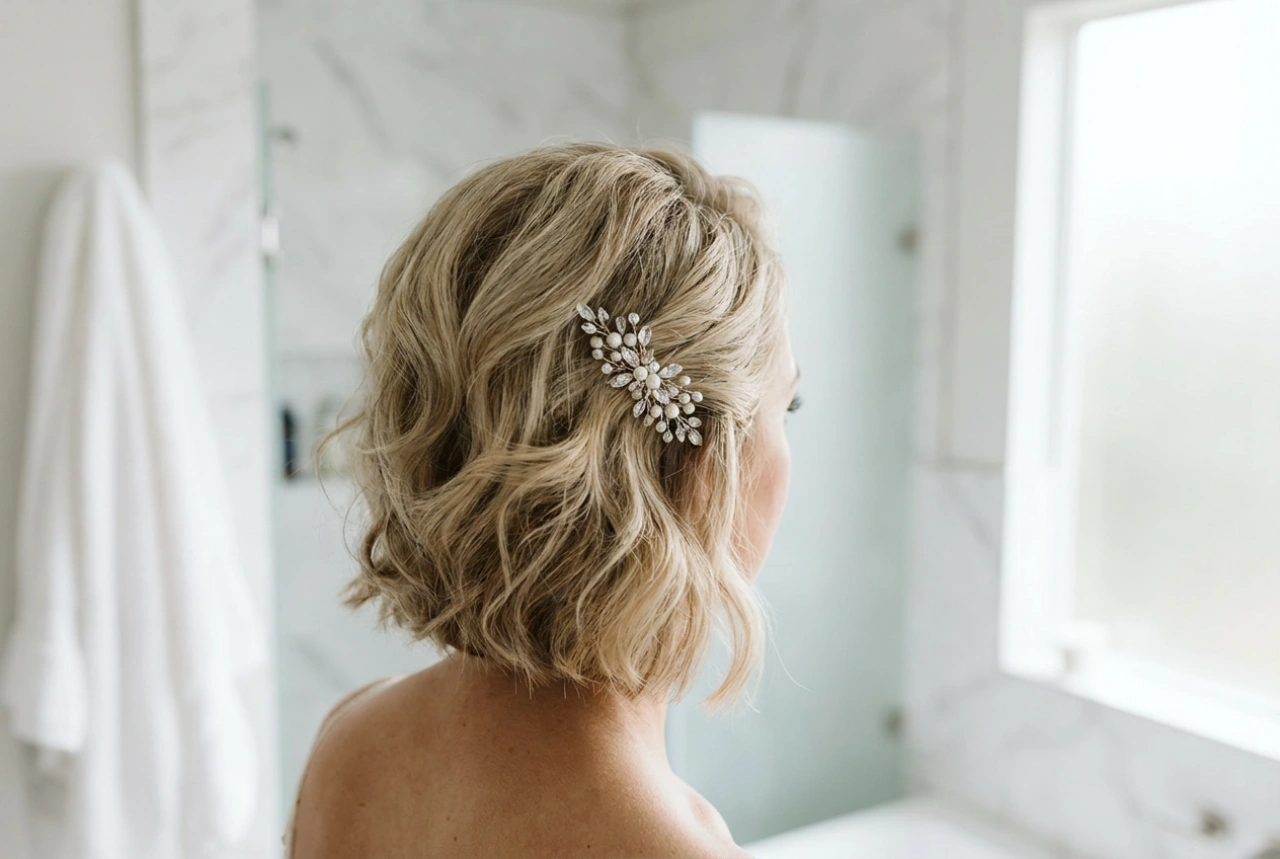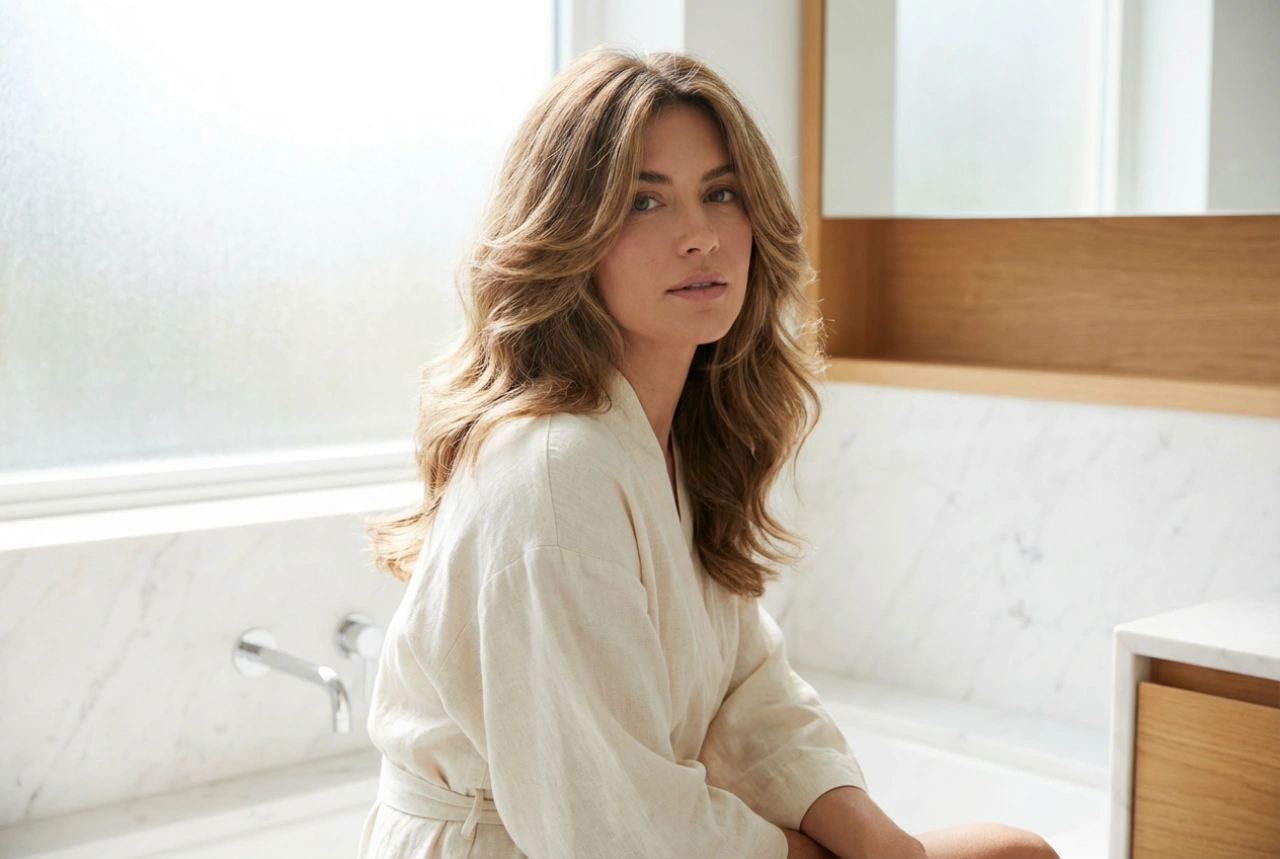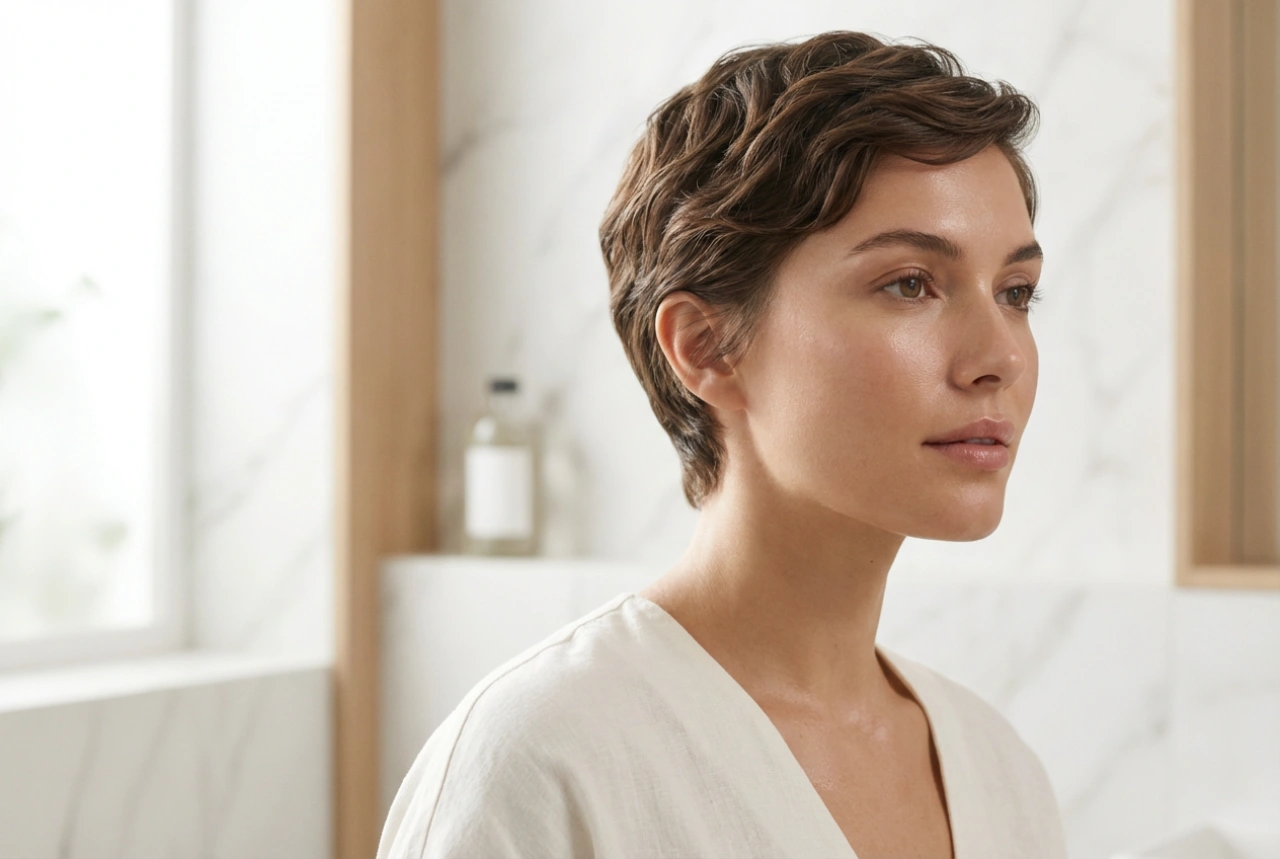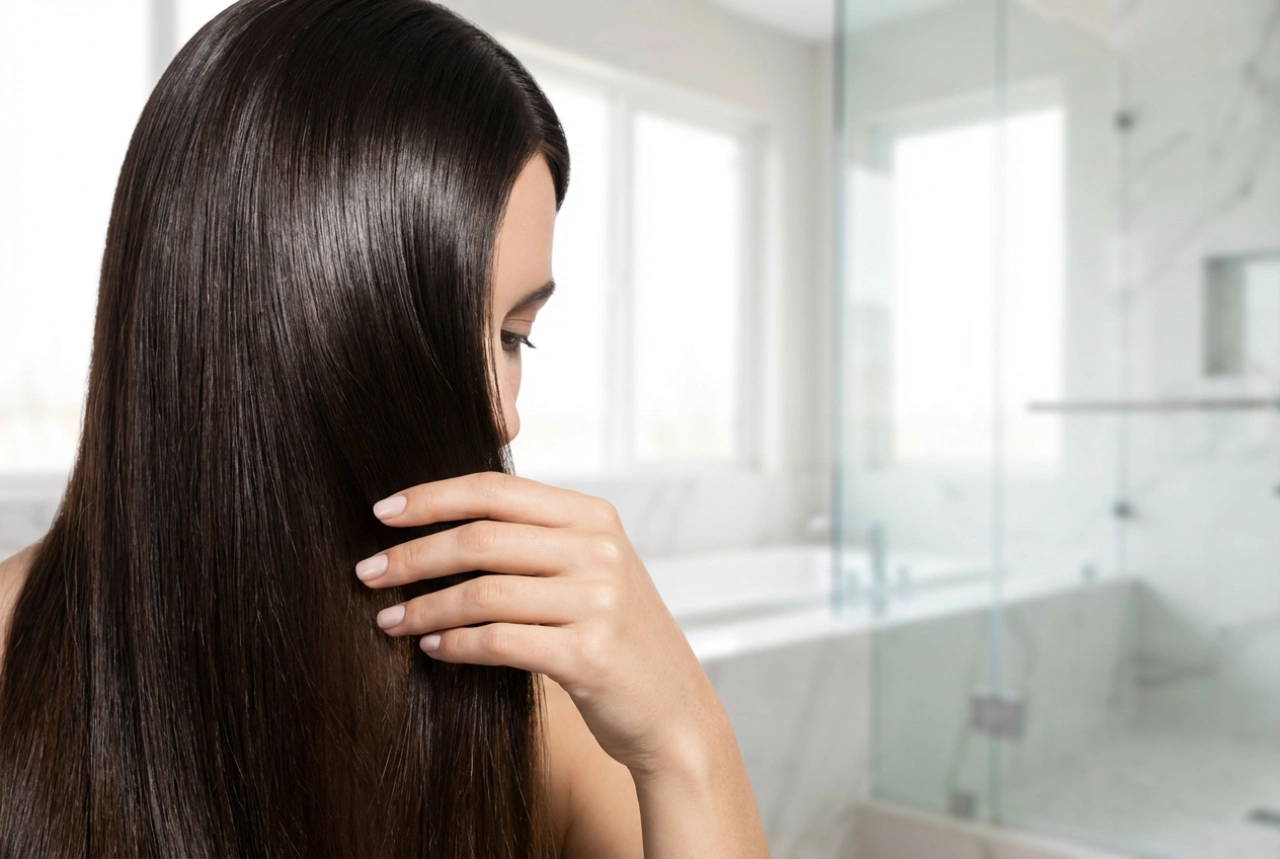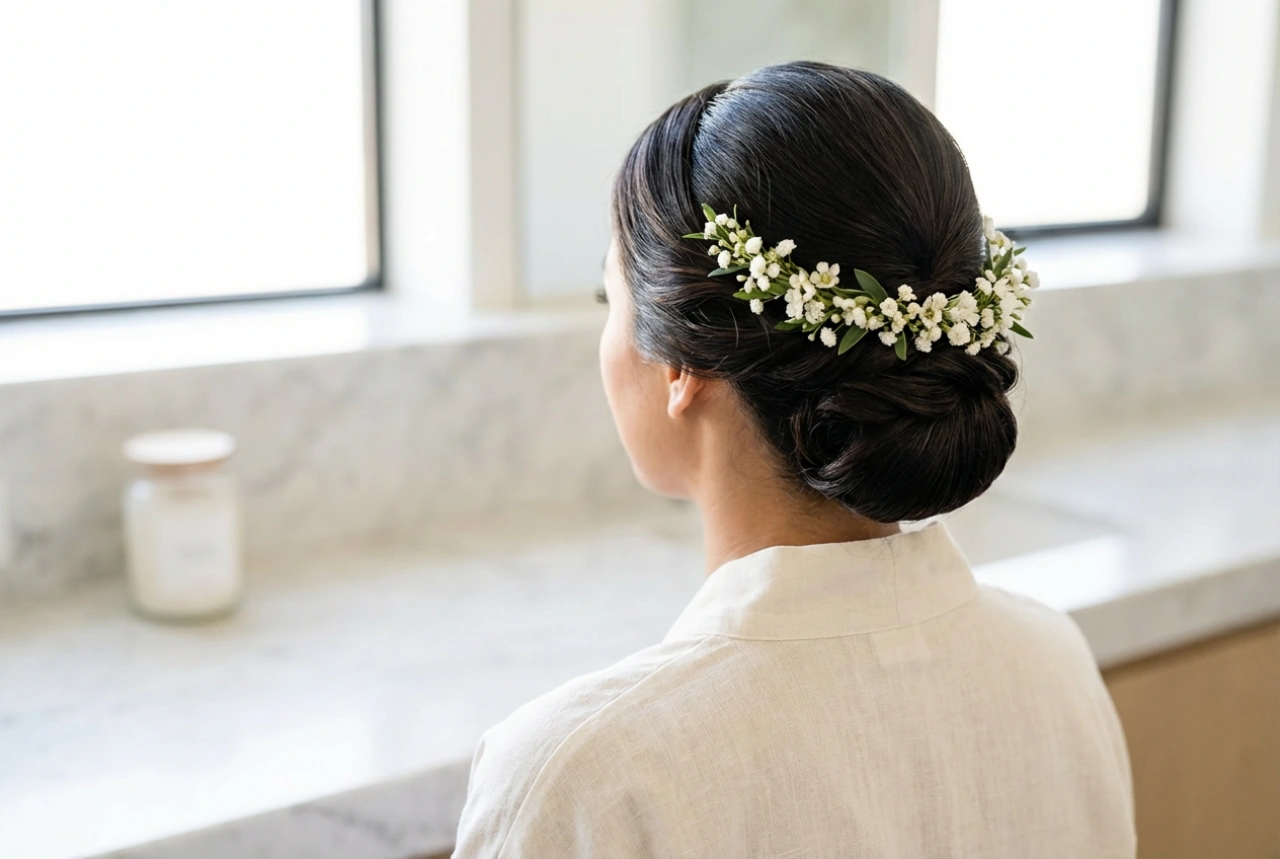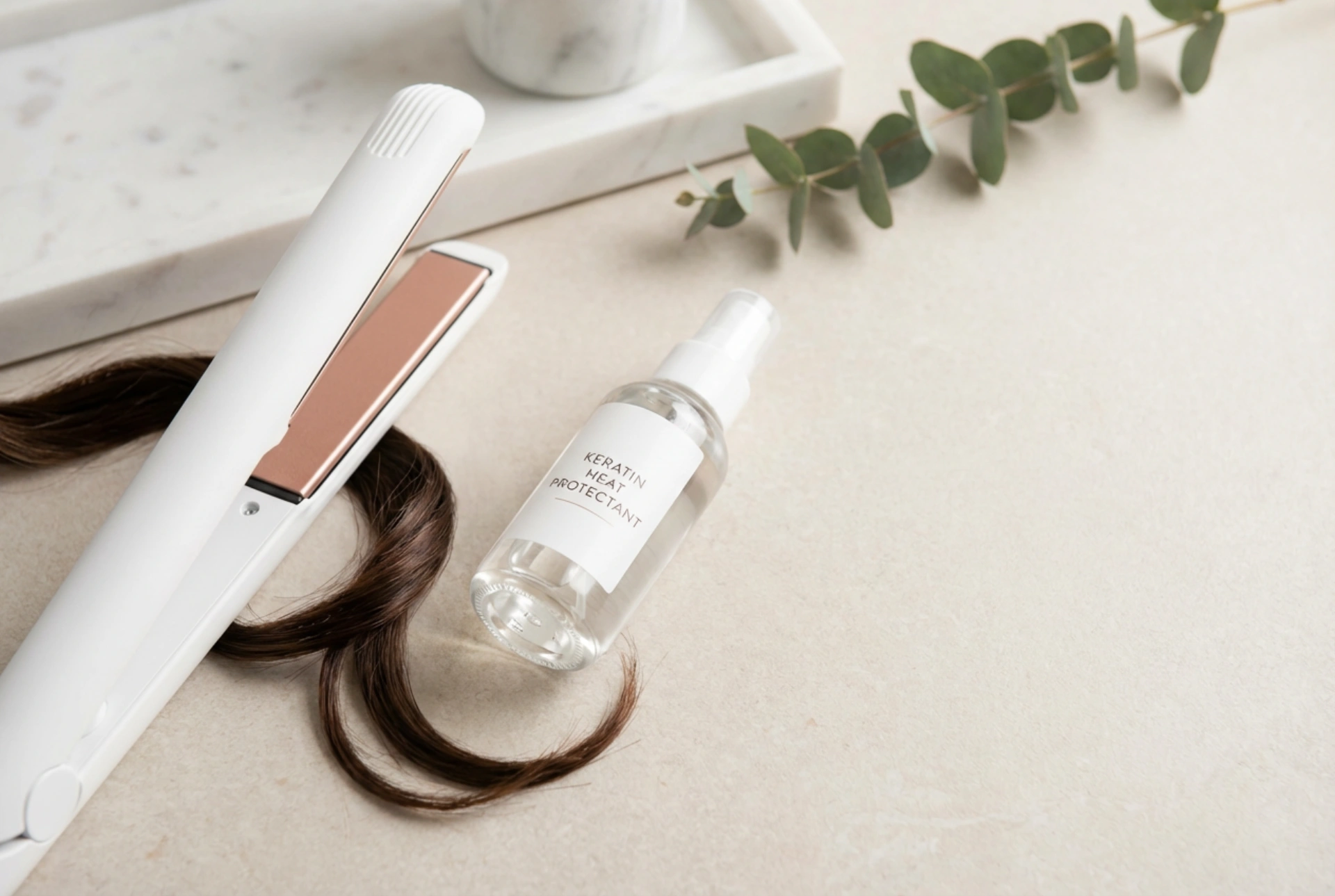


Achieving a perfectly sleek, salon-worthy finish at home without compromising the health of your hair has become significantly easier with modern styling innovations. A sophisticated flatlay of styling tools, featuring a state-of-the-art hair straightener with ceramic plates next to a minimalist bottle of keratin-infused heat protectant, highlights the ideal harmony between style and protection. Under soft, natural light, the sight of sleek, shiny, and healthy strands of hair serves as a testament to what the right technology and proper technique can achieve. Understanding how to use a straightener equipped with ionisation and keratin technology is the first step towards enjoying beautifully styled hair that remains strong and hydrated.
The Science of Ionisation and Keratin in Hair Styling
Modern hair straighteners are no longer just basic heating elements; they are advanced grooming devices designed to respect the delicate structure of the hair fibre. When styling with heat, two key technologies play a vital role in preserving moisture and shine: ionisation and keratin-infused plates.
Ionisation works by releasing millions of negatively charged ions during the heating process. Naturally, wet or frizzy hair carries positive charges, which cause the hair cuticles to lift, leading to static, flyaways, and a dull appearance. The negative ions generated by the straightener neutralise these positive charges, effectively forcing the hair cuticles to lie flat. This locks in natural moisture, reduces frizz, and leaves the hair surface exceptionally smooth and reflective.
On the other hand, straighteners featuring keratin-infused ceramic plates offer a dual benefit. Keratin is the primary protein from which our hair is constructed. While the plates do not permanently restore lost protein deep within the cortex, the keratin micro-conditioners infused into the ceramic coating are transferred to the hair surface during styling. This creates a protective barrier, ensures an incredibly smooth glide without snagging, and enhances the natural strength and resilience of each strand against mechanical damage.
Selecting the Optimal Temperature for Your Hair Type
One of the most common mistakes in heat styling is using a universal temperature setting. Every hair type has a different heat tolerance, and using a temperature that is too high can lead to irreversible structural damage, moisture loss, and colour fading. Modern tools allow for precise temperature adjustment, which should be tailored as follows:
- Fine, thin, or colour-treated hair: This hair type is highly delicate and susceptible to heat damage. The ideal temperature range is between 130°C and 160°C. The ionisation feature is particularly beneficial here to prevent static on lightweight strands.
- Normal or wavy hair: Medium-textured hair can withstand slightly higher temperatures to achieve a lasting straight style. A setting between 170°C and 190°C is generally recommended to achieve optimal results in a single pass.
- Thick, coarse, or curly hair: Coarse hair requires more heat to temporarily break the hydrogen bonds responsible for its natural curl pattern. For these hair types, temperatures between 200°C and 210°C may be necessary, but extra care must be taken with pre-styling protection.
The Crucial Role of Heat Protectants
Even with advanced ceramic plates and active ionisation, applying a high-quality heat protectant is a step that should never be skipped. A minimalist bottle of keratin-infused heat protectant is more than just an aesthetic accessory; it is a vital shield for your hair cuticles.
Heat protectants work by forming a thin, invisible film over the hair shaft, which slows down the conduction of heat. This ensures that the hair heats up gradually and evenly, preventing hot spots that can cause the moisture inside the hair shaft to boil and rupture the cuticle. When infused with keratin, these protectants also help to temporarily fill in micro-gaps on the hair surface, resulting in an even sleeker finish and added structural support during the stretching process.
For best results, apply the heat protectant evenly through damp hair before blow-drying, or use a lightweight spray formula on completely dry hair just before passing the straightener. Ensure the product is thoroughly combed through to guarantee even distribution.
Step-by-Step Safe Styling Routine
To achieve the sleek, healthy look represented by shiny, well-cared-for strands, a systematic approach to straightening is essential. Following a structured routine minimises heat exposure and maximises the benefits of your straightener’s built-in technologies.
1. Thorough Drying
Never use a straightener on damp or wet hair. When water is trapped inside the hair shaft and subjected to extreme heat, it instantly turns into steam, expanding rapidly and literally popping the hair cuticle from the inside out. Always ensure your hair is 100% dry before styling.
2. Sectioning the Hair
Divide your hair into small, manageable sections. This allows you to focus on one small area at a time, ensuring that the plates glide smoothly and you only need to pass over each section once or twice. Working with too much hair at once results in uneven heat distribution, forcing you to repeat the process and increase damage.
3. The Chase Technique
For the ultimate smooth finish, use a fine-tooth comb to guide the path of the straightener. Place the comb in the hair section just below the roots, and follow it closely with the straightener. This aligns the hair fibres perfectly before they meet the heated plates, allowing for a seamless glide and reducing the need for multiple passes.
4. Allowing the Hair to Cool
Once a section is styled, let it cool down completely before touching it, brushing it, or tucking it behind your ears. Hair shape is set as it cools; moving it while it is still warm can introduce unwanted kinks or waves.
Post-Styling Care and Maintenance
Maintaining the sleekness and shine achieved by your styling session requires consistent daily care. After styling, you can apply a tiny drop of lightweight hair oil to the ends to lock in moisture and add a final touch of gloss. To extend the life of your style without reapplying heat the next day, consider sleeping on a silk or satin pillowcase. Unlike cotton, these smooth fabrics do not create friction, helping to keep the hair cuticles flat and preserving the smooth finish of your straightened hair overnight.