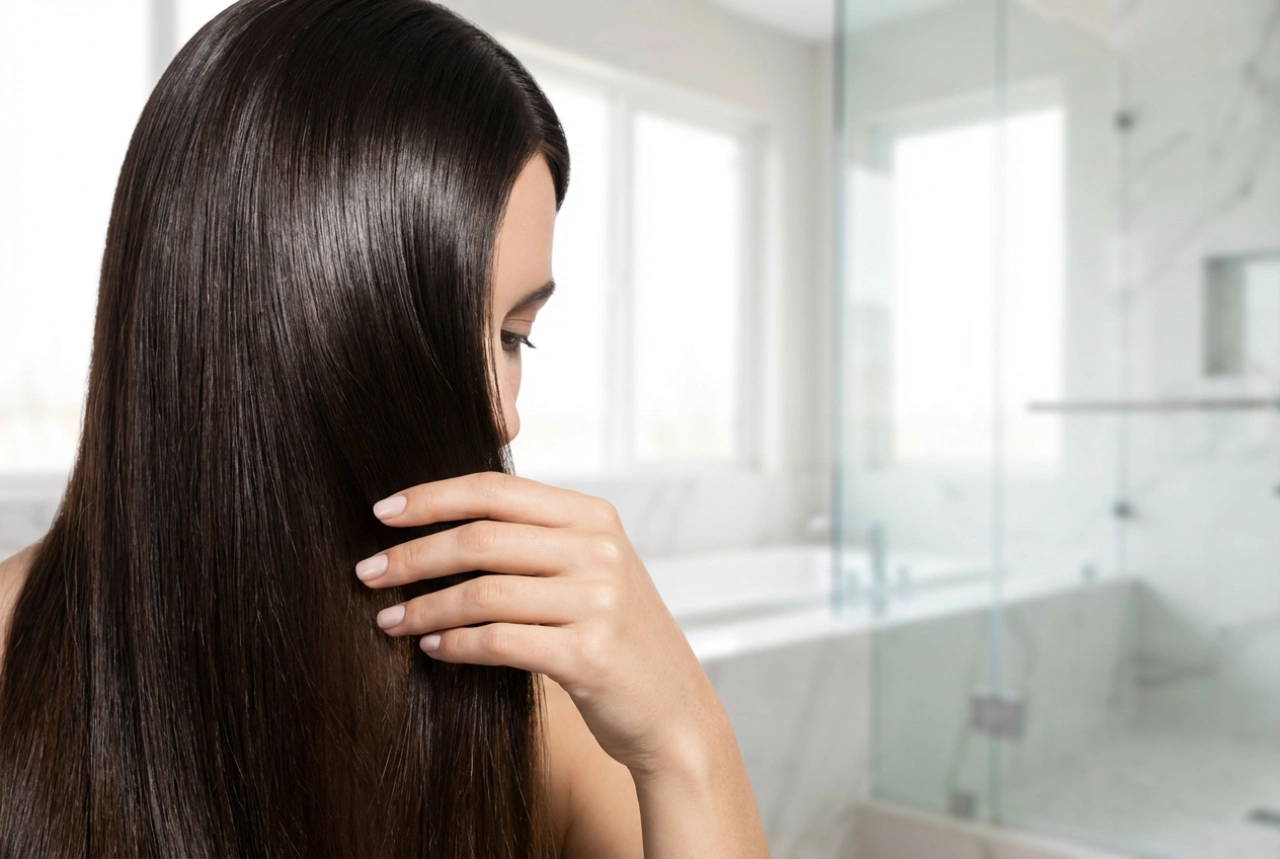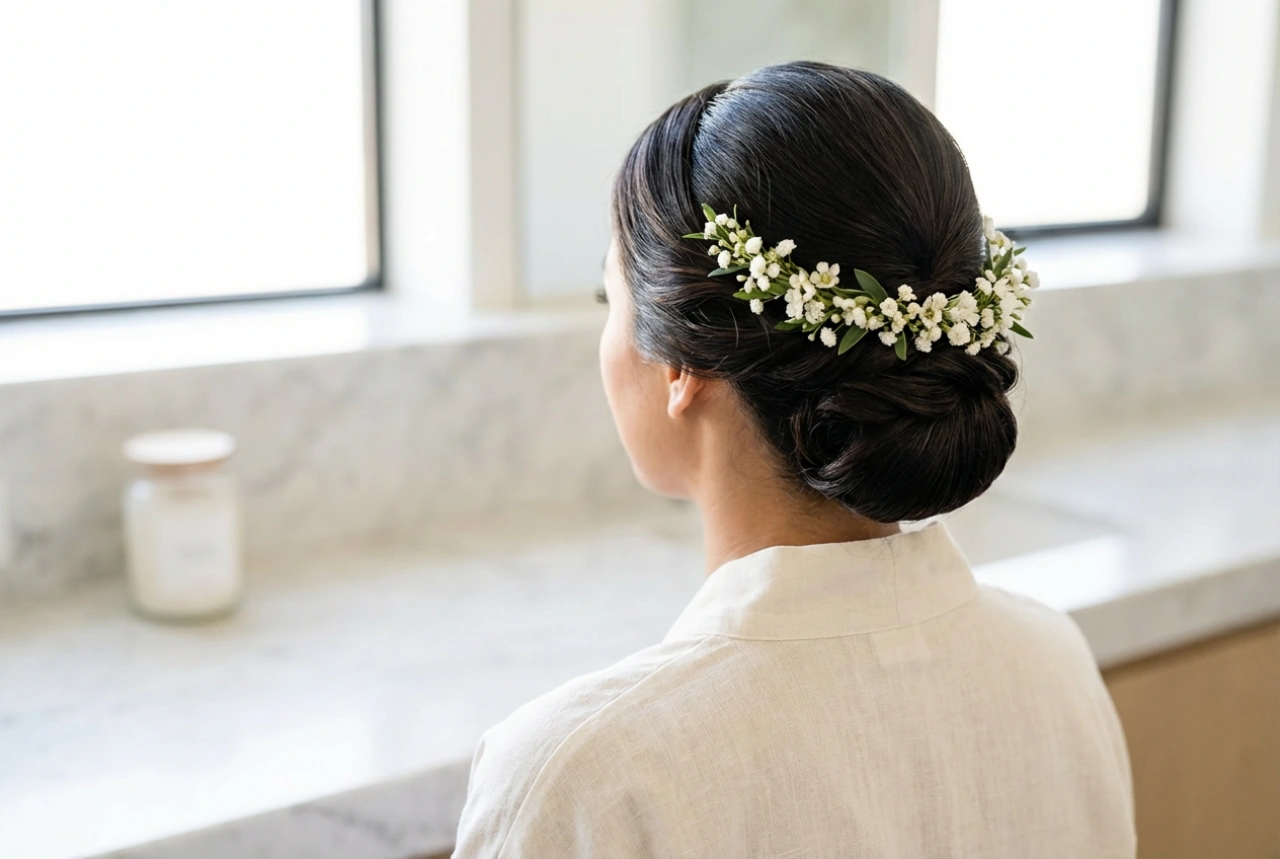


Achieving perfectly smooth, glossy hair that catches the light with a natural, silky texture requires not only the right technique but also high-quality styling tools. Many of us strive for that salon-finished look at home, where every strand falls elegantly into place with a refined shine. To replicate these professional results, understanding the technical specifications of your hair straightener and mastering the application process is essential. Moving beyond basic models to tools designed with advanced parameters can significantly elevate your styling routine while protecting the hair structure from unnecessary heat stress.
Key Features of a Professional Hair Straightener
When choosing a styling tool, the technical specifications dictate both the performance and the level of protection offered to your hair. Professional-grade devices differ from standard consumer models primarily in their plate materials, heat distribution, and temperature precision.
Plate Materials: Ceramic, Tourmaline, and Titanium
The surface of the heating plates is the most critical element of any straightener. Ceramic plates are highly valued for their even heat distribution, which prevents hot spots that can damage individual sections of hair. They glide smoothly, reducing friction and minimising physical wear on the hair cuticle. Tourmaline-infused plates offer an additional benefit by naturally emitting negative ions. This helps to neutralise static electricity, seal the hair cuticle, and enhance natural shine, making it an excellent choice for those prone to frizz. Titanium plates, on the other hand, are exceptionally durable and heat up rapidly. They are highly efficient for thick, coarse, or stubborn hair types, though they require careful temperature management due to their intense heat conductivity.
Temperature Control and Stability
A key feature of a professional tool is precise temperature customisation. Hair structures vary immensely; fine or damaged hair requires a much lower temperature (around 150°C to 170°C) to prevent structural damage, whereas thick or coily hair might require temperatures up to 200°C to shape effectively. Professional straighteners maintain a consistent temperature across the entire plate throughout the styling process, preventing the sudden drops in heat that force users to pass over the same section multiple times.
Correct Techniques for Sleek and Healthy Hair
Owning a high-quality tool is only half the battle; applying the correct technique is what truly ensures a flawless, long-lasting finish without compromising hair health.
Essential Preparation and Sectioning
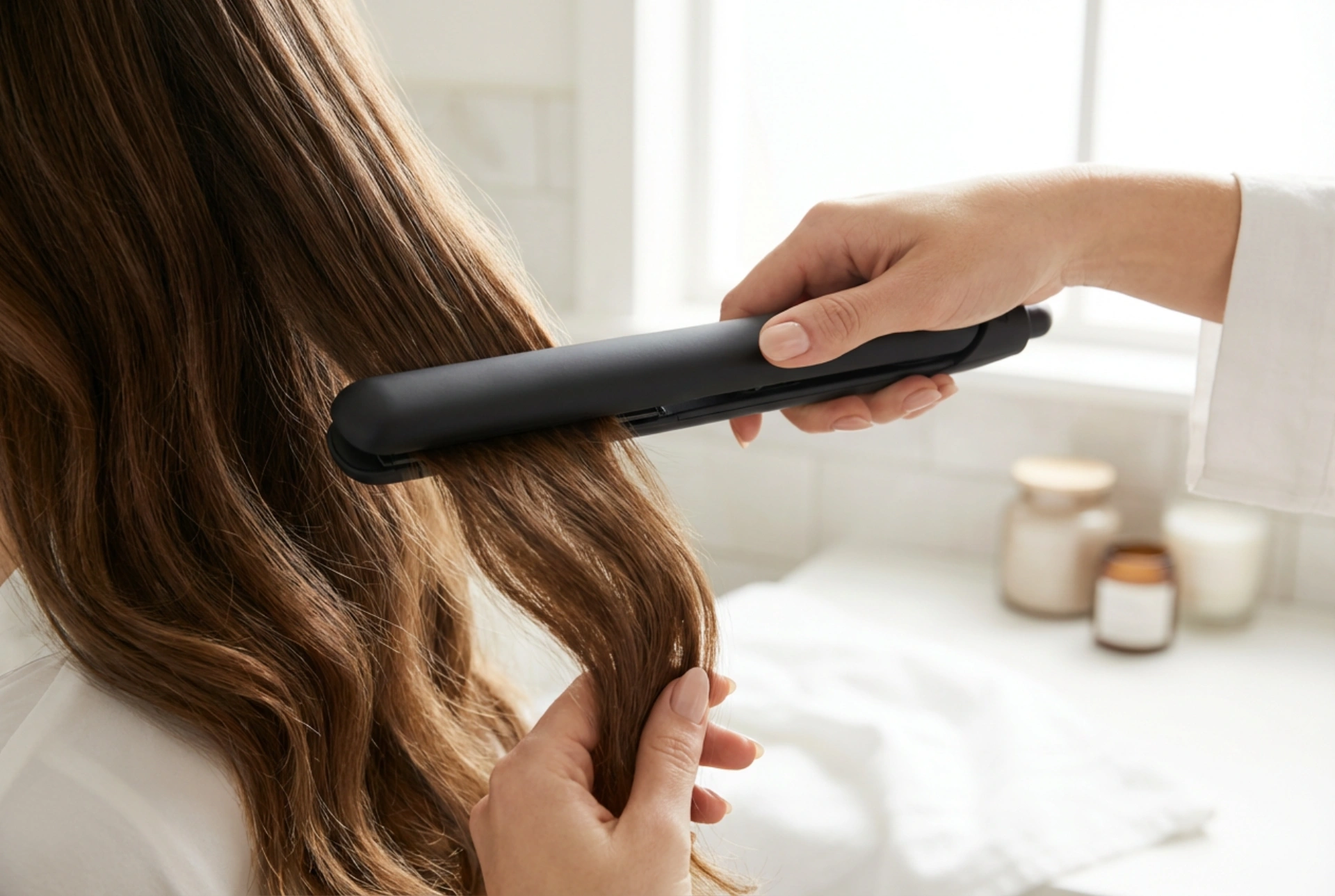
Never underestimate the power of preparation. Before any heat is applied, hair must be completely dry and thoroughly detangled. Applying a high-quality heat protection spray or serum is an absolute prerequisite. This styling barrier helps to distribute heat evenly and shields the delicate keratin structure of the hair. Once prepared, divide the hair into small, manageable sections. Attempting to straighten large clumps of hair at once results in uneven heat distribution, leaving the inner strands wavy while overheating the outer layers.
The Motion and Speed of Styling
The secret to a silky finish lies in a smooth, continuous motion. Clamp the straightener gently near the roots and glide it down the hair shaft at a slow, steady pace. Avoid stopping or pausing at any point, as this can create unsightly creases and concentrated heat damage. If the section is properly prepared and the temperature is correct, a single pass should be sufficient to achieve the desired smoothness.
Common Mistakes in Home Straightening
Even with the best intentions, certain styling habits can lead to dry, brittle hair or less-than-optimal results. Identifying and correcting these habits is vital for maintaining long-term hair vitality.
Styling Damp or Wet Hair
One of the most damaging mistakes is using a straightener on damp hair. When heat is applied to wet strands, the moisture inside the hair shaft rapidly heats up and turns to steam, expanding violently and causing microscopic fractures in the hair structure. Always ensure your hair is thoroughly blow-dried or air-dried before using hot plates.
Excessive Heat and Multiple Passes
Many believe that a higher temperature yields faster results, but this often leads to avoidable heat stress. Using the maximum setting on delicate hair causes immediate moisture loss and structural weakening. Similarly, repeatedly gliding the plates over the same section of hair compounds the damage. If a section does not straighten on the first pass, allow it to cool completely before attempting a second, gentle pass.
Maintenance and Care for Longevity
To ensure your straightener continues to perform at its best, regular maintenance is required. Over time, styling products, heat protectors, and natural hair oils can build up on the plates, creating a sticky residue that increases friction and snags the hair. After the device has completely cooled down, gently wipe the plates with a soft, slightly damp microfibre cloth. Avoid using harsh chemical cleaners or abrasive materials that could scratch the coating. Storing the tool in a heat-resistant pouch and avoiding wrapping the cord tightly around the body will preserve its functionality and ensure safe usage for years to come.