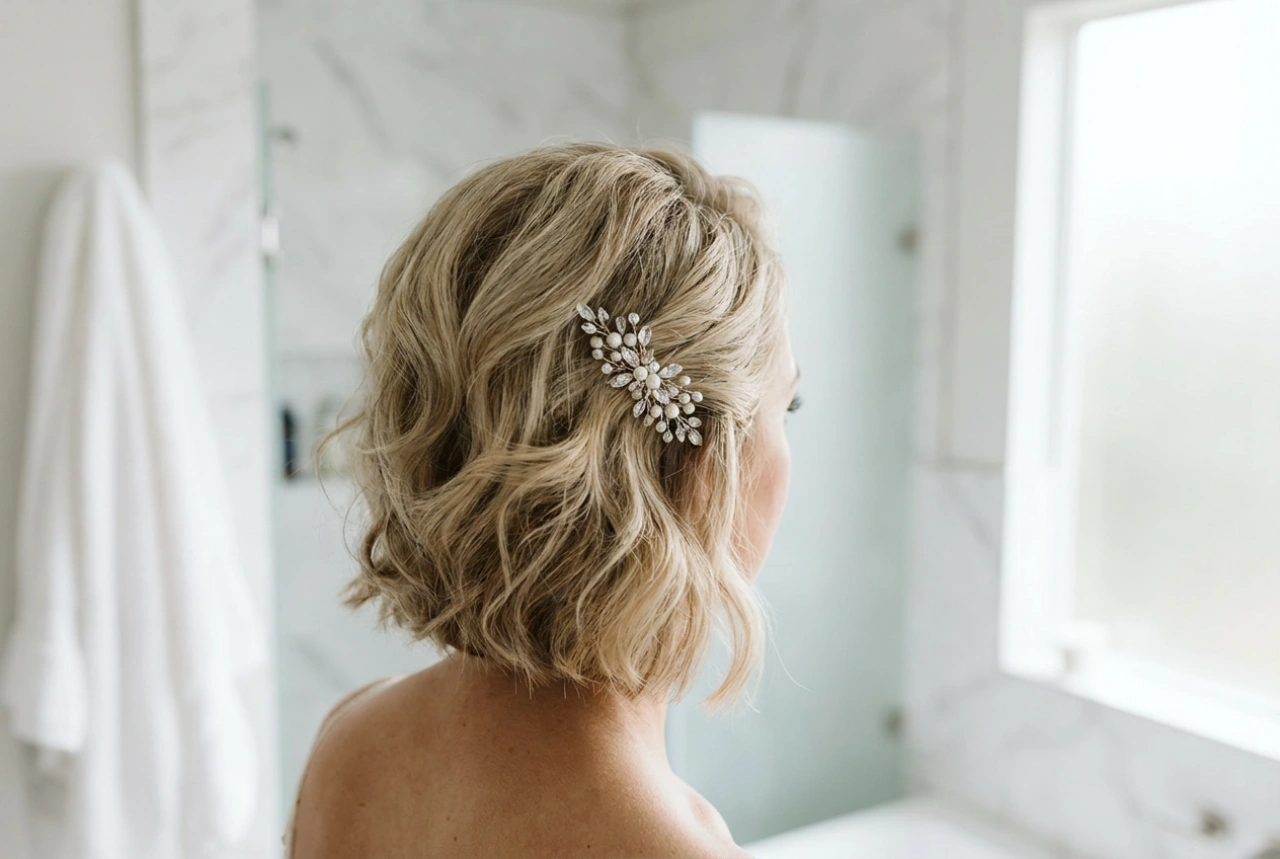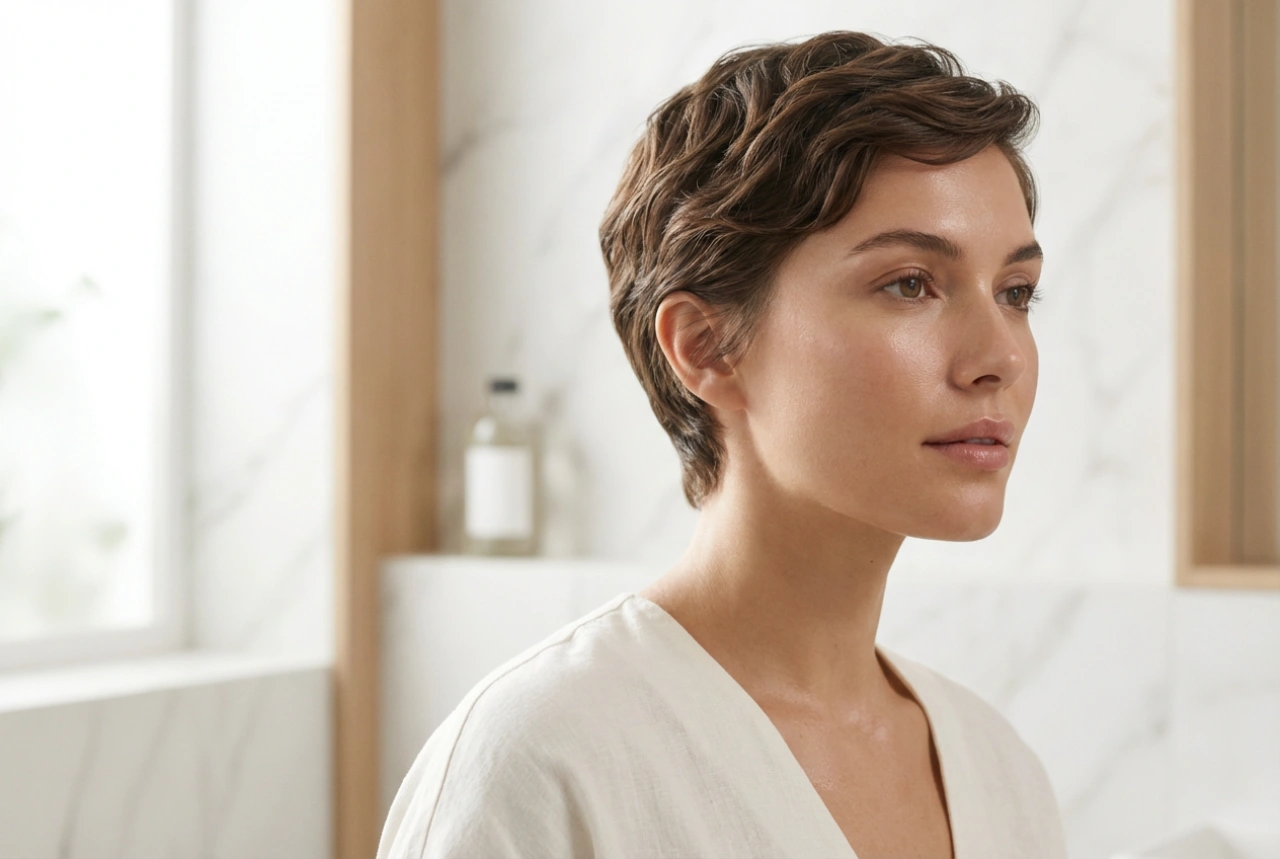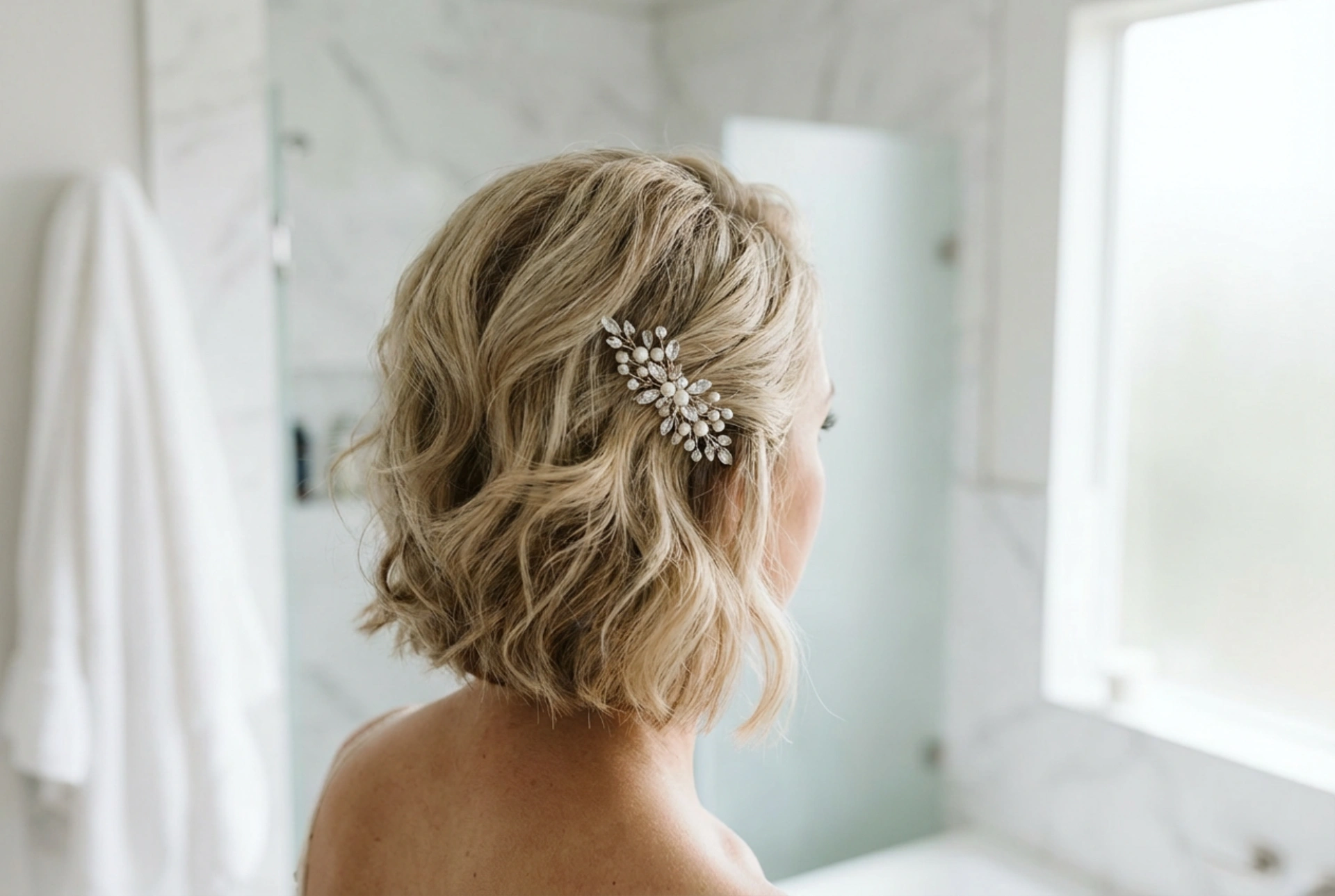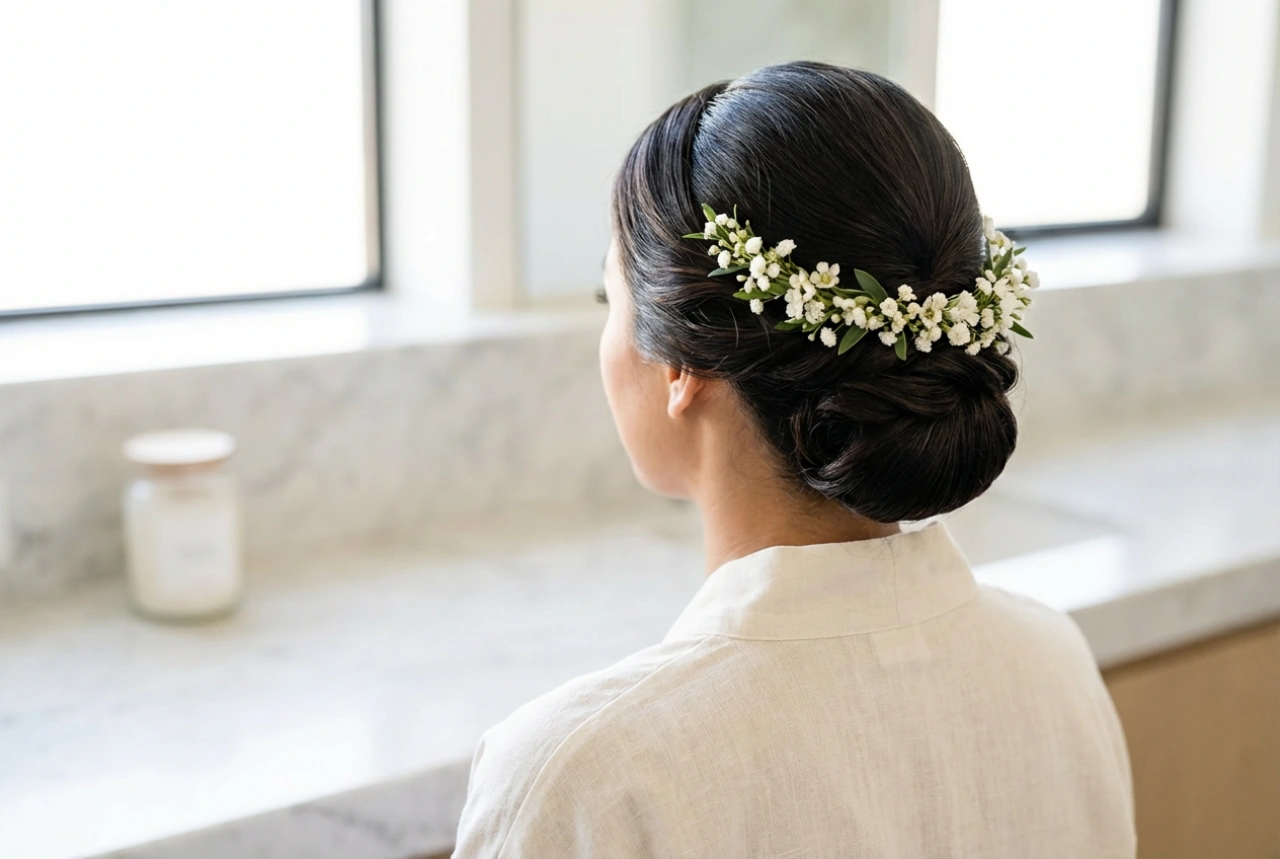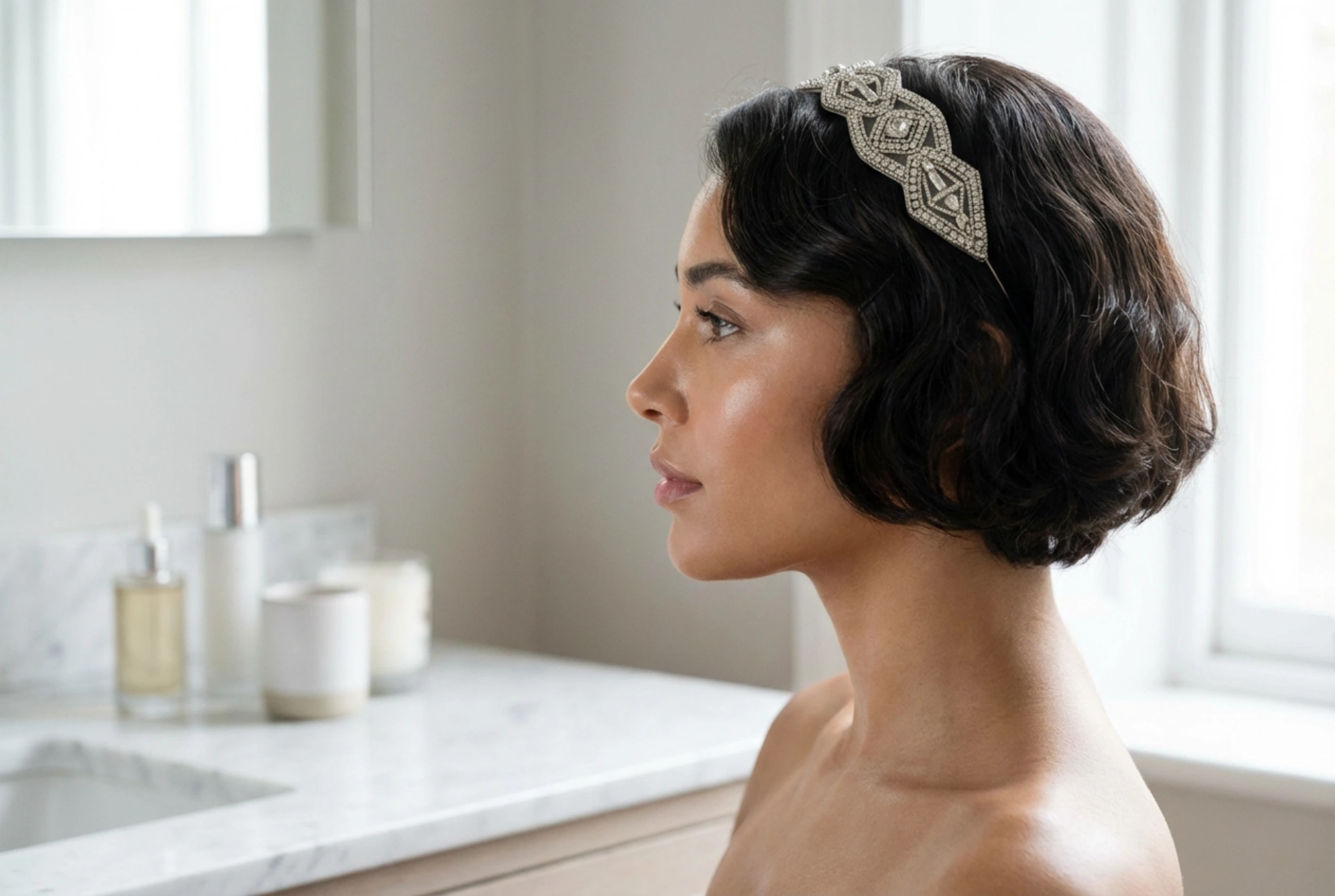


The roaring twenties was a decade of profound transformation, marked by a spirit of liberation and a dramatic shift in women's fashion. Long, elaborate tresses were cast aside in favour of daring, shorter cuts that symbolised independence and modern style. Today, this vintage aesthetic continues to inspire contemporary beauty, combining timeless glamour with modern grace. A classic 1920s-inspired short bob, complete with soft finger waves and an elegant art deco headband, remains the ultimate statement of sophisticated retro charm.
The Revolutionary 1920s Bob
The introduction of the bob haircut in the 1920s was more than just a fashion statement; it was a cultural shift. Women chose to crop their hair short as a sign of freedom and practicality. This classic look, characterised by its clean lines and precise length—usually aligning with the jawline or earlobes—creates an instantly recognisable profile that highlights the neck and cheekbones.
Variations of the Vintage Bob
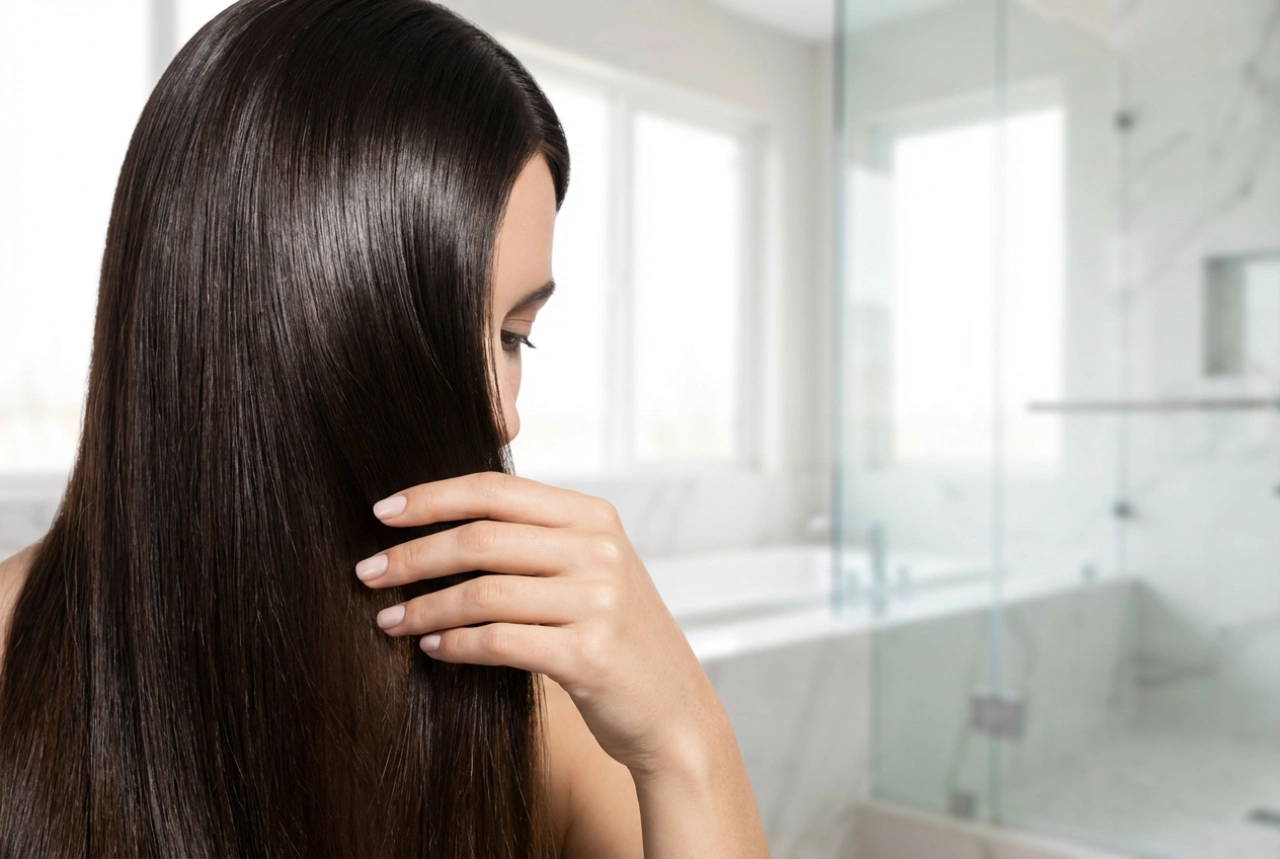
- The Classic Straight Bob: A sleek, blunt cut that frames the face beautifully, offering a polished and minimalist look.
- The Shingle Bob: A tapered cut at the back of the neck, exposing the nape, which was highly popular for its sleek, aerodynamic shape.
- The Curled Bob: A softer version where the ends are gently turned inwards or styled into soft, voluminous waves to frame the face.
To achieve this look today, you do not need a drastic haircut. Many modern styling techniques, such as a faux bob, allow individuals with longer hair to experiment with this iconic silhouette by tucking and pinning their locks under at the nape of the neck.
Mastering Finger Waves at Home
Finger waves are perhaps the most iconic texture associated with the 1920s. These soft, S-shaped waves lie flat against the head, creating a beautifully sculpted frame for the face. Achieving this style at home requires patience, but the results are exceptionally elegant.
Step-by-Step Styling Guide
Creating authentic-looking finger waves involves a few straightforward steps using gentle styling products and basic tools:
- Preparation: Start with damp hair. Apply a generous amount of styling gel or setting lotion throughout your hair to provide hold and shine.
- The First Ridge: Comb your hair thoroughly, making a deep side parting. Place a finger near the parting and comb the hair forwards, then curve the comb back to create an 'S' shape.
- Securing the Wave: Use wave clips or long metal sectioning clips to pinch and secure the ridge you have created. Be careful not to disrupt the smooth pattern.
- Repeat: Continue this process down the side of your head, alternating the direction of the comb to form continuous, soft waves.
- Drying and Setting: Allow your hair to dry completely, either naturally or by using a diffuser on a low, cool setting. Once dry, gently remove the clips and mist with a light-hold hairspray to maintain the shape without stiffness.
Accessorising with Art Deco Headbands
No 1920s-inspired hairstyle is truly complete without the addition of a striking accessory. Headbands from this era were influenced heavily by the Art Deco movement, featuring geometric patterns, intricate beadwork, and delicate details that added an extra layer of luxury to the hairstyle.
When choosing a headband to complement your short bob, consider the placement. A traditional 1920s headband is worn low across the forehead, rather than pushed back into the hairline. This creates a beautifully balanced frame that emphasises the eyes and eyebrows. For a more subtle, contemporary take, you can choose a thin, metallic band adorned with delicate crystals, placing it just slightly back from the hairline to keep the focus on your finger waves.
Caring for Short, Styled Hair
Maintaining the health and shine of a short hairstyle is essential for keeping vintage looks appearing fresh and polished. Because short hair can easily show signs of dryness or product buildup, a consistent care routine is key.
- Hydration: Use a lightweight, hydrating conditioner to keep your hair soft and manageable without weighing it down.
- Heat Protection: If you use heated styling tools to shape your bob, always apply a reliable heat-protecting spray to prevent damage.
- Gentle Cleansing: Since vintage styling often relies on gels, mousses, and hairsprays, ensure you use a gentle, clarifying shampoo once a week to remove any residue and restore natural movement.
By combining these classic styling methods with modern hair care practices, you can effortlessly channel the timeless glamour of the 1920s, bringing a touch of vintage sophistication into the modern era.