

Finding the perfect hairstyle is all about creating balance and harmony with your natural features. For those with a rectangular face shape, the goal is often to soften the strong, angular lines of the jaw and forehead while visually shortening the length of the face. Gentle waves, natural volume, and strategically placed layers can work wonders in achieving a softer, more rounded silhouette. By framing the face with movement and texture, you can draw attention away from sharp angles and create a beautifully balanced look that highlights your best features.
Characteristics of a Rectangular Face Shape
Before exploring the best styling options, it is helpful to understand what defines a rectangular face. This shape is characterised by a face that is noticeably longer than it is wide, with a strong, squared jawline and a high forehead. The forehead, cheekbones, and jawline are typically of similar width, creating a structural and symmetrical appearance. While this shape is incredibly elegant and defined, certain hairstyles can accidentally elongate the face or make the jawline appear harsher than desired. The key to styling is to introduce softness, curves, and horizontal volume to break up the vertical lines.
The Power of Layers and Texture
One of the most effective ways to soften the angles of a rectangular face is through the clever use of layers. Solid, one-length haircuts tend to draw the eye downwards, which can accentuate the length of the face. In contrast, layered cuts introduce movement and texture, which help to round out the overall appearance. Here is how layering works to your advantage:
- Frame the cheekbones: Layers that start around the cheekbones or nose level help to add width to the middle of the face, creating the illusion of an oval shape.
- Soften the jawline: Soft, chin-length layers that curve inwards or outwards can break up the sharp angles of a strong jaw, making the lower half of the face look gentler.
- Boost natural volume: Layering removes excess weight from the hair, allowing your natural texture to bounce and create a fuller, more voluminous silhouette.
Fringes and Bangs: Finding the Right Balance
Bangs are an excellent tool for rectangular faces because they visually shorten the length of the face by covering a portion of the forehead. However, not all fringe styles are created equal, and some can actually make the face look boxier. Choosing the right style is crucial for a flattering result.
Curtain Bangs
Curtain bangs are perhaps the most flattering option for a rectangular face. Parted in the middle or slightly off-centre, they sweep outwards to frame the eyes and cheekbones. This outward movement adds necessary width to the face and softens the forehead area without completely closing it off.
Side-Swept Fringes
A soft, side-swept fringe creates a diagonal line across the forehead, which helps to break up the symmetry of a rectangular face. By drawing the eye diagonally rather than vertically, it creates a more balanced and dynamic look. Ensure the fringe is kept light and textured rather than heavy and blunt.
What to Avoid
It is generally best to avoid very straight, heavy, and bluntly cut fringes that end exactly at the eyebrow line. This style can act like a solid horizontal boundary, making the lower, angular portion of the face appear much wider and more prominent than it is.
Flattering Hair Lengths and Styles
The length of your hair plays a major role in how your facial structure is perceived. While there are no strict rules, certain lengths are naturally more accommodating to rectangular faces.
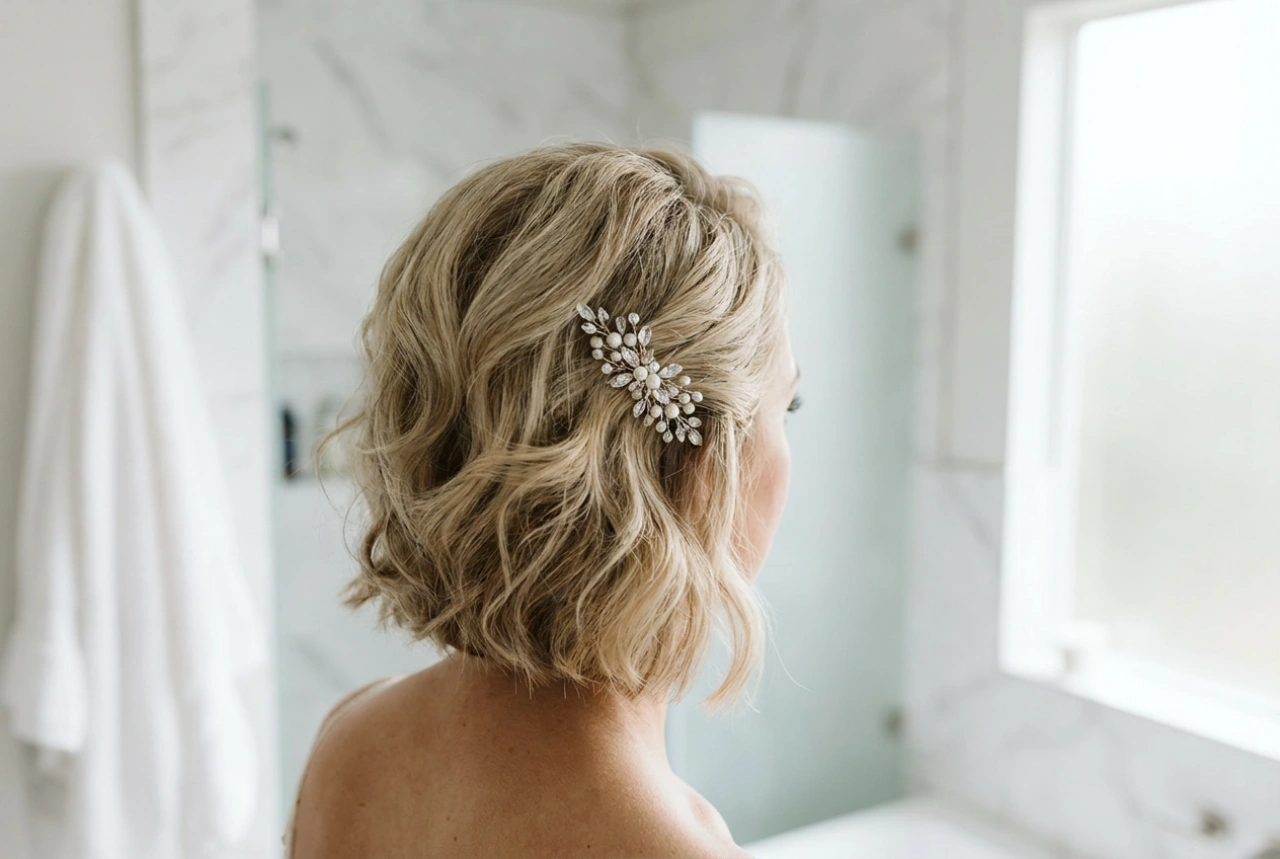
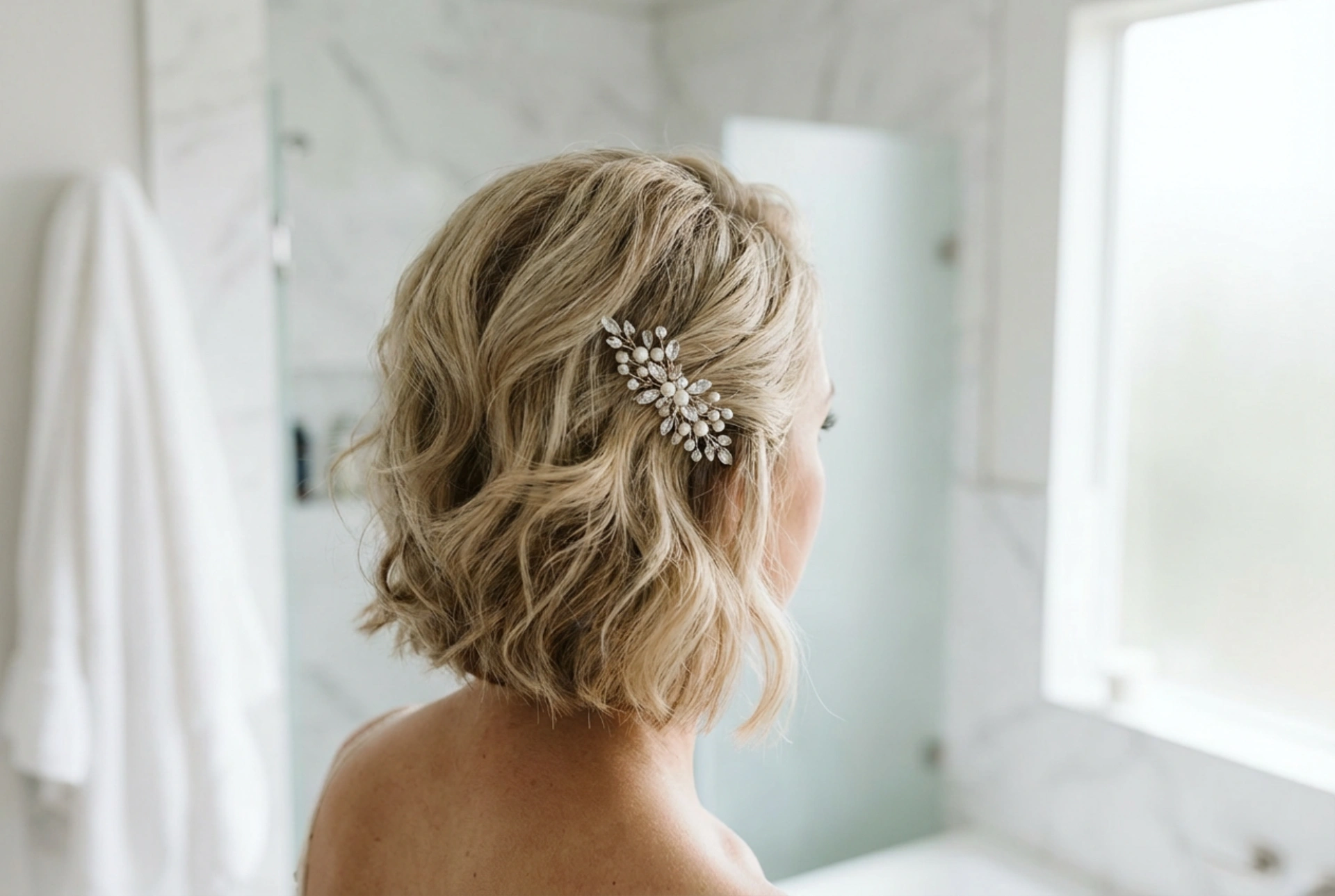
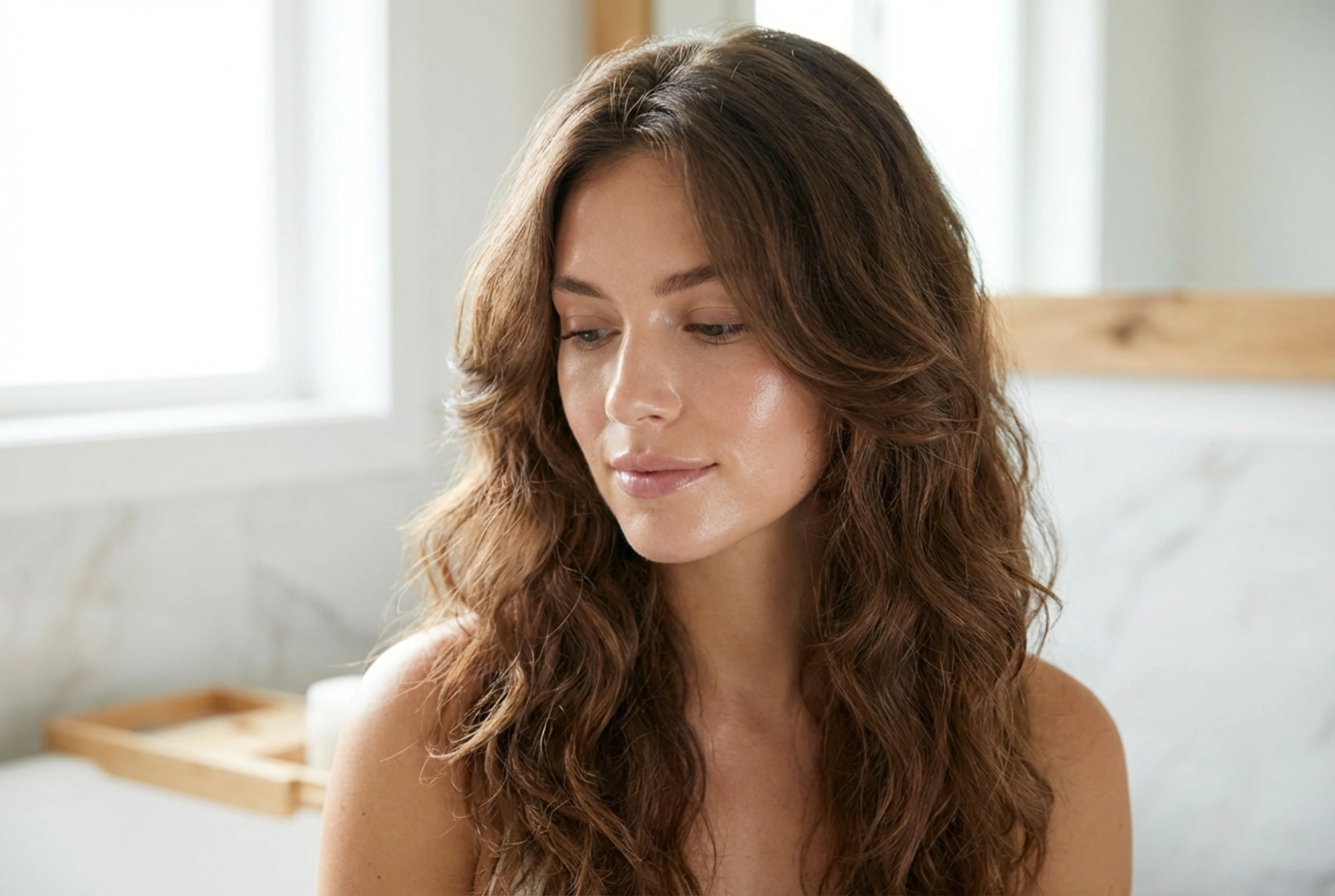
Medium-length styles, such as a long bob (lob) that sits just below the shoulders, are highly recommended. This length provides enough weight to allow for beautiful waves and layers without pulling the face downwards. When styled with loose curls or waves, a medium cut adds volume to the sides of the face, which perfectly balances the vertical proportions.
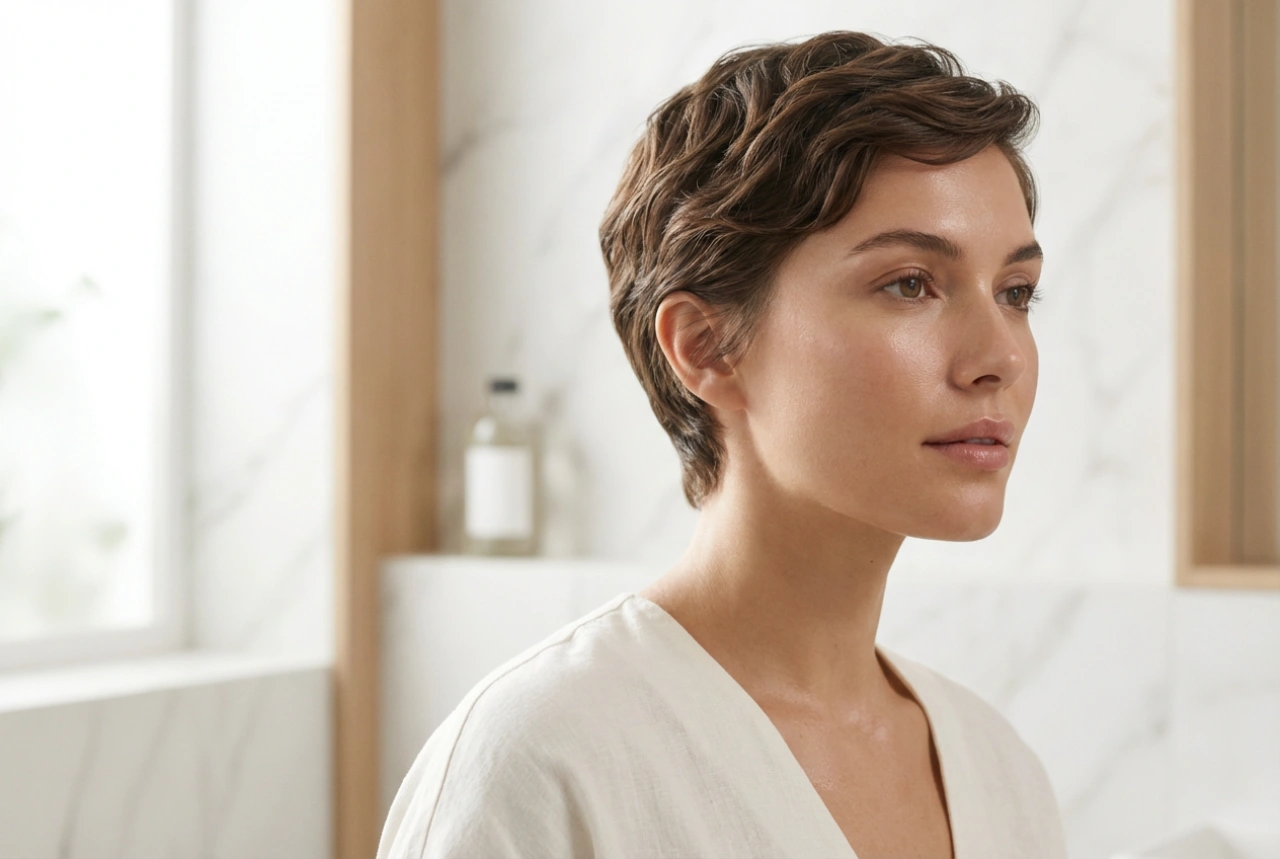
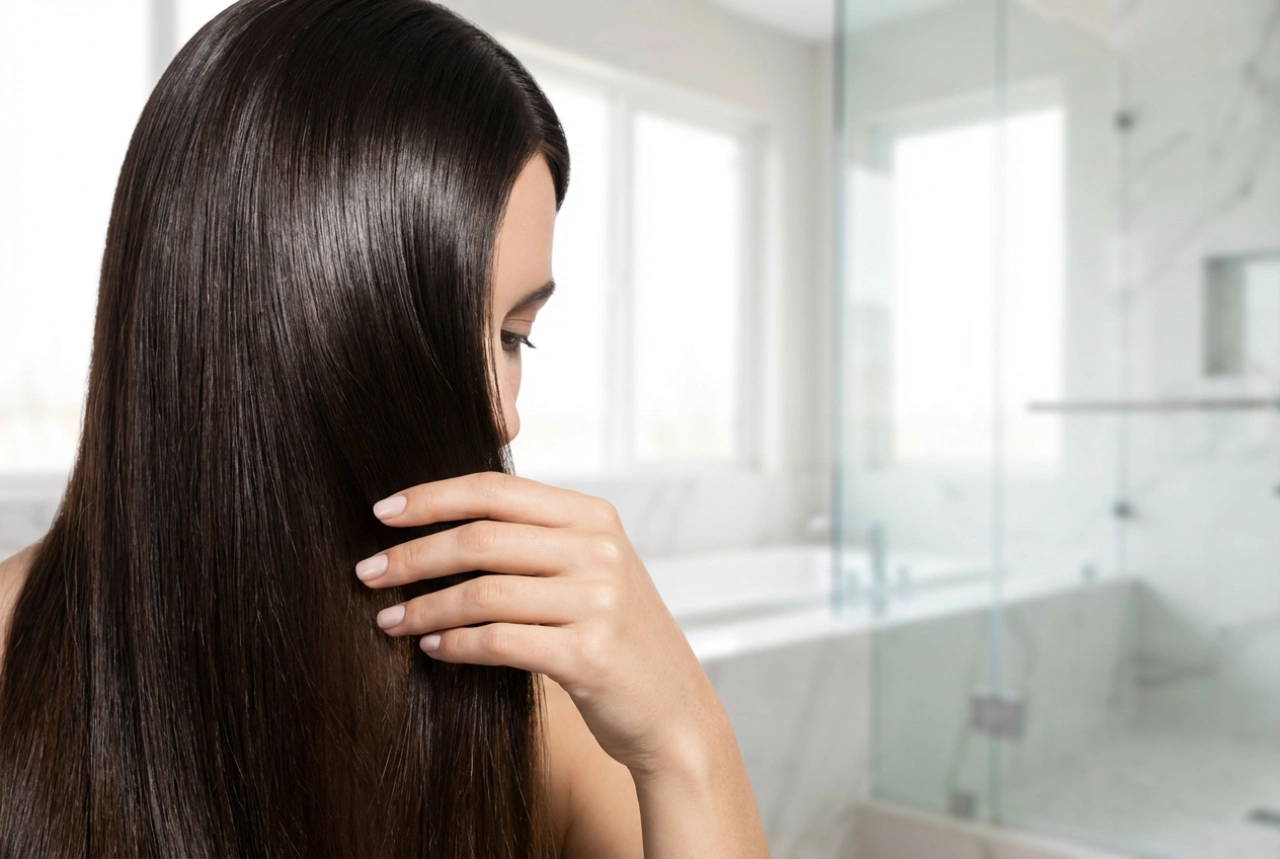
If you prefer longer hair, it is vital to avoid super-straight, flat styles that cling to the sides of your face. Long hair should always be paired with face-framing layers, long curtain bangs, or gentle waves to keep the look soft and voluminous. Short haircuts can also work beautifully, provided they have plenty of texture on top and softness around the ears to avoid looking too severe.
Practical Tips for Adding Volume at Home
Achieving a flattering look is not just about the haircut; it is also about how you style your hair on a daily basis. Adding volume and movement at home can be simple with the right techniques:
- Blow-dry with a round brush: When drying your hair, focus on lifting the roots and curling the mid-lengths outwards to create horizontal volume around your face.
- Embrace your natural texture: If you have naturally wavy or curly hair, use a diffuser when drying to enhance the natural bounce and shape of your curls.
- Create loose waves: Using a wide-barrel curling wand, wrap sections of your hair away from your face. Focus the waves around the cheekbone level to add width where it is needed most.
- Avoid parting in the exact centre: A slightly off-centre or deep side parting can disrupt the vertical symmetry of a rectangular face, instantly softening your features.
By incorporating these simple cutting and styling techniques, you can easily balance a rectangular face shape, highlighting your elegant structure while introducing a soft, voluminous, and harmonious frame.