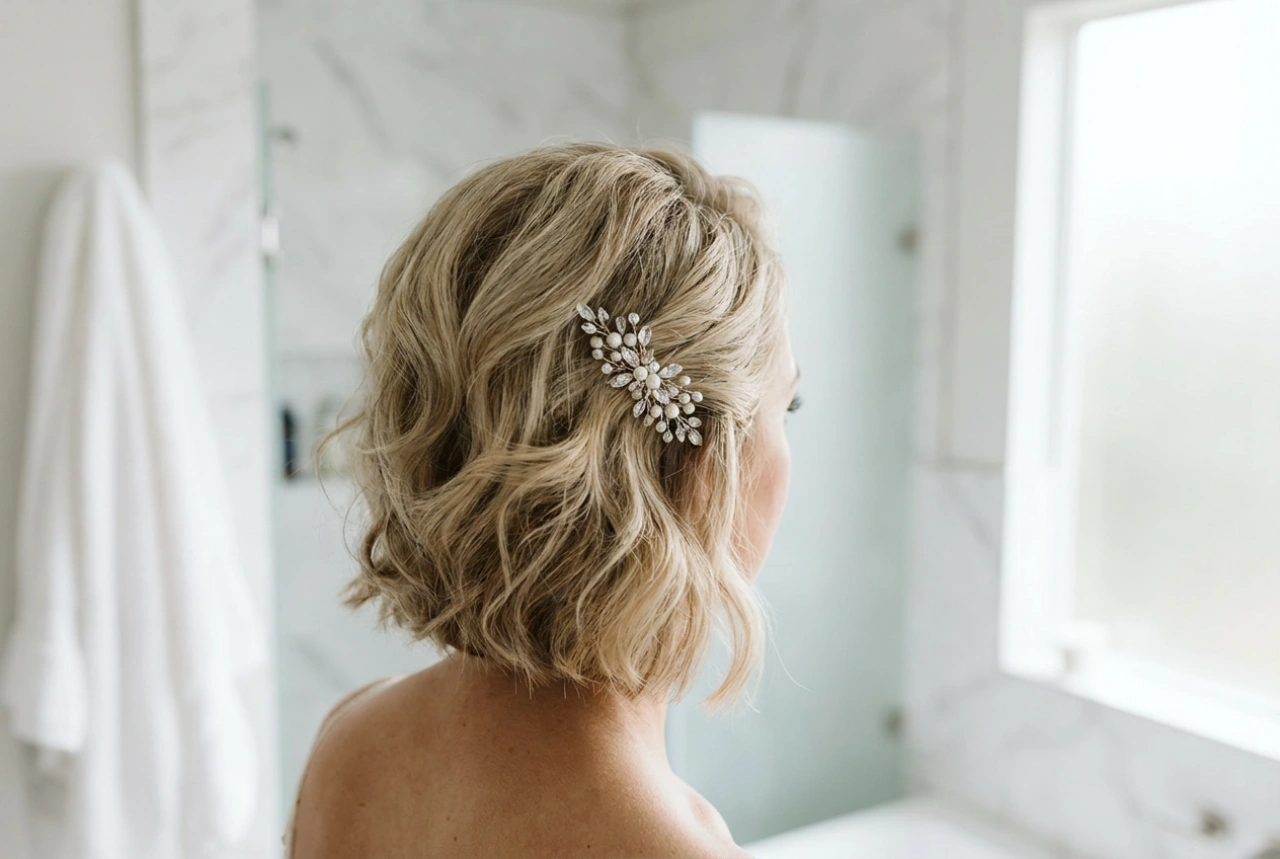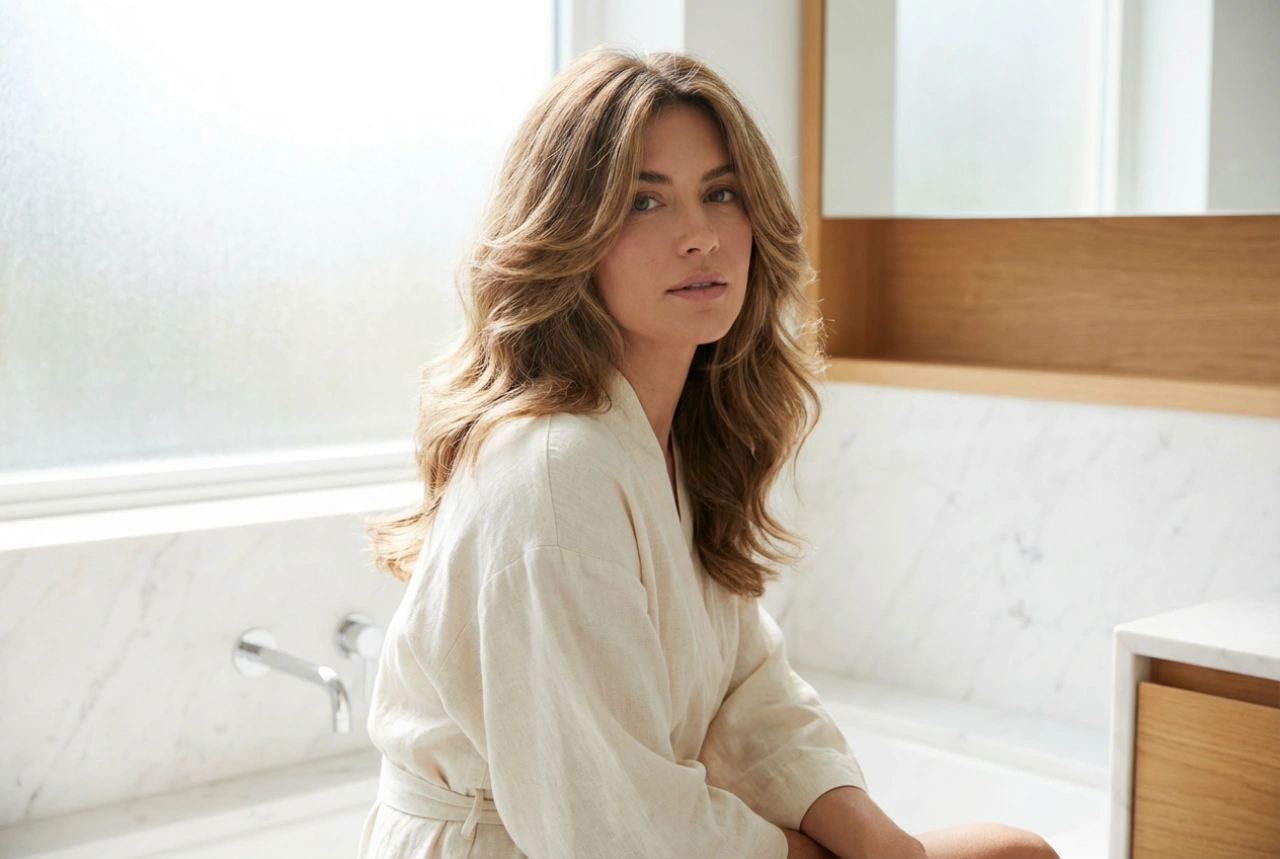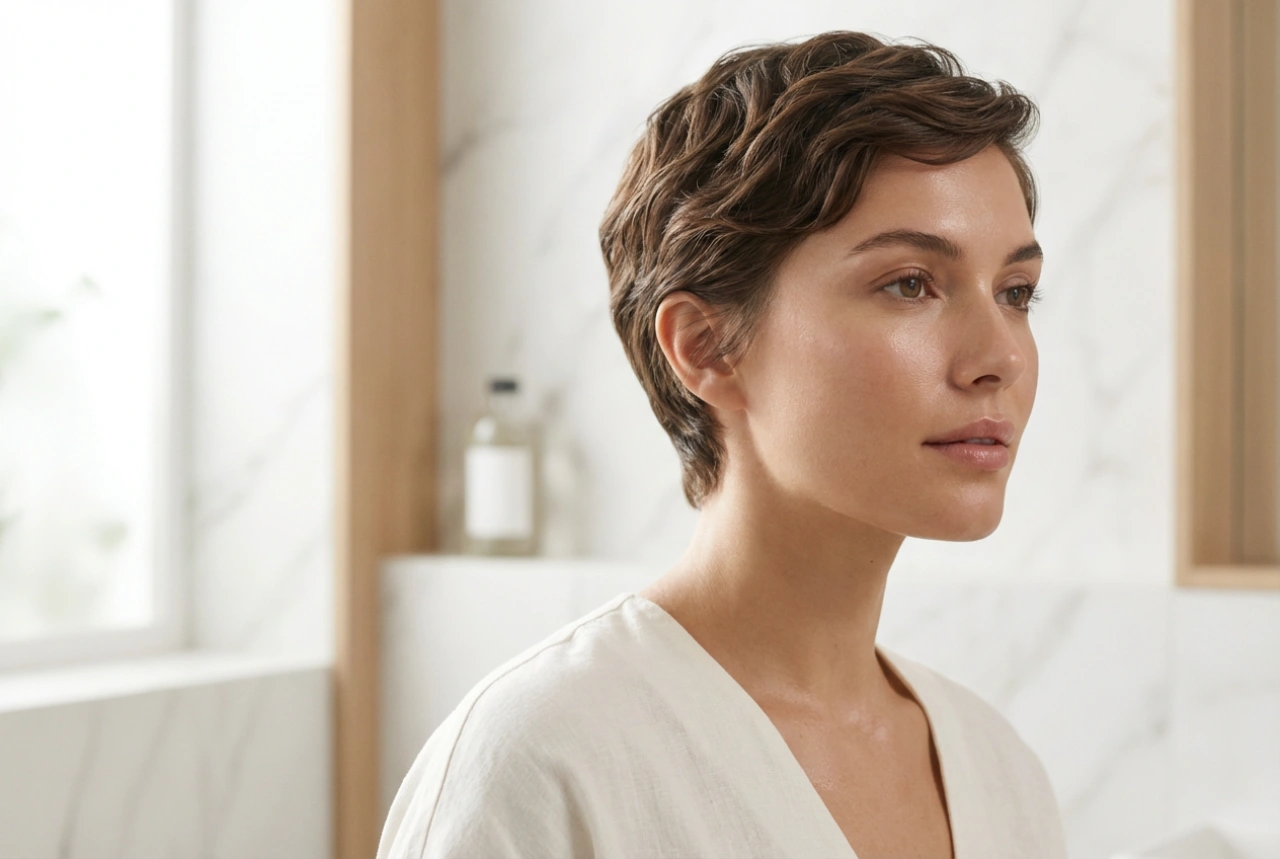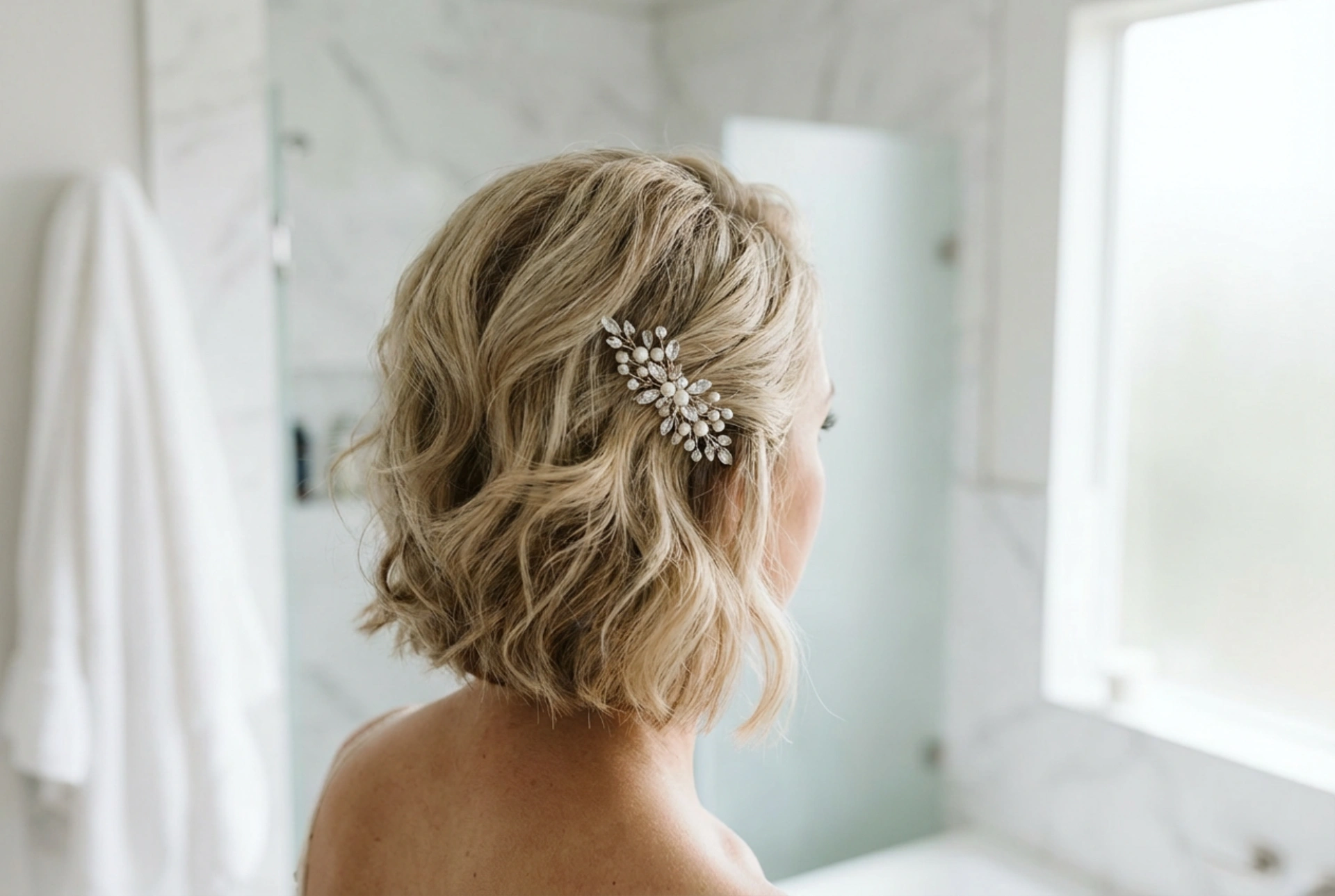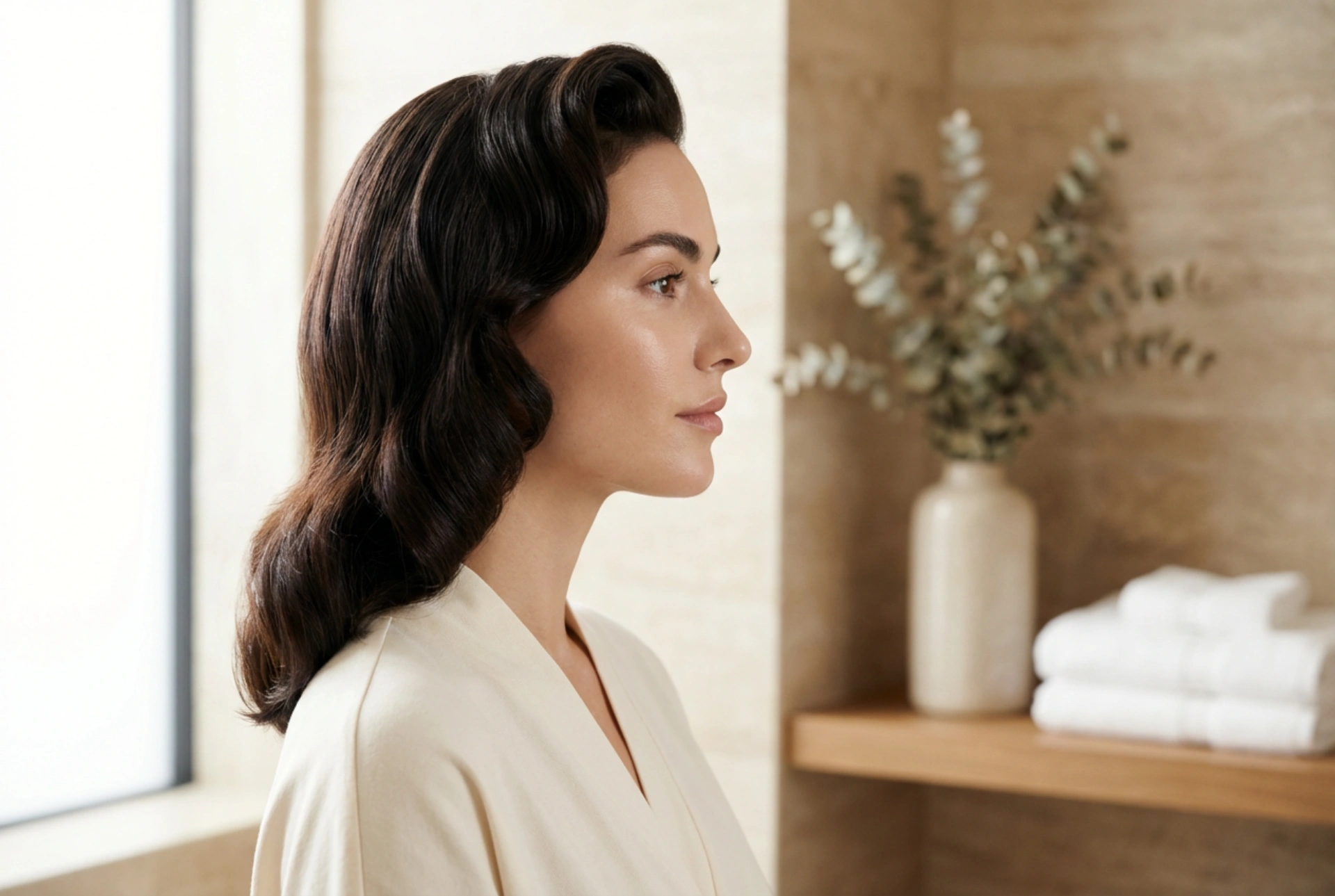


Classic hairstyles hold an enduring charm that transcends fleeting seasonal trends. A sophisticated profile featuring meticulously sculpted, soft retro waves cascading gracefully, subtly accented by a delicate victory roll, captures a sense of timeless elegance. Modern refinement allows these historic techniques to be adapted for everyday wear or special occasions, transforming classic coiffures into wearable art. Learning how to recreate vintage looks at home offers an engaging way to explore hair styling history while achieving a polished, sophisticated aesthetic. With the right tools and a bit of patience, anyone can master these vintage styling methods to add a touch of mid-century glamour to their modern look.
The Art of the Hollywood Retro Wave
Retro waves, often referred to as Hollywood waves, are characterised by their seamless, flowing 'S' shape and uniform pattern. Unlike modern messy curls, retro waves require structure, precision, and a specific brushing technique to achieve that smooth, glossy finish. The secret lies in curling the hair in the same direction and then brushing the curls out to merge them into a single, cohesive wave.
Step-by-Step Guide to Retro Waves
To begin, prepare clean, dry hair by applying a heat protectant spray. Vintage styles rely heavily on hold, so applying a lightweight styling mousse before drying can provide the necessary grip. Divide your hair into horizontal sections, starting from the nape of the neck. Using a curling wand or tongs with a medium barrel, wrap sections of hair around the iron, ensuring all curls are wound in the identical direction—typically towards the face for a classic frame.
- Curling: Curl each section and secure the hot ringlet to your scalp with a sectioning clip. Letting the curls cool completely in this pinned shape is crucial for longevity.
- Brushing out: Once the entire head is curled and fully cooled, remove all the clips. Use a soft bristle brush, preferably a boar bristle brush, to gently sweep through the curls. At first, the hair may look frizzy, but as you continue brushing, the curls will begin to bond and form smooth, elegant waves.
- Shaping: Use your fingers and a few long metal wave clips to define the ridges of the waves. Lightly mist with a medium-hold hairspray, let it dry, and then remove the clips to reveal a polished finish.
Mastering the Iconic Victory Roll
Victory rolls became the defining hairstyle of the 1940s, symbolising strength and elegance. These rolled sections of hair sit atop or at the side of the head, creating beautiful asymmetrical shapes and volume. While they may appear complex, the construction of a victory roll is straightforward once you understand the balance of volume and tension.
How to Style a Victory Roll
Start by selecting a section of hair from the top front or side of your head, depending on where you want the roll to sit. A classic side parting works beautifully for this look. Gently backcomb or tease the underside of the selected section to create a sturdy cushion of volume at the roots. This backcombing provides the anchor for your pins.
Smooth the outer surface of the section with a fine-tooth comb so that the roll looks neat from the outside. Hold the end of the section straight up, then wrap the hair around two or three fingers, rolling it down towards your scalp. This creates a hollow tube of hair. Once the roll rests against your head, secure it internally with bobby pins, placing them vertically inside the roll so they remain hidden. A light spray of hairspray will keep the structure firm and tidy.
The Sophisticated French Twist
The French twist, or French roll, is a chic, clean style that gathered immense popularity during the 1950s and 1960s. It is the epitome of understated sophistication, neatly gathering the hair at the back of the head into a vertical pleat. This hairstyle is exceptionally versatile, working perfectly for formal evening events or polished daytime settings.
Achieving the Perfect Pleat
To create a French twist, brush all of your hair to one side of your head, as if you were going to make a side-swept ponytail. To hold this foundation in place, insert a vertical row of bobby pins up the back of your head, crisscrossing them for extra security. This row of pins acts as the anchor for the entire style.
Gather the hair in your hands and pull it gently in the opposite direction, rolling it inward towards the line of pins to cover them. The hair should form a smooth vertical roll. Tuck the ends of the hair neatly into the top of the twist. Secure the roll along the seam using U-shaped hairpins, catching both the twisted hair and the anchored bobby pins underneath. Smooth down any flyaways with a light smoothing cream or spray to maintain a sleek finish.
Essential Care and Maintenance for Vintage Styles
Because vintage hairstyles rely on heat styling, backcombing, and holding products, proper hair care is essential to keep your locks healthy and vibrant. Repeated teasing and heat exposure can dry out the hair shaft, making regular conditioning treatments a must.
- Preparation: Always start with healthy, moisturised hair. Applying a nourishing leave-in conditioner or hair oil to the ends can prevent split ends and maintain a natural shine.
- Gentle detangling: When washing out a vintage style, do not try to brush out the hairspray and backcombing forcefully while dry. Instead, apply a generous amount of conditioner in the shower to soften the products and gently detangle with a wide-tooth comb before rinsing.
- Product selection: Opt for alcohol-free styling products where possible to prevent dehydration. A high-quality flexible-hold hairspray will allow your hair to move naturally while keeping the structure intact.
By incorporating these classic techniques into your beauty routine, you can enjoy a touch of vintage glamour while maintaining the health and resilience of your hair. Whether opting for the soft romance of retro waves or the structured elegance of a victory roll, these styles remain a testament to the timeless nature of vintage fashion.