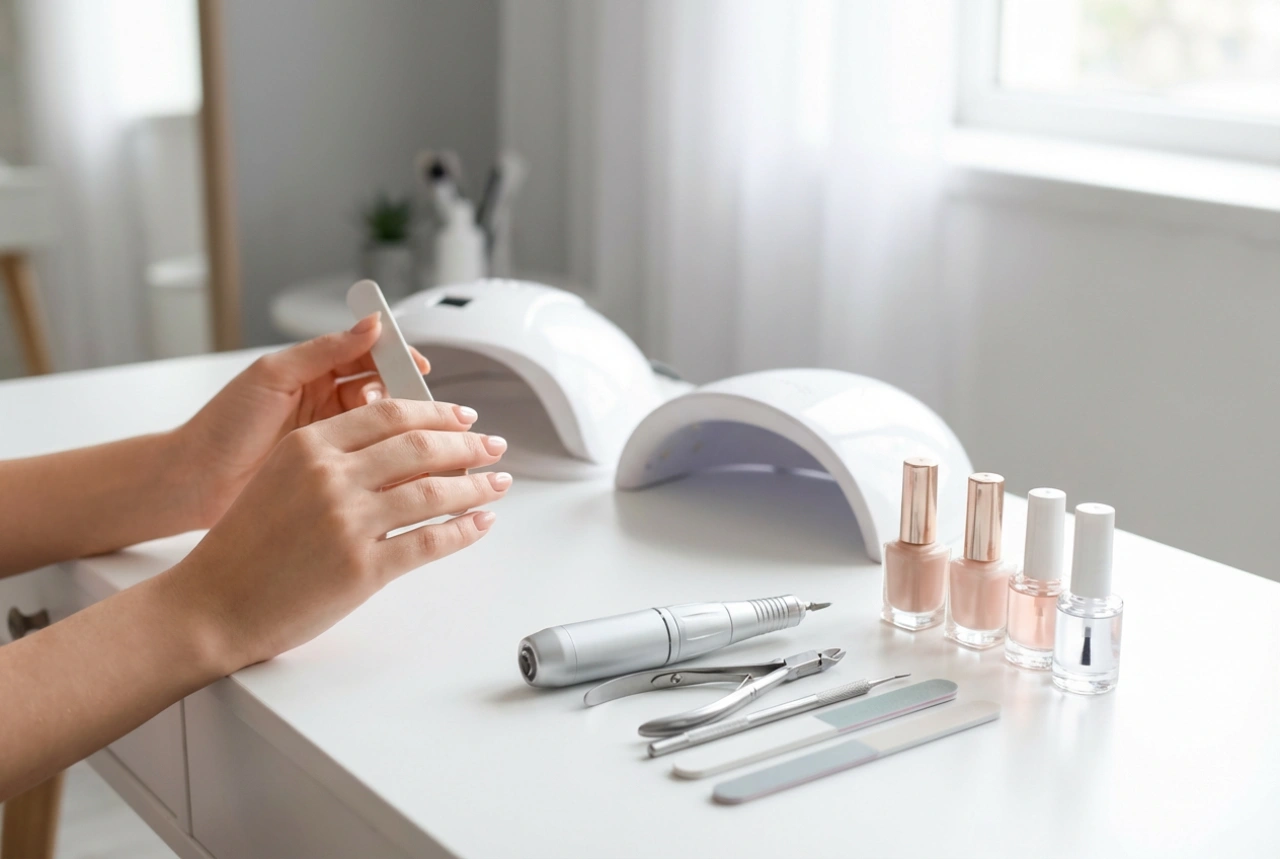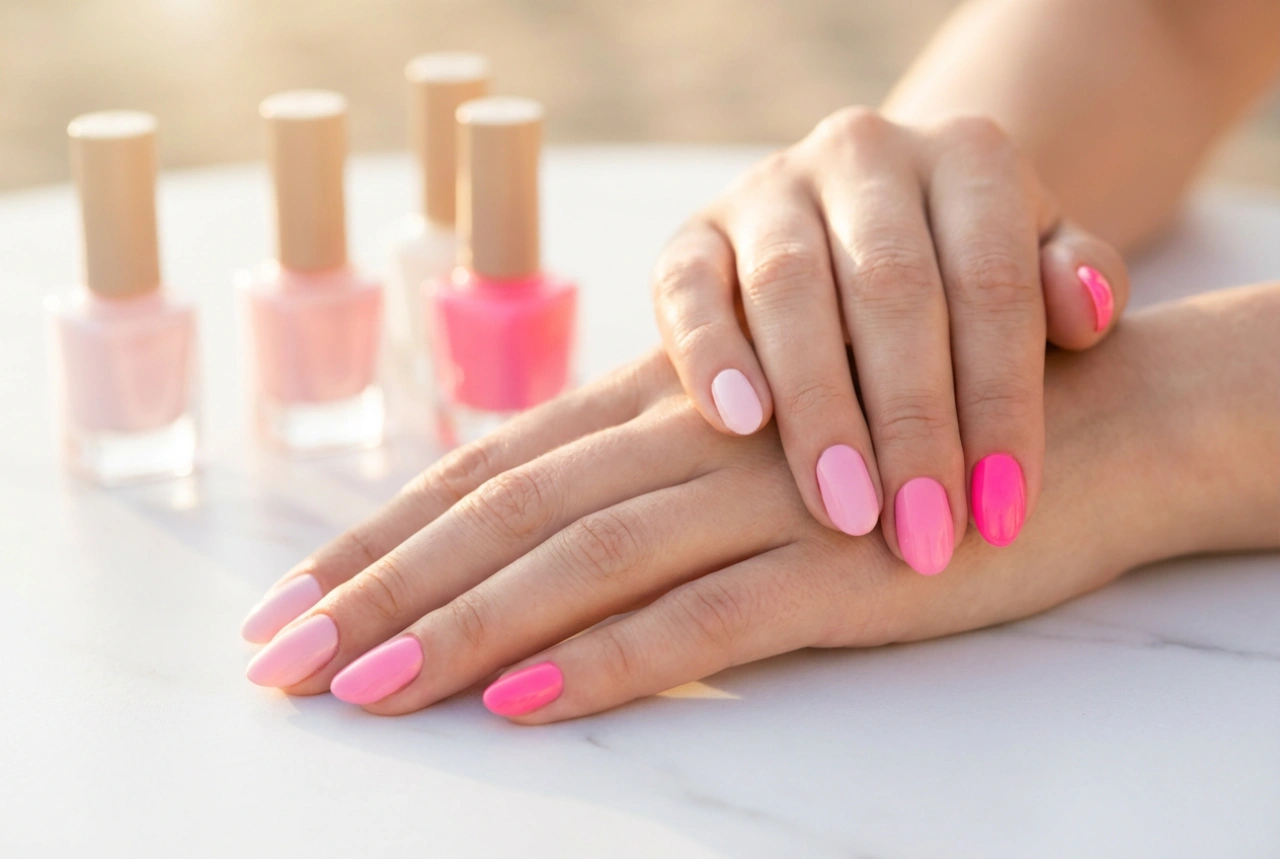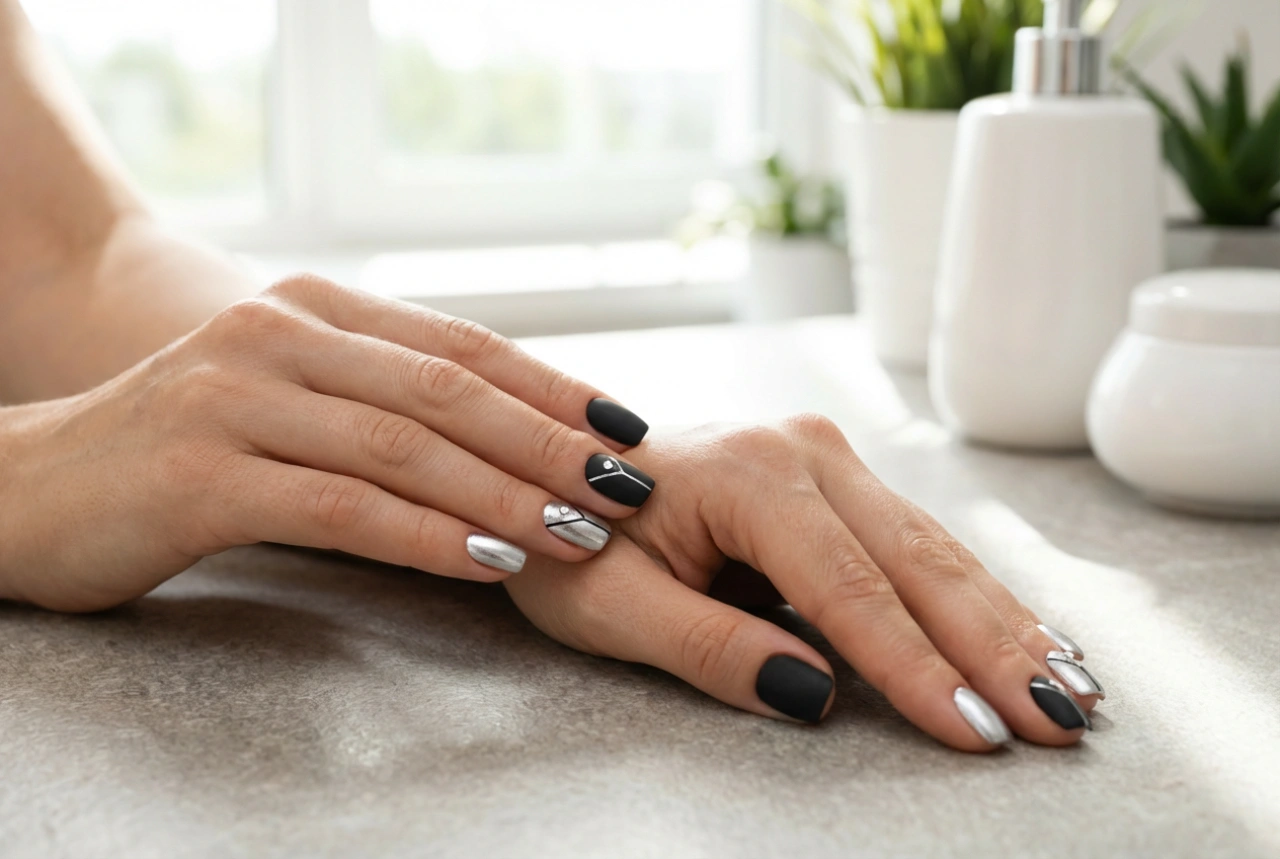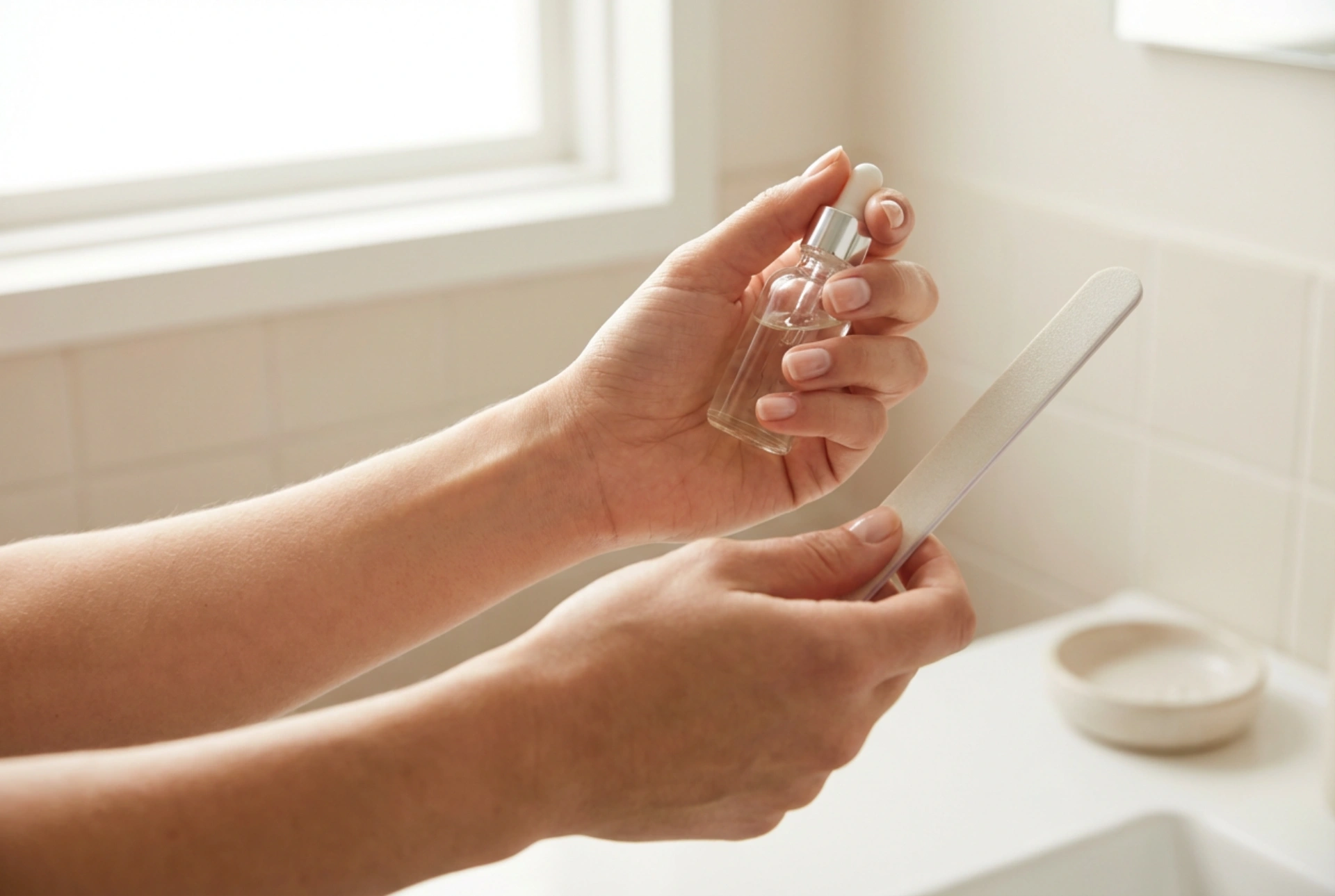


Achieving healthy, natural nails after wearing gel polish requires a dedicated care routine. Looking at the subtle sheen of a well-nourished nail plate, shaped gently with a fine-grit nail file and treated with a rich cuticle oil, highlights the essence of natural nail regeneration. When we transition away from hybrid polishes, our nails often require a period of intensive recovery to regain their natural strength, flexibility, and lustre. This guide explores the most effective, safe, and home-friendly methods to restore your nails to their optimal condition without relying on aggressive salon treatments.
The Importance of a Gentle Filing Technique
One of the most common mistakes made during the post-gel recovery phase is using the wrong tools or techniques to shape the nails. When the nail plate has been subjected to repeated gel applications and removals, it is naturally thinner and more prone to splitting or peeling. Therefore, traditional metal or coarse-grit files must be avoided.
Choosing the Right Nail File
For nails in recovery, a glass file or a high-quality paper file with a very fine grit (such as 240 grit or higher) is the ideal choice. These tools gently smooth the edges of the nail without causing microscopic tears in the keratin layers. Micro-tears are the primary cause of premature peeling and splitting, so investing in a gentle tool is a foundational step in your care routine.
Filing in a Single Direction
The technique used is just as important as the tool itself. Always file your nails in one direction—from the outer corner towards the centre. Avoid the common sawing motion back and forth, as this disrupts the delicate layers of the nail plate, making them highly susceptible to damage. By filing slowly and deliberately in a single direction, you seal the edges of the nail, protecting them from daily wear and tear.
Deep Nourishment and the Power of Oil Treatments
Nails that have undergone gel cycles are often severely dehydrated. The chemicals used during application and, more importantly, the acetone used during removal strip away the natural lipids that keep the nail plate flexible. Without these lipids, nails become brittle and snap easily under minor pressure.
Choosing Natural Oils
Incorporating natural oils into your daily routine is the most effective way to restore moisture. Several easily accessible botanical oils work wonders for nail health:
- Jojoba Oil: Highly penetrative and structurally similar to the skin's natural sebum, making it excellent for deep moisturisation.
- Sweet Almond Oil: Rich in vitamins and essential fatty acids, it helps to smooth the surface of the nail and soften the surrounding cuticles.
- Castor Oil: Known for its thick consistency, it provides a protective barrier and supports the natural strengthening of the nail plate.
The Massage Routine
To maximise the benefits of your chosen oil, apply a small drop to each nail plate and the surrounding cuticle area. Gently massage the oil using circular motions for at least two minutes per hand. This massage not only helps the oil penetrate deeper but also stimulates local blood circulation, promoting healthy nail growth from the matrix. For the best results, perform this ritual every evening before bed, allowing the oils to work uninterrupted overnight.
The Necessity of Recovery Breaks
While gel manicures offer durability and beautiful designs, the nail plate occasionally needs a complete break from all synthetic coatings. Constant coverage prevents you from monitoring the actual state of your nails and can trap moisture incorrectly over long periods.
How Long Should a Break Last?
A standard nail growth cycle takes about three to six months to completely replace the nail plate from base to tip. However, even a short break of three to four weeks can make a significant difference. During this rest period, the goal is to focus entirely on reconstruction and hydration, leaving the nails completely bare or protected only by a lightweight, breathable, non-medical conditioning coat.
Embracing the Natural Look
During your break, keep your nails relatively short. Shorter nails are less likely to catch on surfaces, bend, or tear, which is crucial when the structure is temporarily weakened. Embrace a clean, minimalist aesthetic with neatly shaped, buffed, and oiled nails that showcase their natural, healthy sheen.
Daily Habits to Support Nail Strength
External treatments must be supported by mindful daily habits to ensure long-lasting results. Protecting your hands from harsh environmental factors prevents further damage to the recovering keratin layers.
Wear Protective Gloves
Whenever you are performing household chores, washing dishes, or using cleaning detergents, always wear protective gloves. Water exposure swells the nail plate, and as it dries, it shrinks. This continuous expansion and contraction weakens the nail structure significantly, whilst detergents strip away the protective oils you have worked so hard to replenish.
Avoid Using Nails as Tools
It is easy to subconsciously use your nails to open cans, peel stickers, or scrape surfaces. When nails are recovering from gel polish, their resistance to bending is low. Using them as tools creates micro-fractures along the stress points, leading to sudden breaks. Treat your fingertips gently, relying on proper tools instead of your hands.