

Pastel manicures are a timeless choice that radiates elegance and understated charm. Whether you opt for a soft lavender, a delicate mint, or a warm peach, these gentle shades bring a clean, polished look to your hands. However, achieving a flawless, streak-free pastel finish at home can sometimes feel challenging. The chalky nature of pastel pigments means they can easily look uneven or patchy if not applied with care. With the right technique, a steady hand, and proper preparation, you can recreate a salon-quality pastel manicure in the comfort of your own home, capturing that beautifully soft, diffused natural light aesthetic on your fingertips.
Choosing the Right Pastel Shade for Your Skin Tone
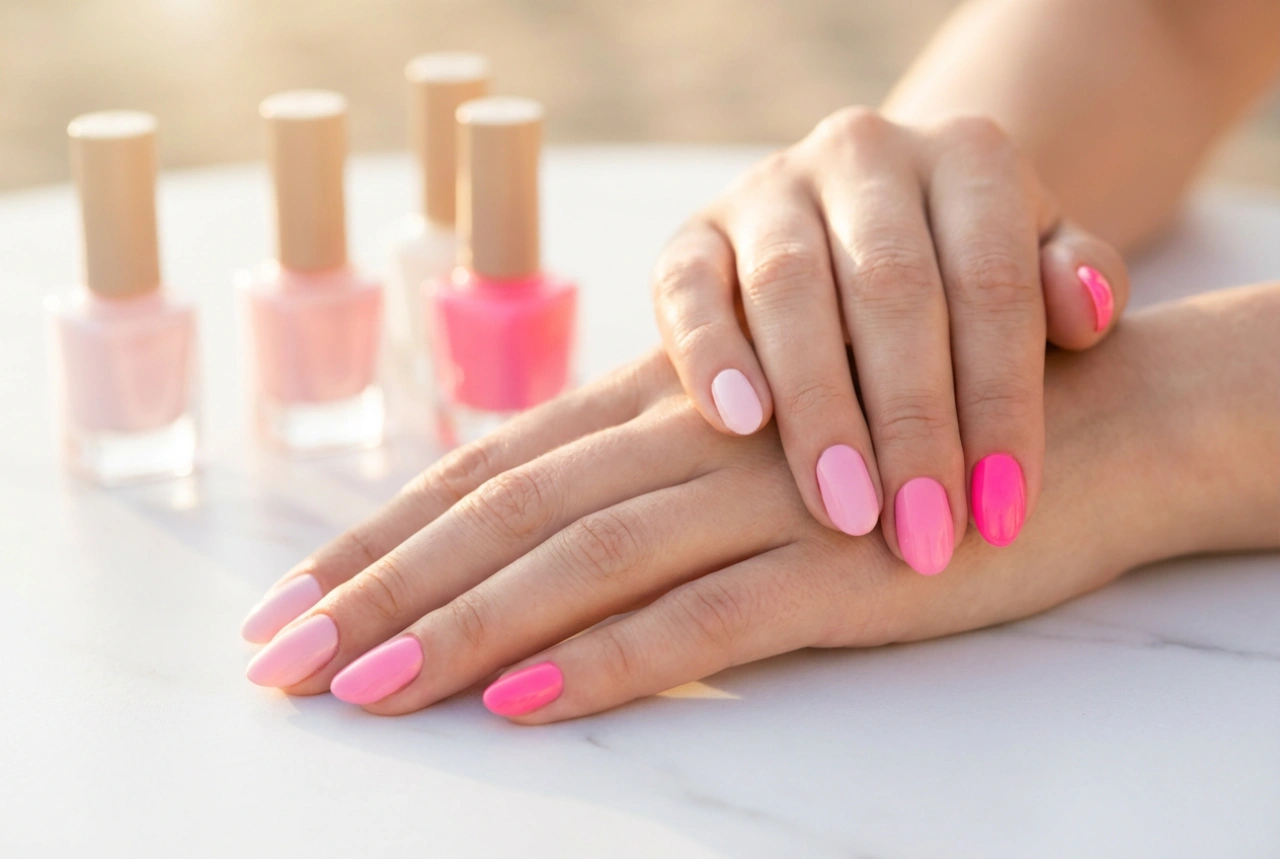
Selecting the perfect pastel shade involves understanding your skin’s undertones to create a harmonious and flattering look. If you have cool undertones, which are often characterised by veins that appear blue or purple, soft baby blues, cool lavenders, and pastel pinks will complement your hands beautifully. For warm undertones, where veins appear slightly greenish, shades like peach, buttery yellow, and warm mint green offer a stunning contrast that enhances the natural warmth of your skin. Neutral undertones are highly versatile, allowing you to experiment freely with almost any pastel hue, from soft lilac to creamy beige, without worrying about washing out your skin tone.
Essential Nail Preparation for a Smooth Canvas
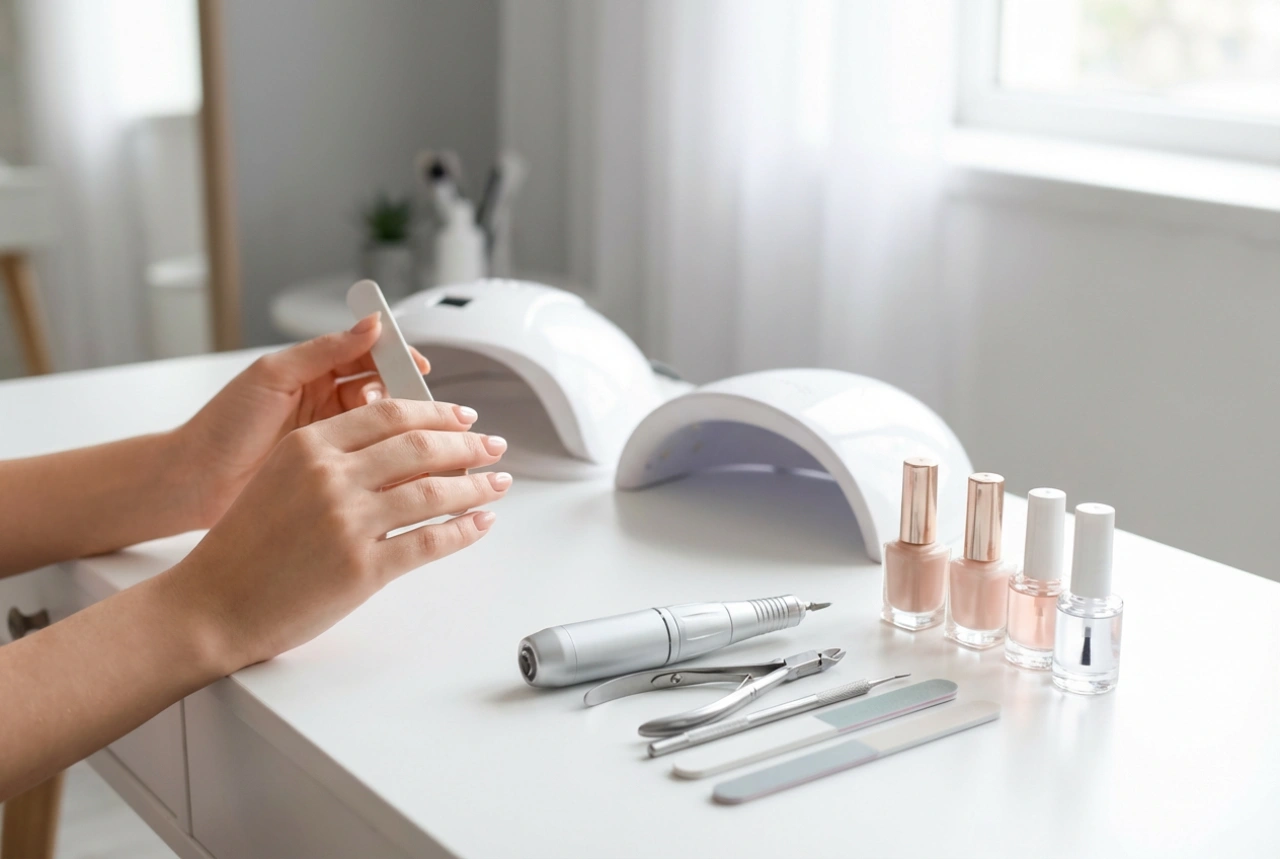
The key to a streak-free pastel application lies in meticulous preparation. Pastel polishes tend to highlight every ridge, bump, and dry patch on the nail plate, making a smooth foundation absolutely vital. Follow these steps to prepare your nails:
- Gently push back the cuticles using a wooden stick or a dedicated tool to ensure a clean, neat nail bed.
- Lightly buff the surface of the nail with a fine-grit buffer to smooth out any natural ridges and imperfections.
- Dehydrate the nail plate using a gentle nail cleanser or rubbing alcohol to remove natural oils and dust, which helps the polish adhere better.
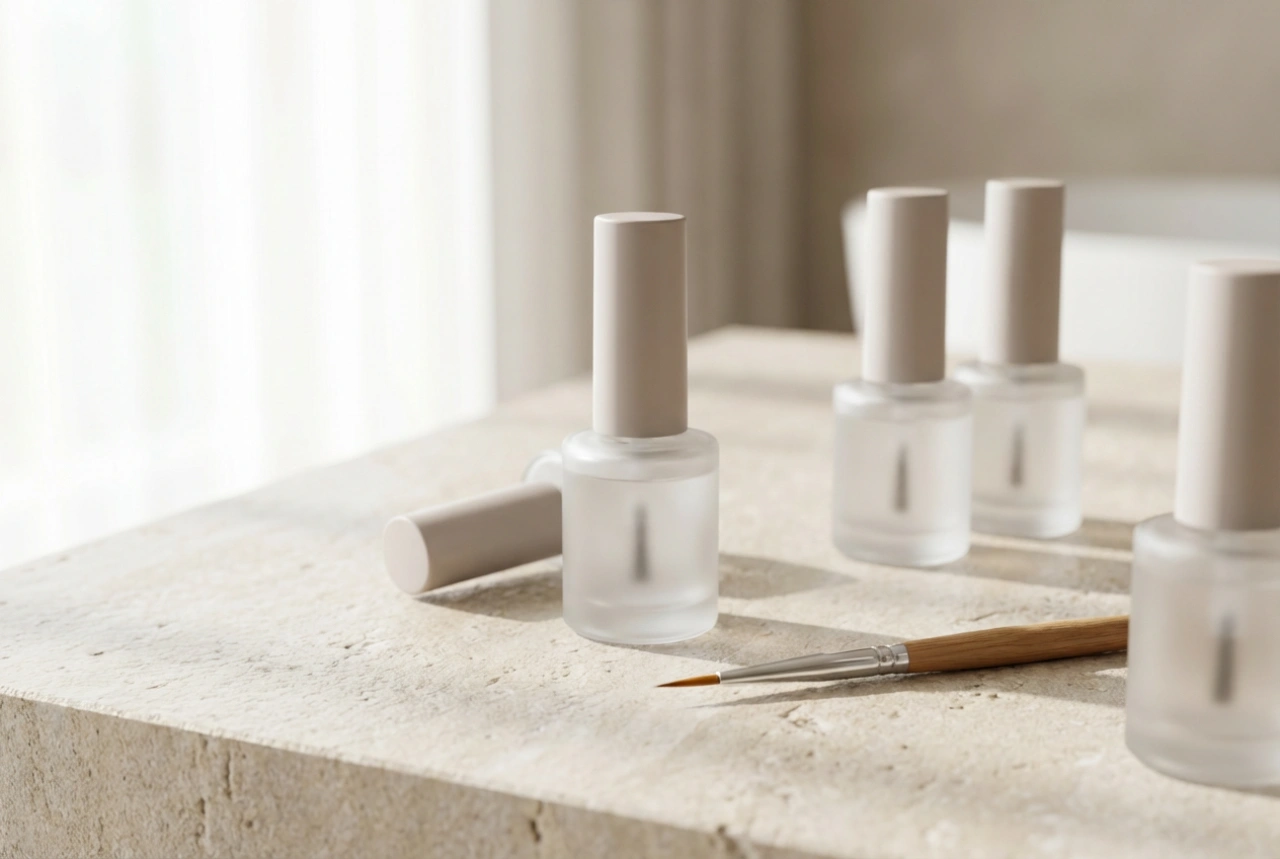
- Apply a high-quality base coat. A slightly opaque or milky base coat is particularly effective under pastels, as it creates a uniform, neutral canvas and helps the pastel colour pop with fewer layers.
The Art of Streak-Free Pastel Application
Pastel formulas can be notoriously tricky to work with because of their high white pigment content, which often leads to a streaky finish. To avoid this, patience and correct technique are your best tools. Always start by wiping one side of the brush against the bottleneck to ensure you do not have too much product on the bristles.
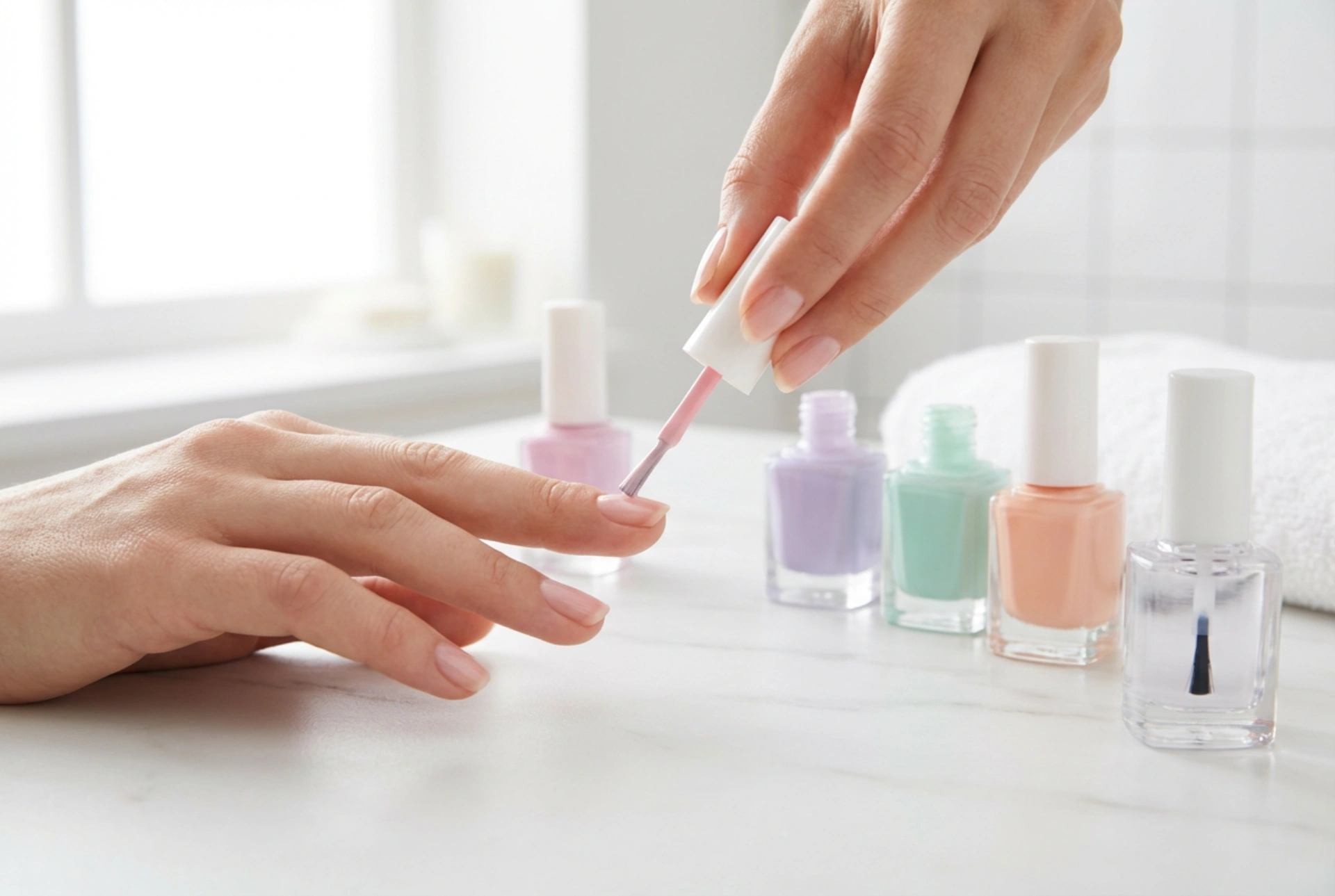
When applying the polish, use the classic three-stroke method. Place a small bead of polish slightly away from the cuticle, push gently towards the base without touching the skin, and swipe down the centre. Then, paint each side of the nail with smooth, continuous strokes. It is always better to apply three ultra-thin layers rather than two thick ones. Thick layers lead to bubbling, uneven drying, and pooling around the cuticles. Additionally, keep the brush parallel to the nail plate and apply very light pressure; pressing too hard will drag the polish and create unwanted streaks.
Finishing with the Perfect Top Coat
Once your pastel layers have dried for a couple of minutes, the final step is to seal your manicure. A high-quality top coat not only adds depth and shine but also helps to blend any remaining minor streaks together, creating a perfectly smooth surface. Apply the top coat gently, ensuring you do not drag the brush through the pastel layers underneath.
Capping the free edge is crucial for longevity; sweep the brush along the very tip of each nail to seal the polish and prevent premature chipping. Depending on your desired aesthetic, you can choose a high-gloss top coat for a classic, glass-like finish, or a matte top coat for a modern, velvet-like pastel look that highlights the delicate nature of the colours.