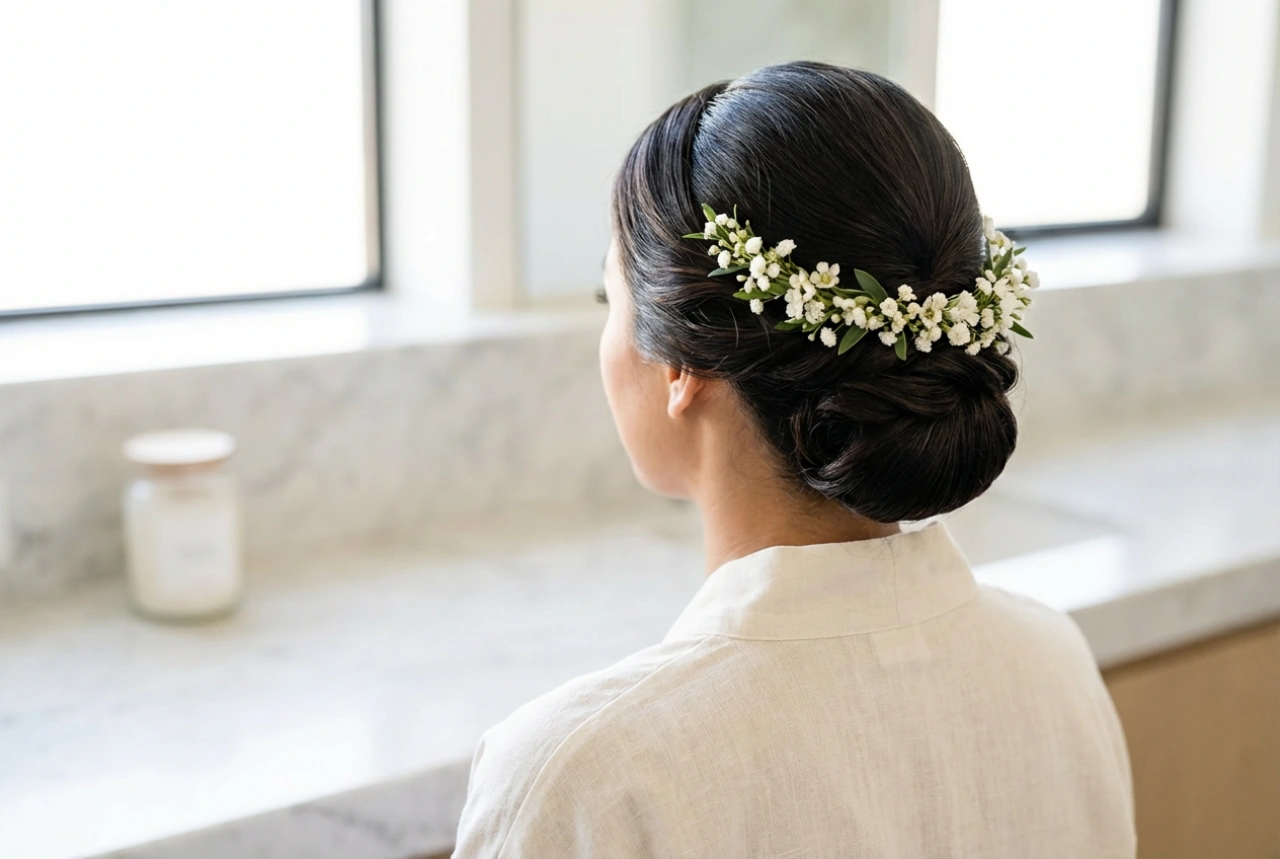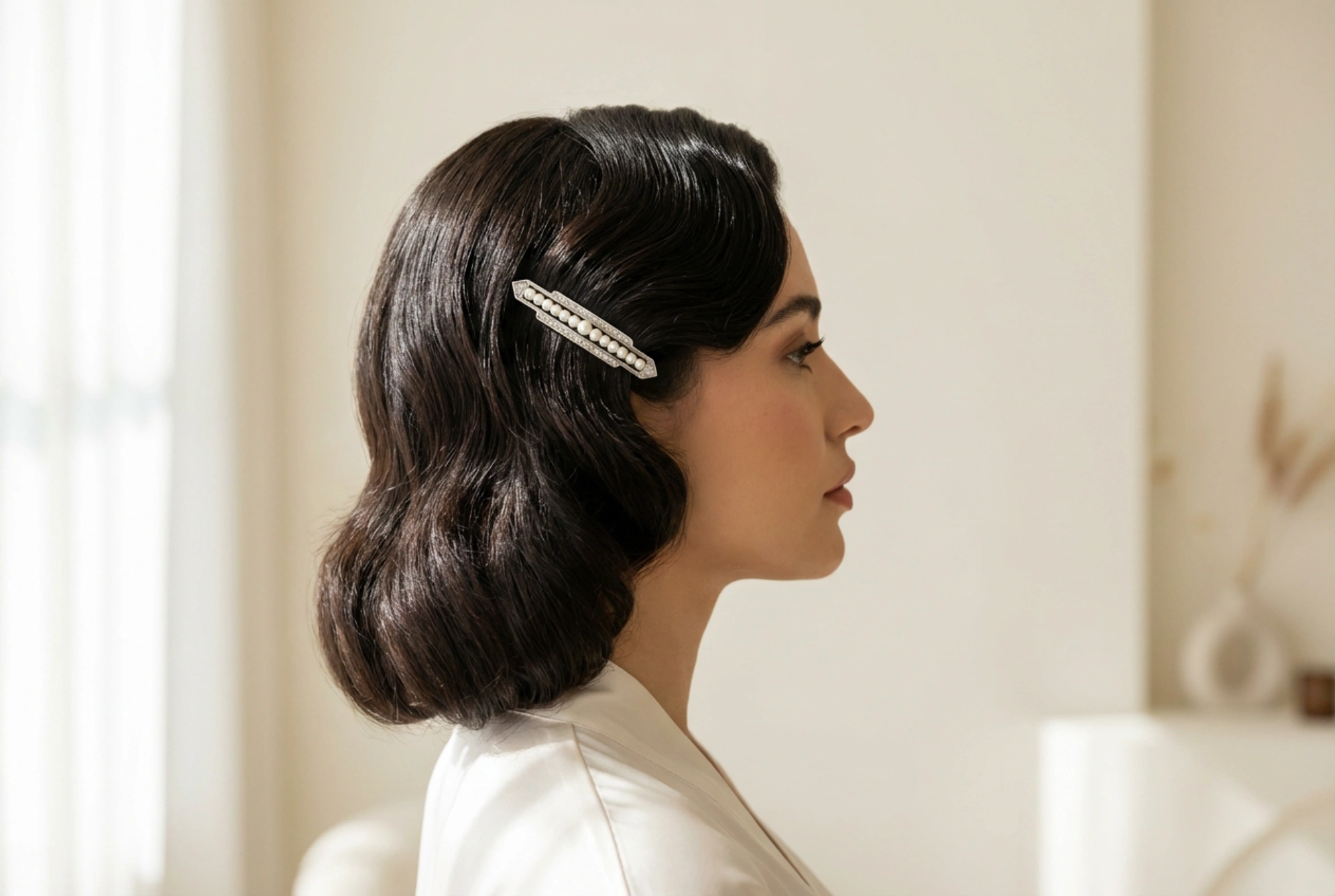


The timeless elegance of the 1920s continues to inspire modern beauty trends, particularly when it comes to classic hair styling. Glossy finger waves, reminiscent of the glamorous jazz age, offer a sophisticated look that beautifully frames the face and highlights the natural texture of the hair. While this hairstyle once required hours in a high-end salon, it is entirely possible to recreate these stunning retro waves in the comfort of your own home. With a bit of patience, the right styling products, and a touch of art-deco inspiration, you can achieve a flawless vintage look that exudes confidence and grace.
The Charm of Retro Finger Waves
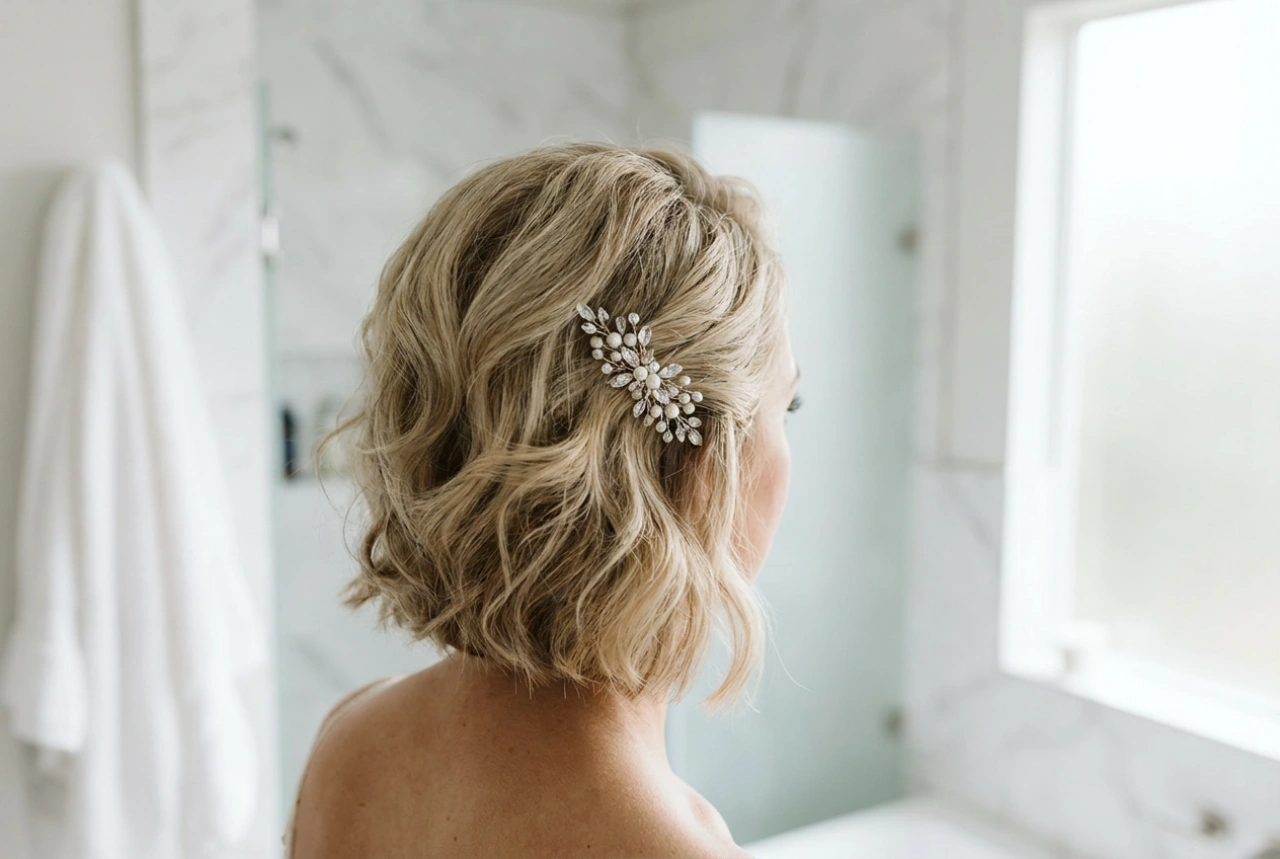
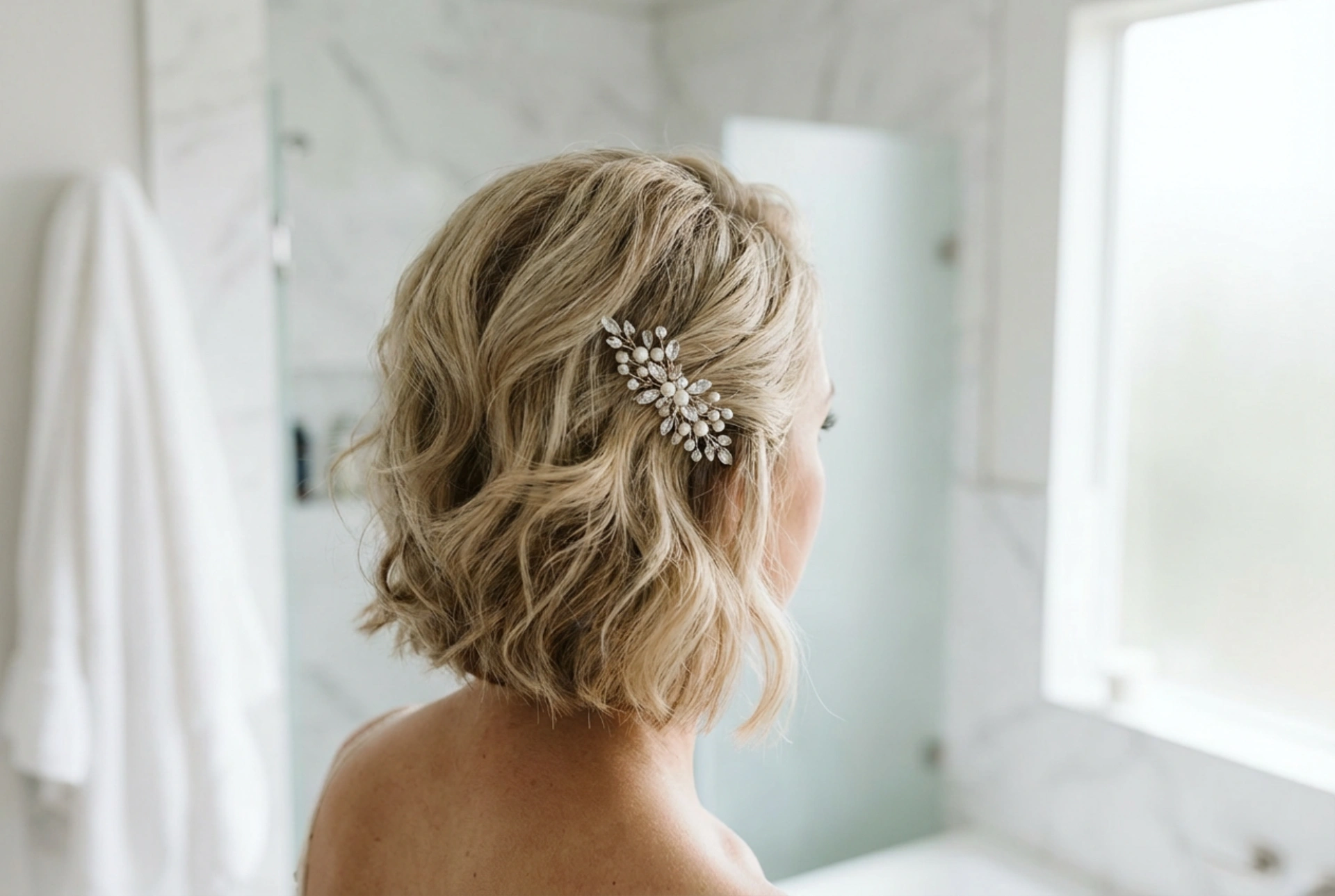
Finger waves became the defining hairstyle of the 1920s, offering a structured yet soft alternative to the traditional long locks of previous eras. This technique involves shaping wet hair into alternating \"S\" curves using fingers and a comb. The result is a highly defined, reflective surface that catches the light beautifully, especially when paired with vintage accessories like a delicate art deco barrette. Today, this style is favoured for formal events, weddings, or simply when you want to add a touch of classic sophistication to your look.
Essential Tools for Home Styling
To achieve perfect retro waves without professional salon equipment, you will need a few basic tools that are gentle on your tresses:
- A fine-toothed comb to ensure precise sectioning and smooth shaping.
- A high-hold styling gel or setting lotion to keep the waves structured.
- Sectioning clips or traditional wave clamps to hold the ridges in place as they dry.
- A fine-mist hairspray to lock the finished style without creating stiffness.
- An elegant, vintage-inspired hair clip or barrette to complete the classic 1920s aesthetic.
Step-by-Step Guide to Creating 1920s Waves
Step 1: Preparation and Parting
Start with clean, damp hair. Apply a generous amount of styling gel or a strong-hold setting mousse from the roots to the mid-lengths. This provides the necessary grip and shine required for the classic wet-look wave. Next, create a deep side parting using the fine-toothed comb. This asymmetrical parting is essential for achieving the authentic 1920s silhouette.
Step 2: Shaping the First Wave
Comb the hair on the heavier side of the parting straight down. Place your index finger of your non-dominant hand parallel to the parting, about two inches down. Using the comb, pull the hair slightly forward and then backward to create a ridge against your finger. Secure this first ridge with a styling clip.
Step 3: Creating the Alternating Ridges
Move your finger down another two inches. This time, comb the hair in the opposite direction (forward) to form the second curve of the \"S\" shape. Secure this second ridge with another clip. Repeat this process down the length of your hair, alternating directions to form a continuous wave pattern.
Step 4: Setting and Drying
Once all the waves are clipped in place, you must let the hair dry completely. You can let it air dry naturally to avoid frizz, or use a hair dryer with a diffuser attachment on a low, cool setting. Do not remove the clips until the hair is thoroughly dry, as disturbing the damp strands will cause the waves to lose their definition.
Step 5: The Finishing Touches
Carefully remove the clips. Gently press the waves with your fingers to soften any stiffness caused by the styling gel. For an authentic touch, add a glossy shine spray and slide a soft, art-deco-inspired barrette just above the ear on the side with less hair.
Practical Tips for a Flawless Finish
To ensure your retro waves look polished and last throughout the day, keep these practical tips in mind. Firstly, work in small, manageable sections to maintain control over the wave pattern. Secondly, ensure your hair is thoroughly wet when applying the initial styling product; dry hair will not hold the sharp ridges of a true finger wave. Lastly, if you want a softer, more modern interpretation of this look, you can gently brush through the dried waves with a soft-bristle brush, transforming the sharp ridges into soft, cascading retro waves.