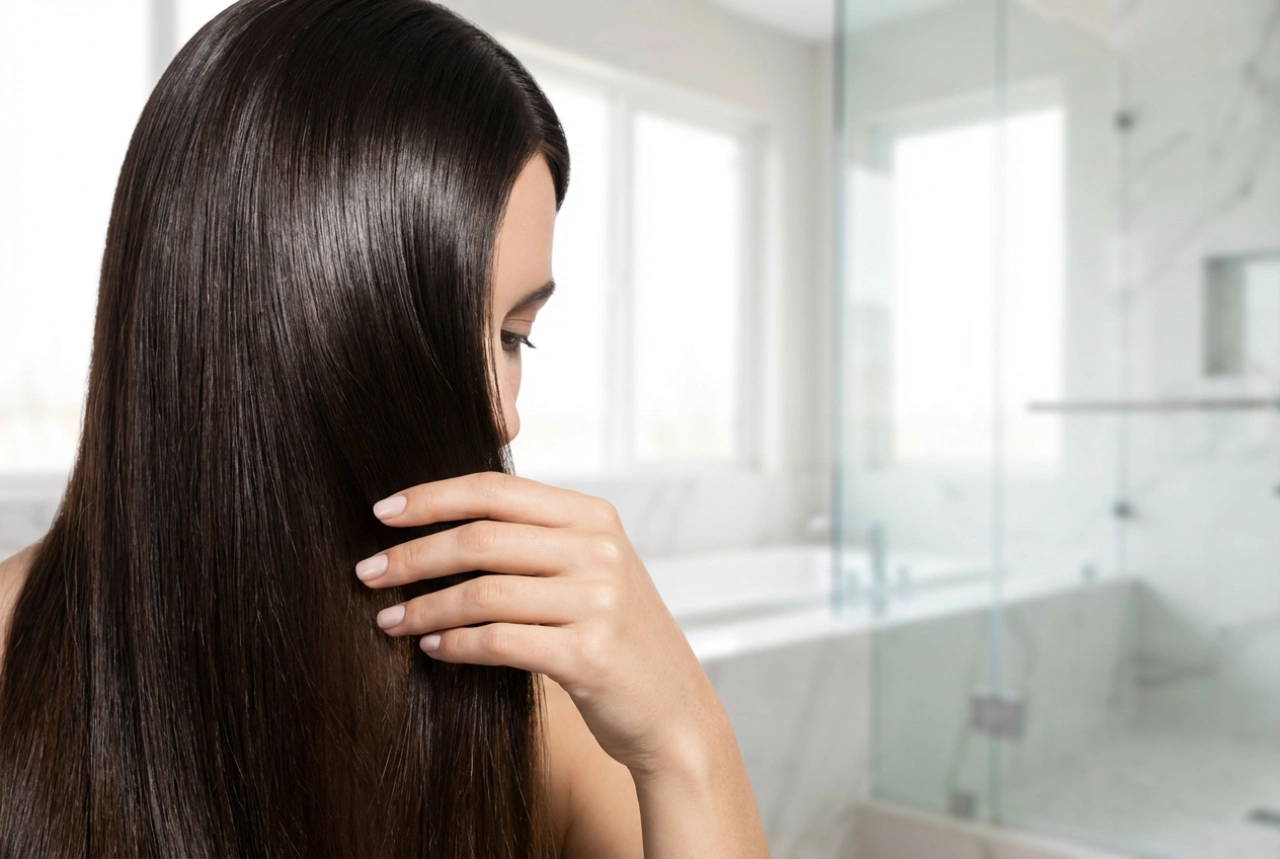


Achieving perfectly smooth, sleek hair without compromising its natural health is an art that relies heavily on using the right tools and techniques. A high-quality adjustable temperature hair straightener is a key instrument in this process. When used correctly, it allows for precise, gentle, and controlled styling, ensuring that your hair remains vibrant and protected from unnecessary heat damage. Understanding how to match the heat level to your specific hair type is the first step towards achieving professional, elegant results at home.
The Importance of Adjustable Temperature Settings
In the past, many styling tools operated at a single, extremely high temperature, which often led to dry, brittle strands and split ends. Modern hair straighteners with adjustable heat settings have revolutionised home styling by putting control back into your hands. Different hair textures require different levels of heat to temporarily reshape the bonds within the hair shaft.
By tailoring the heat to your hair's unique structure, you can minimise thermal stress. For instance, fine or chemically processed hair cannot withstand the same temperatures as thick, coarse hair. Having the ability to select a lower, gentler temperature ensures that you can style your hair effectively while maintaining its natural moisture, shine, and elasticity over time.
How to Match the Temperature to Your Hair Type
Finding the perfect setting for your hair is crucial for safe and efficient styling. While there is no single setting that works for everyone, general guidelines can help you select the safest temperature for your hair category:
- Fine, Thin, or Damaged Hair (140°C – 160°C): This delicate hair type has a thinner cortex and is highly susceptible to heat damage. It requires the lowest possible heat setting to achieve a smooth finish. Avoid going above 160°C to protect the fragile outer layer.
- Normal, Medium, or Wavy Hair (160°C – 180°C): This hair type is moderately resilient but still requires a careful approach. A temperature in this range is usually sufficient to straighten waves and curls in one or two gentle passes without causing dryness.
- Thick, Coarse, or Curly Hair (180°C – 200°C): Thicker strands require more heat to break and reform the styling bonds. However, even with coarse hair, it is advisable to start at a lower setting and gradually increase it only if necessary. Avoid exceeding 200°C to prevent long-term structural damage.
Step-by-Step Technique for Smooth, Healthy Styling
The tool itself is only half of the equation; correct technique is equally important for preserving hair quality. Following a structured routine helps distribute heat evenly and prevents hot spots that can scorch the hair.
1. Complete Thorough Drying
Never use a straightener on damp or wet hair. Applying high heat to wet hair causes the water trapped inside the hair shaft to boil and turn to steam, leading to severe damage. Ensure your hair is completely dry before starting.
2. Apply a Heat Protectant
Always apply a lightweight heat protection spray or serum evenly through your dry locks. This creates a protective barrier on the hair surface, reducing direct thermal impact and locking in natural moisture.
3. Section the Hair
Divide your hair into small, manageable sections. Attempting to straighten large clumps of hair at once results in uneven heat distribution, forcing you to go over the same section multiple times. Smaller sections allow for a single, efficient pass.
4. Use a Slow, Steady Motion
Clamp the straightener gently near the roots and glide it down to the tips in one continuous, fluid motion. Avoid holding the plates in one spot for more than a couple of seconds. Using a fine-tooth comb just ahead of the straightener helps align the hairs for a perfectly sleek finish.
Maintaining Your Styling Tool for Better Results
To ensure consistent and safe heat distribution, it is important to keep your straightener clean. Over time, styling products, heat protectants, and natural oils can build up on the plates. This residue can cause uneven heating and pull at your hair, leading to breakage. Once the appliance is completely unplugged and cool, gently wipe the plates with a soft, damp microfibre cloth to keep them clean and ready for your next styling session.