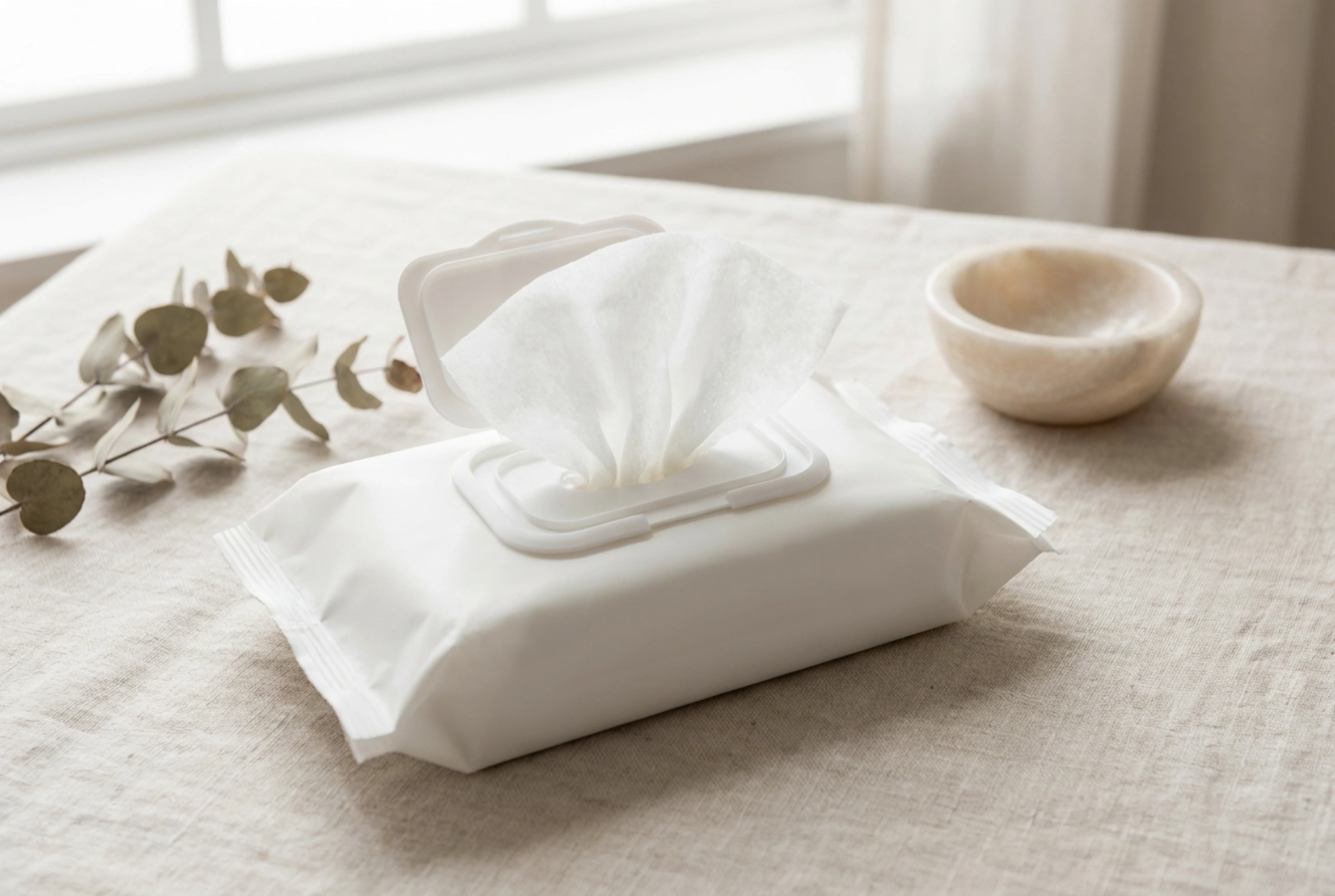


Wet wipes have become an indispensable item in modern life, found everywhere from handbags and gym bags to bedside tables. Their appeal is undeniable: they offer a quick, convenient way to freshen up, remove makeup, or clean up a small mess. However, to make the most of them in your beauty routine without causing unintended skin issues, it's important to understand what they are, how they work, and the best ways to use them. Using them mindfully ensures they remain a helpful tool rather than a replacement for a proper skincare regimen.
What's Inside a Wet Wipe?
A wet wipe seems simple, but it's a combination of several components working together. Understanding these parts can help you choose the best product for your skin's needs. Generally, a wipe consists of the fabric material and the liquid solution it is soaked in.
The Material
The wipe itself is typically made from non-woven fabric. These materials can be natural, like cotton or viscose, or synthetic, such as polyester or polypropylene. The texture and softness of the wipe depend on the fibres used. In recent years, there has been a significant shift towards biodegradable and plastic-free materials, offering more environmentally conscious choices.
The Liquid Solution
The solution is where the cleansing and conditioning action happens. It's usually composed of:
- Purified Water: This makes up the vast majority of the liquid, acting as the solvent and carrier for all other ingredients.
- Surfactants: These are the cleansing agents. They work by capturing oil, dirt, and makeup, allowing them to be wiped away. In facial wipes, these should be very mild to avoid stripping the skin's natural moisture barrier.
- Humectants: Ingredients like glycerin, propylene glycol, or hyaluronic acid are included to help draw moisture to the skin, preventing the cleansing process from being overly drying.
- Emollients: These ingredients help to soften and smooth the skin, leaving it feeling comfortable after use.
- Preservatives: Essential for any water-based product, preservatives prevent the growth of bacteria, mould, and yeast in the package. Without them, the wipes would become unsafe to use very quickly.
- Other Additives: Many wipes also contain fragrances, soothing botanical extracts (like aloe vera or chamomile), or other specific ingredients tailored to a particular purpose, such as makeup removal.
Smart Ways to Use Wipes in Your Beauty Routine
While not a substitute for a full cleanse, wet wipes are excellent for specific situations. The key is to see them as a complementary tool, not the main event.
- On-the-Go Refresh: They are perfect for a quick refresh after a workout, during a long flight, or on a hot day to remove sweat and surface grime, helping you feel more comfortable.
- Precise Makeup Corrections: A wipe is an artist's eraser. Use a folded corner to sharpen a winged eyeliner, clean up mascara smudges, or perfect the edge of a bold lip without disturbing the rest of your makeup.
- A Pre-Cleanse Step: For those who wear heavy or long-lasting makeup, a wipe can be a great first step to break down the product before going in with a dedicated oil or balm cleanser and a final face wash. This helps your primary cleanser work more effectively.
- Cleaning Hands and Swatches: When applying makeup with your fingers or swatching different shades on your hand or arm, a wipe is the quickest way to clean up before you move on.
Common Mistakes and Best Practices
To keep your skin happy and healthy, it's crucial to avoid common pitfalls associated with using facial wipes.
Mistake 1: Relying on Wipes as Your Only Cleanser
The most significant mistake is using a wipe as your sole method of cleansing, especially in the evening. Wipes tend to move dirt, oil, and makeup around the face rather than lifting it all away completely. The residue left behind can lead to clogged pores and dull-looking skin. Always follow up with a rinse-off cleanser and water.
Mistake 2: Scrubbing Too Hard
The fabric of some wipes, combined with the motion of wiping, can create friction that physically irritates the skin. This is especially true for the delicate skin around the eyes. Use gentle, sweeping motions instead of aggressive scrubbing. Let the wipe sit on the area for a few seconds to dissolve makeup before gently wiping it away.
Mistake 3: Ignoring the Ingredient List
Not all wipes are created equal. Some may contain high levels of alcohol (which can be drying) or strong fragrances that can sensitise the skin over time. If you have sensitive or dry skin, look for fragrance-free formulas with soothing and hydrating ingredients.
How to Choose the Right Wipes for Your Needs
When standing in the aisle, consider these factors to make a smart choice:
- Skin Type and Concerns: Look for formulas that cater to your skin. If you have dry skin, choose wipes with added humectants. If your skin is prone to feeling sensitive, opt for minimalist, fragrance-free formulas.
- Material: Softer materials are less likely to cause irritation. If environmental impact is a concern, seek out wipes that are clearly labelled as biodegradable or compostable.
- Packaging: A package with a hard, snap-shut plastic lid is generally better than one with a simple adhesive sticker. It creates a better seal, preventing the wipes from drying out and maintaining the integrity of the formula.
- Intended Use: If you need wipes primarily for breaking down waterproof mascara, look for a formula designed for that purpose. If it's just for a post-gym refresh, a simpler, gentler formula will suffice.