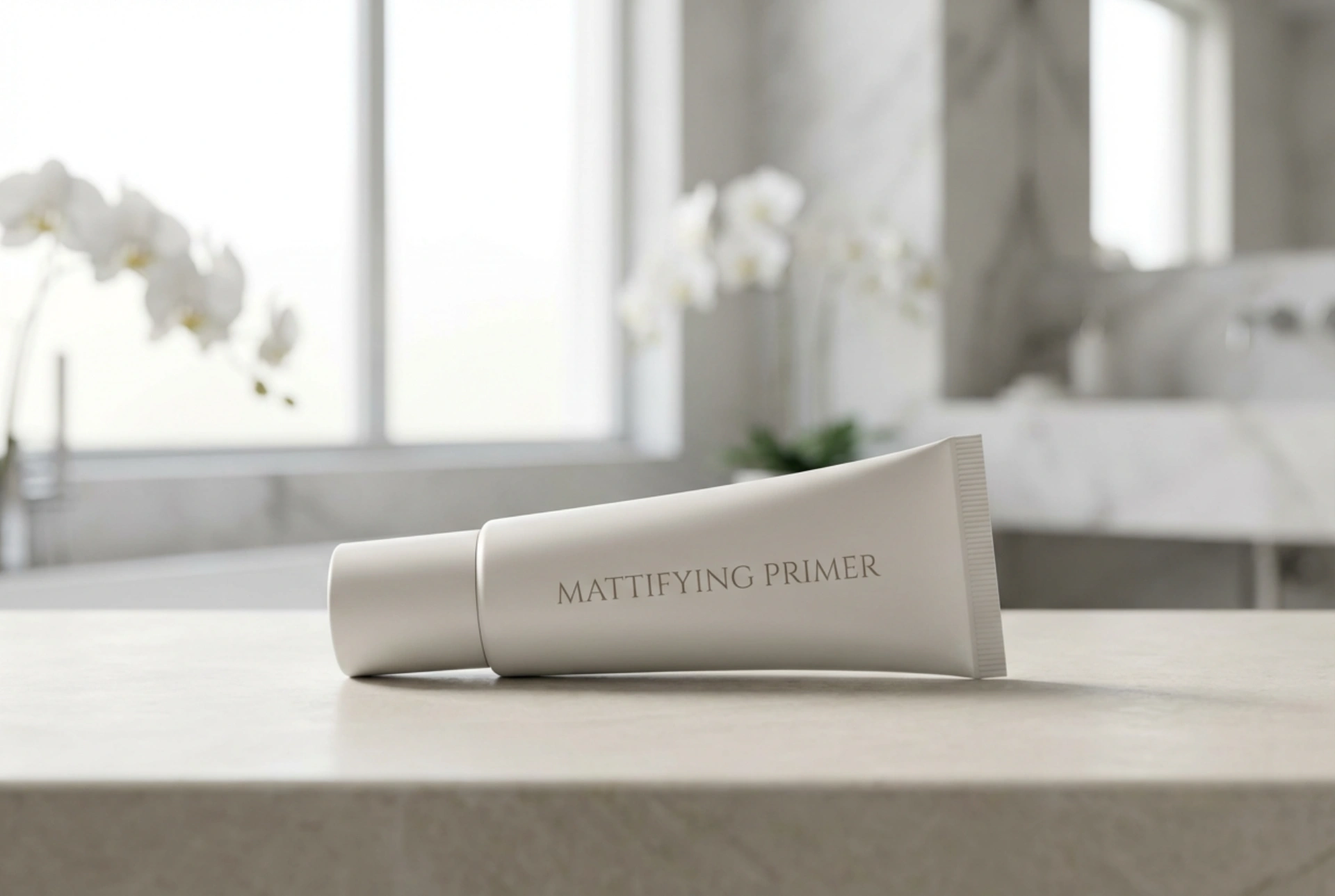


Achieving a flawless makeup look that lasts all day can feel like an impossible goal, especially if you have combination or oily-prone skin. Midday shine, foundation that seems to slide off, and visible pores can undermine even the most careful application. This is where a mattifying primer comes in—a targeted product designed to create the perfect canvas for your makeup, ensuring it stays looking fresh from morning to night.
What Is a Mattifying Primer and How Does It Work?
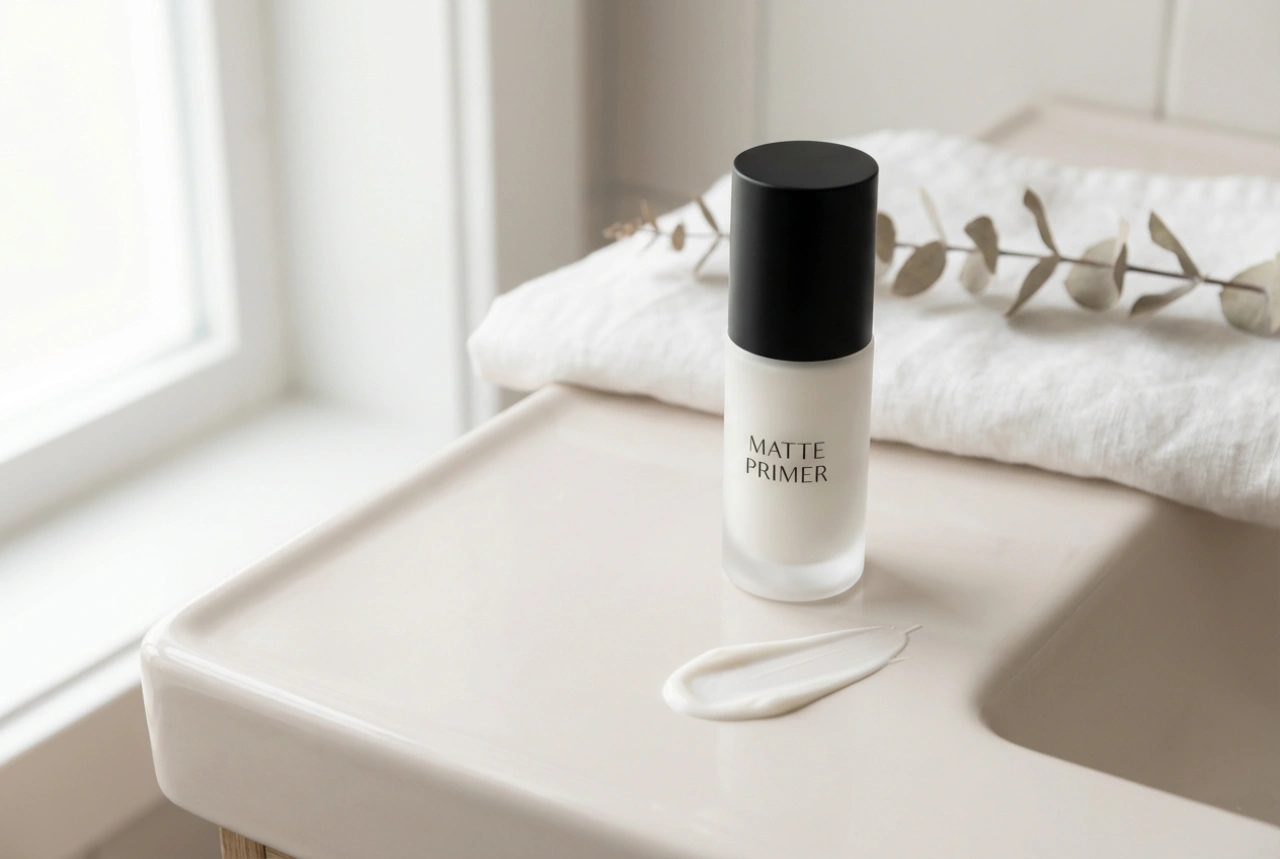
A mattifying primer is a base product applied after your skincare but before your foundation. Its primary purpose is to control excess sebum (oil) and create a smooth, shine-free surface. Unlike hydrating or illuminating primers, mattifying formulas are specifically engineered to combat oiliness and extend the wear time of your makeup.
Most mattifying primers achieve this through a combination of key ingredients:
- Absorbent Powders: Ingredients like silica or certain types of clay act like tiny sponges, absorbing excess oil from the skin's surface throughout the day. This prevents shine from breaking through your foundation.
- Silicone-based Polymers: Many primers contain silicones that create a soft, smooth film over the skin. This barrier does two things: it fills in fine lines and blurs the appearance of enlarged pores, resulting in a more uniform texture. It also creates a shield between your skin's natural oils and your makeup, preventing the oils from breaking down the foundation.
The benefits are clear: your skin appears less shiny, your makeup glides on more evenly, pores are less noticeable, and your entire look remains intact for significantly longer.
How to Apply Mattifying Primer for Best Results
Correct application is crucial to unlocking the full potential of your primer. Simply slathering it on won't deliver the desired effect and can sometimes lead to issues like pilling. Follow these steps for a seamless, long-lasting finish.
- Start with a Clean, Moisturized Face: Always begin your routine by cleansing your skin to remove any impurities or overnight oil build-up. Follow up with a lightweight, oil-free moisturiser. It may seem counterintuitive to add moisture to oily skin, but dehydrated skin can often overproduce oil to compensate. Let your moisturiser fully absorb for at least five minutes before moving on.
- Use a Small Amount: When it comes to mattifying primer, less is more. A pea-sized amount is generally sufficient for the entire face. Using too much can cause your foundation to feel heavy or 'pill' (ball up into little flakes).
- Focus on Oily Areas: You may not need to apply the primer all over. Concentrate on the areas where you tend to get the shiniest, which for most people is the T-zone (forehead, nose, and chin). You can apply a different type of primer, like a hydrating one, to drier areas such as your cheeks if you have combination skin.
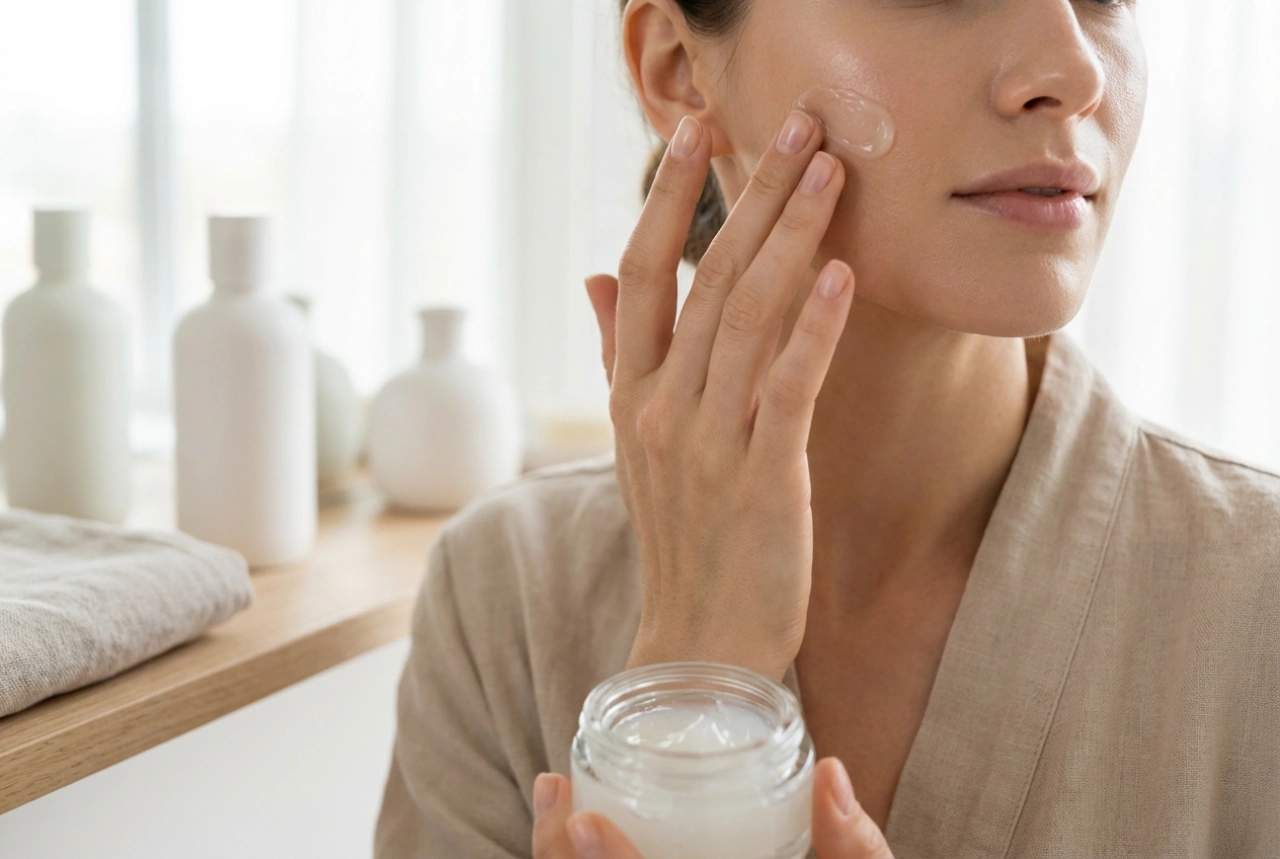
- Pat, Don't Rub: The best way to apply primer is by gently patting or pressing it into the skin with your fingertips. This technique helps to push the product into your pores and fine lines, creating that smooth, blurred effect. Rubbing can simply move the product around without letting it settle properly.
- Allow It to Set: This is a critical step that is often skipped. Wait for at least 60 seconds after applying your primer before you go in with foundation. This allows the primer to form its film and 'set', creating the perfect base for whatever you apply next.
Common Mistakes to Avoid
If your primer isn't performing as expected, you might be making one of these common mistakes. A few small adjustments can make a world of difference.
Applying Too Much Product
As mentioned, using an excessive amount of primer is the number one cause of pilling and a heavy, cakey feeling. It creates a layer that is too thick for foundation to adhere to properly. Stick to a small, controlled amount and build up only if absolutely necessary.
Skipping Moisturiser
Applying a mattifying primer to dry, unprepared skin is a recipe for disaster. The primer may cling to dry patches, and your skin, deprived of hydration, might react by producing even more oil throughout the day. A balanced skincare routine is the foundation of good makeup application.
Not Waiting for Products to Absorb
Layering products too quickly—moisturiser, then primer, then foundation in rapid succession—causes them to mix on the skin's surface instead of forming distinct layers. This blending can negate the primer's effects and lead to a patchy, uneven finish. Patience is key.
Beyond Foundation: Versatile Uses for Your Primer
A mattifying primer isn't just for your face. Its oil-absorbing and smoothing properties make it a versatile tool in your makeup kit. Consider using a tiny amount on your eyelids before applying eyeshadow. This can prevent creasing and help the colours stay vibrant for longer, especially if you have oily lids. On 'no-makeup' days, you can also wear a mattifying primer on its own after your skincare routine to simply control shine and give your skin a more refined, velvety appearance without any colour.