

Achieving a flawless, long-lasting makeup look often starts long before you apply foundation. A makeup primer is the unsung hero of a polished beauty routine, creating the perfect canvas for everything that follows. It acts as a bridge between your skincare and your makeup, smoothing texture, enhancing longevity, and addressing specific skin concerns. Understanding how to choose the right primer for your unique skin type and ensuring it works in harmony with your foundation is the key to unlocking a truly professional finish.
What is a Makeup Primer and Why Is It Essential?
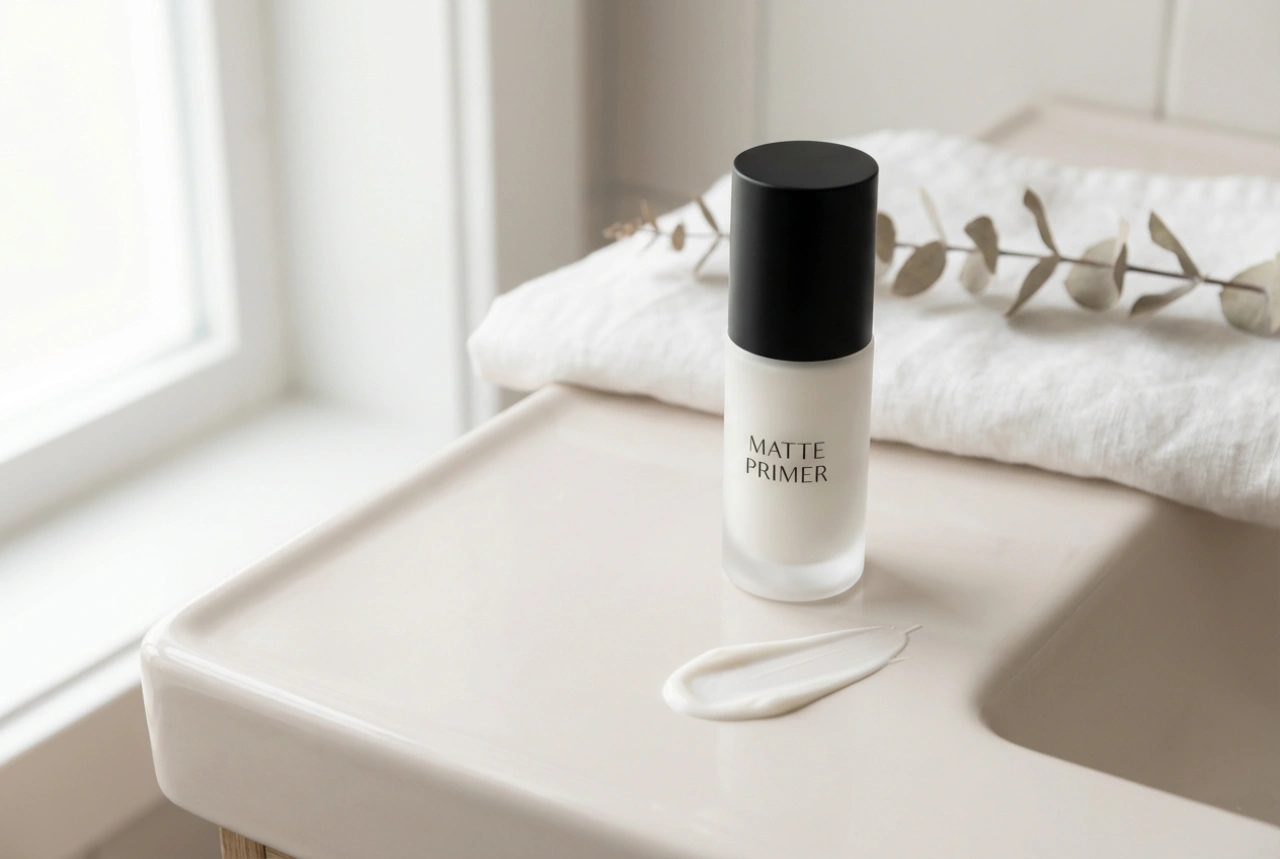
Think of a primer as the undercoat you'd use before painting a wall. It prepares the surface to ensure the final colour goes on smoothly and lasts longer. In makeup, a primer performs a similar role. It creates a subtle barrier over the skin that can offer a multitude of benefits. Depending on its formulation, a primer can smooth over fine lines, minimise the appearance of pores, control excess oil, or provide a boost of hydration. The result is a more even surface, which allows foundation and other makeup products to glide on effortlessly and adhere better, preventing them from settling into creases or fading throughout the day.
Key Benefits of Using a Primer:
- Creates a Smooth Canvas: It fills in minor imperfections like fine lines and large pores, resulting in a velvety-smooth base.
- Prolongs Makeup Wear: By creating a barrier, it helps your makeup last significantly longer, resisting the effects of sweat, humidity, and natural skin oils.
- Addresses Skin Concerns: Specific primers can mattify oily skin, hydrate dry patches, or even add a luminous glow to dull complexions.
- Improves Foundation Application: Foundation blends more easily and evenly over a primed surface, preventing a patchy or cakey appearance.
Choosing a Primer for Your Skin Type
The effectiveness of a primer is directly linked to how well it suits your skin's needs. Using a product designed for a different skin type can lead to disappointing results, so identifying your main concerns is the first and most important step.
For Oily and Combination Skin
If your skin produces excess sebum, leading to shine, especially in the T-zone (forehead, nose, and chin), a mattifying primer is your best choice. Look for formulas described as oil-controlling, pore-minimising, or mattifying. These primers often contain ingredients that absorb excess oil and create a smooth, shine-free finish that lasts for hours. For combination skin, you might consider applying a mattifying primer only to the oily areas and a different, more hydrating primer to drier areas like the cheeks.
For Dry or Dehydrated Skin
Dry skin lacks moisture and can sometimes look dull or feel tight. A hydrating primer can work wonders by providing an extra layer of moisture and creating a plump, dewy base. Look for primers with descriptive words like 'hydrating,' 'luminous,' 'dewy,' or 'moisturising.' These formulations help to prevent foundation from clinging to dry patches and can impart a healthy, radiant glow to the skin, making it look fresh and supple.
For Normal or Sensitive Skin
If you have normal skin, your main goal is simply to create a smooth base and extend makeup wear. You can choose almost any primer, from a simple smoothing formula to a radiance-boosting one, depending on the finish you desire. For those with sensitive skin, it is crucial to opt for gentle formulations. Look for primers that are free from common irritants like fragrance and alcohol. A simple, silicone-based smoothing primer is often a safe and effective choice, as it creates a protective barrier without causing irritation.
The Golden Rule: Match Your Primer to Your Foundation
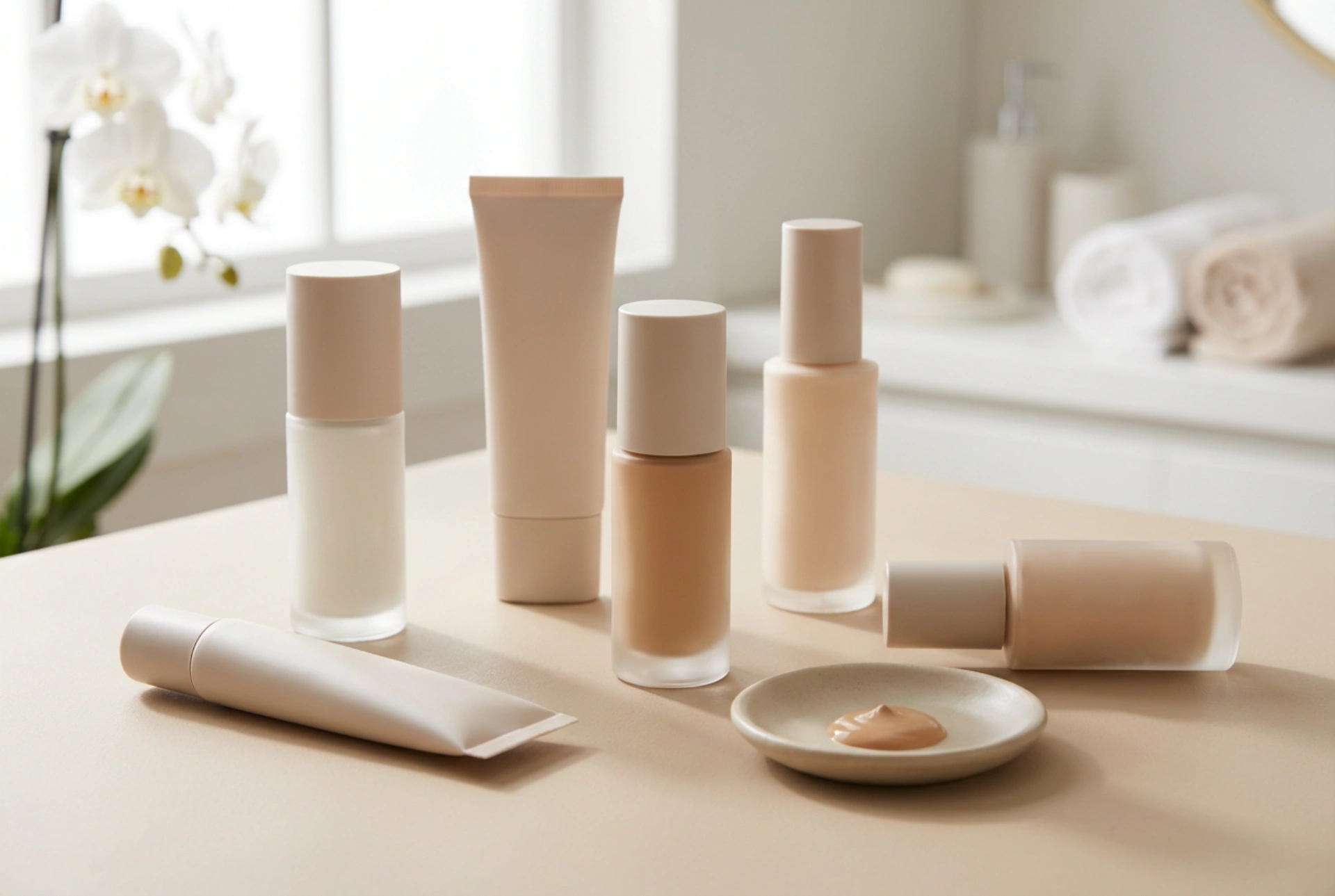
This is a step that is often overlooked but is absolutely critical for a seamless finish. The bases of your primer and foundation must be compatible. If they are not, they will repel each other, much like oil and water, causing your foundation to separate, pill, or look patchy. There are two main types of bases: water-based and silicone-based.
Water-Based Primer + Water-Based Foundation
This is a harmonious pairing. When both products have water (often listed as 'aqua') as their first ingredient, they will blend together seamlessly. Water-based formulas are generally lightweight, feel hydrating, and are a great choice for dry or sensitive skin types. To check if your product is water-based, simply look at the ingredients list—if 'water' or 'aqua' is at the top, it's a water-based formula.
Silicone-Based Primer + Silicone-Based Foundation
This is another perfect match, particularly for those looking to smooth over texture and pores. Silicone-based products provide that classic 'slip' and create a flawless, almost airbrushed finish. You can identify a silicone-based product by looking for ingredients ending in '-cone' (like dimethicone), '-siloxane' (like cyclopentasiloxane), or '-methicone' near the beginning of the ingredients list. Pairing a silicone primer with a silicone foundation ensures they work together to create a durable, smooth layer.
What to Avoid: Mixing Bases
Mixing a water-based primer with a silicone-based foundation (or vice-versa) is the most common cause of makeup application problems. The silicone in one product will repel the water in the other, preventing them from blending. This leads to pilling (when the product balls up on your skin), separation, and an uneven, streaky application that will only get worse as the day goes on. Always check your labels to ensure compatibility.
How to Apply Primer for the Best Results
Application technique is just as important as the product itself. Follow these simple steps for a perfect prime:
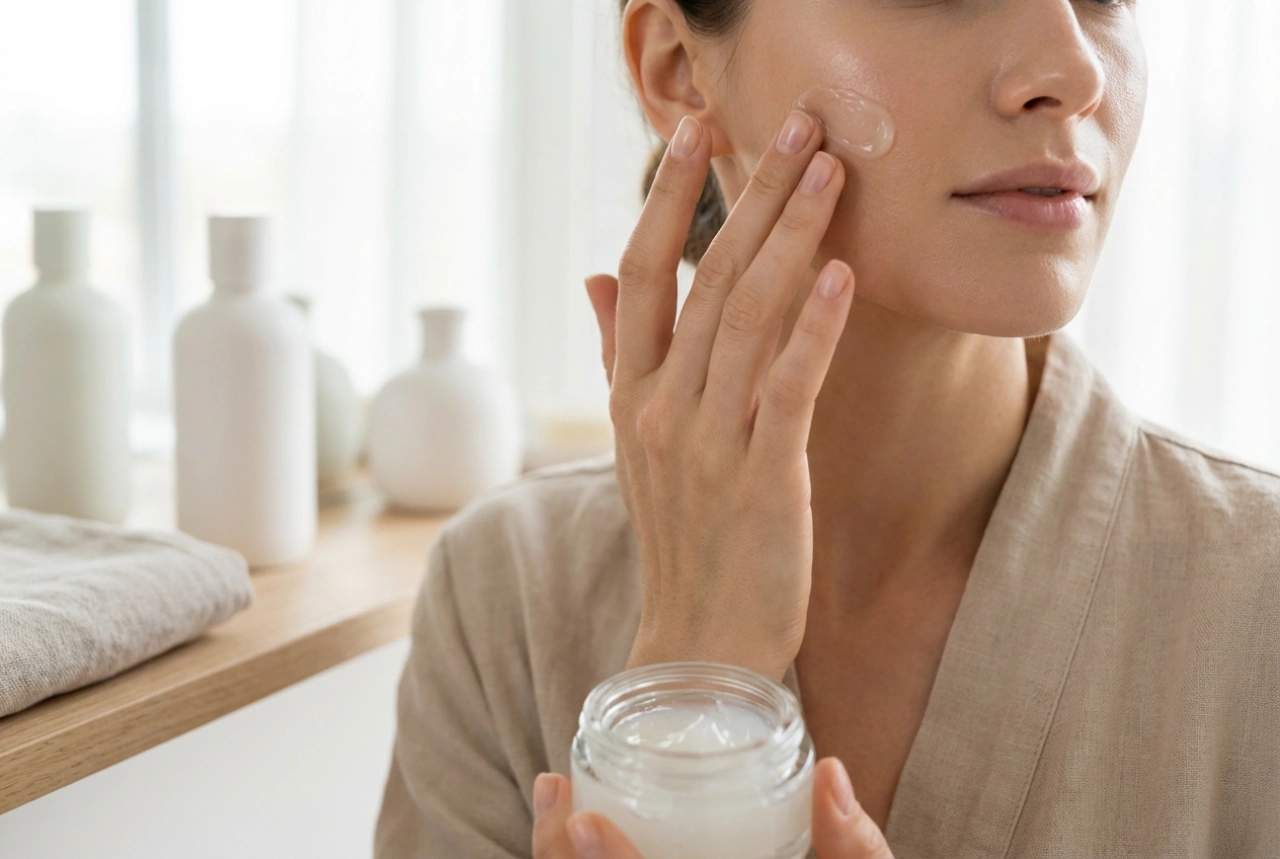
- Start with a Clean Base: Always apply primer after your full skincare routine, including moisturiser and any sun protection. Allow your skincare to fully absorb for a few minutes first.
- Use a Small Amount: You only need a pea-sized amount of primer for your entire face. Using too much can cause your makeup to slide around.
- Apply Strategically: Gently apply the primer with your fingertips, starting from the centre of your face and blending outwards. Focus on areas where you need it most—the T-zone for oil control, or over visible pores and fine lines.
- Let It Set: This is a crucial step. Wait at least a full minute for the primer to set and create a film on the skin before you apply your foundation. This ensures the barrier is properly formed and ready for makeup.
By taking the time to understand your skin and the products you use, you can transform your makeup routine. Choosing the right primer and pairing it correctly with your foundation will not only improve the look of your makeup but also its longevity, giving you a confident, flawless complexion that lasts all day.