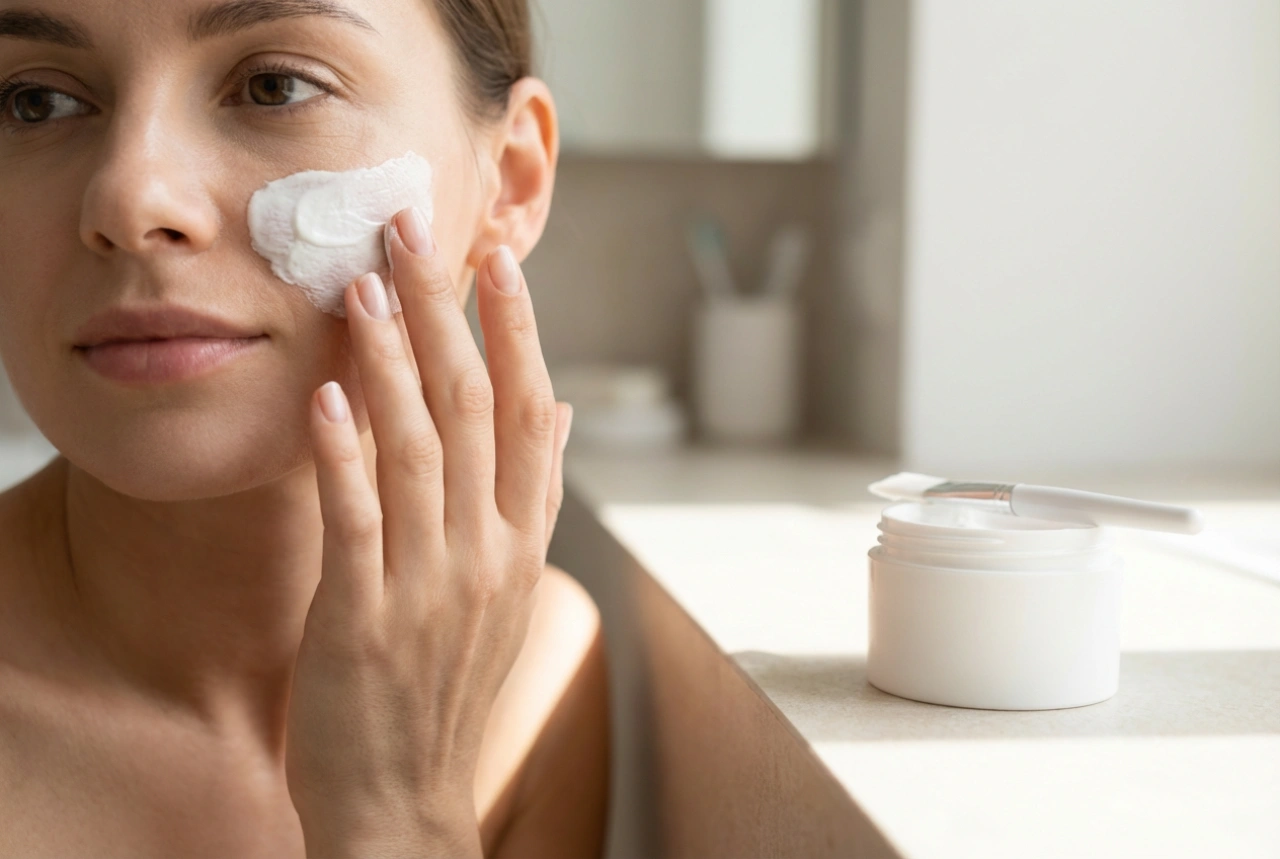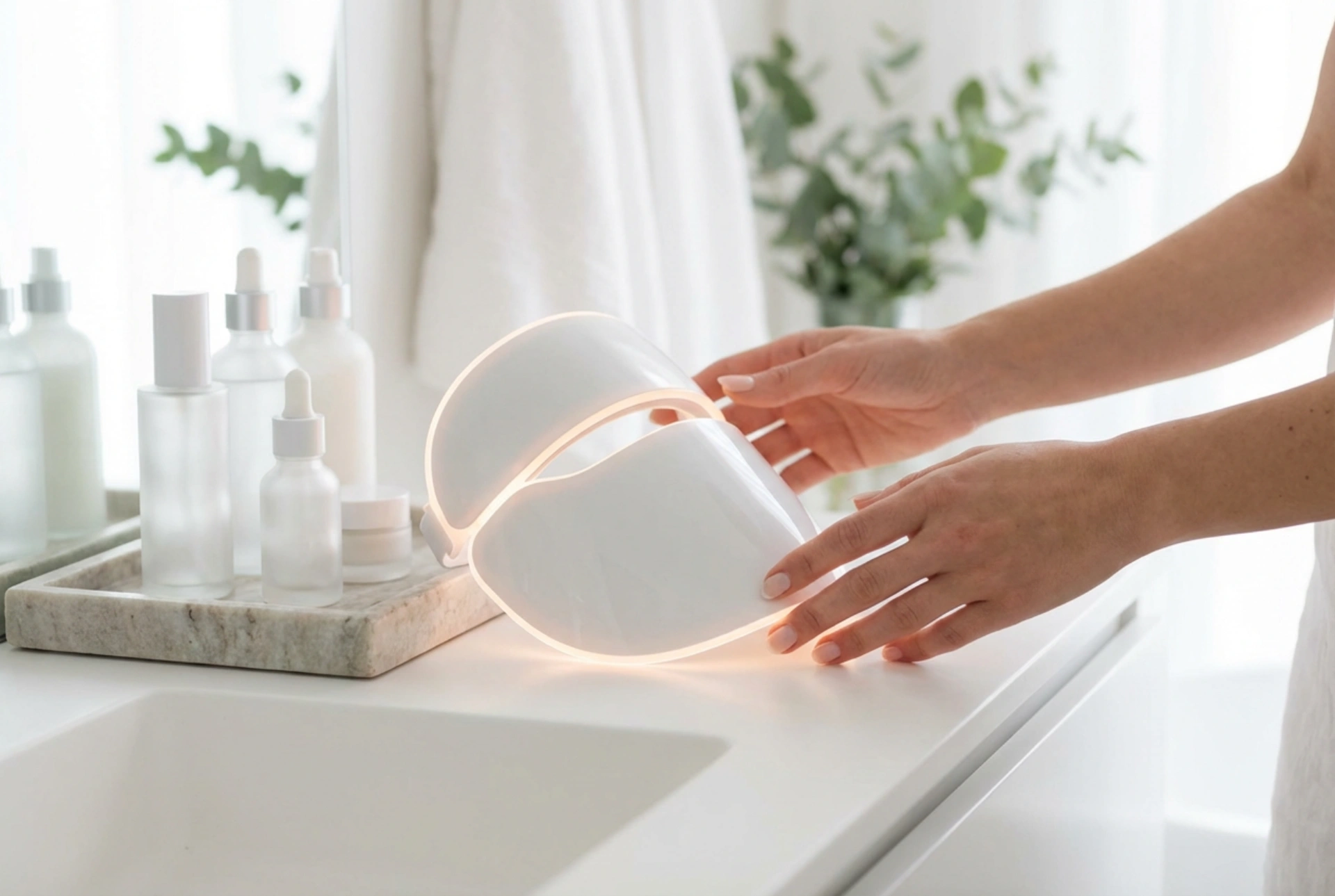


In the evolving world of at-home beauty, technological innovations offer new ways to enhance our daily skincare rituals. One such device that has moved from specialist clinics to our own homes is the LED face mask. This modern tool represents a serene moment of self-care, promising to bring a touch of advanced cosmetic science to your vanity. But how does this light-based technology work, and how can you effectively integrate it into your routine for a more radiant-looking complexion?
What is At-Home LED Light Therapy?
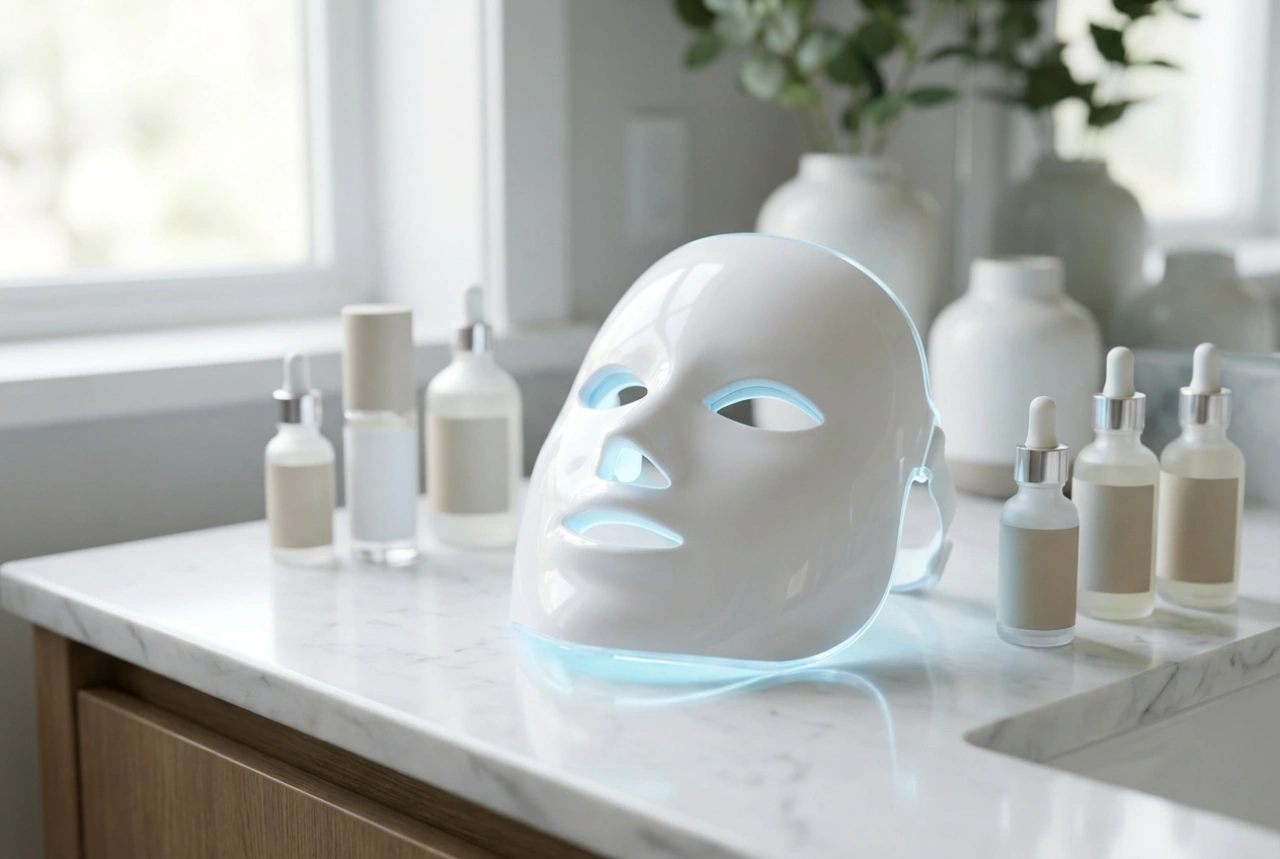
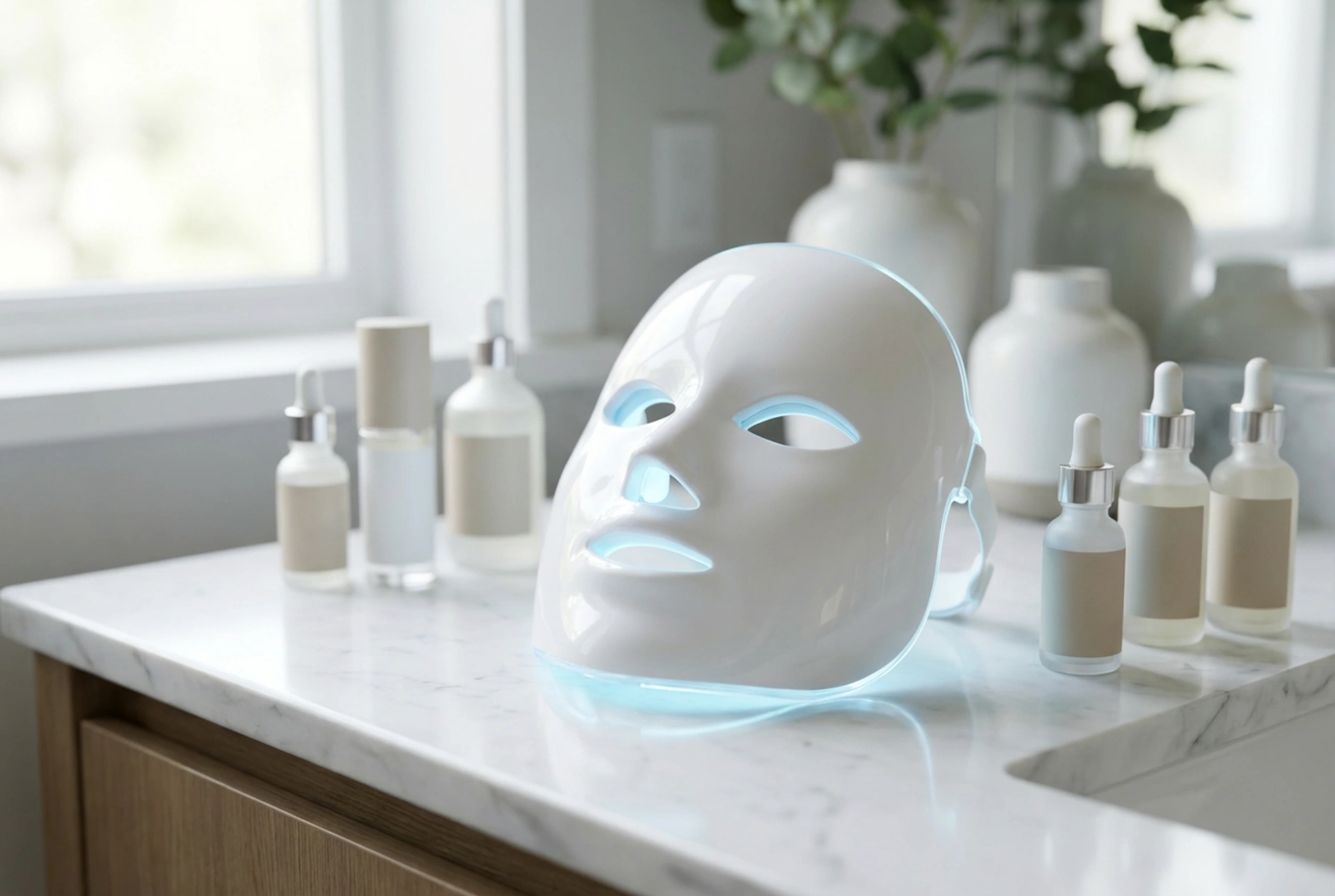
LED (Light Emitting Diode) therapy is a non-invasive cosmetic treatment that uses different wavelengths of light to address various skin appearance concerns. Each colour of light has a specific wavelength that penetrates the skin at different depths, triggering distinct cosmetic responses. Unlike UV light, these visible light spectrums are gentle and do not cause sun damage. An at-home LED mask is a device that fits over the face, equipped with numerous bulbs that emit these specific light colours. It's designed to be a convenient, supplementary step in a regular skincare regimen, helping to improve the overall look and feel of the skin over time.
The Spectrum of Light: What Do the Colours Mean for Your Skin?
Most commercially available LED masks offer a selection of colours. Understanding the cosmetic focus of each can help you tailor the treatment to your skin's needs. While results can vary from person to person, here are the most common colours and their associated benefits for the skin's appearance.
Red Light: For a Revitalised Appearance
Red light has the longest wavelength and is often celebrated for its rejuvenating properties. It is commonly used in cosmetic routines to help diminish the appearance of fine lines and improve the look of skin texture and tone. Regular use can contribute to a plumper, firmer, and more youthful-looking complexion, making it a popular choice for those concerned with the visible signs of ageing.
Blue Light: For a Balanced Complexion
Blue light has a shorter wavelength and is primarily used for its balancing effects on the skin's surface. It is beneficial for those who experience excess oiliness. By helping to manage the appearance of shine and congestion, blue light can contribute to a clearer and calmer-looking complexion. It’s a great option to use when your skin feels unbalanced or is prone to surface-level imperfections.
Green Light: For an Even-Looking Skin Tone
Green light targets the appearance of discolouration. It can help to lessen the look of sun spots and uneven pigmentation, leading to a more uniform and brighter-looking skin tone. If you are looking to improve overall radiance and achieve a more even canvas, incorporating green light into your routine may be beneficial.
How to Incorporate an LED Mask into Your Routine
Adding an LED mask to your skincare regimen is straightforward, but following the correct steps ensures you get the most out of the treatment and your other products. Consistency is key; most manufacturers recommend using the mask for 10-20 minutes, 3-5 times a week.
- Step 1: Start with a Clean Canvas. Always use an LED mask on freshly cleansed, dry skin. Any makeup, dirt, or residue can act as a barrier, preventing the light from penetrating effectively. Avoid applying any serums or creams before the treatment unless the device's instructions specifically state otherwise.
- Step 2: Use the LED Mask. Place the mask on your face, ensuring it is comfortable and secure. Select your desired light colour and set the timer according to the manufacturer's guidelines. This is a perfect time to relax, meditate, or listen to a podcast. Ensure your eyes are closed and protected during use.
- Step 3: Follow with Your Skincare. After the session is complete, remove the mask and proceed with the rest of your skincare routine. This is an excellent time to apply hydrating serums, essences, and moisturisers. Your skin is well-prepped to absorb these subsequent products.
Important Considerations for Safe and Effective Use
To ensure a positive and safe experience with your at-home LED mask, keep a few best practices in mind. First and foremost, always read and follow the specific instructions that come with your device, as usage times and recommendations can vary. It's wise to perform a patch test on a small area of skin, like your forearm, to check for any sensitivity before using it on your face. Protect your eyes by ensuring they are closed or by using the protective goggles often included with the mask. Remember that at-home devices are less powerful than professional ones, so consistency and patience are crucial for seeing visible improvements in your skin's appearance.