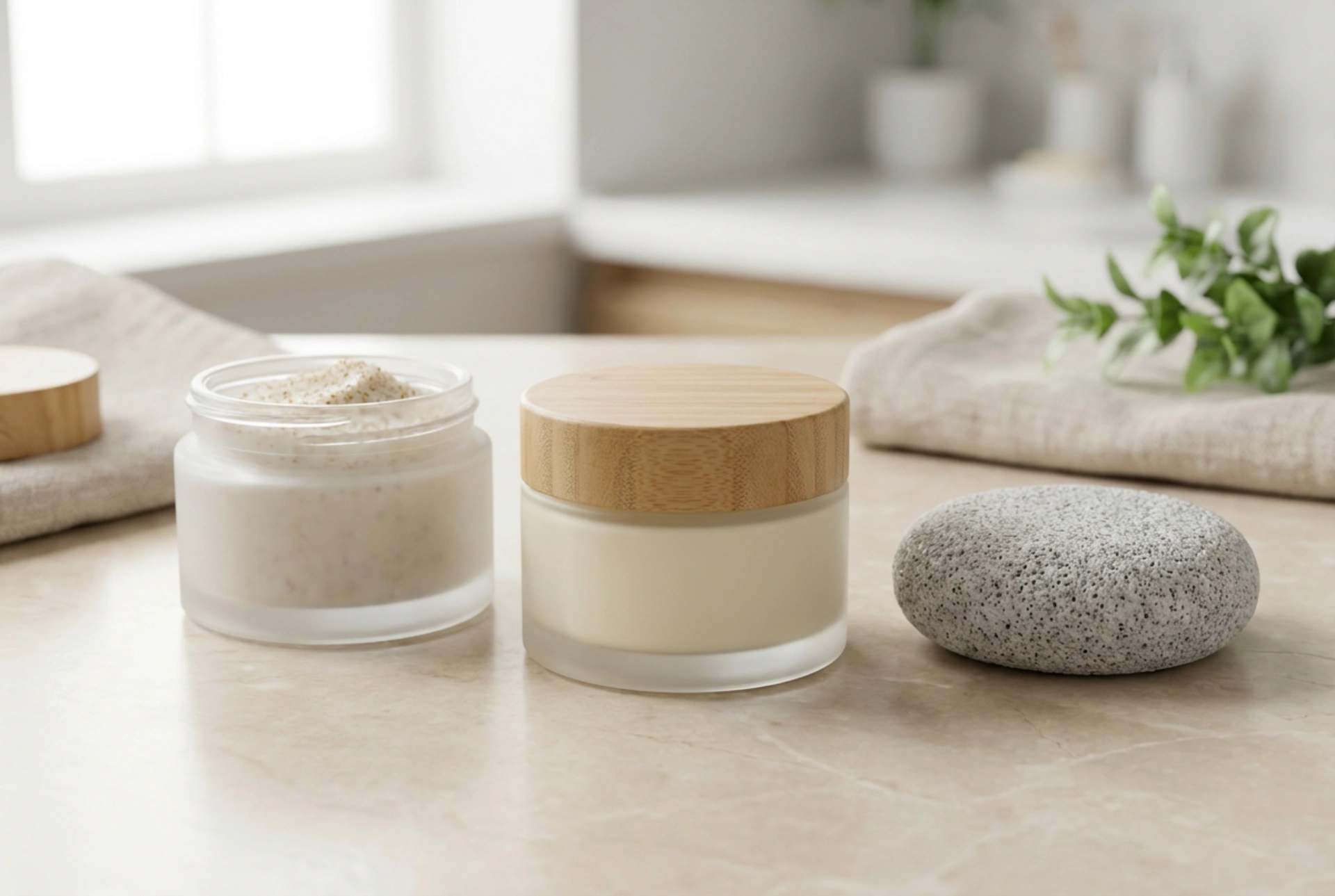


Achieving soft, smooth heels is a common beauty goal, yet the skin on our feet is often neglected until it becomes rough and hardened. A comprehensive foot care routine involves more than just a quick application of lotion. The secret to beautifully maintained feet lies in a powerful combination of effective exfoliation and deep moisturisation. One of the star ingredients in this process is urea, renowned for its ability to transform the look and feel of hard skin. By understanding how to properly integrate a urea-based cream with physical exfoliants like scrubs and pumice stones, you can create a simple yet highly effective regimen for feet that look and feel their best.
Understanding Urea and Its Benefits for Feet
Urea is a compound naturally found in the skin's surface layers and plays a vital role in maintaining moisture balance. In skincare, it is a celebrated ingredient for two primary reasons: its hydrating and its keratolytic properties. As a humectant, it draws moisture from the environment and the deeper layers of the skin, delivering intense hydration to the dry, tough skin on the heels. At the same time, its keratolytic action helps to break down and loosen the bonds between dead skin cells. This dual-action makes it exceptionally effective for softening calluses and smoothing rough patches, preparing the skin for manual exfoliation and enhancing overall softness.
The Perfect Pair: Exfoliation and Hydration
To tackle hardened heels, you need a two-pronged approach. First, you must remove the build-up of dead, hard skin. Second, you need to infuse the new skin underneath with moisture to keep it supple. This is where combining mechanical exfoliation with a urea cream creates a synergistic effect.
Step 1: Mechanical Exfoliation
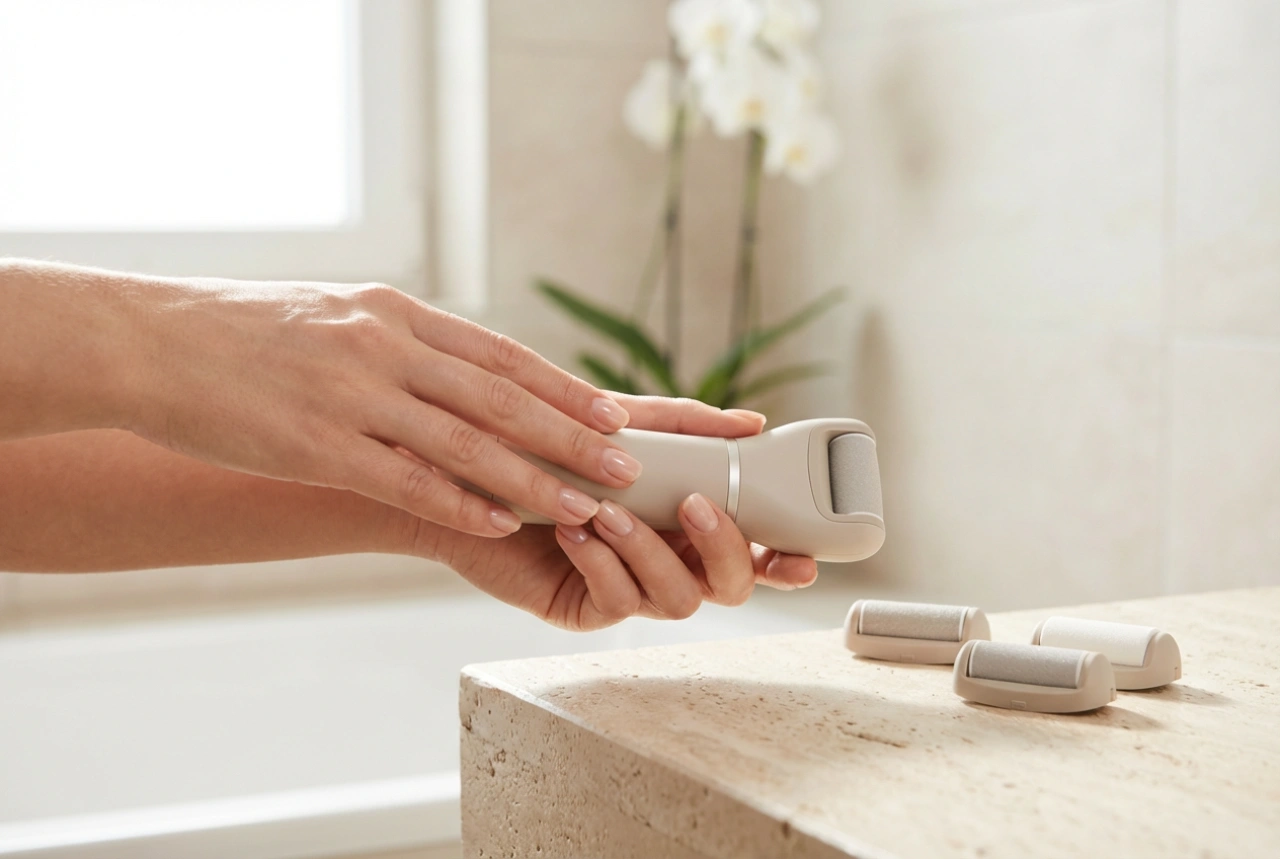
Mechanical exfoliation physically buffs away dead skin cells. The two most common tools for this are a pumice stone and a foot scrub. It is crucial to be gentle to avoid irritating the skin.
- Pumice Stone: Best used on damp skin, after soaking your feet in warm water for 5-10 minutes. This softens the skin, making it easier to remove. Rub the stone in gentle, circular motions over the hardened areas. Avoid applying too much pressure.
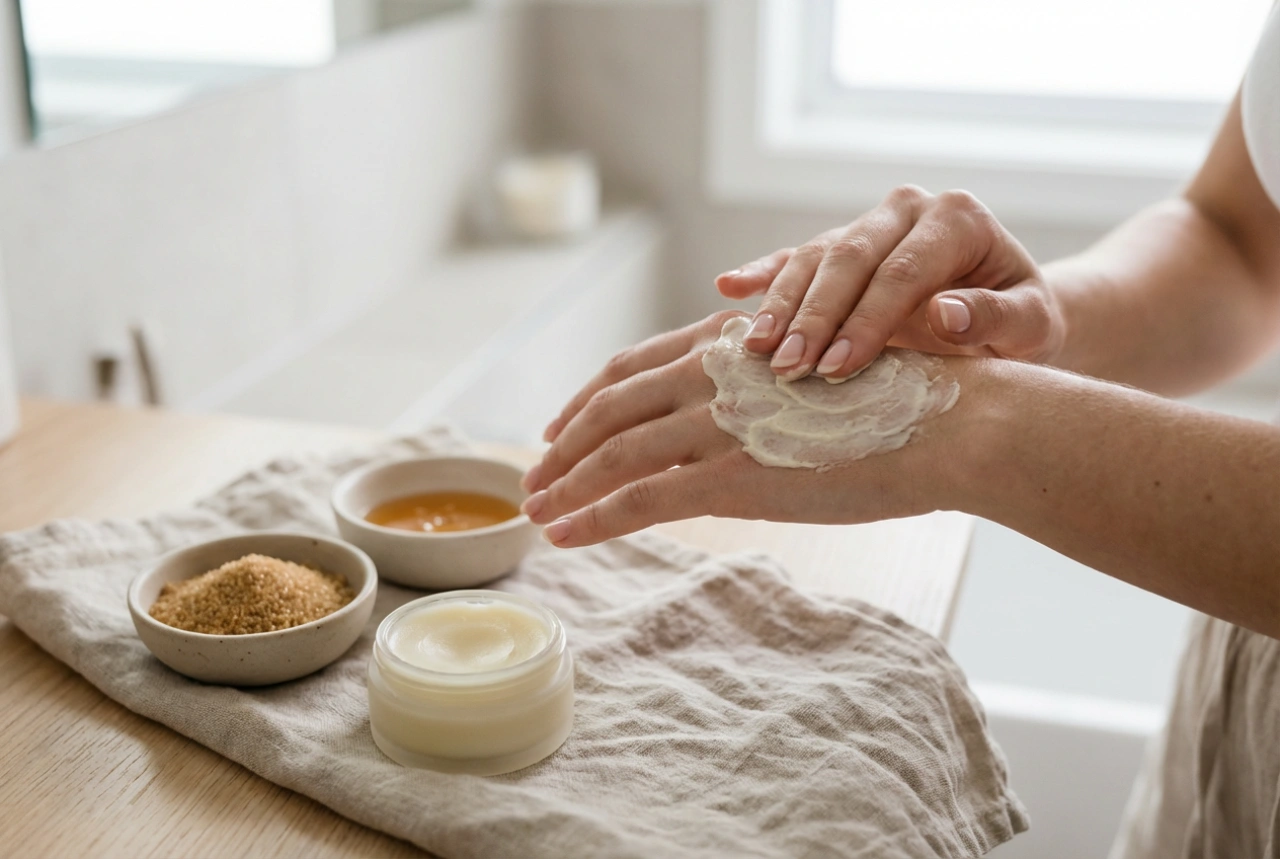
- Foot Scrub: These typically contain granular particles like sugar, salt, or ground seeds suspended in a moisturising base. Apply to wet feet and massage in circular motions, focusing on rough spots. This is generally a milder form of exfoliation than a pumice stone.
It's best not to use both a pumice stone and a scrub in the same session. Instead, you can alternate them in your weekly routine.
Step 2: Deep Moisturization with Urea Cream
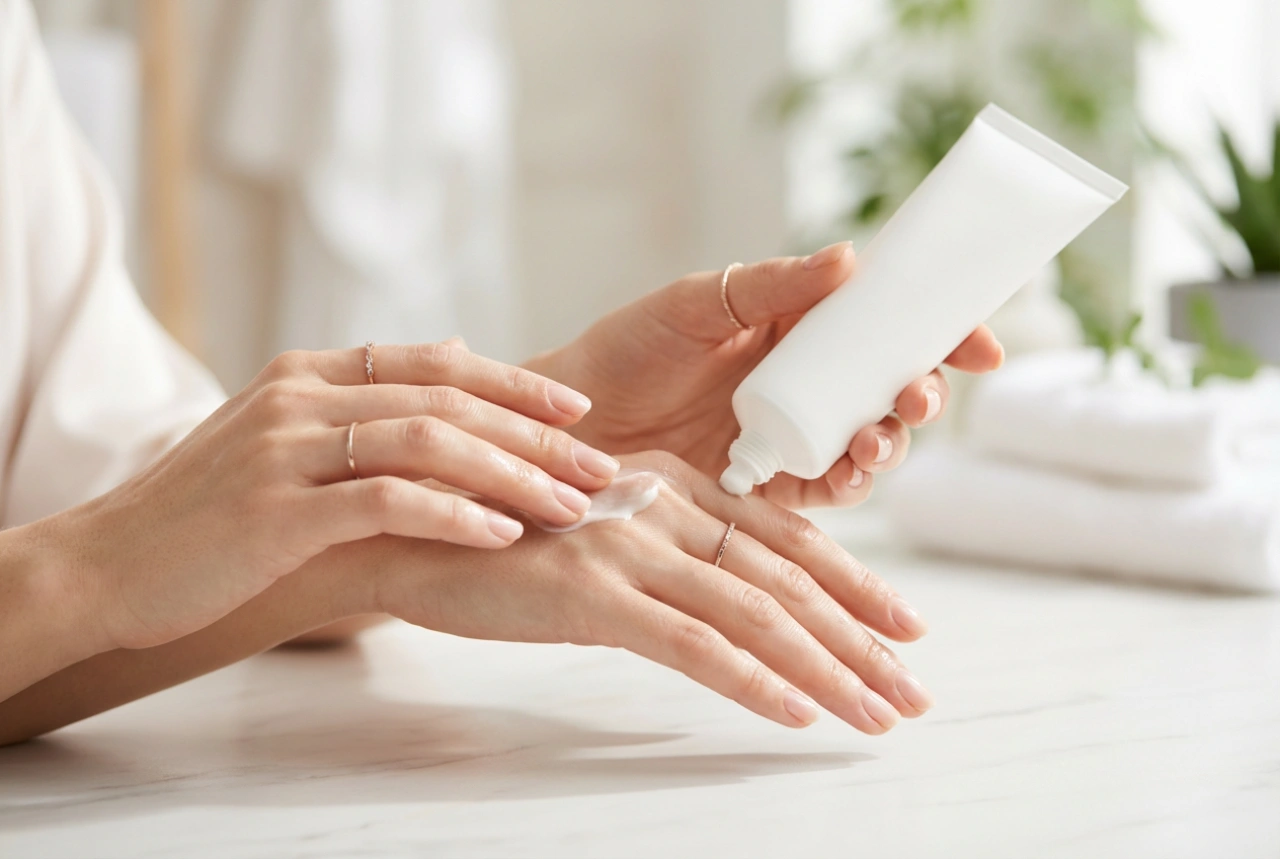
After exfoliating and thoroughly drying your feet, it's time for the urea cream. This step is non-negotiable. Exfoliation without subsequent moisturisation can leave the skin feeling dry and vulnerable. Applying a cream containing urea immediately after buffing away the dead skin allows the ingredient to penetrate more effectively. It will work to dissolve any remaining hardened skin while deeply hydrating the fresh skin layer, preventing the rapid return of calluses and roughness.
Creating Your Weekly Foot Care Ritual
Consistency is the key to lasting results. A dedicated weekly ritual can make a significant difference in the health and appearance of your heels.
A Simple Step-by-Step Guide
- Soak: Begin by soaking your feet in a basin of warm water for at least 10 minutes. This initial step softens the skin, making exfoliation more effective and less abrasive. You can add bath salts or a few drops of a gentle oil for an enhanced experience.
- Exfoliate: Choose your method—either a pumice stone on damp skin or a foot scrub on wet skin. Work gently on the heels, the balls of your feet, and any other areas with hardened skin. Spend about 2-3 minutes on this step.
- Rinse and Dry: Rinse your feet with clean water and pat them completely dry with a soft towel, paying special attention to the areas between your toes.
- Moisturise Generously: Apply a liberal amount of urea foot cream all over your feet, massaging it in thoroughly. Pay extra attention to your heels. For an intensive overnight treatment, apply the cream just before bed and wear a pair of cotton socks. The socks will help lock in the moisture and protect your bedding.
What to Avoid
To ensure your foot care routine is safe and effective, avoid common mistakes. Never use sharp tools or blades to remove calluses, as this can lead to injury and unwanted skin issues. Do not over-exfoliate; scrubbing too hard or too often can cause irritation and sensitivity. Listen to your skin—if you experience any redness or discomfort, reduce the frequency or pressure of your exfoliation. Finally, do not apply urea cream to any open cuts or broken skin.