

Our hands are constantly at work, exposed to environmental factors that can leave them feeling dry, tight, and chapped. Achieving soft, supple skin, like that seen on beautifully cared-for hands, isn't about a single magic product but a consistent routine focused on gentle care, deep hydration, and robust protection. By understanding the needs of the skin on your hands, you can effectively restore its natural barrier and maintain a feeling of comfort and nourishment all day long.
Understanding the Causes of Chapped Hands
The skin on the back of our hands is thinner and has fewer sebaceous glands than the skin on our face, making it more susceptible to dryness. Several factors can contribute to chapped hands:
- Environmental Factors: Cold winds, low humidity in winter, and sun exposure can all strip moisture from the skin.
- Frequent Washing: While essential for hygiene, washing hands frequently, especially with hot water and harsh soaps, can disrupt the skin's protective lipid barrier.
- Contact with Irritants: Household cleaning agents, detergents, and certain chemicals can be very harsh on the skin, leading to dryness and irritation.
- Lack of Care: Simply neglecting to moisturise your hands regularly is often the primary reason they become dry and chapped.
The Foundation: Gentle Cleansing Practices
Effective hand care begins with how you wash them. The goal is to cleanse without stripping away the natural oils that keep your skin healthy. Opt for a mild, moisturising hand wash that is free from harsh detergents. Use lukewarm water instead of hot, as high temperatures can be overly drying. After washing, gently pat your hands dry with a soft towel rather than rubbing them vigorously. This simple change can make a significant difference in preventing moisture loss from the very first step.
Intensive Hydration and Barrier Repair
Once your hands are clean, the next crucial step is to replenish moisture and support the skin's barrier. This is where a good quality hand cream comes into play, but its effectiveness depends on both its composition and how you use it.
Choosing an Effective Hand Cream
Look for creams that contain a combination of ingredients designed to attract, seal, and smooth moisture. Key components to look for include:
- Humectants: These ingredients, such as glycerine and hyaluronic acid, draw moisture from the air into the skin.
- Emollients: Ingredients like shea butter, cocoa butter, and various plant oils help to soften and smooth the skin by filling in the gaps between skin cells.
- Occlusives: These create a physical barrier on the skin's surface to prevent moisture from evaporating. They are essential for protecting chapped skin and allowing it to heal.
The Art of Application
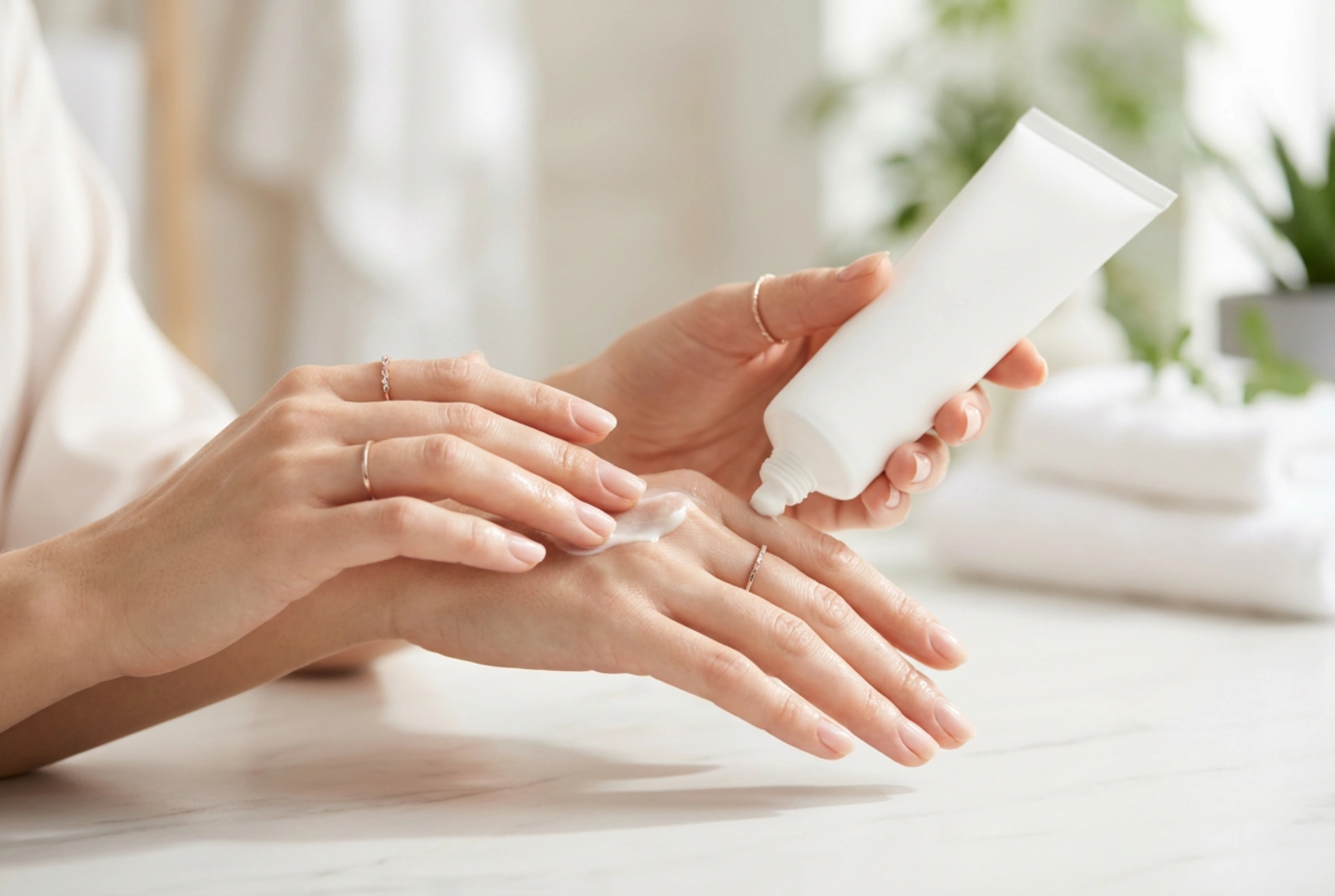
How and when you apply hand cream is just as important as the product itself. For best results, apply cream immediately after washing your hands to lock in the moisture from the water. Don't be shy with the amount; use a generous dollop and massage it thoroughly into the skin, paying special attention to your knuckles and cuticles. Make it a habit to reapply throughout the day, especially after washing or when your hands feel tight. For an intensive overnight treatment, apply a thick layer of a rich hand cream before bed and wear a pair of cotton gloves. This will help the product penetrate deeply while you sleep, allowing you to wake up with noticeably softer hands.
Daily Protection: A Proactive Approach
Preventing chapped hands is easier than treating them. Incorporate protective measures into your daily routine. Always wear waterproof gloves when washing dishes or using household cleaning products to shield your skin from harsh chemicals. In cold weather, wear warm gloves or mittens when you go outside to protect your hands from the biting wind and cold air. This simple barrier can prevent the cycle of dryness from starting in the first place, keeping your hands comfortable and healthy year-round.