

Taking care of our feet is often an overlooked part of a beauty routine, yet they carry us through our day and deserve just as much pampering as any other part of our body. When it comes to intensive foot care, masks are a fantastic solution for providing deep nourishment and hydration. The market offers two main formats: convenient sock-style masks and traditional cream masks. Understanding the differences between them can help you choose the perfect treatment to leave your feet feeling soft, smooth, and revitalised.
Understanding the Role of Foot Masks
Foot masks are designed to deliver a concentrated dose of beneficial ingredients directly to the skin on your feet. Unlike a daily foot cream, a mask is intended for less frequent, more intensive use. Its primary purpose is to address specific concerns such as extreme dryness, rough skin, or tired feet. Depending on their formulation, they can deeply hydrate, gently exfoliate dead skin cells, or soothe and cool. Using a foot mask is like giving your feet a mini-facial, providing a restorative experience and visibly improving the skin's texture and appearance.
Sock-Style Foot Masks: The Intensive, No-Mess Solution
Sock-style masks have gained immense popularity for their ease of use and effectiveness. They are essentially disposable socks lined with a fabric that is saturated with a powerful serum or essence.
What Are They Best For?
Sock masks create an occlusive environment, meaning they trap the ingredients against the skin, preventing evaporation and enhancing penetration. This makes them exceptionally effective for certain treatments:
- Deep Hydration: For very dry or cracked heels, the prolonged contact with hydrating ingredients like shea butter, urea, or hyaluronic acid can work wonders. The sock format ensures the entire foot is evenly coated and absorbs the maximum amount of product.
- Exfoliation: Many sock masks are formulated with gentle acids (like lactic or glycolic acid) to promote the shedding of dead skin. After using an exfoliating mask, the outer layer of rough, calloused skin will peel away over several days, revealing softer, smoother skin underneath. These are best used periodically, not as a weekly treatment.
- Convenience: One of the biggest advantages is that they are mess-free. You simply slip them on, secure them, and you can relax or even walk around carefully while they work their magic. There's no need to worry about smearing cream on your floors or furniture.
How to Use Them
Using a sock mask is incredibly straightforward. Start with clean, dry feet. Open the package, separate the two socks, and slide one onto each foot. Most come with an adhesive tab to secure them around the ankle. Leave them on for the duration specified in the instructions, typically between 20 to 60 minutes. Afterwards, remove the socks and gently massage any remaining serum into your skin. For exfoliating masks, do not apply moisturiser afterwards, and wait for the peeling process to begin naturally in the following days.
Cream Foot Masks: The Versatile and Controllable Classic
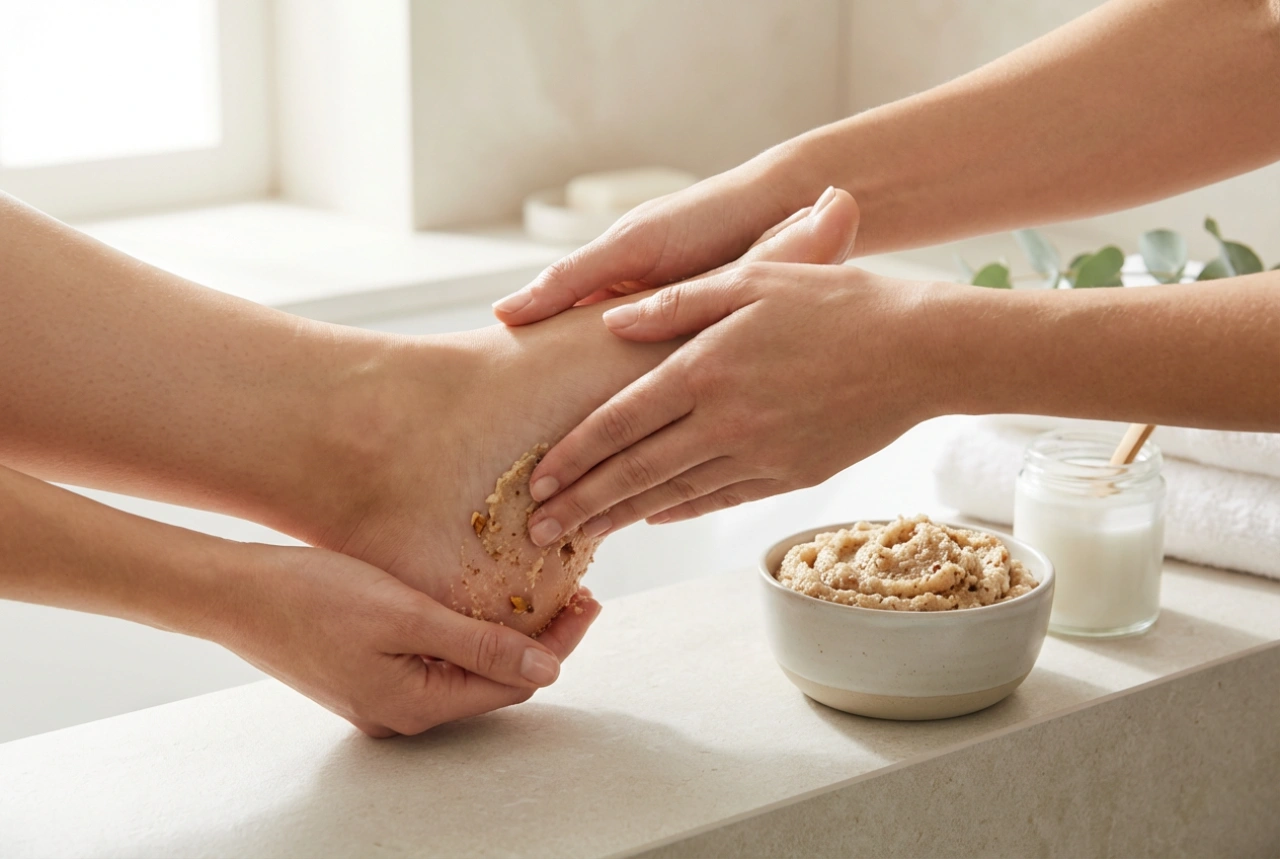
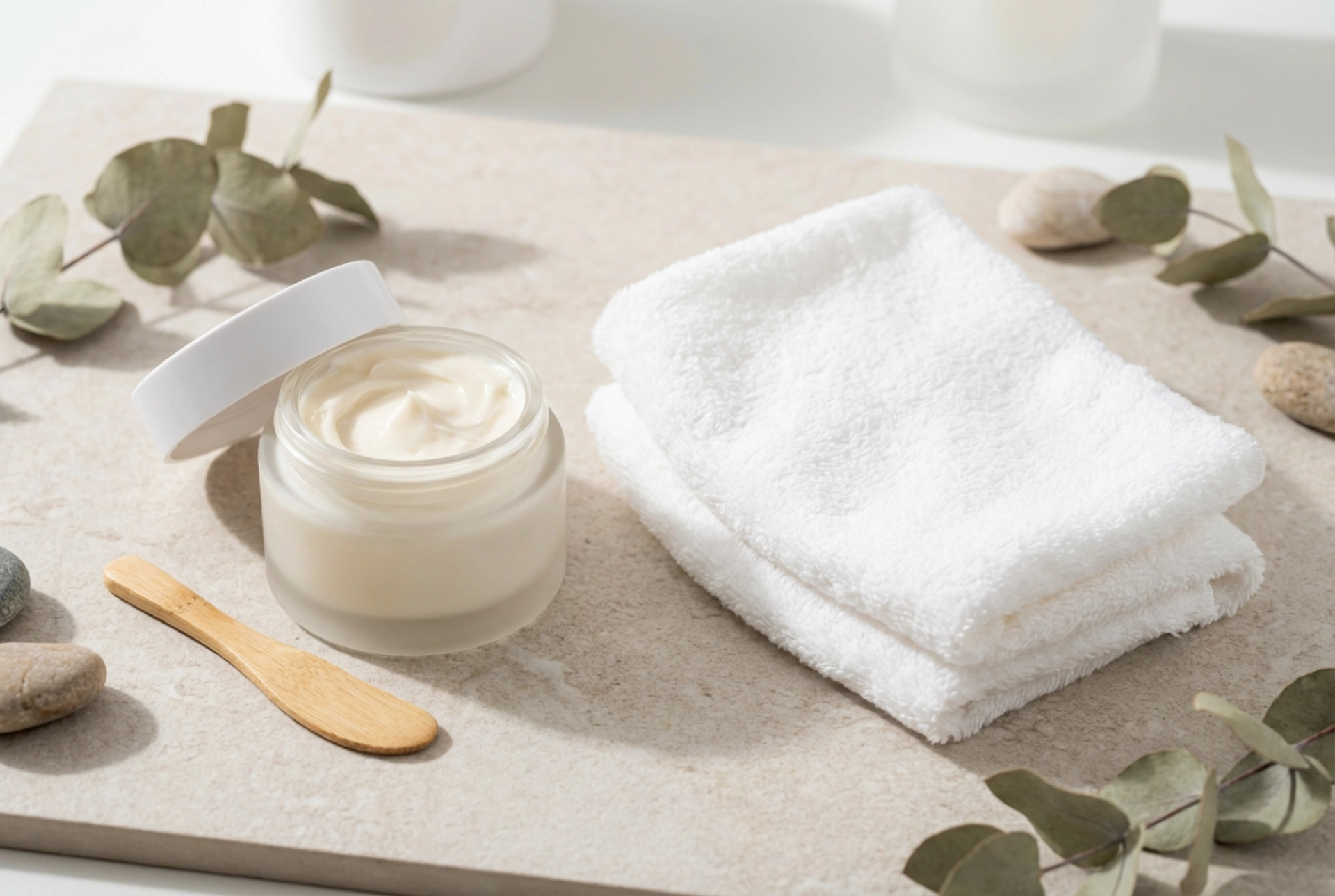
Cream masks are the more traditional format. They typically come in a jar or tube and have a thick, rich consistency. You apply them directly to the skin, much like a face mask.
What Are They Best For?
The classic cream mask offers a different set of advantages, primarily centred around versatility and control.
- Targeted Application: If you only have specific problem areas, like dry heels or rough patches on the balls of your feet, a cream mask allows you to apply the product exactly where it's needed without treating the entire foot.
- Regular Maintenance: Cream masks are excellent for regular, weekly use to maintain softness and hydration. They are often gentler than intensive exfoliating sock masks and can be integrated easily into a pedicure routine.
- Overnight Treatment: For a serious boost of moisture, you can apply a thick layer of a hydrating cream mask, put on a pair of cotton socks, and leave it on overnight. This extended period of absorption can dramatically improve the condition of very dry skin.
- Control Over Quantity: With a cream mask, you decide how much product to use. You can apply a thin layer for a quick refresh or a thick layer for a more intensive session.
How to Use Them
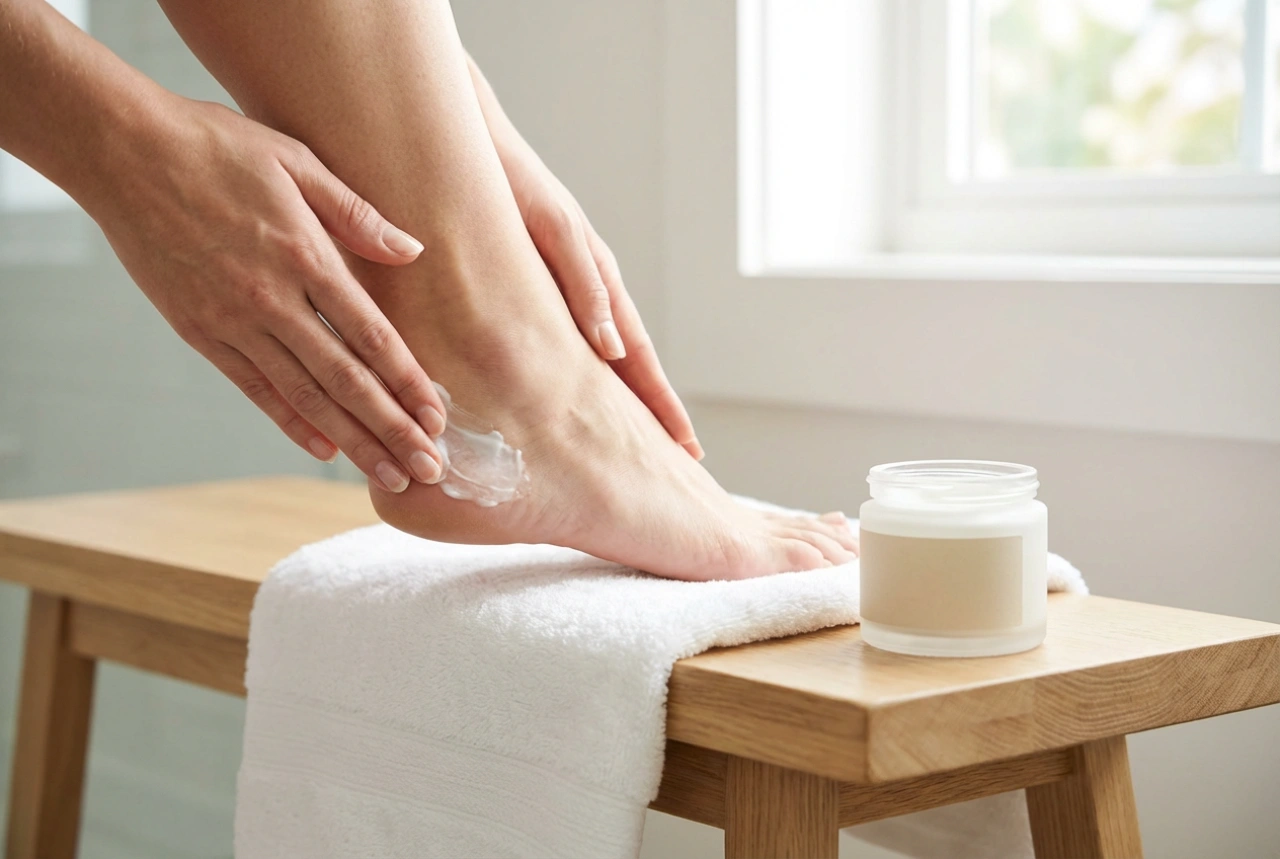
To use a cream mask, begin with clean feet. Scoop out a generous amount and apply an even layer over your feet, concentrating on any particularly dry or rough areas. Let the mask sit for the recommended time, usually 15-20 minutes. Depending on the specific product, you might then rinse it off with warm water or simply wipe away the excess and massage the rest into the skin. As mentioned, wearing cotton socks over the mask can help to intensify its effects.
Conclusion: Which One Should You Choose?
Both sock and cream foot masks are valuable tools for achieving soft, healthy-looking feet. The best choice depends entirely on your needs and preferences. If you're looking for an easy, mess-free, and highly intensive treatment for overall dryness or for exfoliation, a sock mask is an excellent option. If you prefer a more customisable approach, want to target specific areas, or are looking for a product for regular maintenance and overnight use, a cream mask is the more versatile choice. Ultimately, you might find that having both on hand allows you to give your feet the perfect treatment for any occasion.