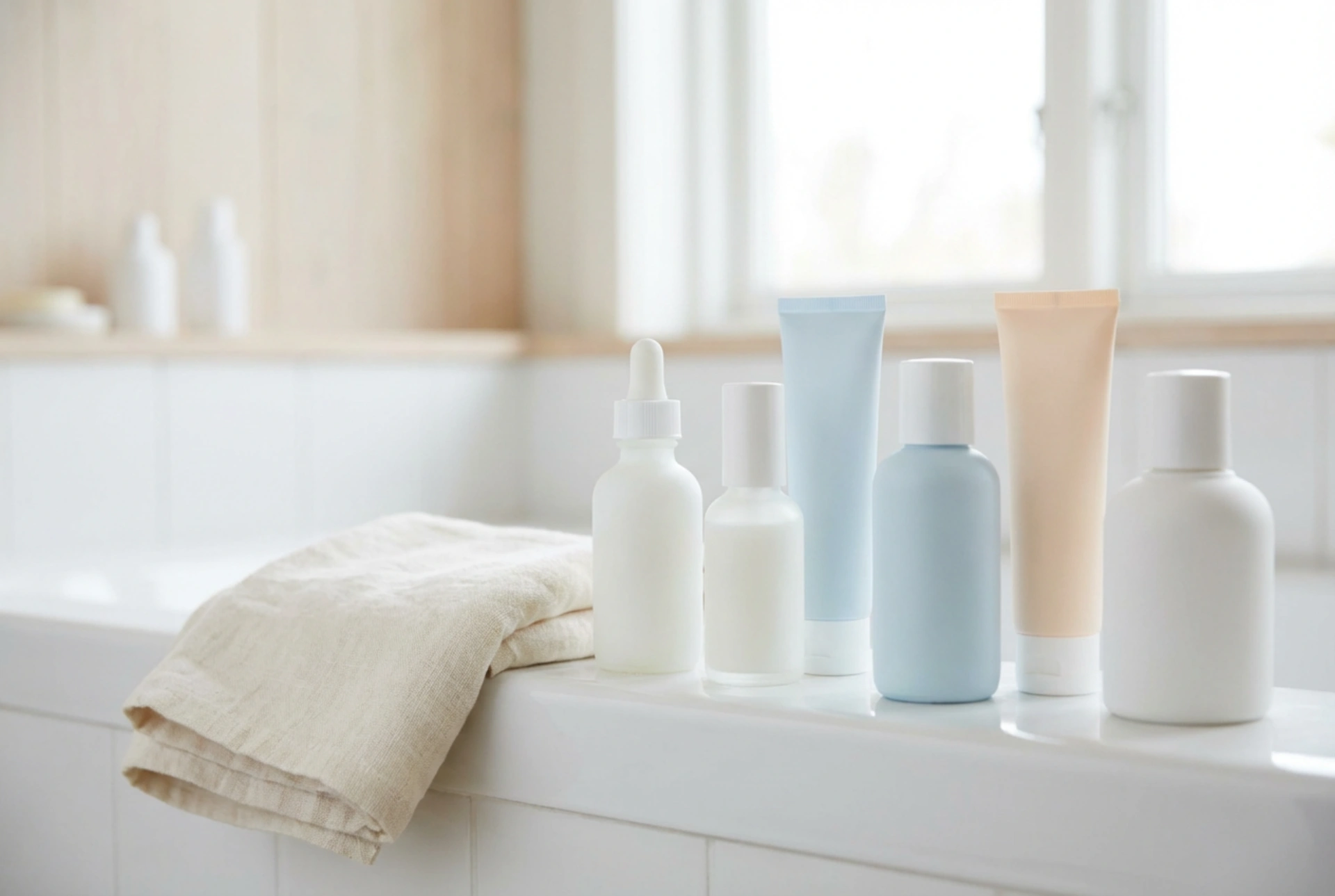


Creating a personal care routine that feels calm and nurturing is a cornerstone of self-care. Just as we choose gentle products for our face, the delicate skin of our intimate areas deserves equally thoughtful attention. Establishing a simple, correct hygiene practice not only supports physical comfort but also contributes to an overall sense of well-being, turning a daily necessity into a mindful moment of care.
Why Does Intimate Hygiene Require a Gentle Approach?
The skin in the intimate area is more delicate and has a unique natural environment compared to the rest of the body. Its balance is key to maintaining a feeling of freshness and comfort. Using conventional body washes or soaps, which are often formulated for tougher skin, can disrupt this delicate balance. These products may have a different pH level or contain ingredients like strong fragrances and detergents that can strip the skin of its natural protective lipids, potentially leading to dryness and discomfort. Therefore, opting for a specialised, gentle approach helps to preserve the natural state of the skin, ensuring it remains comfortable and healthy-feeling.
How to Choose the Right Intimate Hygiene Products
Navigating the shelves for intimate care products can be simple if you know what to look for. The goal is to find a product that cleanses effectively without causing irritation.
Decoding the Product Label
When selecting a wash, gel, or foam, pay attention to the formulation. Look for products described as:
- pH-balanced or adapted to the intimate area: This indicates the product is formulated to respect the natural environment of the skin.
- Hypoallergenic: These products are formulated to minimise the risk of allergic reactions.
- Free from harsh ingredients: It is often beneficial to avoid products with strong, artificial fragrances, colourants, and harsh sulphate-based detergents.
- Gynaecologically tested: This label suggests the product has been tested for use on the intimate area under specialist supervision.
Understanding Different Product Formats
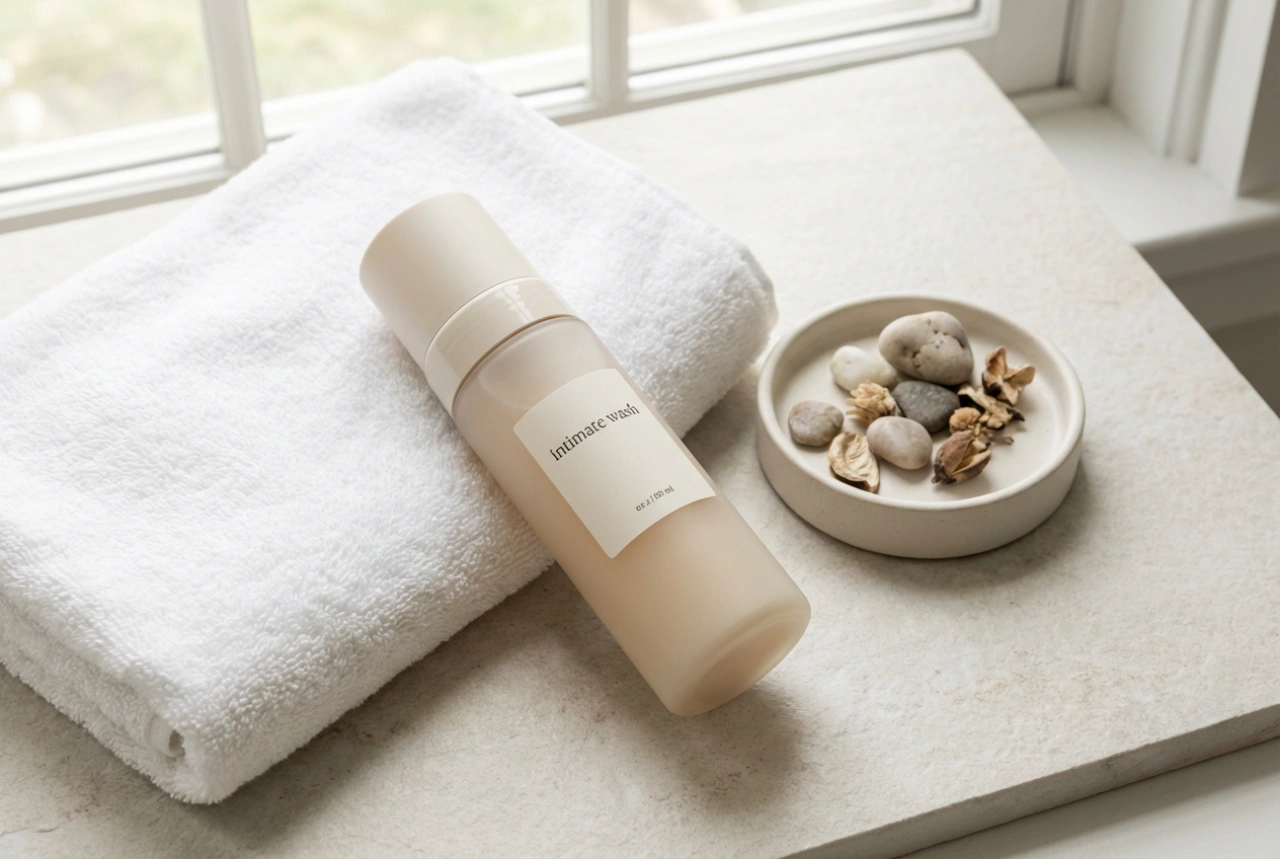
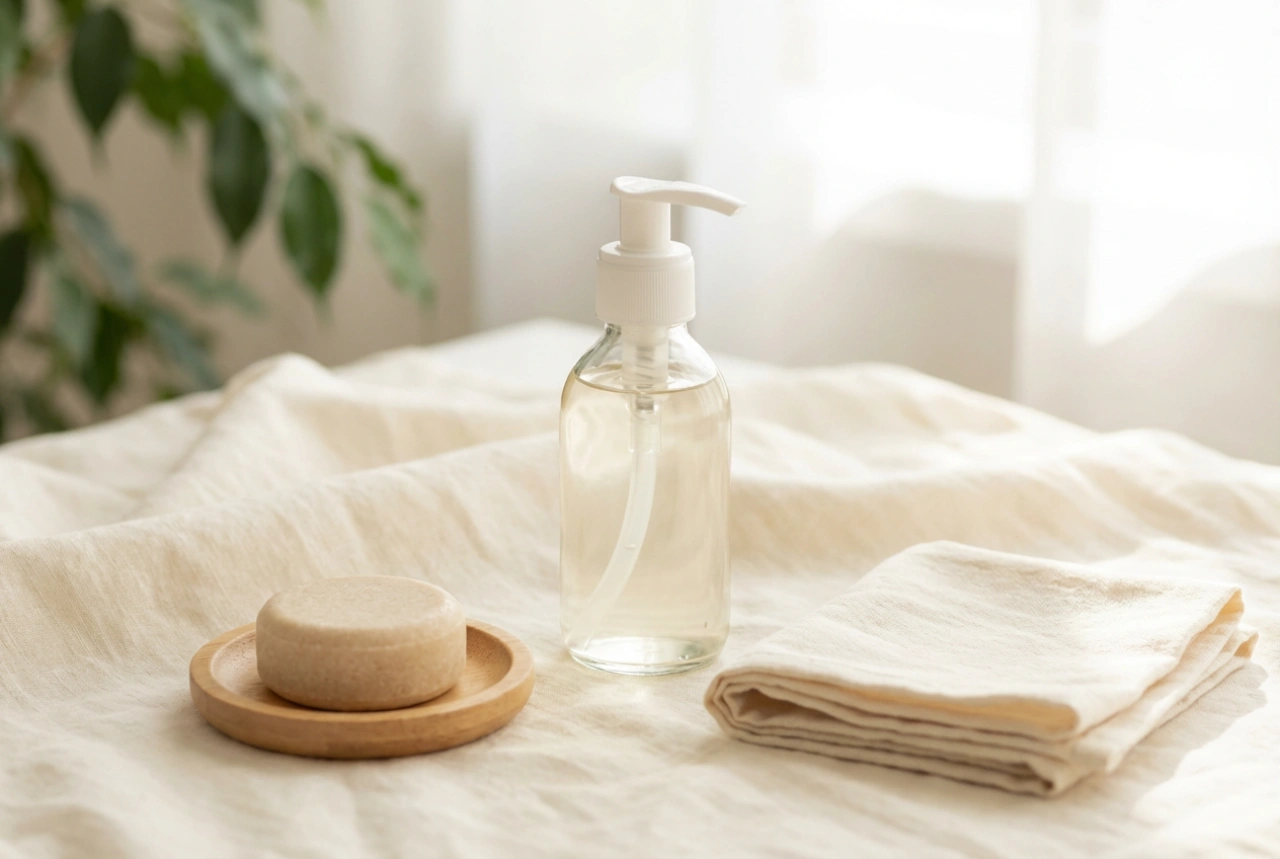
Intimate care products come in various forms to suit personal preferences. Gentle washes, gels, and mousses are all excellent for daily use in the shower. They are designed to cleanse without drying out the skin. For on-the-go situations, such as after exercise or during travel, specially designed wipes can be a convenient option. However, they should be seen as a temporary solution and not a replacement for washing with water.
Best Practices for Your Daily Routine
How you wash is just as important as what you use. Incorporating these simple steps into your daily routine can make a significant difference in maintaining comfort.
- Use lukewarm water: Very hot water can be drying and irritating to sensitive skin.
- Apply with your hand: Use a small amount of your chosen intimate wash and apply it gently with your hand. Avoid using washcloths, sponges, or loofahs, as their rough texture can cause micro-abrasions, and they can harbour unwanted micro-organisms.
- Cleanse the external area only: The intimate hygiene routine should focus solely on the external genital area (the vulva). The internal vaginal canal is self-cleaning and does not require washing.
- Rinse thoroughly: Ensure all traces of the cleansing product are rinsed away with water to prevent any residue from causing irritation.
- Pat dry gently: After washing, gently pat the area dry with a clean, soft towel. Avoid vigorous rubbing, which can be harsh on the delicate skin.
- Keep it simple: For most people, washing the intimate area once a day is sufficient. Over-washing can be counterproductive and may lead to dryness.
Lifestyle Habits That Promote Intimate Comfort
Beyond your washing routine, several daily habits can contribute to the well-being of your intimate area and help you feel fresh and comfortable throughout the day.
- Choose breathable underwear: Natural fabrics like cotton are breathable and help to manage moisture, which is preferable to synthetic materials that can trap heat and dampness.
- Avoid overly tight clothing: Wearing tight trousers, leggings, or underwear for extended periods can restrict air circulation and create a warm, moist environment. Opt for looser-fitting clothes when possible.
- Change out of damp clothes promptly: After swimming or working out, change out of wet swimwear or sweaty gym clothes as soon as you can.
- Stay hydrated: Drinking plenty of water is essential for overall skin health, including the skin in intimate areas.
Ultimately, intimate hygiene is about gentle, respectful care. By choosing mild, appropriate products and adopting simple, consistent habits, you can easily maintain a feeling of freshness, comfort, and confidence every day. It's about listening to your body and finding a routine that works best for you.