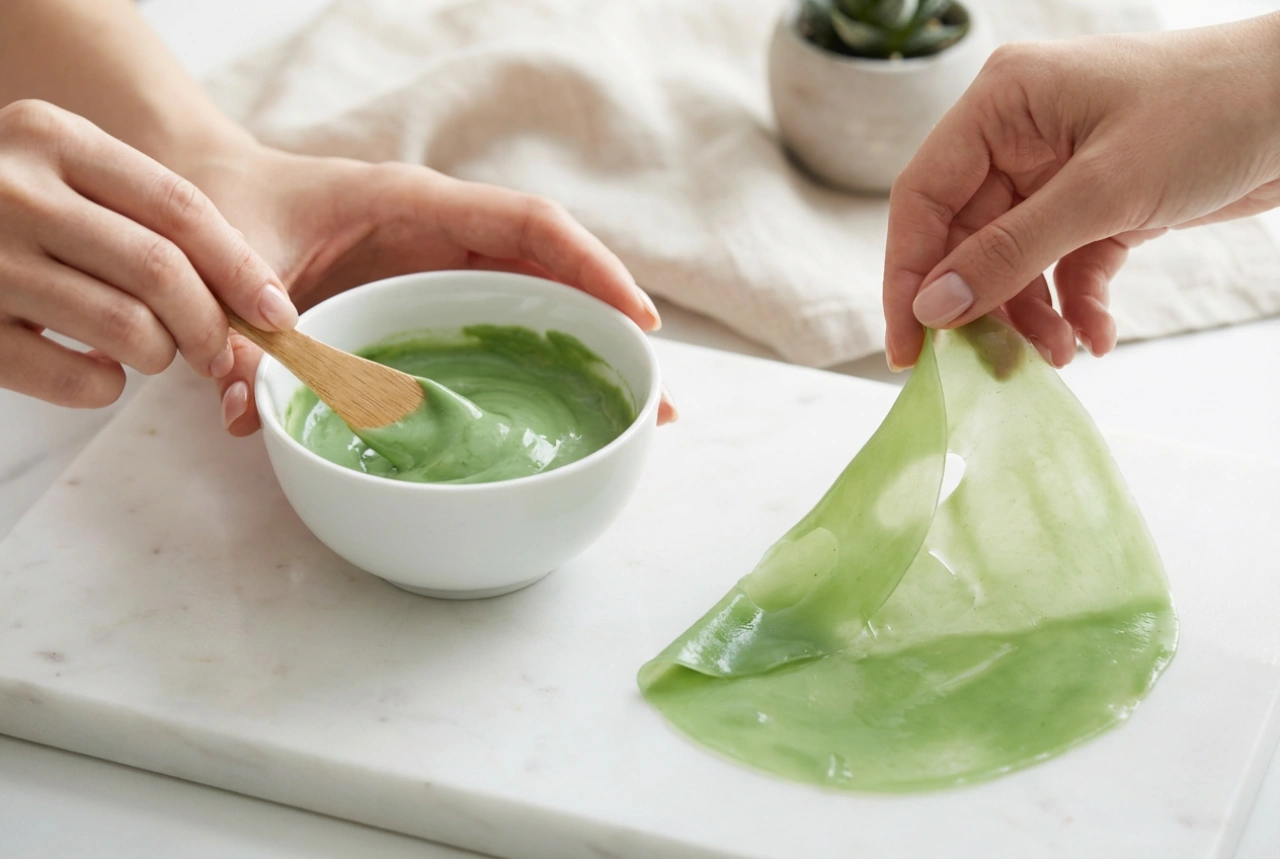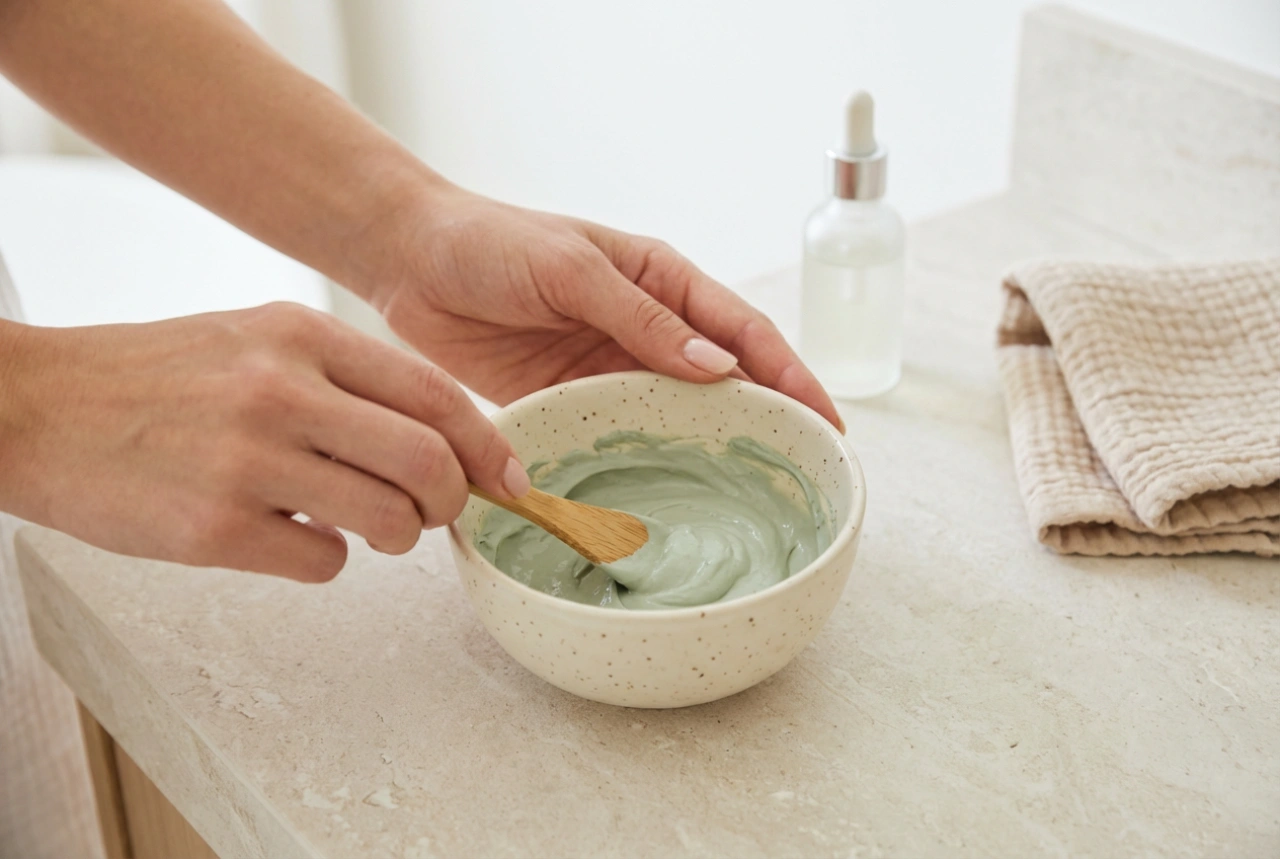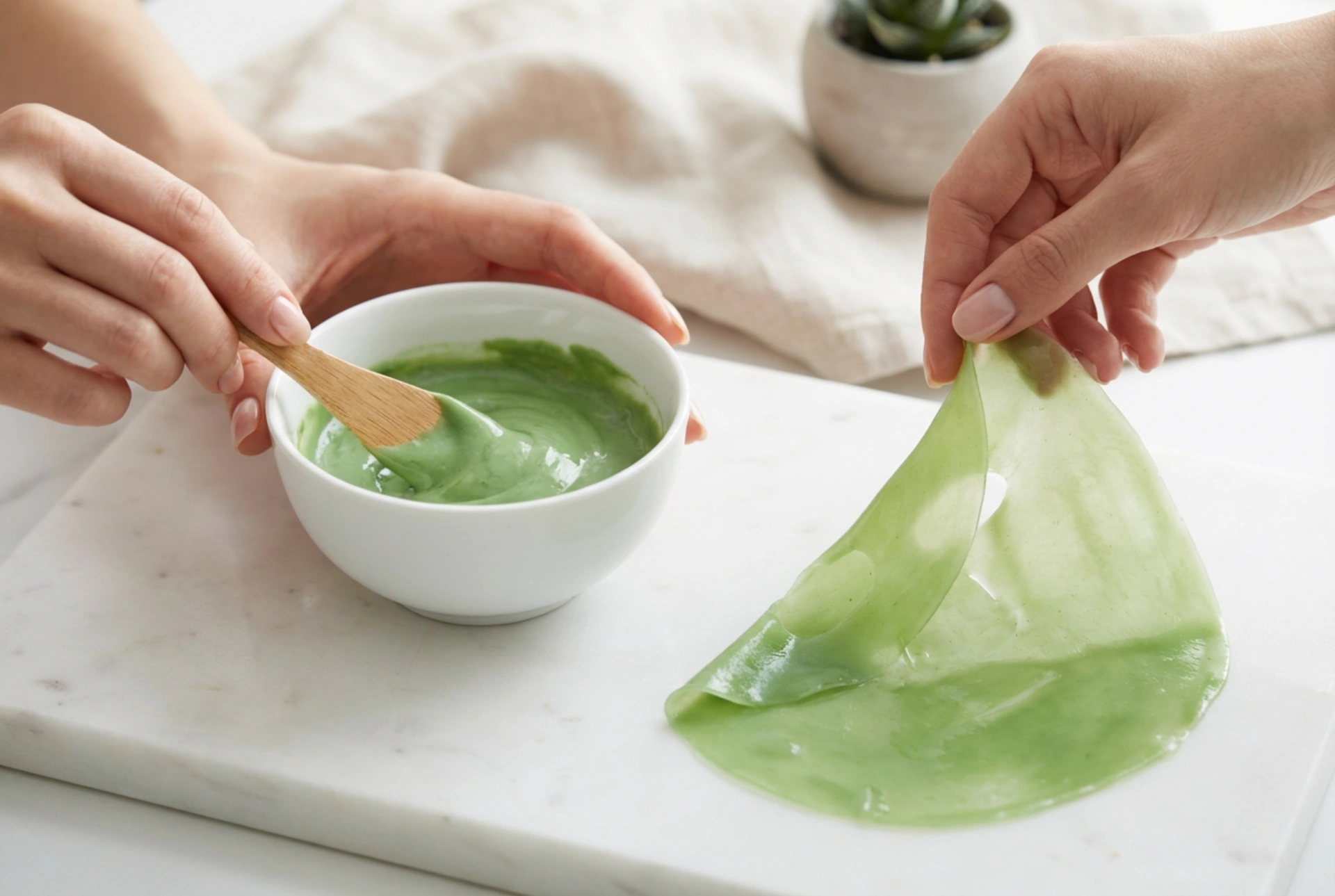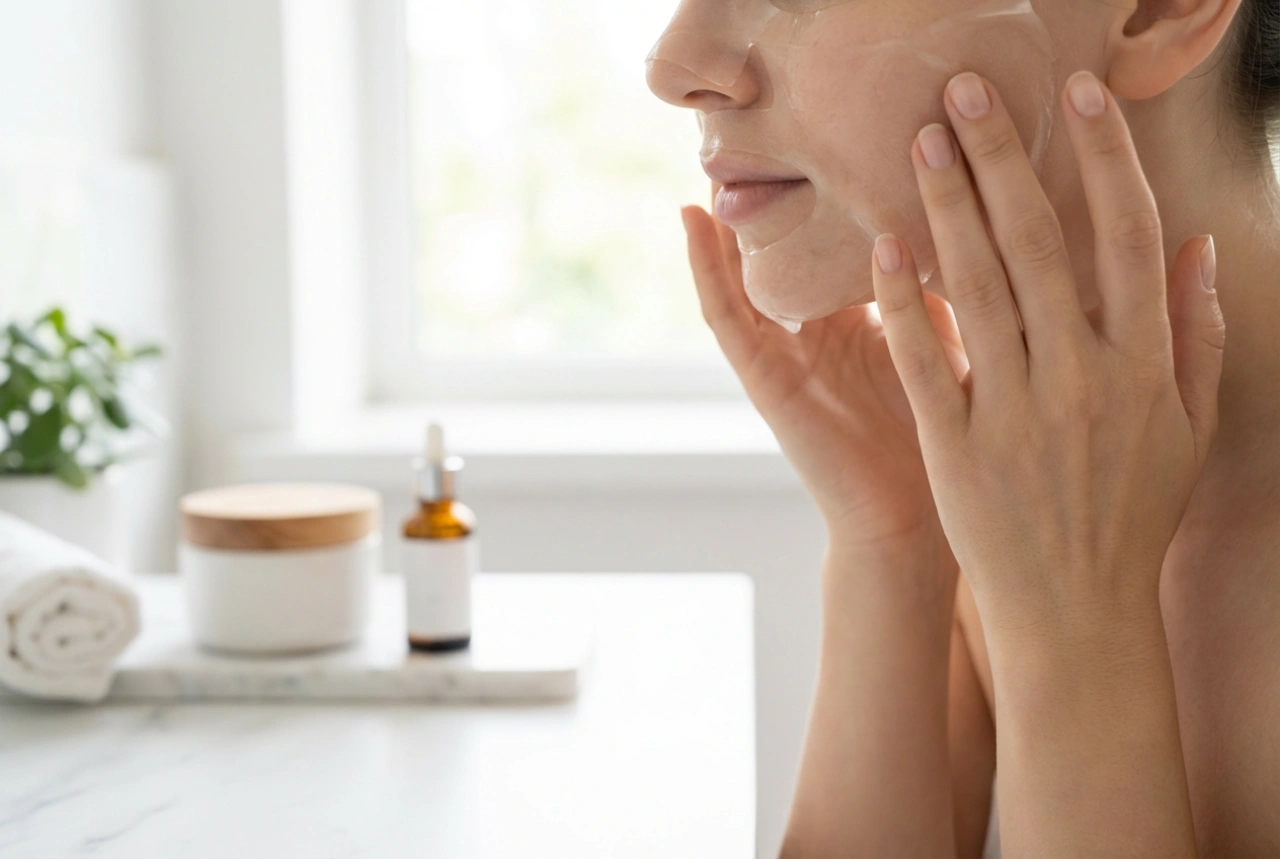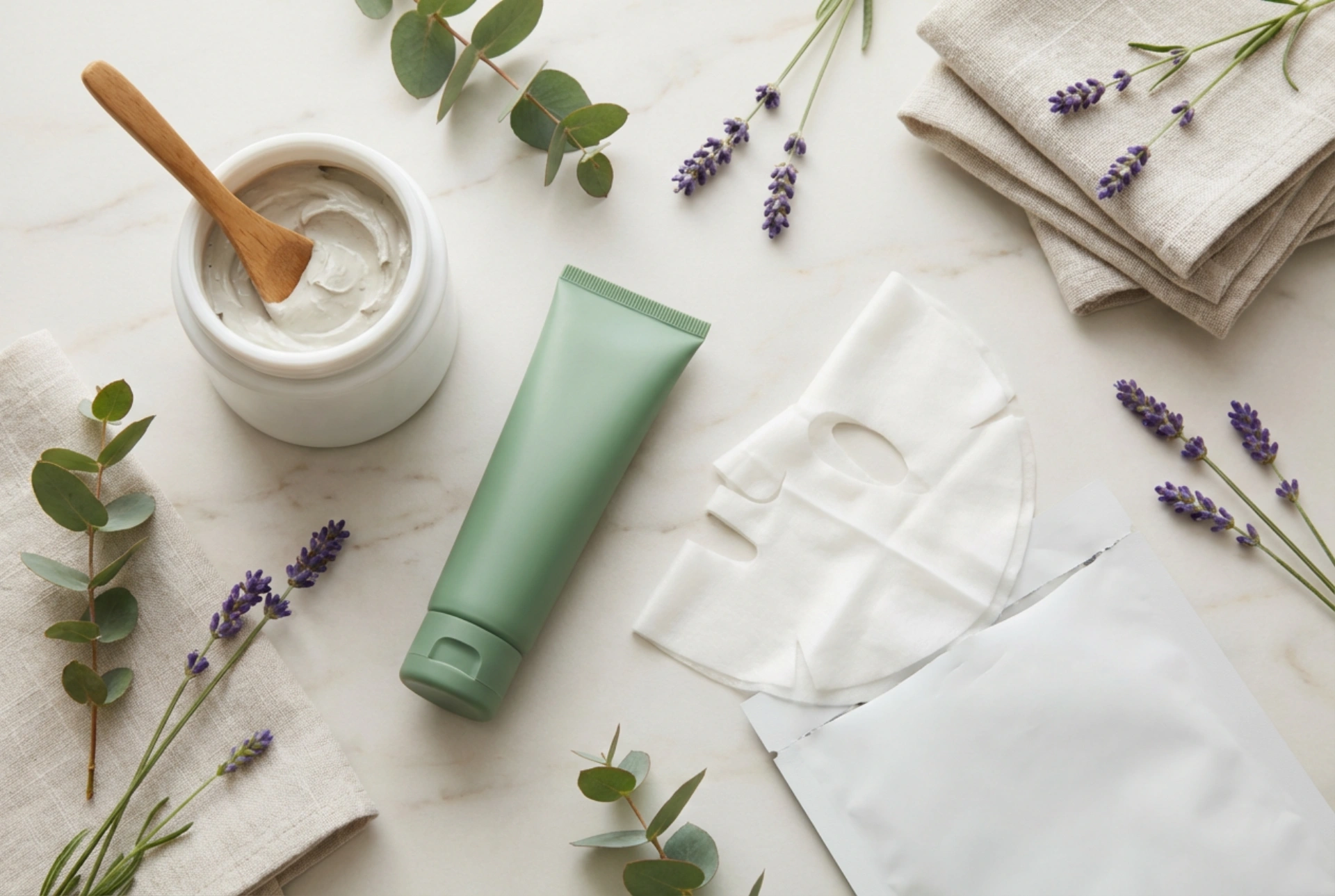


Incorporating a face mask into your beauty routine is more than just a skincare step; it's a moment of ritual and self-care. As seen in the serene arrangement of different mask types, from rich clays to hydrating gels, these products offer a concentrated dose of beneficial ingredients to address specific skin needs. Whether you're seeking deep purification, intense hydration, or a radiant glow, there is a mask perfectly suited to enhance your complexion.
Why Use Face Masks?
Face masks are designed to deliver a potent burst of active ingredients in a highly concentrated form. Unlike daily cleansers or moisturisers, a mask sits on the skin for a longer period, typically 10-20 minutes, allowing the ingredients to penetrate more deeply. This process can help to intensely hydrate, remove excess oils, pull out impurities from pores, and improve the overall appearance and texture of the skin. They serve as a targeted treatment to supplement your regular skincare regimen and provide an instant boost, making them a cornerstone of an effective home beauty ritual.
An Overview of Face Mask Types
Navigating the world of face masks is easier when you understand the primary categories and their unique benefits. Each type is formulated to target different skin concerns, using a specific base and active ingredients.
Clay and Mud Masks
Clay and mud masks are renowned for their purifying and detoxifying properties. Formulated with ingredients like kaolin or bentonite clay, they excel at absorbing excess sebum and drawing out impurities from the pores. This makes them an excellent choice for individuals with oily or combination skin types who are looking to manage shine and achieve a clearer, more refined complexion. After use, the skin often feels deeply cleansed and mattified, and pores may appear smaller.
Gel Masks
Gel masks have a light, cool, and refreshing texture, making them a pleasure to use. Their primary function is to provide hydration and soothe the skin. Often packed with water-based ingredients like hyaluronic acid, aloe vera, or cucumber extract, they help to replenish moisture levels without feeling heavy or greasy. Gel masks are suitable for all skin types, but they are particularly beneficial for dehydrated, sensitive, or irritated skin in need of calming relief.
Cream Masks
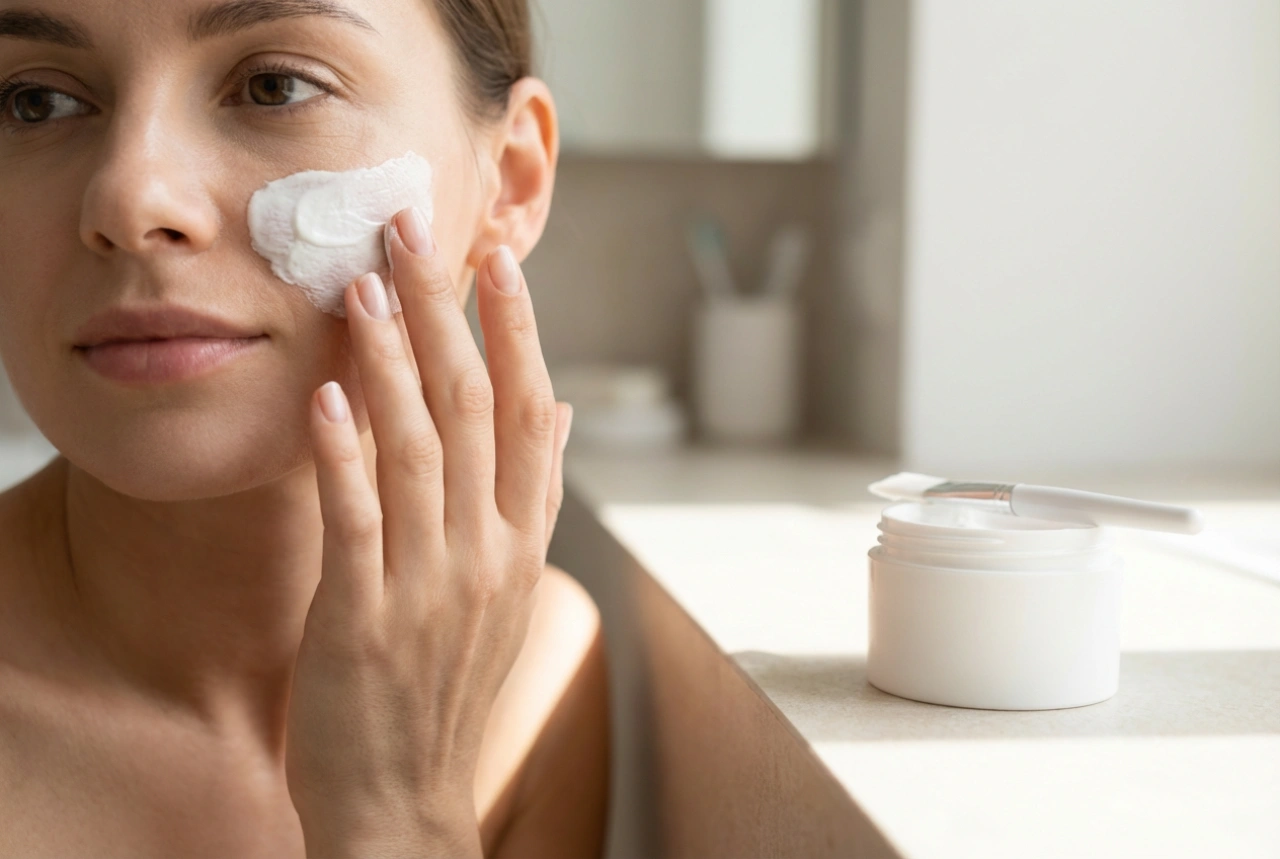
For those with dry or mature skin, cream masks are a wonderful option. They have a rich, emollient texture that provides intense nourishment and moisture. These masks are typically formulated with oils, butters, and essential fatty acids to help replenish the skin's lipid barrier, leaving it feeling soft, supple, and plump. They work to combat dryness and can help to diminish the appearance of fine lines associated with dehydration.
Sheet Masks
Originating from Asian beauty practices, sheet masks have become globally popular for their convenience and effectiveness. These are single-use masks made from fabric or hydrogel, saturated in a nutrient-rich serum. They create a barrier on the skin, preventing the active ingredients from evaporating and allowing for maximum absorption. Available with a vast array of formulations—from hydrating and brightening to firming—sheet masks are a quick and easy way to give your skin a concentrated treatment for almost any concern.
How to Incorporate Masks into Your Skincare Routine
To get the most out of your face mask, it's important to use it correctly. Consistency is key, and aiming for a mask session 1-2 times per week is a great starting point for most skin types. Some hydrating masks can be used more often, while potent clarifying masks may be best reserved for weekly use.
The Right Application Steps
- Start with a Clean Canvas: Always begin by thoroughly cleansing your face to remove makeup, dirt, and oil. This ensures the mask's ingredients can work effectively.
- Apply Evenly: Using clean fingers or a dedicated brush, apply an even layer of the mask to your face, avoiding the delicate eye and mouth areas. For sheet masks, simply unfold and place it onto your face, smoothing it out.
- Relax and Wait: Leave the mask on for the duration specified in the product's instructions, usually between 10 and 20 minutes. This is a perfect time to relax and de-stress.
- Remove Correctly: Rinse off non-setting masks with lukewarm water. Gently peel off peel-off masks from the edges. For sheet masks, remove the sheet and gently pat any remaining serum into the skin.
- Follow Up Your Routine: After masking, continue with the rest of your skincare routine, such as applying toner, serum, and moisturiser, to seal in all the benefits.
Choosing the Right Mask for Your Skin Concerns
Selecting a mask is all about listening to your skin. If your skin feels oily and congested, a clay mask can help restore balance. If it's feeling tight and dry, a nourishing cream or hydrating gel mask will provide much-needed moisture. For a dull, tired-looking complexion, a brightening sheet mask infused with vitamin C or other illuminating ingredients can work wonders. For sensitive skin, look for gel or cream masks with calming ingredients to reduce redness and discomfort. Face masks are a versatile and enjoyable part of any comprehensive skincare approach. By understanding the different types available and how to use them effectively, you can provide your skin with targeted care that addresses its unique needs. This simple ritual not only boosts your skin's health and appearance but also offers a valuable moment of tranquillity in your busy week.