

A flawless makeup look often comes down to the small details, and one of the most effective yet frequently overlooked steps is preparing the delicate skin around the eyes. An eye primer, specifically one suitable for the under-eye area, can be a game-changer. It creates the perfect canvas for your concealer, ensuring it stays smooth, vibrant, and crease-free throughout the day. But to unlock its full potential, knowing where and how to apply it is crucial.
Why Use a Primer Under the Eyes?
The skin under our eyes is significantly thinner and more delicate than on the rest of our face. It moves constantly as we blink and express ourselves, making it a prime area for makeup to settle into fine lines. An under-eye primer acts as a bridge between your skincare and your makeup, offering several key benefits.
Firstly, it creates a silky-smooth surface. Primers often contain ingredients that fill in tiny lines and blur imperfections, providing an even base for concealer to glide over. This prevents the concealer from catching on dry patches or sinking into creases. Secondly, it enhances longevity. A good primer forms a gentle barrier that helps grip onto your makeup, preventing it from sliding, fading, or smudging as the hours go by. Finally, it can help with colour correction. Some primers have a subtle tint that can begin to neutralise discolouration even before concealer is applied, meaning you may need to use less product overall for a natural look.
How to Apply Under-Eye Primer: A Step-by-Step Guide
Proper application is key to making your primer work for you, not against you. The goal is a thin, imperceptible layer that enhances your makeup without adding bulk. Always start with a clean and well-hydrated face.
Step 1: Start with Prepped Skin
Before even thinking about primer, ensure your under-eye area is clean and lightly moisturised. Apply a small amount of your regular eye cream and give it a few minutes to fully absorb. Applying primer or makeup on top of wet moisturiser can cause pilling and prevent products from setting correctly.
Step 2: Use a Tiny Amount
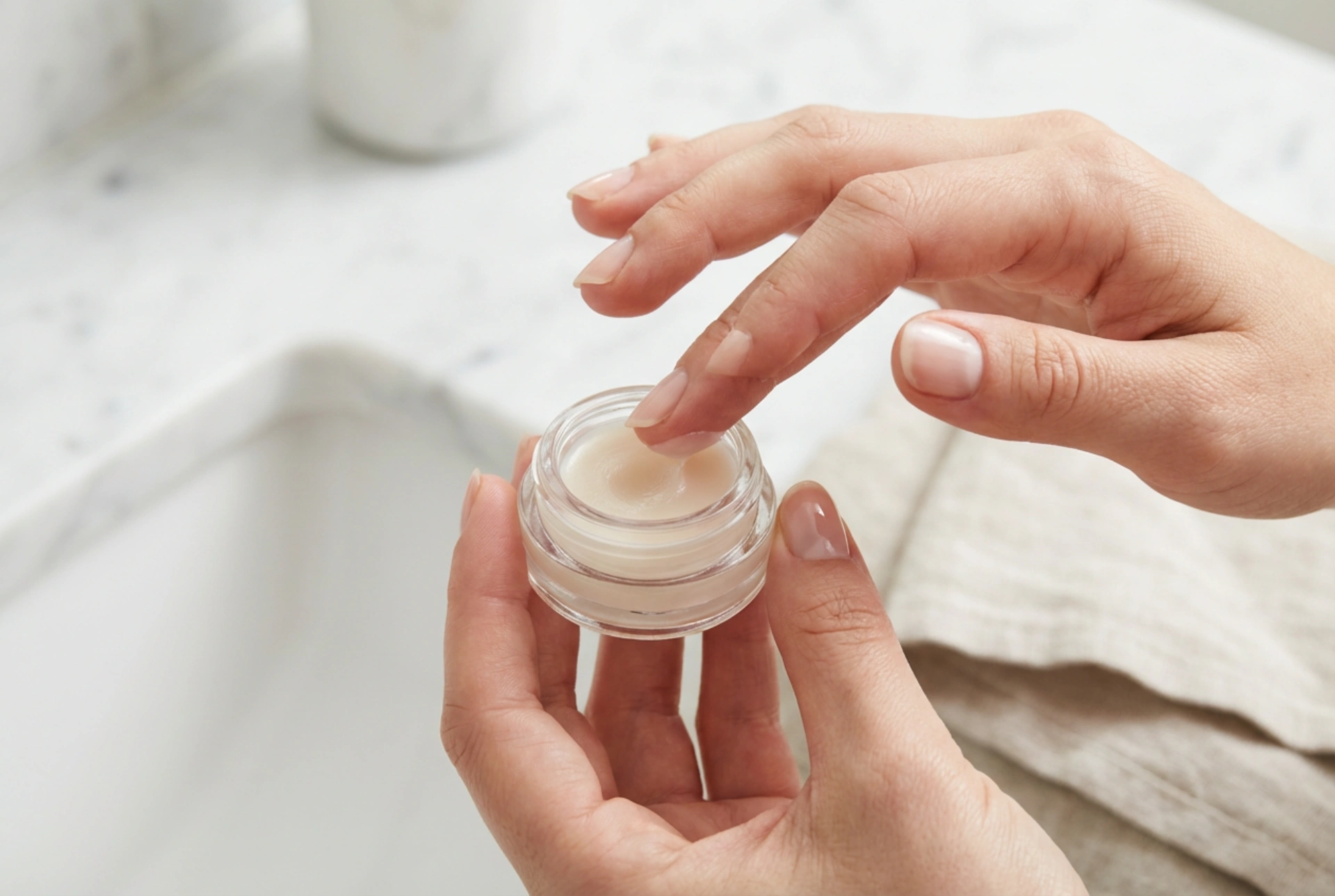
This is the golden rule of primer application: less is more. You only need a minuscule amount of product. Dispense a portion about the size of a pinhead onto the back of your hand. This is often enough for both eyes. Using too much will lead to a heavy, cakey feeling and can actually cause more creasing.
Step 3: Warm and Dab Gently
Using your ring finger, which naturally has the gentlest touch, pick up a small amount of the primer from your hand. Gently dab the product under your eye, starting from the inner corner and moving outwards. Focus on the area where you experience the most creasing or where you will apply concealer. Avoid rubbing or dragging the skin, as this can cause irritation and stretching over time. The dabbing motion presses the product into the skin for a seamless finish.
Step 4: Blend the Edges and Wait
Once you've applied the primer to the main under-eye area, gently pat around the edges to blend it into the surrounding skin. There should be no visible lines where the primer starts or ends. Now, for the most important part: wait. Give the primer at least a full minute to set and create that smooth film. Rushing this step and applying concealer immediately will negate the primer's benefits. Once it feels dry or non-tacky to the touch, you are ready to proceed with your concealer.
Common Mistakes to Avoid When Applying Eye Primer
Even with the best intentions, small errors can sabotage your results. Being mindful of these common mistakes will help you achieve a truly flawless finish.
- Applying too much product: This is the most common error. An excessive layer of primer will feel heavy, fail to set properly, and cause the makeup applied on top to slide around or look thick.
- Rubbing instead of dabbing: The skin under the eyes is extremely delicate. Rubbing can stretch the skin and also moves the product around instead of setting it in place. Gentle dabbing is always the best technique.
- Not allowing products to absorb: Applying primer onto wet eye cream or concealer onto wet primer is a recipe for pilling and a patchy finish. Patience is key; allow each layer to set before moving to the next.
- Applying to dry skin: Primer works best on hydrated skin. Skipping moisturiser can cause the primer to cling to dry patches, leading to an uneven texture that concealer will only accentuate.
- Forgetting the inner corner: The inner corner of the eye, near the bridge of the nose, is often the darkest area. Don't forget to apply a small amount of primer here to ensure your concealer brightens the area effectively and stays put.
Mastering the art of applying under-eye primer is a simple skill that yields significant rewards. By following these steps and avoiding common pitfalls, you can create a durable, smooth, and professional-looking makeup finish that lasts all day.