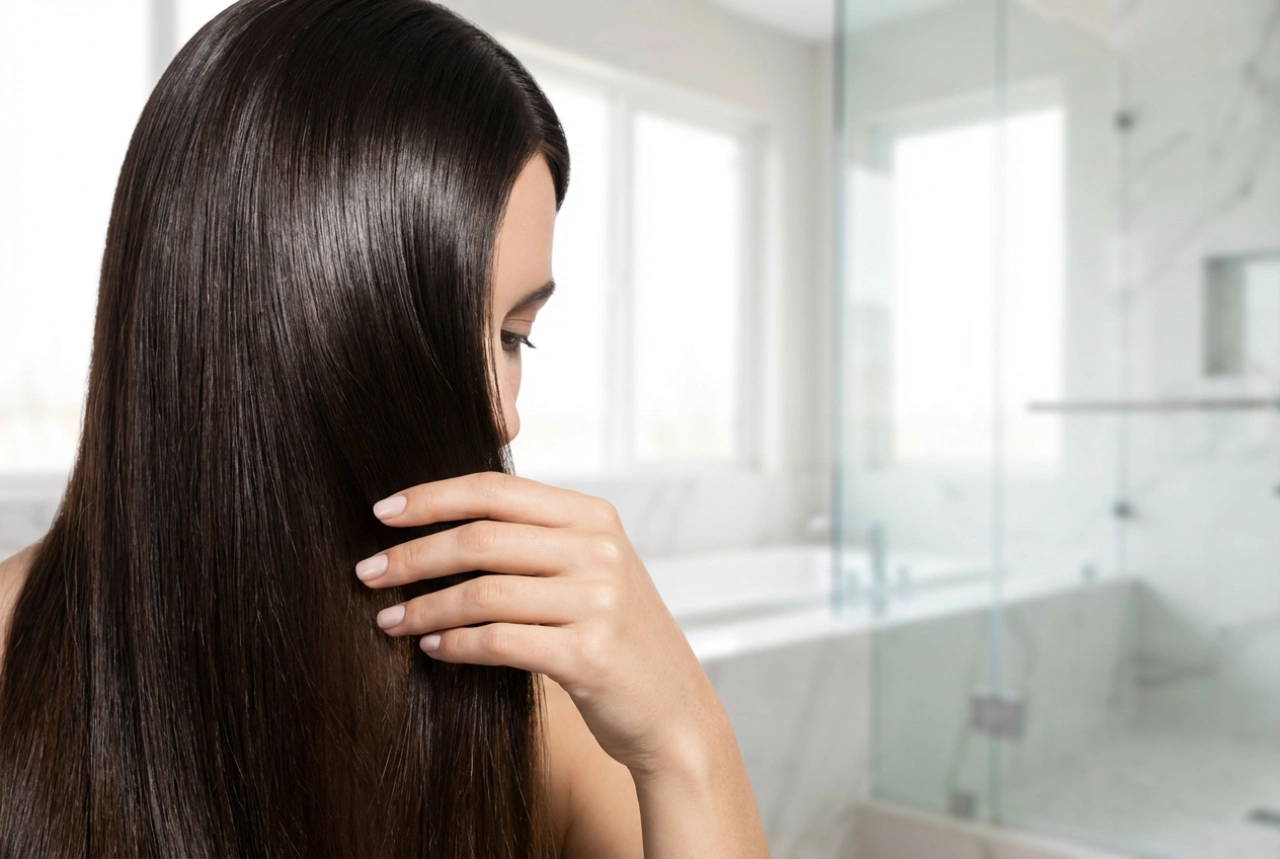


A hairbrush is one of the most fundamental tools in our daily beauty routine, yet its importance is often underestimated. Using the right brush in the right way can be transformative, turning a simple act of grooming into a ritual that promotes shine, health, and manageability. Conversely, the wrong brush or a harsh technique can lead to unnecessary friction, breakage, and dull-looking hair. Understanding the connection between your hair type and your brush is the first step towards unlocking your hair's full potential and keeping it healthy from root to tip.
Understanding Different Types of Hairbrushes
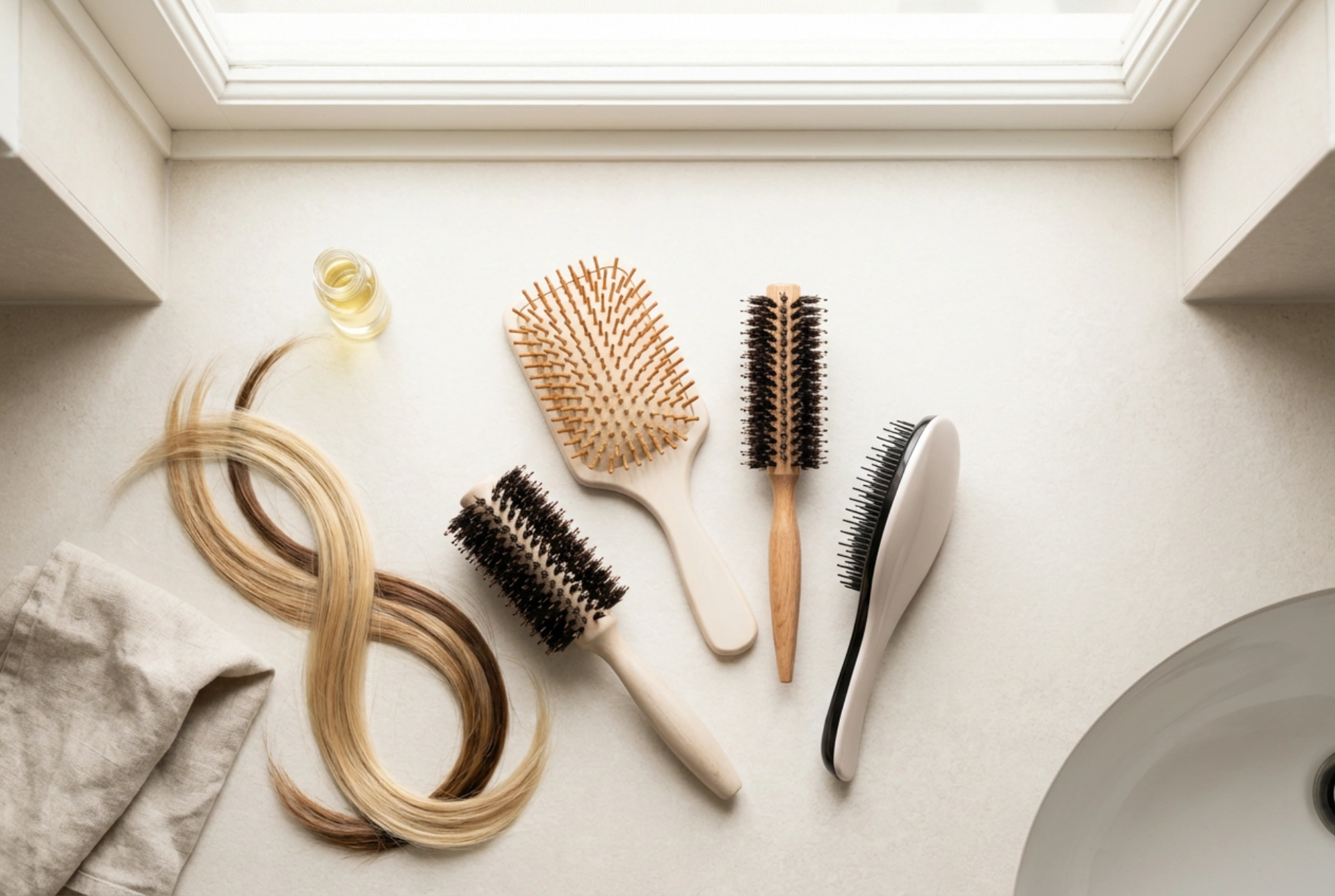
The market is filled with brushes of all shapes and sizes, and each design serves a specific purpose. Knowing the difference is key to building an effective hair care toolkit that caters to both your daily needs and styling ambitions.
Paddle Brush
Characterised by its wide, flat base, the paddle brush is an excellent all-rounder, particularly for those with long, straight hair. Its primary function is to detangle and smooth large sections of hair quickly and efficiently. The air-filled cushion base is gentle on the scalp, and the bristles, often tipped with balls, provide a pleasant massaging effect while minimising static.
Round Brush
This is the ultimate styling tool, essential for creating volume, curls, or a sleek, straight finish during a blow-dry. Round brushes come in various barrel sizes; a smaller barrel creates tighter curls, while a larger one produces soft waves or significant volume. Barrels made of ceramic or tourmaline retain heat from the hairdryer, helping to shape the hair more effectively and speed up drying time.
Detangling Brush
Specifically engineered to tackle knots and tangles with minimal pulling or breakage, detangling brushes are a true game-changer. They feature flexible, strategically placed bristles that bend and glide through knots rather than ripping them apart. These brushes are suitable for all hair types and can often be used on both wet and dry hair, making them a gentle option for post-shower care.
Boar Bristle Brush
A classic choice for promoting natural shine, brushes with natural boar bristles are excellent at distributing the scalp's natural oils (sebum) down the hair shaft. This process naturally conditions the hair, reduces frizz, and enhances smoothness. A 100% boar bristle brush is ideal for fine or normal hair, while a mix of boar and nylon bristles can provide the extra penetration needed for thicker hair.
Vent Brush
As the name suggests, a vent brush has openings in its base that allow hot air to circulate freely. This design significantly reduces blow-drying time. While not the best choice for creating a polished, smooth style, it is perfect for a quick rough-dry before using other styling tools.
Matching a Brush to Your Hair Type
Choosing the right tool depends entirely on the texture and needs of your hair. A brush that works wonders for one person might be ineffective or even damaging for another.
- For Fine Hair: Gentle care is paramount. A soft boar bristle brush is an excellent choice as it distributes oils for added lustre without causing stress or breakage. A soft-cushioned brush is also a great option for everyday grooming.
- For Thick or Coarse Hair: This hair type requires a brush with sturdy, firm bristles that can penetrate through its density. Nylon or a mix of nylon and boar bristles are effective. A large paddle brush is perfect for everyday detangling and smoothing.
- For Curly Hair: To preserve the natural curl pattern and avoid frizz, it's best to avoid brushing curly hair when it's dry. Instead, detangle with your fingers or a wide-tooth comb while your hair is saturated with conditioner in the shower. If you must use a brush, opt for a specialised detangling brush on wet hair.
- For Oily Hair: A boar bristle brush can help move excess oil away from the scalp and down the hair shaft, making roots appear less greasy and conditioning the ends.
The Correct Technique for Brushing Without Damage
How you brush your hair is just as important as the brush you use. An aggressive technique is one of the most common causes of mechanical damage, split ends, and breakage.
The golden rule is to always brush from the ends up. Start by gently working through any tangles at the very bottom of your hair. Once the ends are smooth, move a few inches up the hair shaft and detangle that section, gradually working your way up to the roots. This method prevents you from pulling a knot from the top all the way down, which can cause the hair to stretch and snap.
Be especially cautious with wet hair. Hair is at its most fragile when wet because its protein structure is temporarily weakened. Avoid using standard brushes on wet hair. Instead, use a wide-tooth comb or a brush specifically designed for wet detangling, and always apply a leave-in conditioner or detangling spray to provide slip and reduce friction.
How to Keep Your Hairbrushes Clean
A clean brush works more effectively and is more hygienic. Brushes accumulate shed hair, product residue, dust, and oils, which can be transferred back onto your clean hair. Cleaning them is a simple but vital part of your routine.
- Remove Hair: After each use, or at least once a week, pull out all the trapped hair from the bristles. You can use your fingers or the end of a tail comb to do this.
- Wash Regularly: Every few weeks, give your brushes a proper wash. Fill a basin with warm water and a few drops of a gentle shampoo.
- Scrub Gently: Swirl the brush in the soapy water, but try to avoid fully submerging wooden-handled brushes. Use an old toothbrush to gently scrub the bristles and the base to remove stubborn buildup.
- Rinse and Dry: Rinse the brush thoroughly under clean, running water. Shake out any excess water and lay the brush on a towel with the bristles facing down to air dry. This prevents water from seeping into the cushion or damaging a wooden handle.