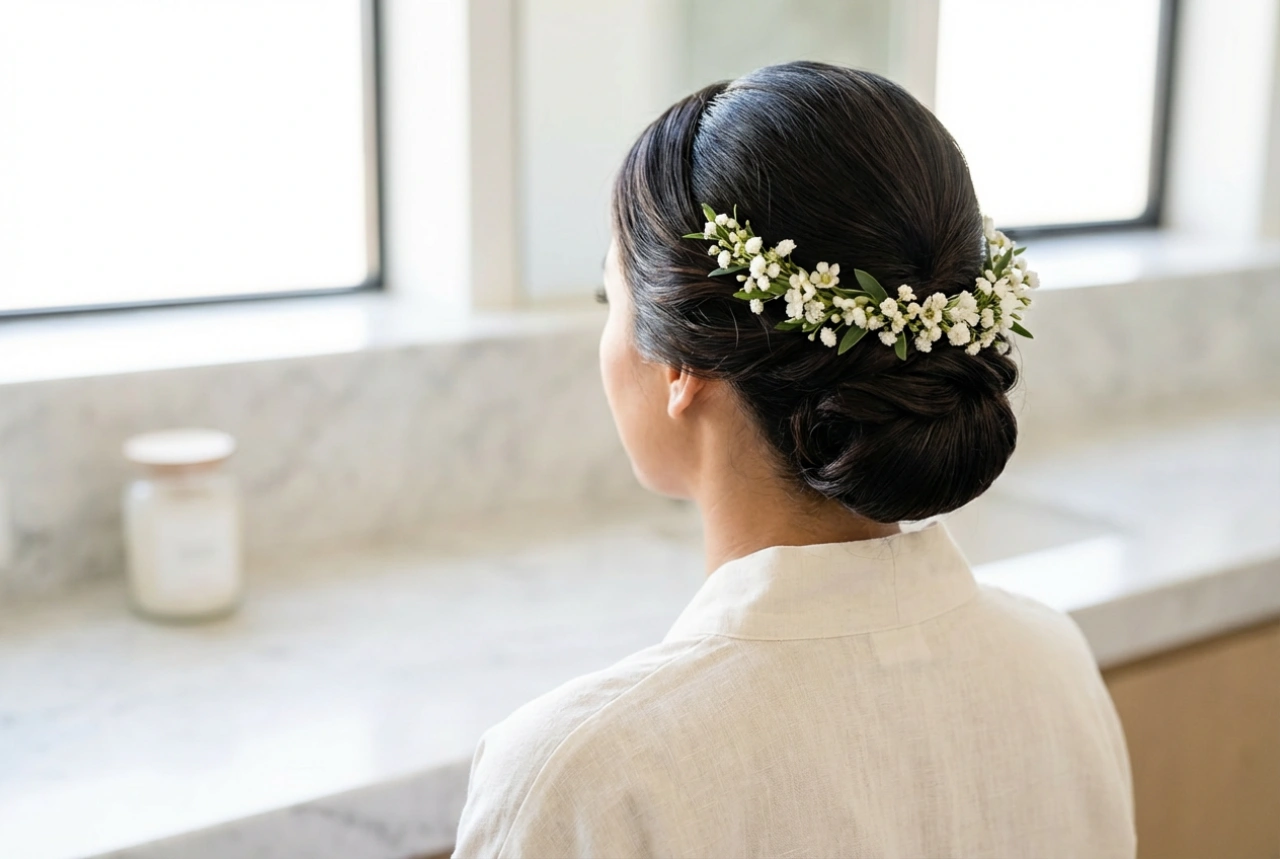


Finding the perfect hairstyle is an art of self-reflection and balance. Just like gazing into a soft-focus mirror to understand your natural symmetry, choosing a haircut requires a deep appreciation of your unique facial features. Hair acts as a natural frame for the face, and when styled correctly, it can harmonise your overall appearance, highlight your favourite traits, and boost your daily confidence. Understanding how different cuts interact with your individual face shape is the first step towards a successful style transformation that feels authentic and effortless. By learning the fundamental guidelines of hair geometry, you can make informed styling choices that celebrate your natural beauty.
Identifying Your Face Shape
To begin this journey of styling, it is essential to accurately identify your basic facial structure. While every individual is unique, most faces fall into a few general categories: oval, round, square, heart, and long. You can easily determine yours by pulling your hair back completely and observing the contours in a well-lit mirror. Pay close attention to the widest parts of your face—whether it is your forehead, your cheekbones, or your jawline—and notice the proportion of length to width. Understanding these dimensions is key to choosing a cut that complements your natural symmetry and creates visual balance.
The Oval Face Shape
Widely considered the most balanced shape, the oval face is slightly longer than it is wide, with a softly curved jawline and cheekbones that are gently wider than the forehead. This shape is incredibly versatile, allowing for a wide range of short, medium, and long styles without requiring specific correction.
The Round Face Shape
A round face is characterised by similar width and length, with soft, curved features and fuller cheeks. The jawline is typically gentle and less defined, meaning that styling choices often focus on creating the illusion of length and definition to give the face a more sculpted appearance.
The Square Face Shape
Defined by a strong, angular jawline and a broad forehead, the square face shape features almost equal measurements in width and length. Styling here usually aims to soften the sharp angles and create a more delicate contour around the jaw and temple areas.
The Heart Face Shape
This shape features a wider forehead and cheekbones that gently taper down to a delicate, pointed chin. Visual balance is achieved by adding volume to the lower half of the face to offset the wider upper half, creating a harmonious and soft transition.
Proven Rules for Harmonising Hair and Features
Once you have identified your shape, applying classic styling principles can help you achieve a balanced look. The goal is always to create harmony, using hair lengths, layers, and partings to balance your natural proportions and draw attention to your eyes and smile.
- For Round Faces: The primary objective is to elongate the face. Opt for styles that add height at the crown or long, flowing layers that fall well below the chin. Side partings and asymmetrical cuts work beautifully to break up the symmetry of a round shape, while sleek, ultra-short bobs that end at the cheekbones should generally be avoided as they widen the face.
- For Square Faces: To soften strong angles, embrace textures such as soft waves, loose curls, or multi-layered cuts. Wispy, side-swept fringes help to minimise the width of a broad forehead, while middle partings can beautifully frame the face when paired with soft, framing layers that start around the collarbone.
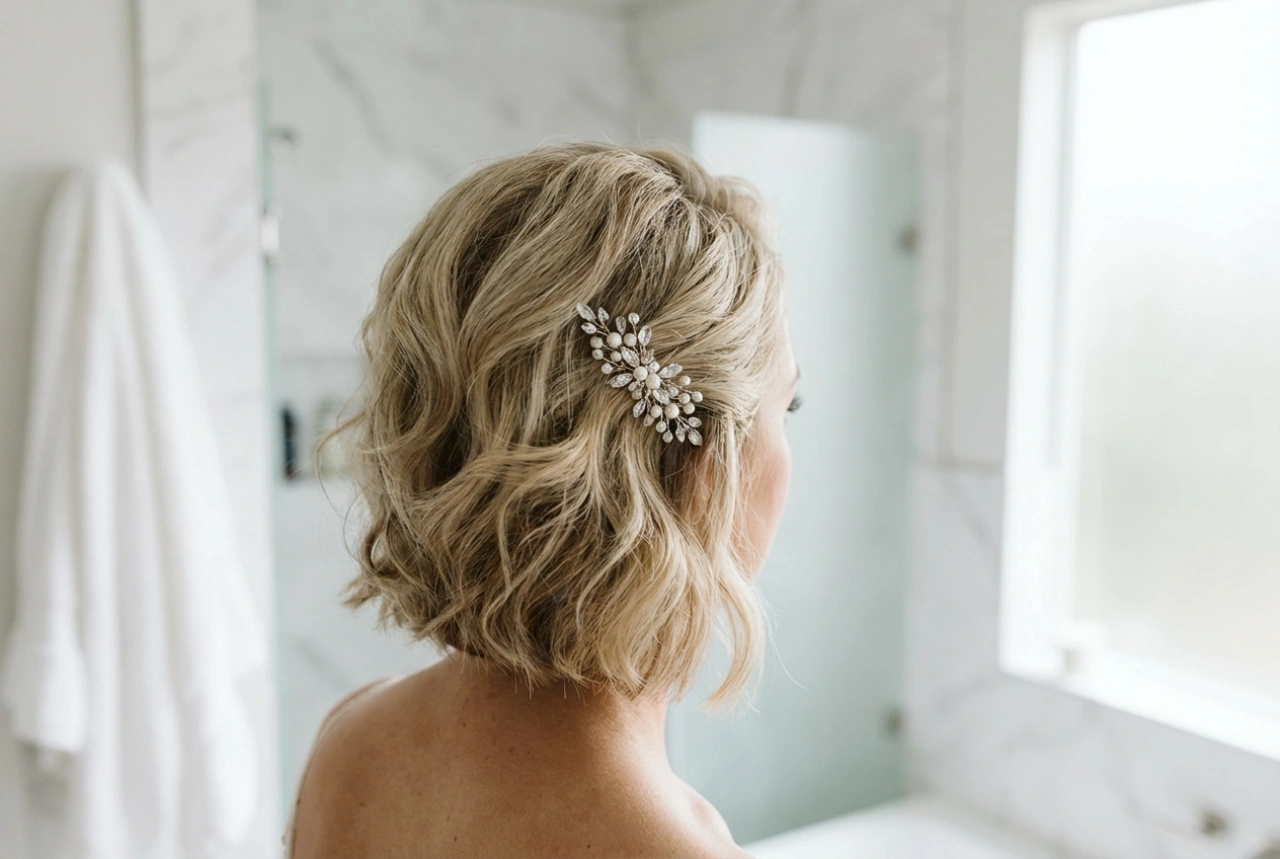
- For Heart Faces: Balance a narrower chin by keeping the volume concentrated around the lower half of your face. Textured bobs that end just below the jawline or long layers that start from the collarbone are highly flattering. Avoid high volume at the crown, which can make the upper face appear disproportionately wider.
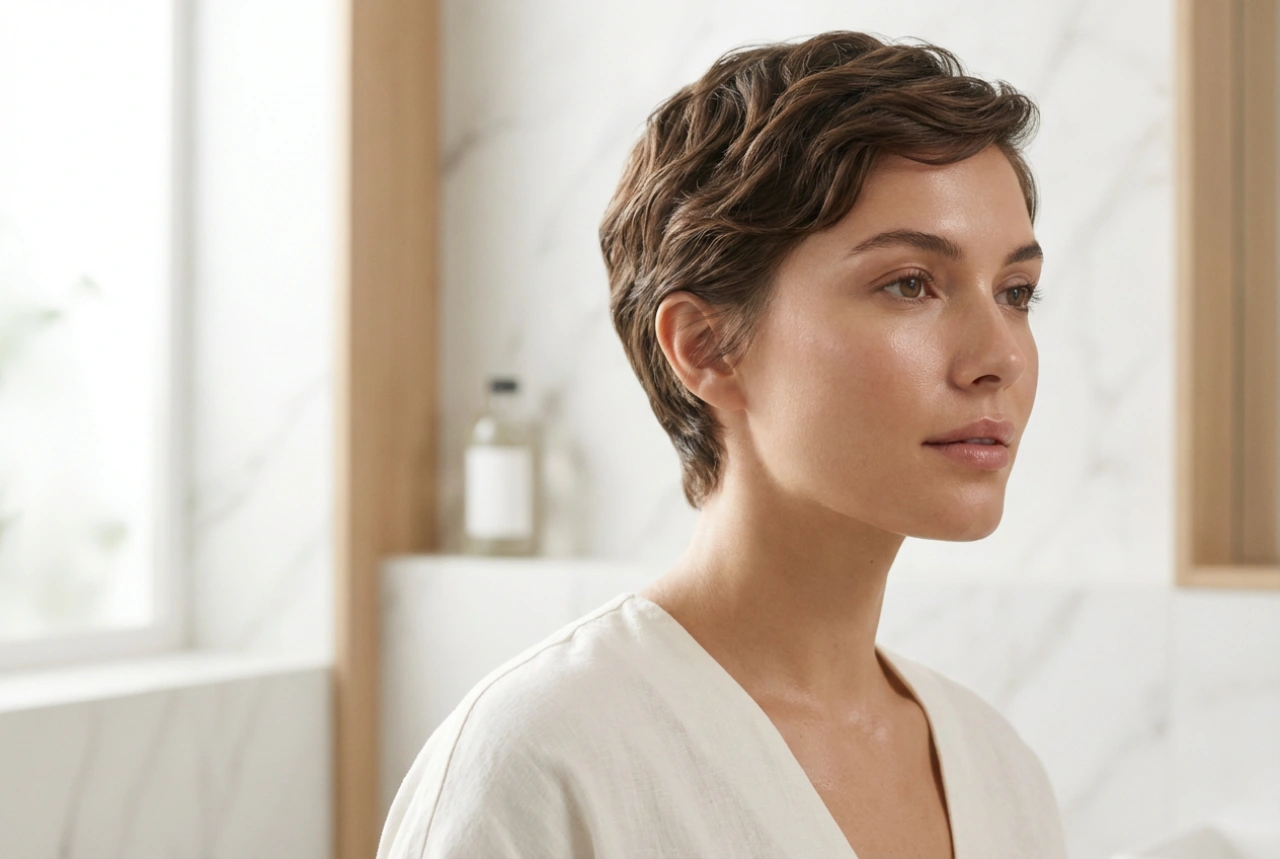
- For Oval Faces: Since this shape is naturally symmetrical, almost any style works well. From chic pixie cuts to long, cascading waves, the choice depends more on your hair texture, lifestyle, and personal aesthetic rather than the need to balance facial proportions.
Common Styling Mistakes to Avoid
Even with the best intentions, certain styling choices can inadvertently disrupt the natural harmony of your features. One of the most frequent errors is strictly following passing trends without adapting them to your individual shape. A blunt, heavy fringe might look stunning on a high-fashion runway, but on a very round or square face, it can draw unwanted attention to the widest parts of the face, making it appear shorter and broader.
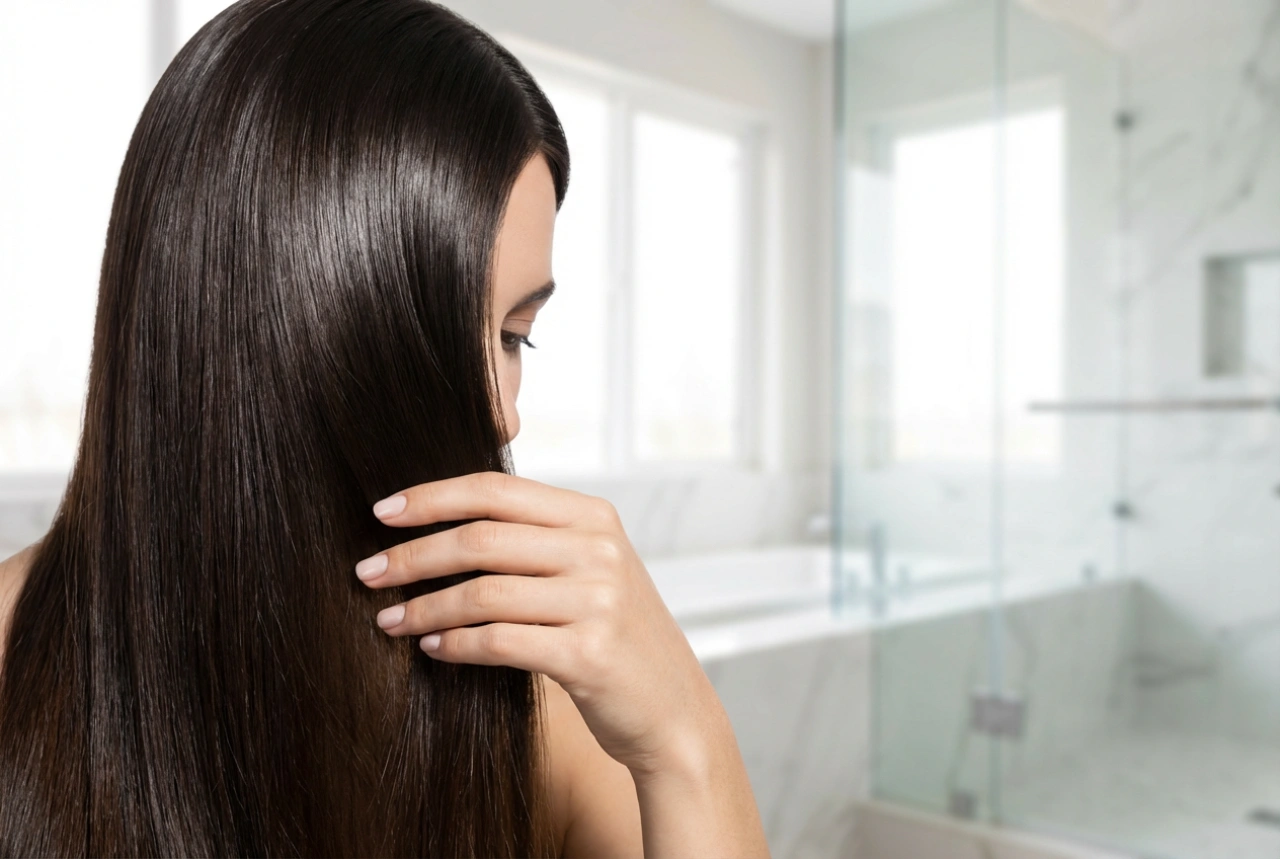
Another common mistake is ignoring the natural texture of your hair. Forcing naturally curly hair into a rigid, geometric bob designed for straight hair will require excessive daily styling and heat, which can compromise hair health over time. Working with your natural texture always yields the most elegant, low-maintenance, and flattering results. Similarly, hair length can sometimes work against you; extremely long, straight hair on a petite face shape can drag the features down, whereas a short, voluminous crop on a very long face shape might overemphasise the vertical line. Lastly, the parting of your hair is often overlooked. A strict middle parting can elongate a face, which is perfect for round shapes but might make an already long face appear too drawn. Experimenting with different partings is a simple, non-permanent way to instantly shift the visual balance of your face.
Achieving Everyday Elegance
Ultimately, choosing a hairstyle is about expressing your personal style while respecting your natural geometry. By focusing on soft movement, face-framing layers, and texture, you can find a style that enhances your best features and fits your daily routine. Investing the time to understand how your hair interacts with your face shape allows you to make informed decisions at the salon, ensuring a timeless, elegant look that highlights your natural beauty every single day.