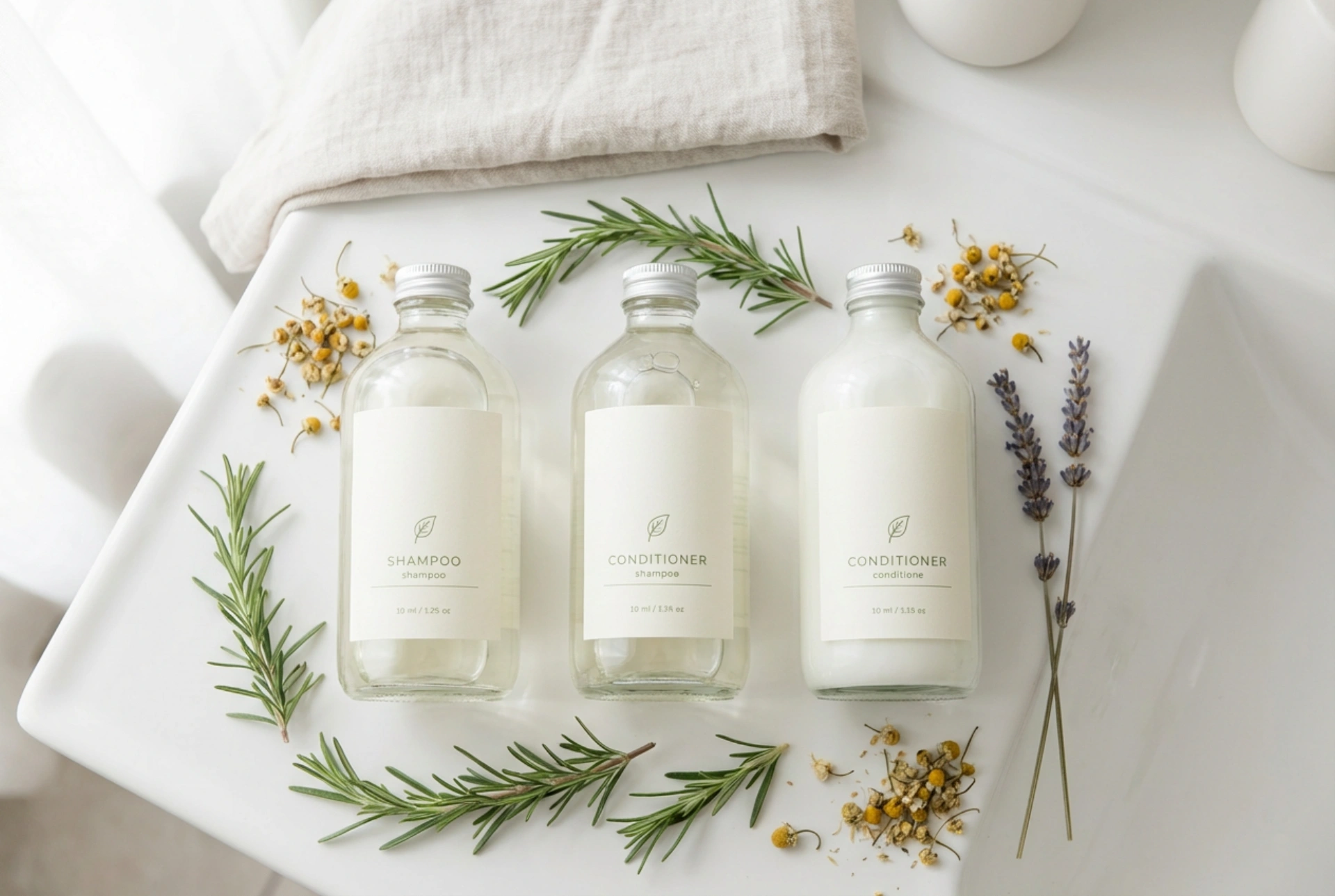


In a world where hair care often feels overly complicated, returning to nature offers a refreshing sense of simplicity. Imagine a serene bathroom shelf adorned with minimalist bottles, surrounded by fresh sprigs of rosemary, lavender, and chamomile. This image captures the essence of a natural hair care routine, where gentle botanicals replace harsh chemical formulations. Herbal shampoos, formulated with diverse plant extracts, have become a staple for those seeking a milder, more balanced approach to scalp and hair hygiene. Understanding how to select these botanical blends and apply them correctly can transform your daily washing routine into a revitalising ritual.
The Power of Botanical Extracts in Hair Care
Herbal shampoos rely on the natural properties of plants, flowers, and roots to cleanse and nourish the hair and scalp. Unlike conventional shampoos that often depend on strong synthetic surfactants to create a heavy lather, herbal formulations utilise milder cleansing agents combined with active botanical waters and infusions. These natural ingredients work in harmony with the scalp’s natural oils rather than stripping them away entirely.
When reading labels, look for standard herbal distillates or extracts high up on the ingredient list. The presence of rosemary, chamomile, nettle, or birch leaf indicates a formula rich in plant compounds. These botanicals contain natural antioxidants, vitamins, and minerals that support the hair structure from root to tip, promoting a natural shine and maintaining a healthy scalp environment without the use of heavy silicones or parabens.
Matching Herbs to Your Hair and Scalp Needs
Not all herbal shampoos are created equal. Just as different plants thrive in different environments, different botanical blends target specific hair and scalp types. Choosing the correct herbal profile is essential for achieving the best results.
For Balancing Oily Scalps
If your hair tends to become greasy quickly, look for purifying and clarifying herbs. Rosemary, nettle, and mint are excellent choices. Rosemary helps to refresh the scalp and stimulate circulation, while nettle acts as a natural astringent, helping to regulate sebum production without causing dryness. Mint provides a cooling sensation that leaves the scalp feeling exceptionally clean and revitalised.
For Soothing Sensitive or Dry Scalps
Dry, easily irritated skin requires gentle, calming ingredients. Chamomile and lavender are the ideal partners here. Chamomile is renowned for its soothing properties, helping to calm minor redness and restore comfort to a tight scalp. Lavender not only adds a relaxing aroma to your shower routine but also possesses natural soothing qualities that help maintain a balanced, hydrated scalp surface.
For Adding Shine and Strength
To revive dull or brittle hair, seek out herbs like horsetail, birch, and green tea. Horsetail is naturally rich in silica, a mineral that helps support the hair’s structural integrity, making it look thicker and more resilient. Birch extract helps to smooth the hair cuticle, reflecting light more effectively to create a natural, healthy sheen.
How to Wash Effectively with Herbal Shampoos
Transitioning to herbal shampoos often requires a slight adjustment in how you wash your hair. Because natural formulations generally produce less lather than synthetic ones, many people make the mistake of using too much product. Here is how to wash your hair effectively with a botanical shampoo:
- Thoroughly wet your hair: Ensure your hair is completely saturated with warm water before applying shampoo. This helps to distribute the gentler formula evenly.
- Emulsify the shampoo: Dispense a small amount of herbal shampoo into your palms, add a few drops of water, and rub your hands together to emulsify the product before applying it to your scalp.
- Focus on the scalp: Apply the shampoo directly to the roots. Massage gently using your fingertips in circular motions to loosen dirt and excess oils. Avoid scrubbing the length of your hair, as the running water will cleanse it sufficiently during rinsing.
- Double wash if necessary: If you use styling products or have oily hair, a quick second wash with a very small amount of shampoo can ensure a thorough cleanse. The second wash will usually produce a more satisfying, creamy lather.
- Rinse thoroughly: Take your time to rinse all traces of shampoo out of your hair with lukewarm water. Residual product can weigh down fine hair and dull its natural shine.
Enhancing Your Routine with Herbal Rinses
To complement your herbal shampoo, you can easily incorporate simple, homemade botanical rinses into your weekly routine. A final rinse with a cooled herbal infusion can seal the hair cuticle and lock in moisture. For instance, a chamomile tea rinse works beautifully to enhance golden tones in blonde hair, while a rosemary infusion is perfect for deepening the lustre of darker hair tones. Simply brew the herbs, let the liquid cool to a comfortable lukewarm temperature, and pour it over your hair after conditioning. Do not rinse it out; instead, gently squeeze out the excess water and dry your hair as usual to enjoy the natural softness and subtle fragrance of the plants.