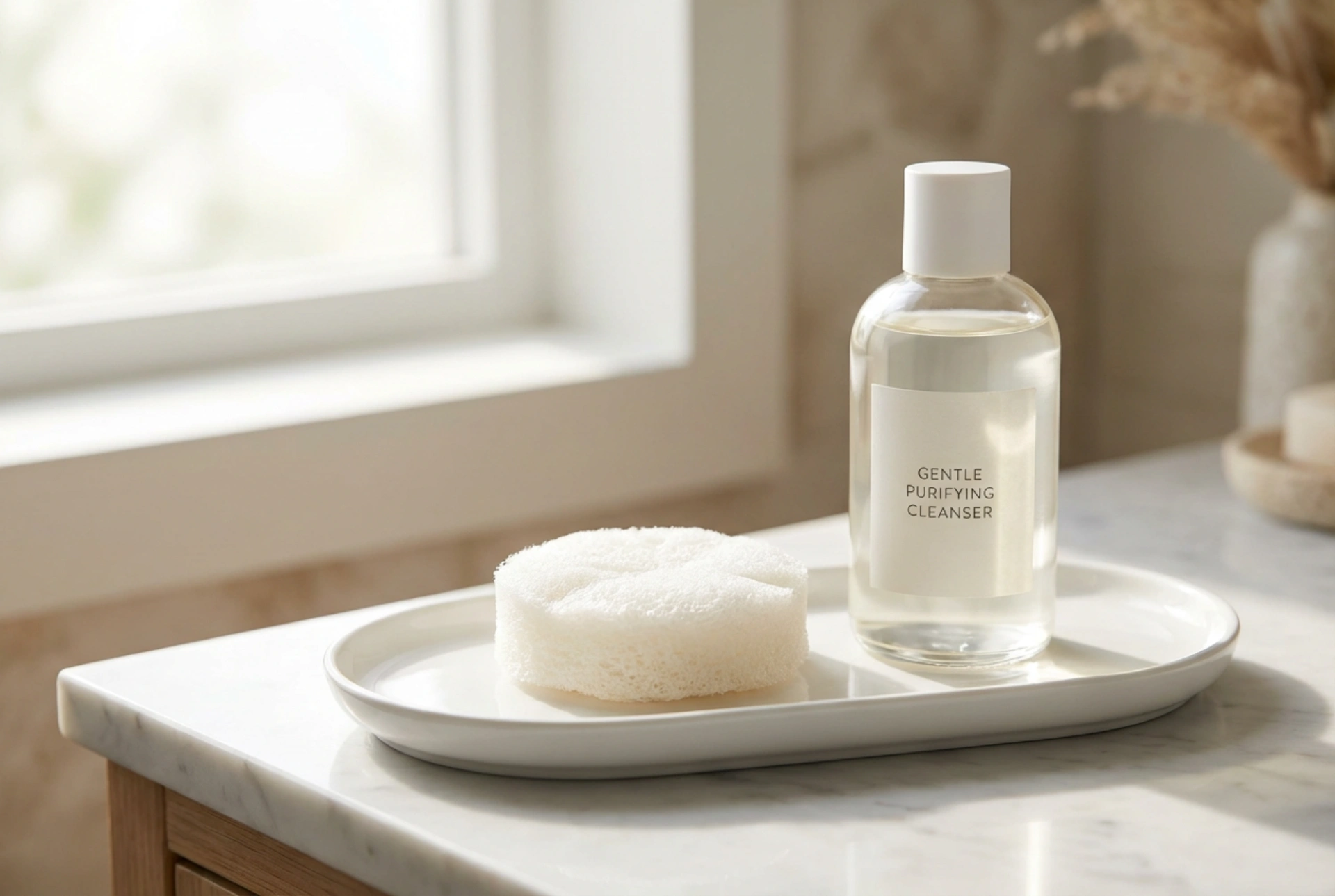


A facial cleansing sponge can transform your daily face-washing ritual from a simple necessity into a mindful moment of self-care. This simple tool helps your cleanser work more effectively, provides gentle exfoliation, and leaves your skin feeling exceptionally clean and soft. However, to reap these benefits, it's crucial to understand how to use and, most importantly, how to care for your sponge. Improper hygiene can do more harm than good, so mastering the basics is key to a healthy, radiant complexion.
The Benefits of Using a Facial Cleansing Sponge
Incorporating a sponge into your routine offers several advantages over using just your hands. When used correctly, it can significantly enhance the results of your daily cleanse.
- Deeper Cleansing: The porous texture of a sponge helps to create a richer, more luxurious lather from your facial cleanser. This allows the product to be distributed more evenly and to penetrate more effectively into the pores, helping to lift away dirt, oil, and makeup residue more thoroughly.
- Gentle Exfoliation: The soft surface of a quality cleansing sponge provides a mild exfoliating action. It helps to slough off dead skin cells that can dull the complexion, revealing smoother, brighter skin underneath without the harshness of abrasive scrubs. Regular, gentle exfoliation can also improve the appearance of skin texture over time.
- Improved Microcirculation: The act of massaging your face with the sponge in gentle, circular motions can help to stimulate blood flow to the skin's surface. This can contribute to a healthier, more vibrant-looking complexion.
- Better Product Absorption: By ensuring your skin is impeccably clean and free from a layer of dead cells, a cleansing sponge prepares your face to better absorb the serums, moisturisers, and other treatments that follow in your skincare routine.
How to Use a Facial Sponge: A Step-by-Step Guide
Using a facial sponge is straightforward, but following the correct steps ensures you get the best results without irritating your skin. Always be gentle; the sponge should glide over your skin, not scrub it.
- Saturate the Sponge: Before every use, fully saturate your sponge with warm water. A dry or partially damp sponge can be too abrasive. Squeeze it a few times until it becomes soft and pliable, then gently press out any excess water. It should be damp, not dripping wet.
- Apply Your Cleanser: You have two options. You can either apply a small amount of your favourite facial cleanser directly onto the damp sponge, or you can dot the cleanser onto your damp face (forehead, cheeks, nose, and chin).
- Cleanse with Gentle Motions: Begin to cleanse your face using small, gentle, circular motions. Start from the centre of your face and work your way outwards. Pay attention to areas that may be prone to congestion, like the sides of your nose or your chin. Avoid the delicate skin around your eyes. The process should feel like a light massage.
- Rinse Your Face: Once you've cleansed your entire face, put the sponge aside and rinse your skin thoroughly with lukewarm water. Ensure all traces of the cleanser are removed. Pat your skin dry with a soft, clean towel.
Essential Hygiene: How to Clean and Store Your Sponge
This is the most critical part of using a facial sponge. A dirty sponge can become a breeding ground for unwanted microbes, which can lead to skin issues. Follow these hygiene rules without exception.
Clean After Every Single Use
Immediately after cleansing your face, you must clean your sponge. Do not leave it with cleanser residue in it.
- Rinse the sponge under warm, running water.
- Apply a small amount of gentle soap or a bit more of your facial cleanser to the sponge.
- Gently massage and squeeze the sponge repeatedly until the water runs completely clear and all suds are gone.
- Give it a final, thorough rinse to ensure no soap is left behind.
Dry It Properly
Proper drying is essential to prevent microbial growth. After washing, squeeze out as much water as you possibly can. Don't wring or twist it harshly, as this can damage the sponge's structure. Once you've squeezed it out, place it in a clean, dry, and well-ventilated area to air-dry completely. Avoid leaving it in a damp shower, on a wet sink counter, or inside a sealed container or bag. Some sponges come with a string attached so you can hang them to dry.
Know When to Replace It
Facial sponges are not meant to last forever. Over time, they will degrade and can become less hygienic. You should replace your sponge regularly, typically every 4 to 8 weeks, depending on the material and how often you use it. Signs that it's time for a new sponge include a persistent odour, discolouration that won't wash out, changes in texture, or if it starts to break down or fall apart.
Common Mistakes to Avoid
To keep your cleansing routine effective and safe, be mindful of these common errors:
- Scrubbing too hard: Let the sponge do the work. Aggressive scrubbing can cause irritation and redness.
- Using a dirty sponge: Never skip the cleaning step after use. Using a soiled sponge is worse than using no sponge at all.
- Sharing your sponge: A facial sponge is a personal care item, just like a toothbrush. Never share it with anyone.
- Improper storage: Leaving your sponge in a damp, enclosed environment is an invitation for microbial growth. Always allow it to air-dry fully.