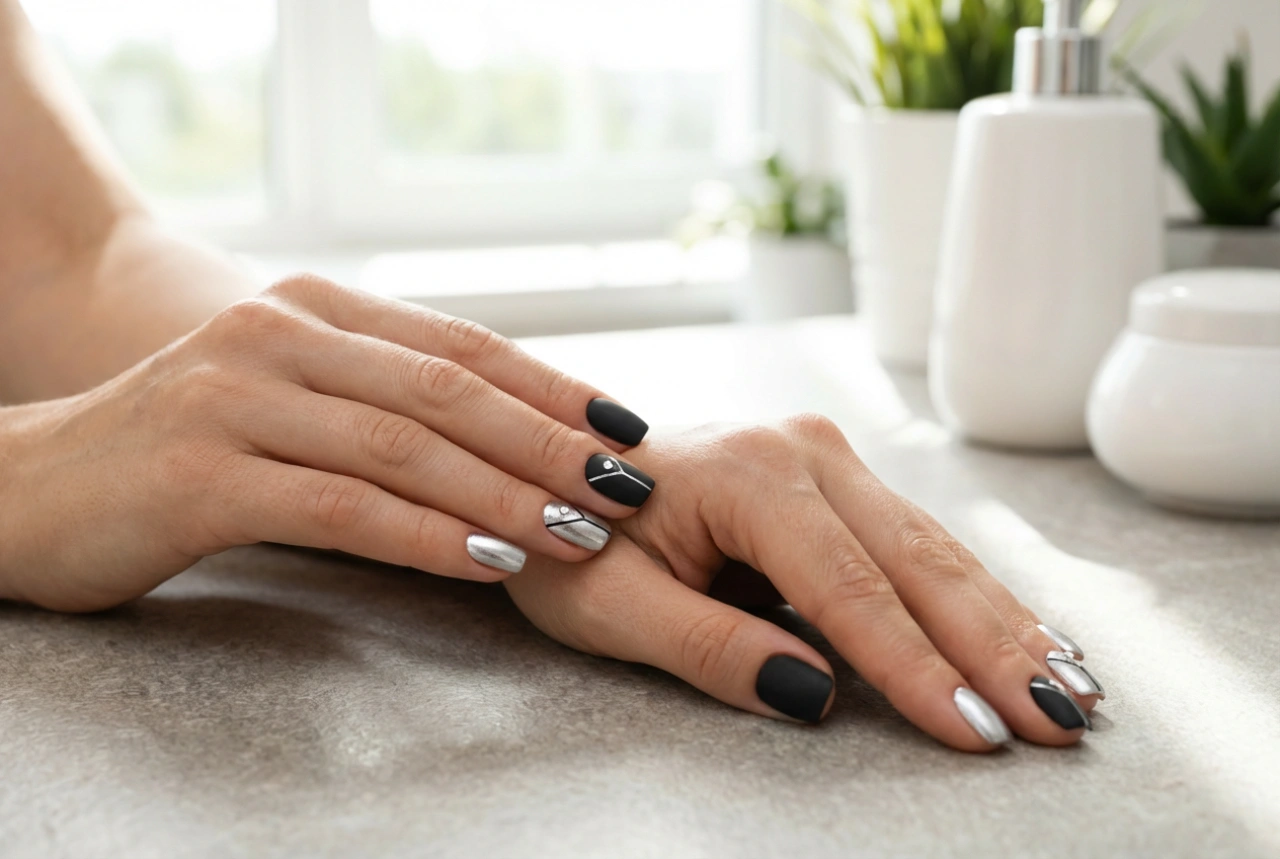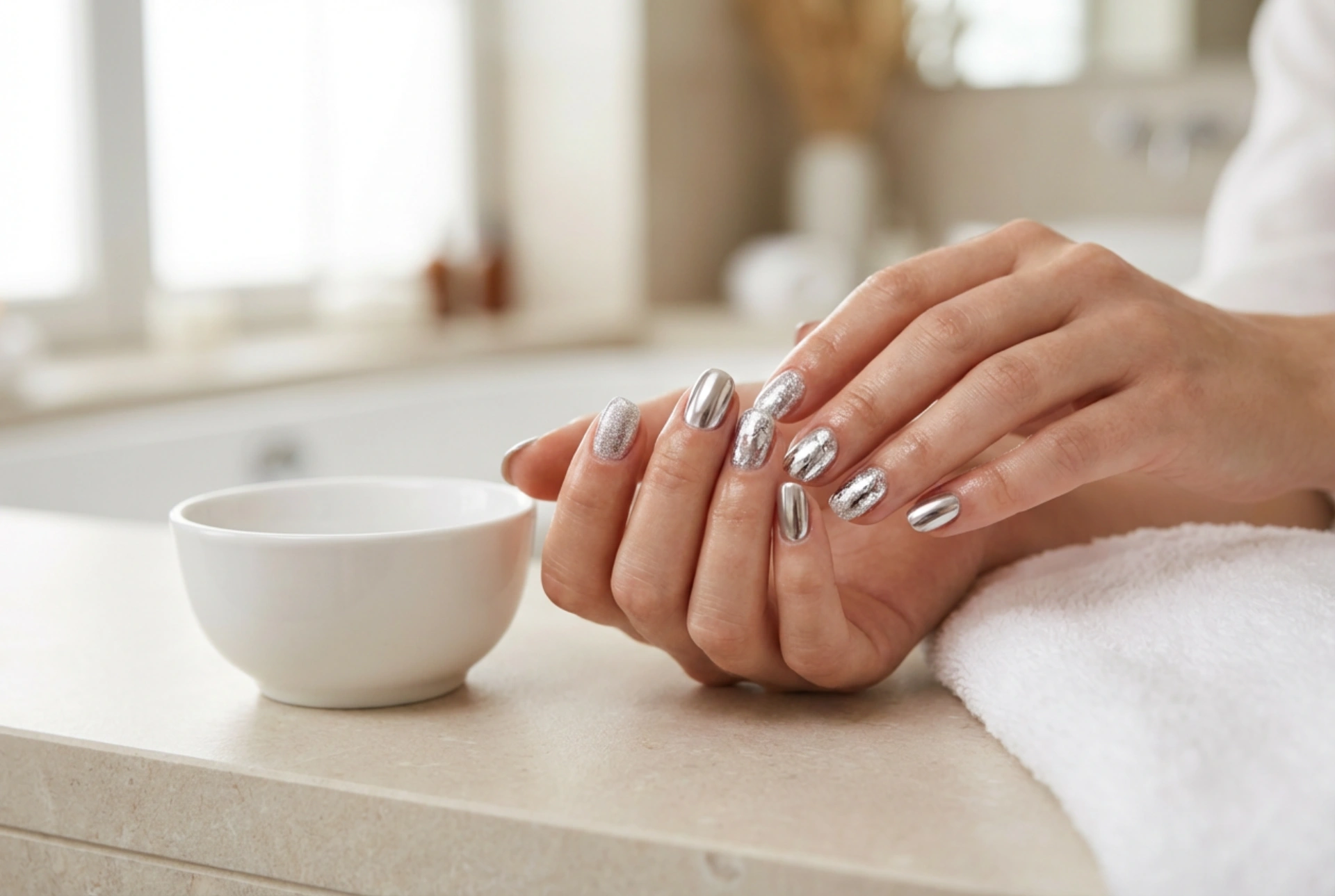


Silver nails are the epitome of timeless chic, offering a touch of sophistication that can elevate any look. Whether you're aiming for a subtle shimmer for daily wear or a high-impact metallic finish for a special occasion, silver is incredibly versatile. It can be futuristic and bold or delicate and ethereal. Far from being a single look, the world of silver manicures encompasses a variety of stunning finishes, including the ultra-reflective mirror effect, dazzling glitter, and artistic metallic foils. This guide will walk you through creating these three popular silver nail designs at home, ensuring a professional and long-lasting result.
Preparing Your Nails for a Flawless Silver Manicure
The secret to any beautiful and durable manicure is meticulous preparation. A clean and smooth canvas not only helps the products adhere better but also ensures a more polished final appearance. Rushing this stage is one of the most common reasons for chipping and peeling. Before you reach for any silver embellishments, dedicate time to these essential steps.
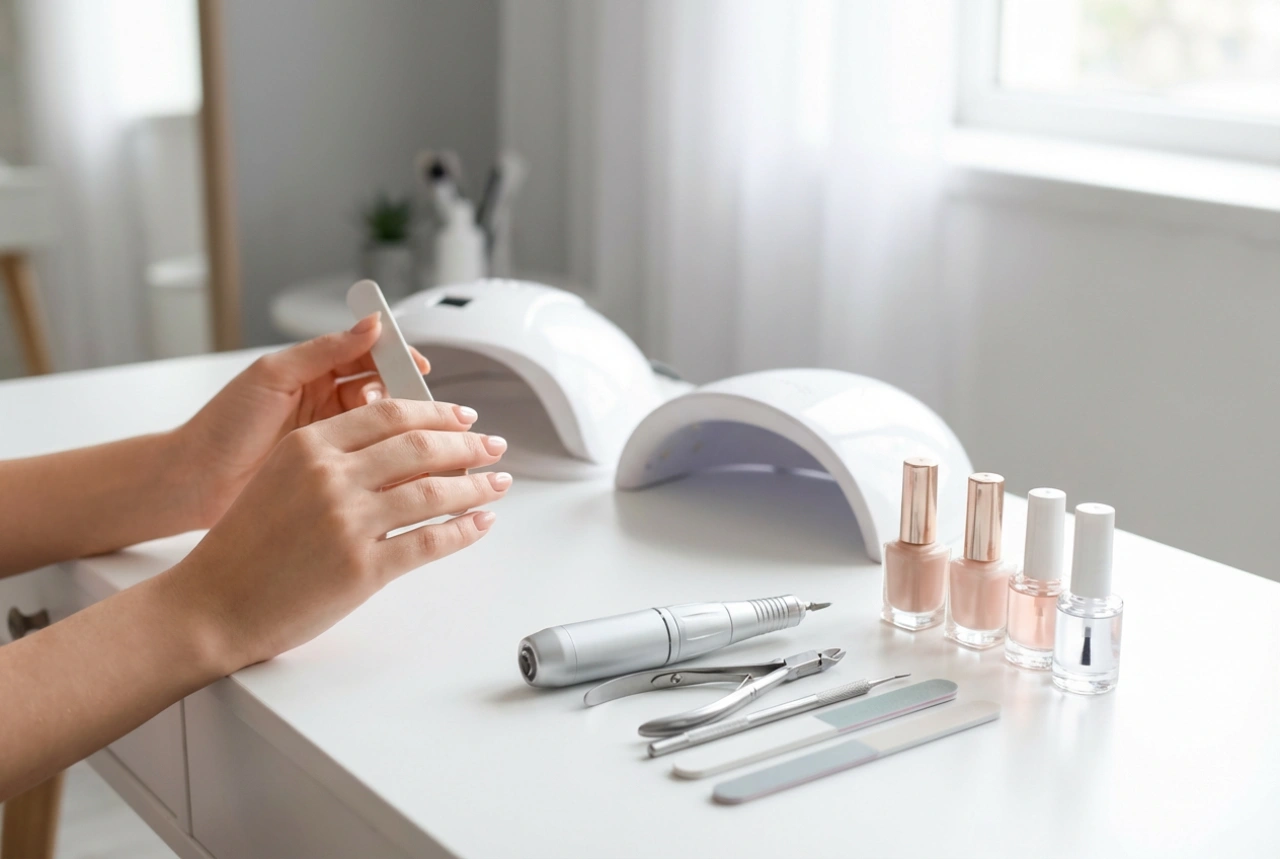
First, ensure your nails are completely clean. Remove any old polish using a gentle remover. Afterwards, wash your hands to get rid of any oily residue. Next, focus on your cuticles. Instead of cutting them, which can lead to irritation, gently push them back using a wooden or rubber-tipped cuticle pusher. This creates a larger, cleaner nail plate to work on and gives your manicure a neater frame.
Shaping comes next. Use a soft nail file to shape your nails to your desired length and form—be it square, oval, almond, or round. File in one direction rather than sawing back and forth, as this prevents splitting and damage to the nail tip. Once you're happy with the shape, lightly buff the surface of your nails with a fine-grit buffer. This step is crucial as it removes natural oils and creates a slightly textured surface for the base coat to grip onto. Be gentle; the goal is to remove the shine, not to thin the nail.
After buffing, wipe each nail with a lint-free pad soaked in a nail cleanser or isopropyl alcohol. This final cleanse removes all dust and oils, providing the perfect base. The final and most critical step of preparation is applying a quality base coat. A base coat acts as a double-sided tape: it sticks to your natural nail and provides a surface for the colour to adhere to. It also prevents bold pigments from staining your natural nails. Apply one thin, even layer and let it dry completely or cure it according to the product's instructions if you are using a gel system.
The Mirror Effect: Achieving a Chrome Finish
The mirror or chrome effect delivers a stunning, liquid-metal finish that is impossible to achieve with standard metallic polish. This futuristic look is created using an ultra-fine pigment powder that is buffed onto the nail. While it looks complex, the process is quite straightforward when you follow the steps carefully.
What You'll Need:
- Base Coat
- A base colour polish (black is traditional for the most intense chrome, but other colours create unique effects)
- No-Wipe Gel Top Coat
- Silver chrome powder
- A small, soft applicator (like an eyeshadow sponge applicator)
- A soft, fluffy brush for dusting
Step-by-Step Guide:
- Foundation: After your nail preparation and base coat application, apply two thin coats of your chosen base colour. Black gel polish is highly recommended because it provides the darkest, most reflective background, making the silver chrome pop. Ensure you cure each layer fully under an LED or UV lamp as per the manufacturer's instructions.
- The Key Layer: Apply a thin, even layer of a no-wipe gel top coat. This specific type of top coat is essential because it cures to a smooth, non-tacky finish, which is necessary for the chrome powder to buff into a mirror sheen rather than just sticking as glitter. Cure it under the lamp, but some professionals recommend slightly under-curing it (e.g., for 25 seconds instead of 30) to give the powder slightly better adhesion.
- Applying the Powder: Dip your sponge applicator into the silver chrome powder, picking up a small amount. A little goes a very long way. Gently but firmly start rubbing the powder onto the surface of the nail. Use circular or back-and-forth motions, applying firm pressure. You will magically see the powdery texture transform into a seamless, reflective mirror surface. Continue buffing until the entire nail is covered and perfectly smooth. Pay special attention to the sides and the area near the cuticle.
- Clean-Up: Once you are satisfied with the mirror finish, use a very soft, fluffy brush to gently dust away all the excess powder from the nail and the surrounding skin. Any stray particles left behind can get trapped in the final top coat and ruin the smooth finish.
- Sealing the Deal: To protect your mirror nails and make them last, you must seal them properly. Start by carefully 'capping' the free edge of the nail with the no-wipe top coat. This means running the brush along the very tip of the nail to seal the powder in and prevent chipping. Then, apply a thin layer of the no-wipe top coat over the entire nail. Cure fully. For extra durability, apply a second layer of top coat and cure again.
Dazzling with Glitter: Techniques for Sparkle
Glitter nails are a classic way to add sparkle, and silver glitter is particularly versatile. It can be bold and festive or subtle and elegant, depending on the application method. You can use a pre-mixed glitter polish or loose glitter for more control over the density and placement.
Full Coverage Glitter Nail
For a high-impact, fully opaque glitter look, using loose glitter is often more effective than applying multiple thick coats of glitter polish. After applying and curing your base coat and an optional base colour, apply a thin layer of clear gel or a sticky base coat but do not cure it. You can either dip your nail directly into a pot of loose silver glitter or use a brush to sprinkle it over the nail until it is completely covered. Gently pat the glitter down with a clean finger or a silicone tool to ensure it lays flat. Cure the nail, then use a stiff brush to sweep away any excess glitter. Finish with one or two layers of a top coat to smooth out the texture and seal the design.
Subtle Glitter Ombré
A glitter gradient or ombré is a more refined way to wear sparkle. Start with your prepared nails and a base colour of your choice. Apply the colour and cure it. To create the gradient, you can use a small, dry sponge. Apply some glitter polish to the sponge and dab it lightly onto the tip of your nail, concentrating most of the glitter there. Continue dabbing gently upwards, reducing the pressure as you move towards the cuticle to create a fading effect. Alternatively, with loose glitter, apply a thin layer of clear gel to the nail (don't cure) and use a fan brush to sprinkle the glitter onto the tip, letting it fall sparsely as you move up the nail. Once you're happy with the gradient, cure and apply a top coat.
Elegant Accents with Metallic Foil
Nail transfer foil is a fantastic tool for creating abstract, artistic designs with a metallic finish. Silver foil can be used to create a shattered glass effect or to add small, elegant highlights to a manicure. The key to using transfer foil is a special adhesive.
How to Use Silver Transfer Foil
- Preparation: Begin with your fully prepared and coloured nails. Apply your base colour and cure it, then apply a matte top coat if you want the foil to contrast against a non-shiny background.
- Apply Foil Glue: Apply a thin, even layer of nail foil adhesive over the area where you want the design to be. This glue typically applies milky white and dries to a clear, tacky finish. You must wait for it to become completely transparent before proceeding. This is the most important step for a successful transfer.
- Transfer the Foil: Cut a small piece of the silver transfer foil. Place it onto the tacky area of the nail, with the shiny silver side facing up. Press it down firmly all over using your finger or a silicone tool. Rub the foil to ensure it makes full contact with the glue.
- The Reveal: In one quick motion, peel the foil backing away from the nail. The silver pattern will have transferred onto the tacky areas, leaving behind an abstract metallic design. You can repeat this with small pieces to build up a pattern.
- Seal It: Because the foil creates a slightly raised texture, it's vital to seal it well. Apply one or two layers of a top coat, making sure to cap the free edge, to protect the design from wear and tear.