

A mattifying primer promises to be the holy grail for anyone battling excess shine. It’s designed to create a smooth, velvety canvas, blur the look of pores, and help your makeup last all day. Yet, a common frustration can turn this dream product into a nightmare: pilling. That's when the primer rolls up into tiny balls on your skin, ruining your base before you've even applied foundation. Fortunately, this issue is almost always preventable with the right technique and a little patience.
Understanding Why Your Primer Pills
Pilling, sometimes called 'balling up', occurs when products on your skin don't fully absorb or layer correctly, creating friction that causes them to clump together. Several factors can contribute to this makeup mishap, and understanding them is the first step towards a perfectly smooth application. The most common culprits are usually related to product compatibility and application method.
One major reason is product overload. Applying thick layers of skincare followed by a generous amount of primer is a recipe for disaster. The skin can only absorb so much product at once. Anything left sitting on the surface is likely to move and roll when you apply the next layer. Another key factor is the formulation of your products. Skincare and makeup products are often formulated with a base of either water, oil, or silicone. If you layer products with incompatible bases—for instance, an oil-heavy moisturiser under a water-based primer—they can repel each other, much like oil and water, leading to separation and pilling. Finally, time is a crucial element. Rushing your routine and not allowing each product layer to dry and set properly is a guaranteed way to cause friction and disrupt the finish.
A Step-by-Step Guide to Flawless Primer Application
Achieving that coveted smooth, matte finish is all about a methodical approach. Follow these steps to ensure your primer glides on seamlessly and stays put, providing the perfect base for your foundation.
Step 1: Begin with a Clean Canvas
Always start with freshly cleansed skin. Use a gentle cleanser to remove any dirt, oil, and impurities from the surface. This ensures there's no barrier preventing your skincare and primer from adhering properly. Pat your skin dry with a clean towel; avoid rubbing, which can cause irritation and redness before you've even begun.
Step 2: Hydrate Your Skin (Yes, Even If It's Oily)
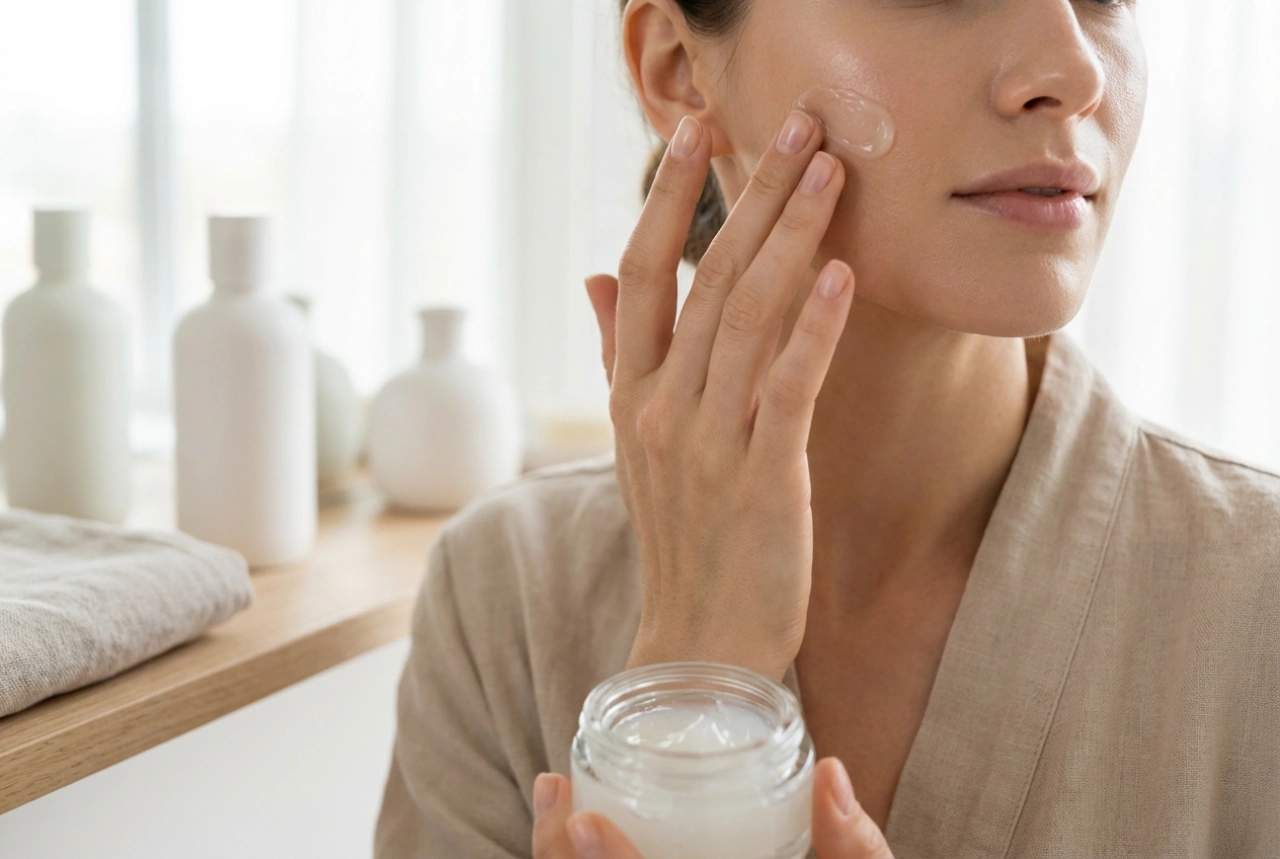
It might seem counterintuitive to add moisture when you're trying to stay matte, but this step is non-negotiable. Dehydrated skin can overcompensate by producing even more oil. The trick is to choose the right kind of moisturiser. Opt for a lightweight, fast-absorbing, and ideally oil-free formula. A gel or water-based hydrator works beautifully under a mattifying primer, providing moisture without adding heaviness or a greasy film.
Step 3: The Crucial Waiting Game
This is perhaps the most important and most-skipped step. After applying your moisturiser (and any other skincare like a serum), you must wait for it to fully absorb into the skin. Give it at least five to ten minutes. Your skin should feel smooth and dry to the touch, not tacky or wet. Rushing this stage means your primer will be mixing with wet skincare on the surface of your skin, rather than adhering to it, which is a primary cause of pilling.
Step 4: Use a 'Less is More' Approach
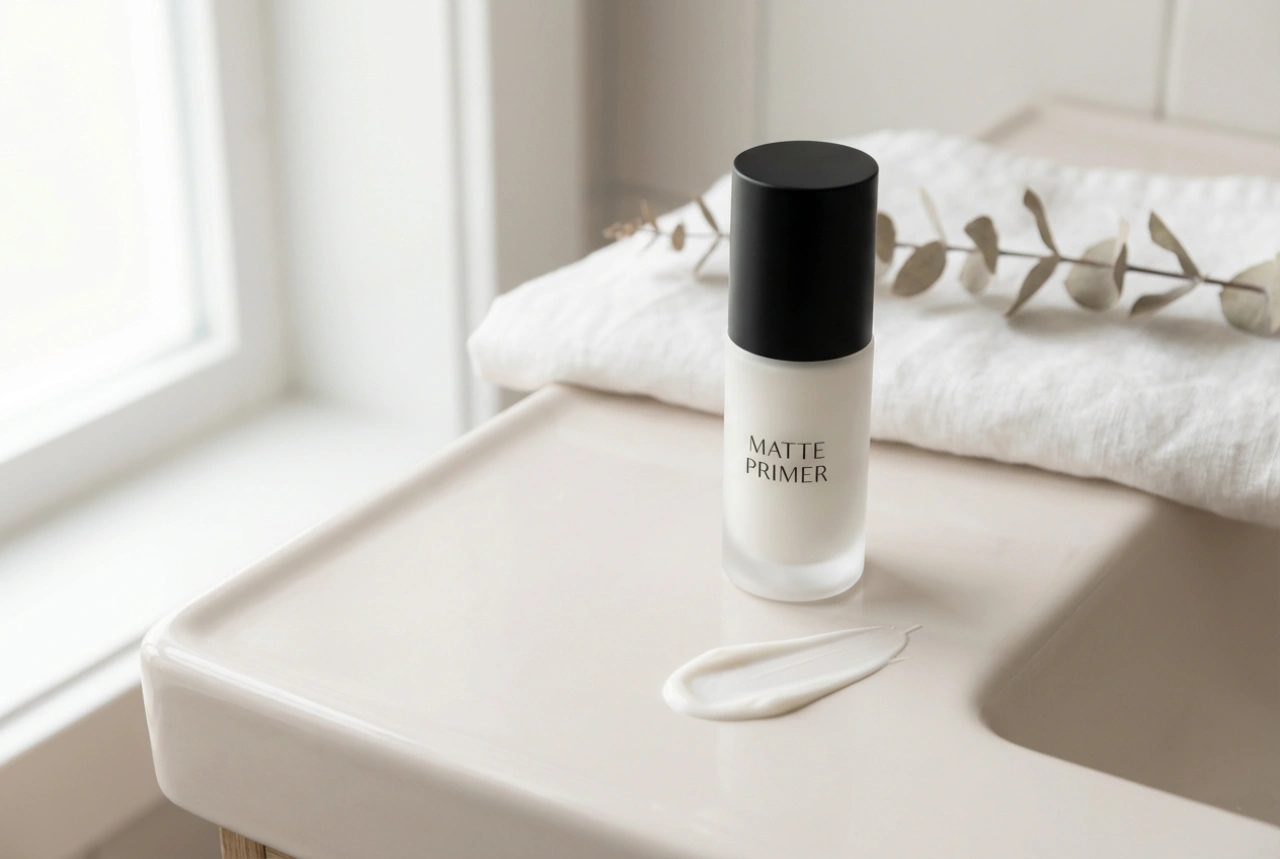
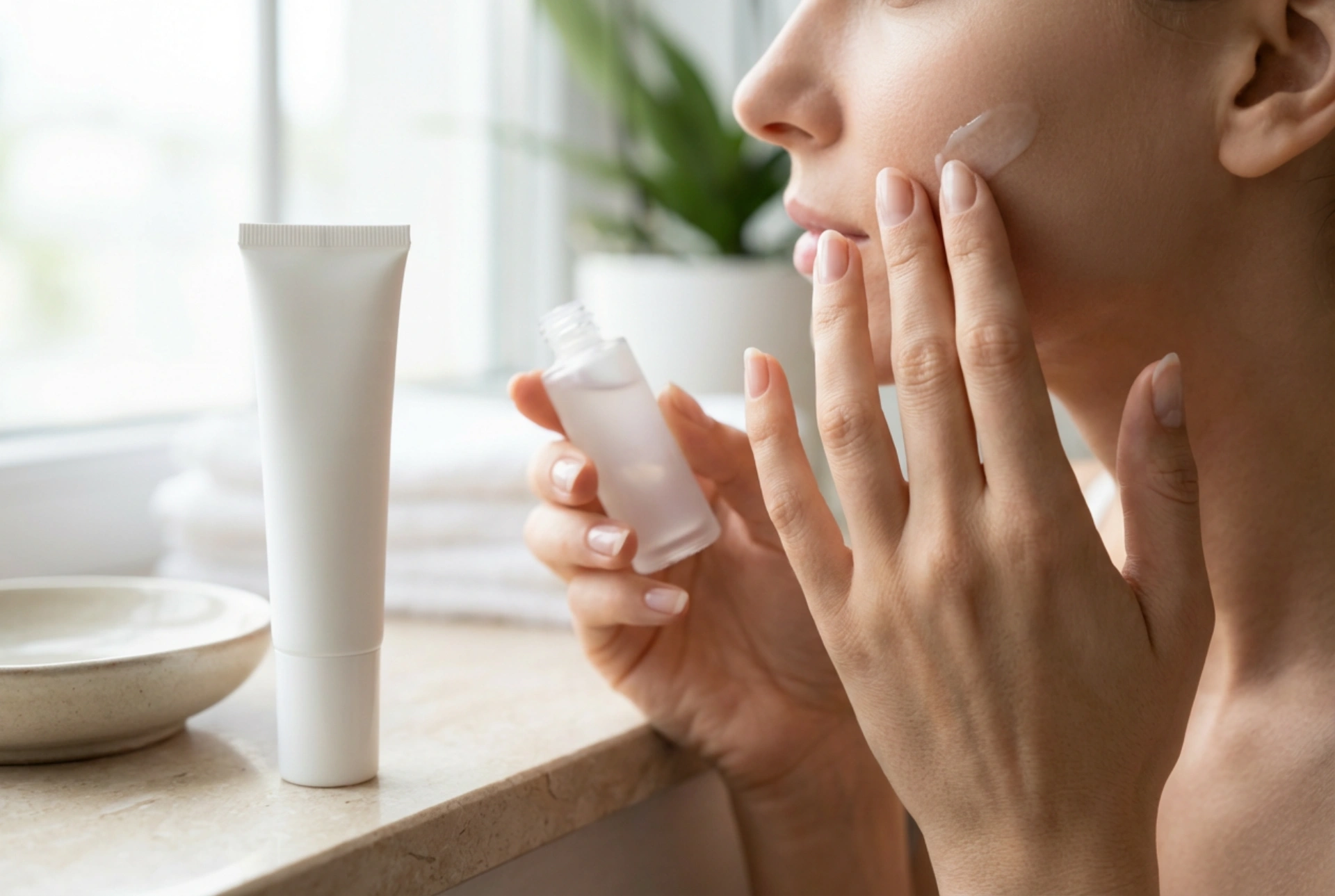
When it comes to mattifying primer, a small amount goes a very long way. Squeeze out a pea-sized amount onto the back of your hand. This is generally enough for the entire face. Using too much primer will not make it more effective; it will simply create a thick layer that is prone to slipping and pilling. You can always add a tiny bit more to specific areas if needed, but start small.
Step 5: Pat and Press, Don't Rub
Instead of rubbing the primer all over your face like a moisturiser, use a gentle patting or pressing motion. Focus on the areas where you tend to get the most oily or have more visible pores, such as the T-zone (forehead, nose, and chin). Use your fingertips to gently press the product into the skin. This technique minimises friction and helps the primer fill in fine lines and pores without being disturbed. Once applied, give the primer another minute or two to set before moving on to foundation.
Common Mistakes to Avoid for a Pill-Free Finish
If you're still experiencing issues, double-check that you aren't making one of these common mistakes. Small adjustments to your routine can make a huge difference.
- Layering Incompatible Formulas: Pay attention to your product ingredients. While you don't need a degree in cosmetic chemistry, a good rule of thumb is to pair like with like. Water-based primers generally work best with water-based foundations and moisturisers. Silicone-based primers pair well with silicone foundations. Mixing can sometimes work, but it increases the risk of pilling.
- Skipping Skin Prep: Applying primer over uncleansed skin or a build-up of dry skin cells creates an uneven surface that encourages pilling. Regular, gentle exfoliation (once or twice a week) can help create a smoother canvas, but always start your makeup application on clean, hydrated skin.
- Rushing the Process: As mentioned, time is your best friend. Applying primer and foundation in quick succession without allowing each layer to set is the most frequent cause of makeup mishaps. Slow down and let each product do its job.
- Using an Aggressive Application Technique: Vigorous rubbing creates friction, which is the physical action that causes pilling. A gentle touch is essential for a smooth, cohesive base.
By preparing your skin properly, using the right amount of product, and applying it with a gentle touch, you can finally say goodbye to pilling. Your mattifying primer will be able to perform as intended, giving you a flawless, shine-free base that lasts for hours.