

A colouring shampoo offers a fantastic way to refresh your hair shade, add a subtle tint, or neutralise unwanted tones without the commitment of permanent dye. It’s a versatile tool for at-home hair care, but using it correctly is key to achieving a beautiful, even result while safeguarding the health of your strands. This guide will walk you through the entire process, from preparation to aftercare, ensuring your hair looks and feels its best.
What is a Colouring Shampoo and What Are Its Benefits?
Unlike traditional hair dyes that penetrate the hair shaft, a colouring shampoo works by depositing pigments on the surface of the hair cuticle. This makes it a gentler, semi-permanent option. Its primary function is not to create a dramatic colour change but rather to enhance, tone, or maintain an existing shade. Think of it as a colour booster rather than a complete transformation.
The main benefits include:
- Toning: It's excellent for neutralising brassy or yellow tones in blonde hair or adding warmth and richness to brunette or red shades.
- Refreshing Faded Colour: It can revive the vibrancy of your colour between salon appointments, making it look fresh again.
- Low Commitment: The colour gradually washes out over several shampoos, allowing you to experiment with subtle changes without a long-term commitment.
- Convenience: It combines the cleansing step with the colouring step, making it a relatively quick and easy process to do at home.
A Step-by-Step Guide to Flawless Application
Achieving a professional-looking result at home is all about methodical application. Rushing the process can lead to patchy colour and disappointment. Follow these steps for an even and vibrant outcome.
1. Preparation is Essential
Before you even open the bottle, a few preparatory steps are crucial. First, always perform a patch test 48 hours before application to check for any sensitivity, even if you've used the product before. Apply a small amount to the skin behind your ear or on your inner elbow. Also, perform a strand test on a small, hidden section of your hair to see how the colour develops and to determine the ideal timing. Gather your tools: protective gloves (most kits include these), an old towel to protect your clothes and surfaces, and a wide-tooth comb.
2. Apply to Clean, Damp Hair
For the most even colour deposit, it’s best to apply colouring shampoo to hair that has been freshly washed with a regular shampoo (without conditioner) and gently towel-dried. Hair should be damp, not dripping wet. This helps the product spread evenly from roots to ends. If your hair has a lot of product build-up, a clarifying shampoo beforehand can create a clean canvas.
3. The Application Process
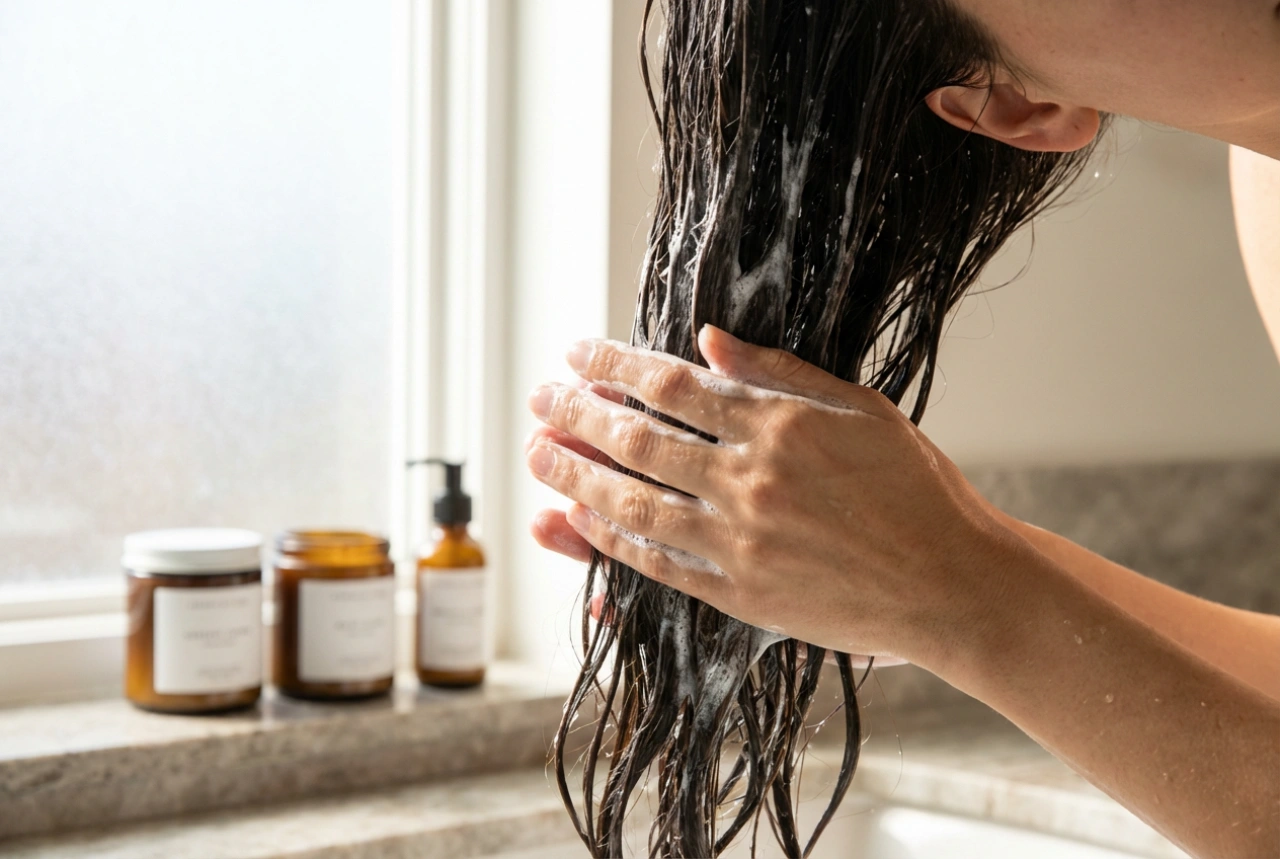
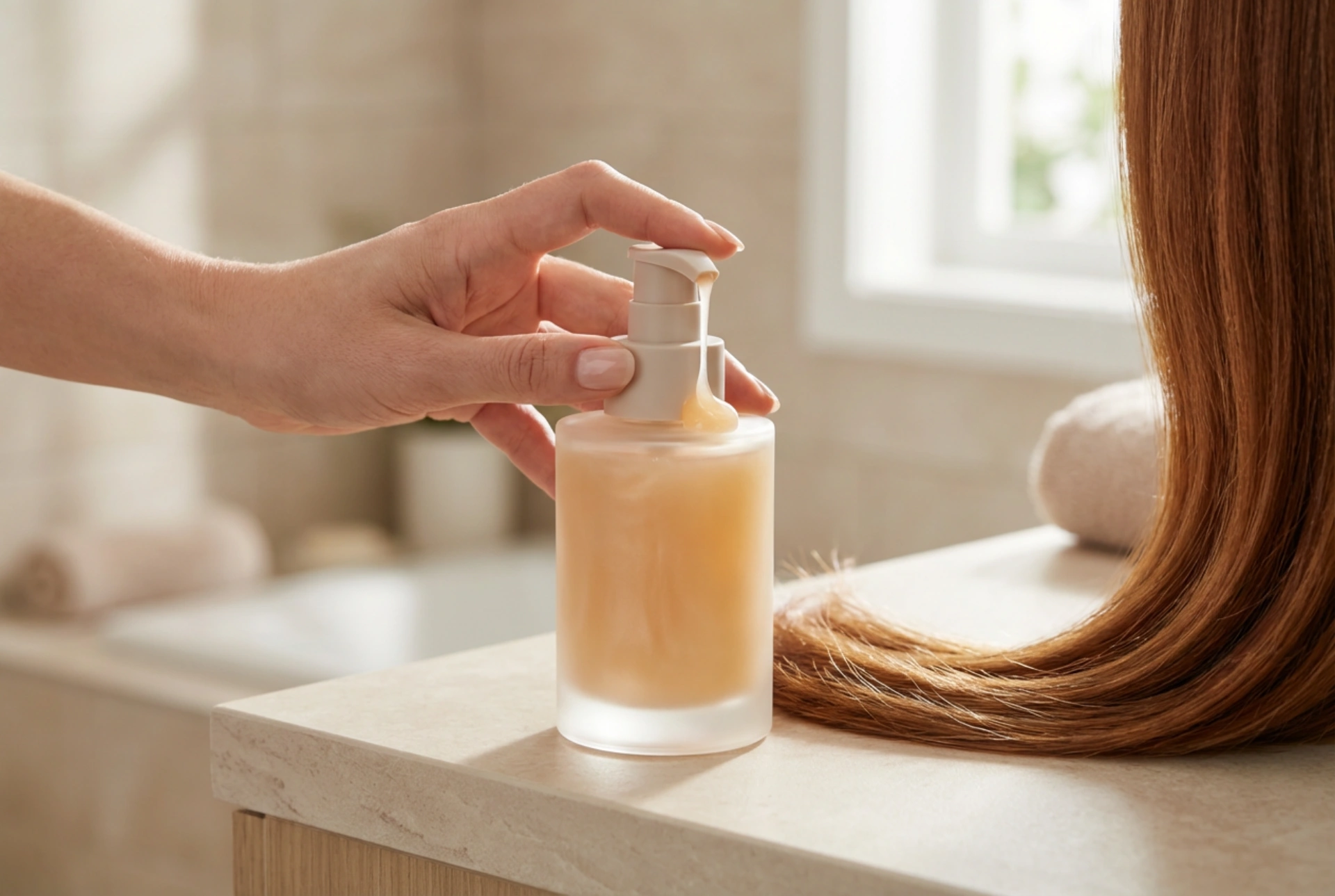
Put on your gloves to avoid staining your hands and nails. Squeeze a generous amount of the colouring shampoo into your palms and distribute it through your hair, starting at the roots where colour often fades fastest. Work it through the lengths and ends, ensuring every strand is saturated. You can use your fingers to massage it in like a regular shampoo, paying close attention to the hairline and nape of the neck. For better distribution, gently run a wide-tooth comb through your hair.
4. Processing and Rinsing
Adhere strictly to the processing time recommended in the product instructions. Leaving it on for too short a time will result in a weak colour, while leaving it on for too long could lead to a darker-than-expected shade or unnecessary dryness. Once the time is up, rinse your hair thoroughly with lukewarm water. Continue rinsing until the water runs completely clear. This is a sign that all excess pigment has been washed out.
5. Don't Skip the Conditioner
After rinsing, apply a rich, nourishing conditioner or a hair mask. This is a non-negotiable step. It helps to seal the hair cuticle, which locks in the colour, adds immense shine, and restores moisture. Leave the conditioner on for at least a few minutes before rinsing with cool water to further enhance smoothness and shine.
Common Mistakes to Avoid
Many common issues with colouring shampoos are easily preventable. Be mindful to avoid these pitfalls:
- Skipping the Patch and Strand Test: This is the most important safety and quality check. Don't ignore it.
- Applying to Dry or Dirty Hair: Product build-up or natural oils can create a barrier, leading to a patchy, uneven result.
- Uneven Application: Failing to saturate all strands, especially in the back or underneath layers, is a common cause of patchiness.
- Expecting a Drastic Change: Remember, this is a toner and refresher, not a lifting agent. It cannot lighten dark hair.
- Forgetting Gloves: The pigments will stain your skin and nails, so always wear the provided gloves.
- Overusing the Product: Using a colouring shampoo too frequently can lead to pigment build-up, making hair look dull or feel dry. Use it only when your colour needs a boost.
Caring for Your Newly Refreshed Hair
To prolong the life of your new hue and keep your hair healthy, a little post-colour care goes a long way. Switch to a sulphate-free shampoo and conditioner for your regular washes, as they are gentler and less likely to strip the colour. Incorporate a deep conditioning treatment or hair mask into your routine once a week to maintain moisture and elasticity. Finally, minimise the use of heat styling tools, and when you do use them, always apply a heat protectant spray first. This simple routine will help your colour stay vibrant and your hair remain soft and shiny.