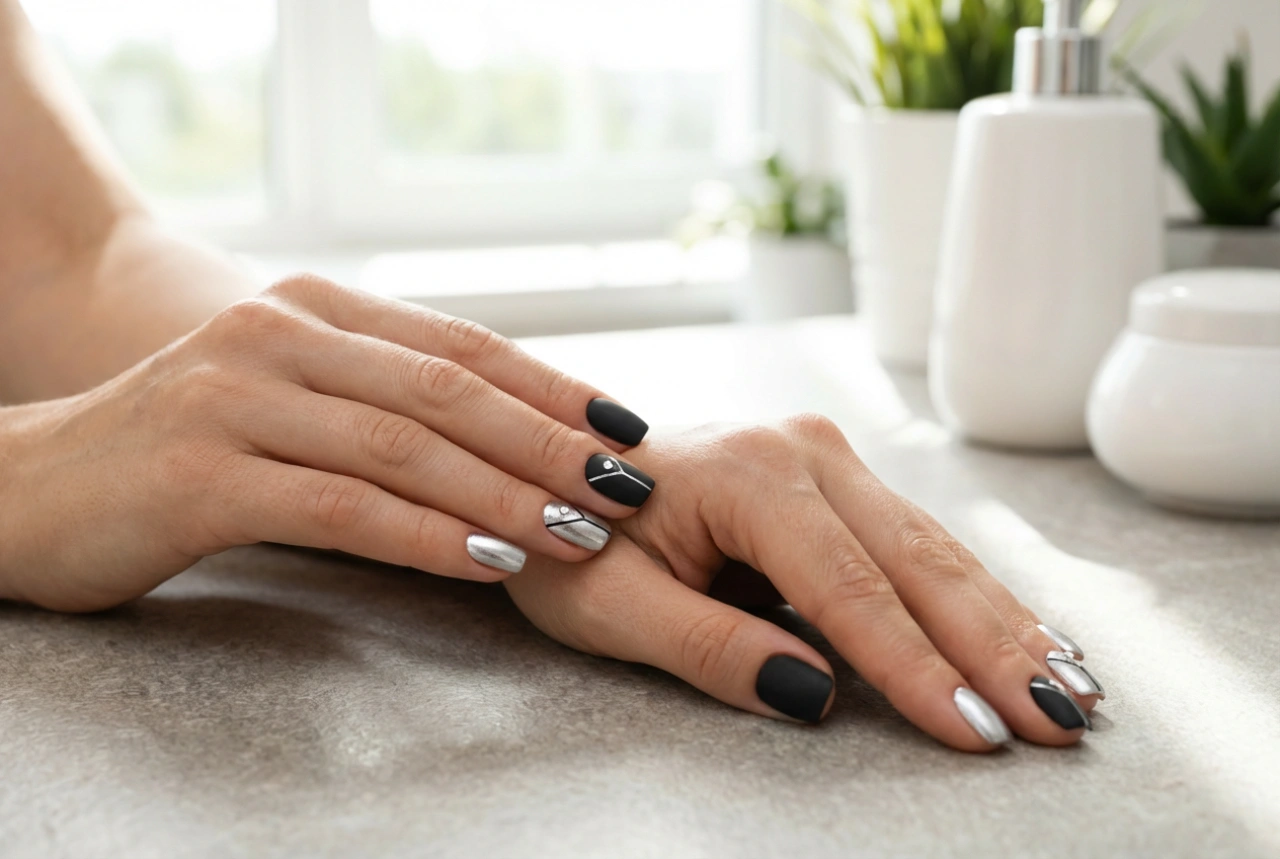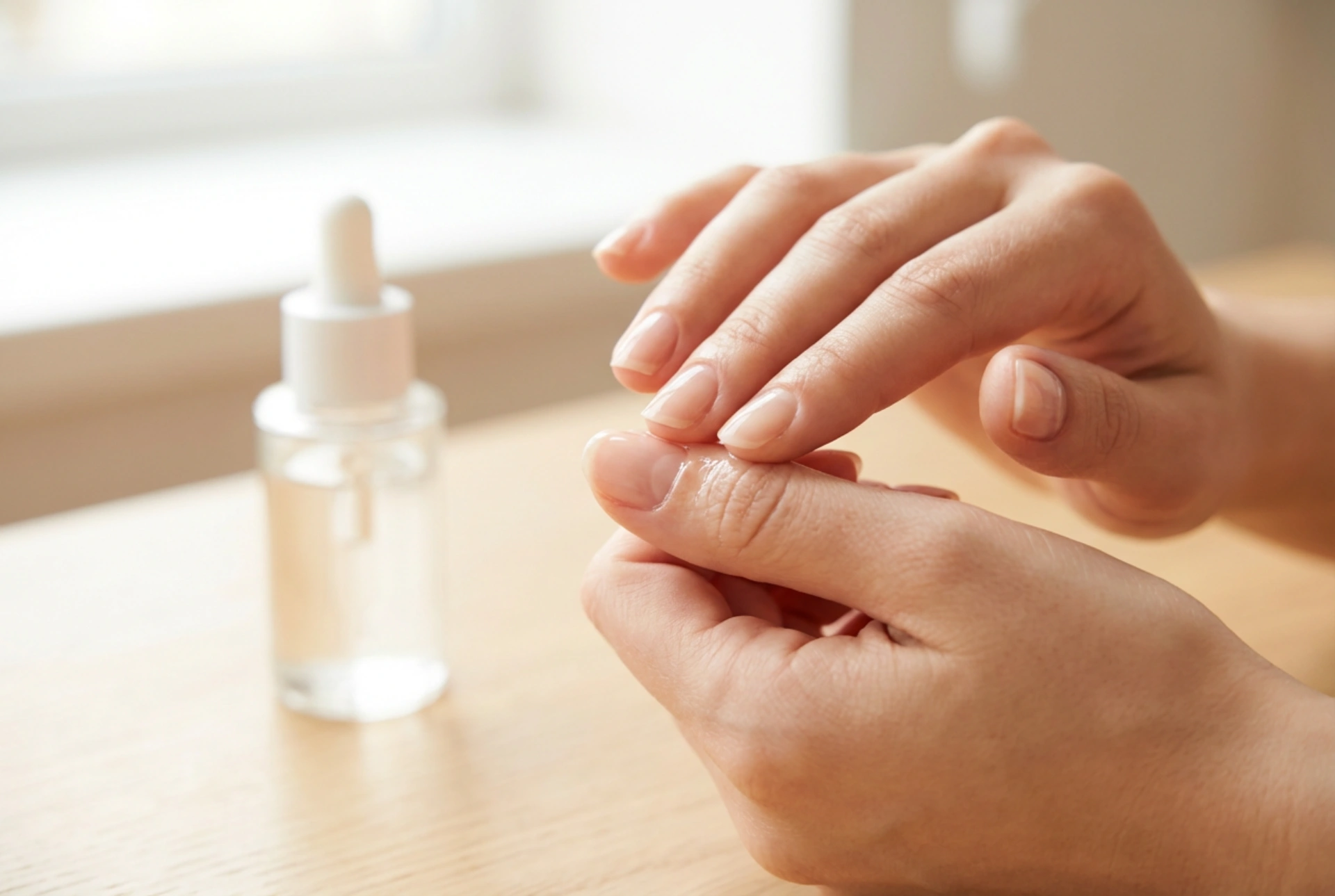


Well-groomed hands are not just about a perfect coat of polish; they begin with healthy nails and the often-neglected skin around them. The cuticle, a delicate layer of skin at the base of your nail, plays a crucial role in nail health. Proper care can transform the appearance of your hands, making them look neater and more polished. However, improper handling can lead to discomfort and damage. This guide will walk you through a safe and effective home routine for softening, pushing back, and moisturising your cuticles for beautiful, healthy nails.
Understanding the Role of Your Cuticles
Before diving into the 'how-to', it's important to understand what the cuticle is and why it matters. The cuticle is the layer of non-living, transparent tissue that is attached to the nail plate. Its primary function is to seal the area at the base of the nail, protecting the new nail growth from bacteria and moisture as it emerges from the nail matrix. Directly behind the cuticle is the eponychium, which is living tissue. It is crucial to distinguish between the two, as the living eponychium should never be cut. By treating this area with gentle care, you not only improve the look of your manicure but also support the overall health and strength of your nails, preventing pesky hangnails and irritation.
A Step-by-Step Guide to Perfect Cuticle Care
Follow this simple, four-step routine once a week to maintain neat and healthy cuticles. The key to success is consistency and a gentle touch.
Step 1: Soften the Skin
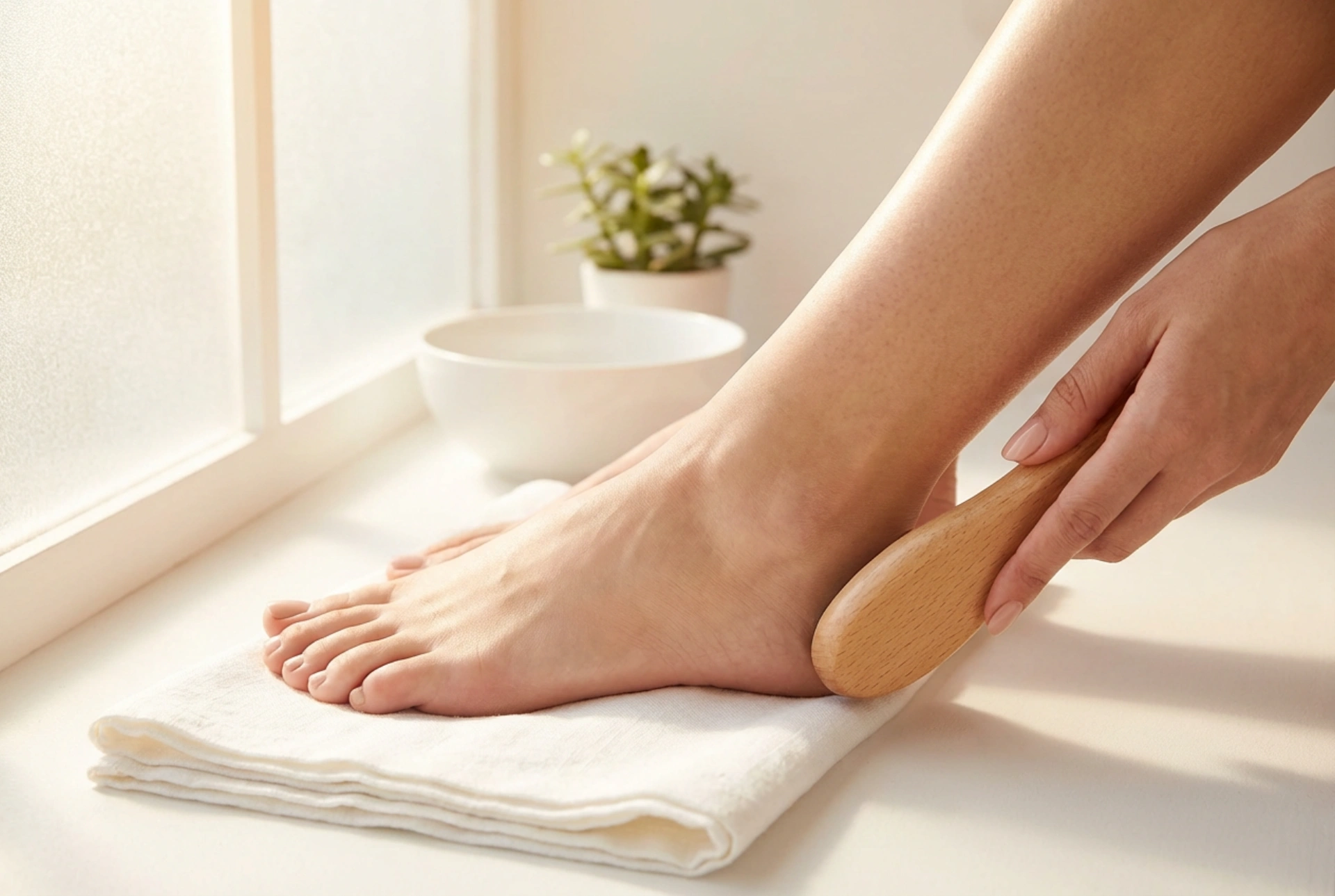
Never work on dry, hard cuticles, as this can cause tearing and damage. Softening is the essential first step. You can do this by soaking your fingertips in a bowl of warm, soapy water for about five to ten minutes. Alternatively, for a quicker process, you can apply a specialised cuticle remover or softener product directly to the base of each nail. These formulas are designed to dissolve dead skin and make the push-back process much easier and safer. Let the product sit for the duration recommended on its packaging, usually between 15 seconds and a minute.
Step 2: Gently Push Back
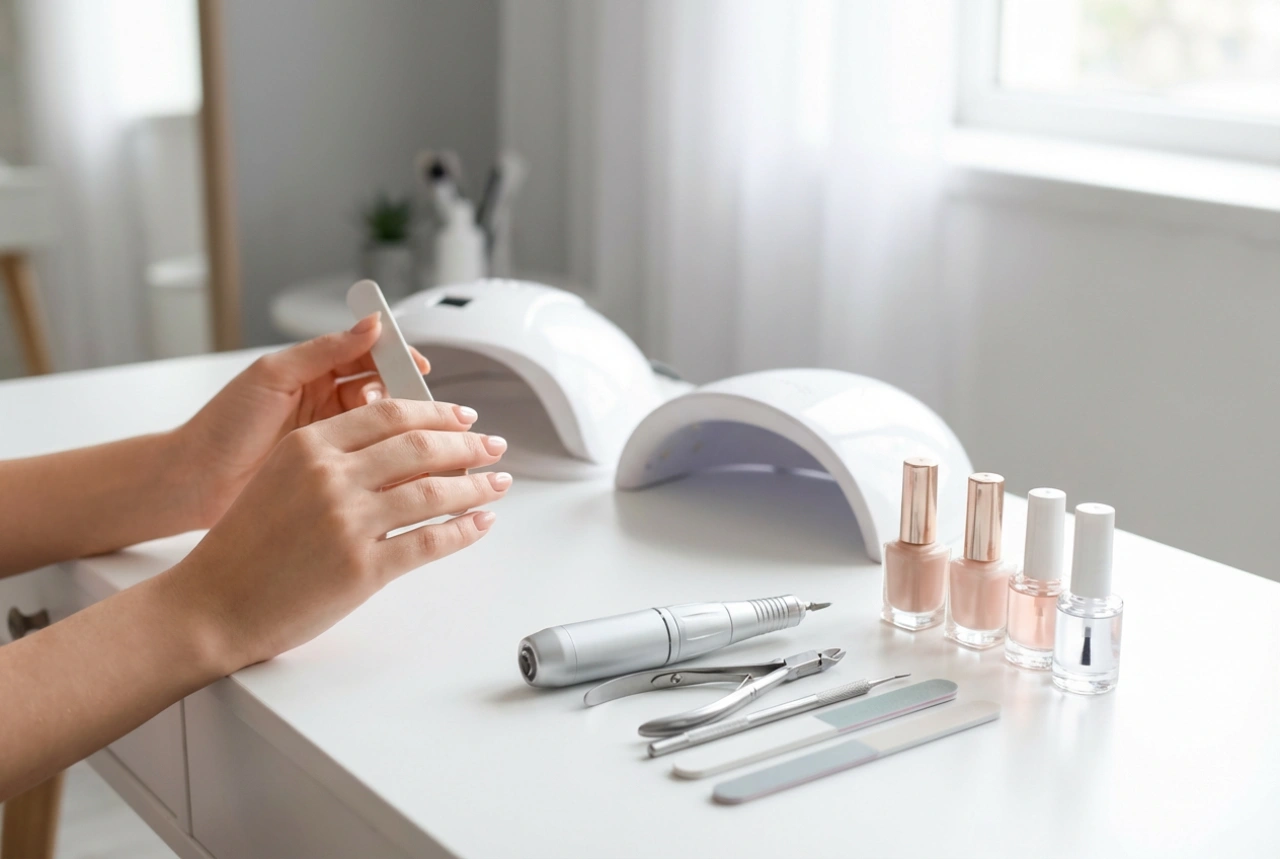
Once the skin is soft and pliable, it's time to gently push the cuticles back. The best tool for this job is a wooden orange stick or a cuticle pusher with a soft, rubber tip. Place the tool at the base of your nail at a slight angle and use very light pressure to carefully push the overgrown cuticle back towards the eponychium. Work in small, gentle circular motions or short, smooth strokes. The goal is simply to reveal more of the nail plate and create a clean, even line. Avoid using sharp metal tools, as they can easily scratch the nail plate or damage the delicate skin.
Step 3: Carefully Tidy Hangnails
It is a common misconception that cuticles should be cut. Trimming the live eponychium can break the protective seal, leading to potential issues. However, you can and should address hangnails, which are small, torn pieces of skin that typically appear at the sides of the nail. Using a pair of clean, sharp cuticle nippers, carefully snip away only these loose pieces of dead skin. Do not pull or tear them. Be precise and trim only what is clearly detached, avoiding the healthy skin around it.
Step 4: Moisturise and Nourish
This is arguably the most important step for long-term cuticle health. After pushing back and tidying the area, you must replenish moisture. Thoroughly wash and dry your hands, then massage a nourishing cuticle oil, cream, or balm into the skin around each nail. Look for products containing ingredients like jojoba oil, sweet almond oil, or vitamin E. This final step not only hydrates the skin but also promotes flexibility, preventing future dryness and hangnails. For best results, make this a daily habit, especially before going to bed.
Common Cuticle Care Mistakes to Avoid
Achieving healthy cuticles is as much about what you don't do as what you do. Be mindful to avoid these common errors:
- Cutting the live cuticle (eponychium): This is the most common mistake. It removes the natural barrier that protects your nail matrix from germs and can lead to rough regrowth and damage.
- Pushing back dry cuticles: This can cause the skin to tear, crack, and become ragged. Always soften your cuticles first.
- Using aggressive tools or pressure: Being too forceful with a pusher, especially a metal one, can bruise the nail bed or damage the matrix, potentially affecting future nail growth.
- Forgetting to moisturise: Skipping oil or cream will leave your cuticles dry and prone to splitting and hangnails, undoing all your hard work.
- Biting or picking at your cuticles: This habit can damage the skin and introduce bacteria, leading to irritation and unsightly results. Keep a moisturiser and a nail file handy to deal with urges or rough spots constructively.