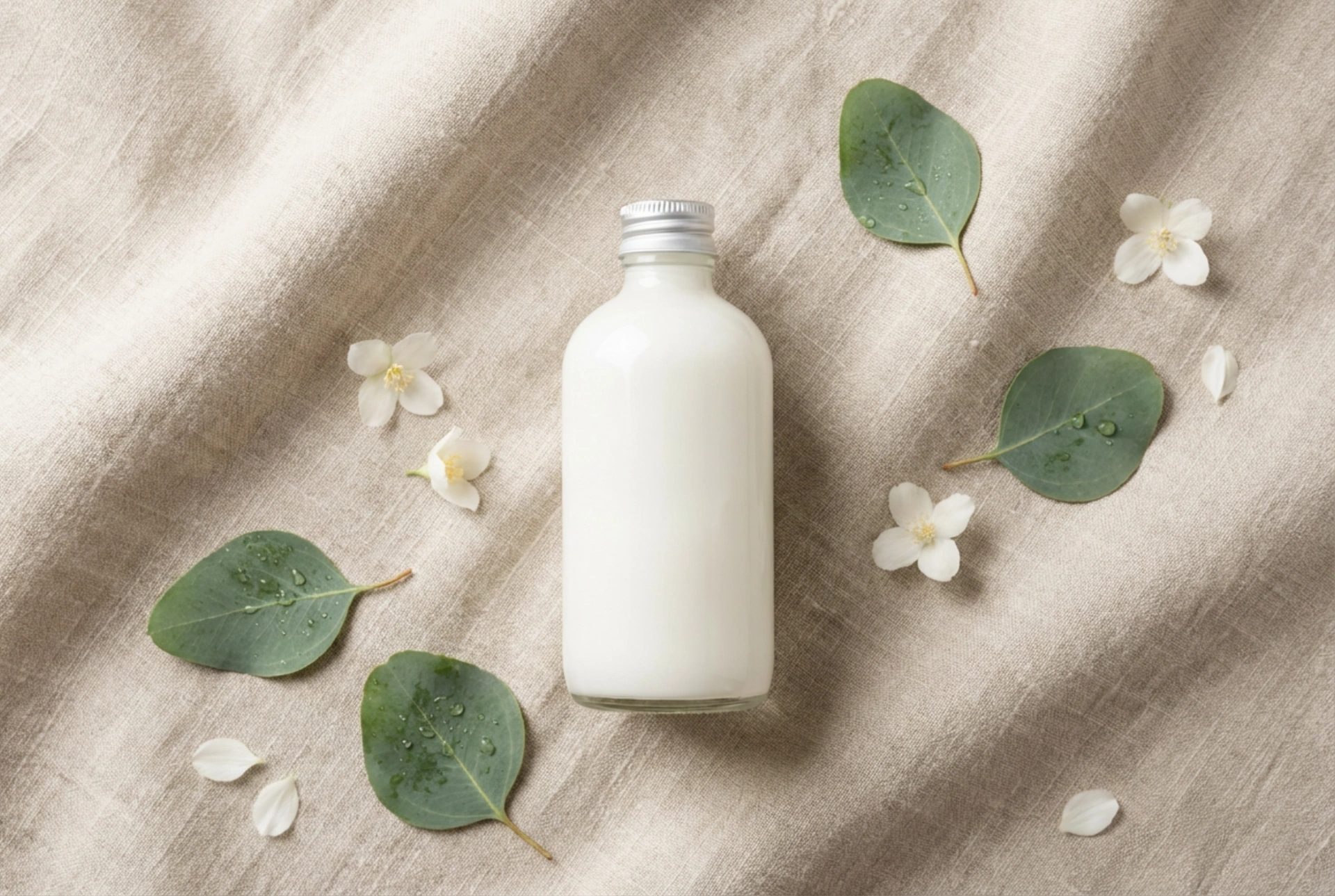


In the pursuit of soft, supple, and healthy-looking skin, many of us are turning towards body care with a focus on simplicity and nature-derived ingredients. Natural body lotions, often formulated with nourishing plant oils and butters, promise effective hydration with a gentle touch. But with so many options available, how do you choose the best one for your skin and use it correctly to avoid any unwelcome irritation? This guide will walk you through everything you need to know to make an informed choice and incorporate a natural body lotion seamlessly into your daily routine.
Understanding What Makes a Body Lotion 'Natural'
The term 'natural' in cosmetics isn't strictly regulated, but it generally refers to products formulated primarily with ingredients sourced from nature, such as plants and minerals. Unlike conventional lotions that might rely heavily on synthetic compounds, natural alternatives often place botanical extracts, oils, and butters at the core of their formulas. When you look at the ingredient list (often labelled as INCI), you'll typically find recognisable names high up.
Key Components to Look For:
- Carrier Oils: These form the base of the lotion and provide the main moisturising properties. Examples include jojoba oil, which is structurally similar to the skin's own sebum, sweet almond oil, known for its gentle nature, and grapeseed oil, a lighter option that absorbs quickly.
- Plant Butters: For a richer, more occlusive effect, butters are used to seal in moisture and deeply nourish the skin. Shea butter is a popular choice for its creamy texture and high concentration of fatty acids, while cocoa butter is celebrated for its protective qualities.
- Humectants: These ingredients attract water to the skin, helping to keep it hydrated from within. In natural lotions, you'll often find glycerine (which can be plant-derived) and aloe vera, which also offers a soothing sensation.
- Botanical Extracts: Concentrated plant extracts can provide additional benefits. For instance, calendula extract is known for its calming properties, while green tea extract offers antioxidant benefits.
Understanding these basic categories will empower you to decipher labels and choose a product based on its core ingredients rather than just its marketing claims. A shorter, more understandable ingredient list is often a good sign of a simpler, more focused formulation.
Choosing the Right Lotion for Your Skin's Needs
Not all natural lotions are created equal, and the best one for you depends entirely on your skin's unique characteristics. The goal is to find a balance of ingredients that provides the right level of moisture without feeling too heavy or too light. It's less about strict skin 'types' and more about observing how your skin feels on a daily basis.
If Your Skin Feels Generally Balanced:
For skin that doesn't feel particularly dry or oily, a lightweight lotion is often sufficient. Look for formulas with a higher content of water or aloe vera, and base oils that absorb quickly, such as grapeseed oil or jojoba oil. These provide daily maintenance hydration without leaving a greasy residue, making them perfect for morning application before getting dressed.
If Your Skin Feels Dry and Tight:
When skin feels parched, tight, or appears flaky, it requires a richer, more nourishing formula. Lotions containing dense plant butters like shea butter or mango butter will be your best friend. These ingredients are occlusive, meaning they form a protective barrier on the skin's surface to prevent moisture loss. Oils like avocado oil and olive oil also provide intense nourishment. These richer creams are ideal for application at night to allow them to fully absorb and work their magic while you sleep.
If Your Skin is Prone to Feeling Oily:
Even skin that feels oily needs hydration; in fact, a lack of moisture can sometimes trigger the skin to produce even more oil. The key is to choose a very light, non-comedogenic (less likely to clog pores) formula. Look for 'oil-free' moisturisers or those based on gel-like textures from ingredients such as aloe vera. If an oil is present, jojoba oil is an excellent choice as it mimics the skin's natural sebum and can help balance it.
Proper Application for Maximum Benefit
How and when you apply your body lotion can make a significant difference in its effectiveness. Following a few simple steps will ensure you get the most out of your chosen product.
The Golden Rule: Apply to Damp Skin
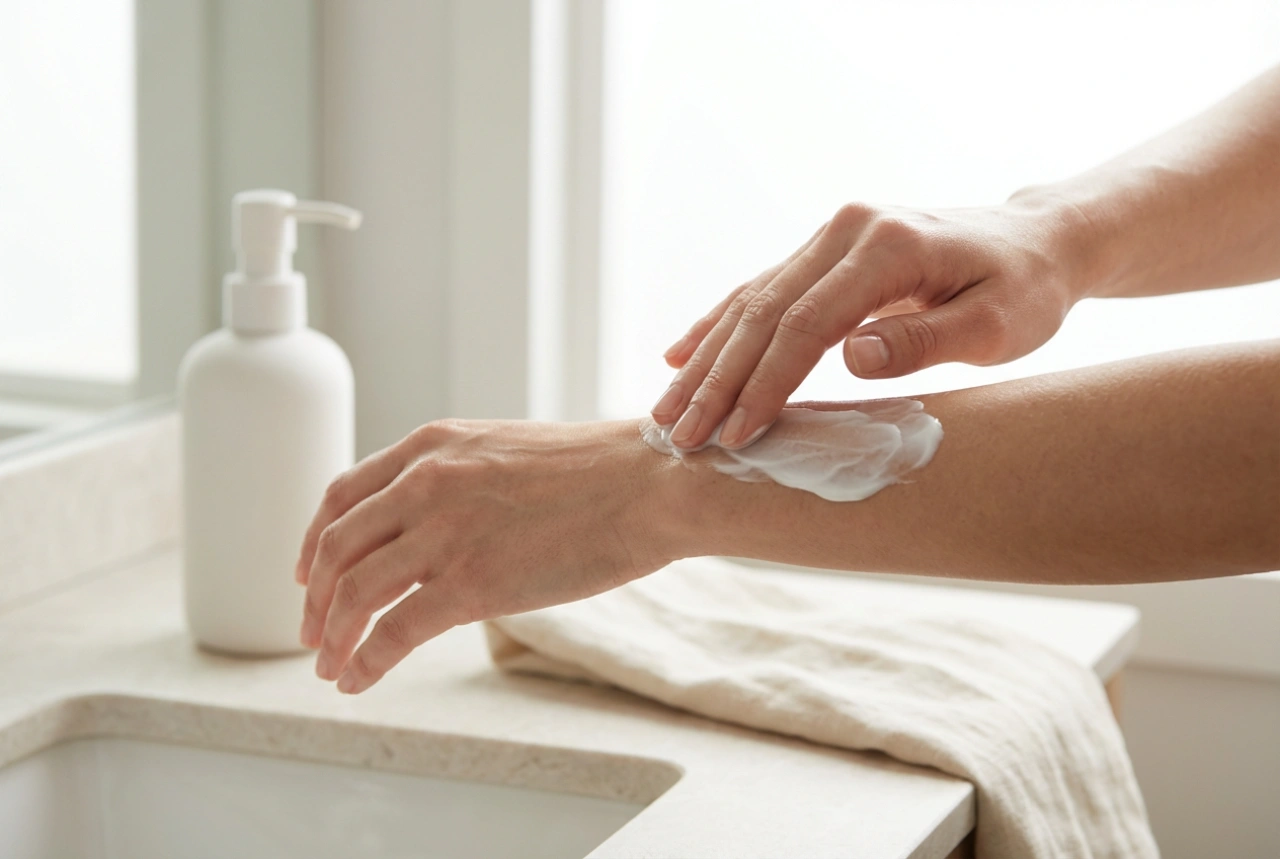
The single most effective time to moisturise is right after a bath or shower. Gently pat your skin with a towel, leaving it slightly damp. Applying lotion to damp skin helps to trap that surface water, locking in an extra layer of hydration. Applying lotion to completely dry skin is far less effective as it has no surface moisture to seal in.
Warm It Up and Use Gentle Motions
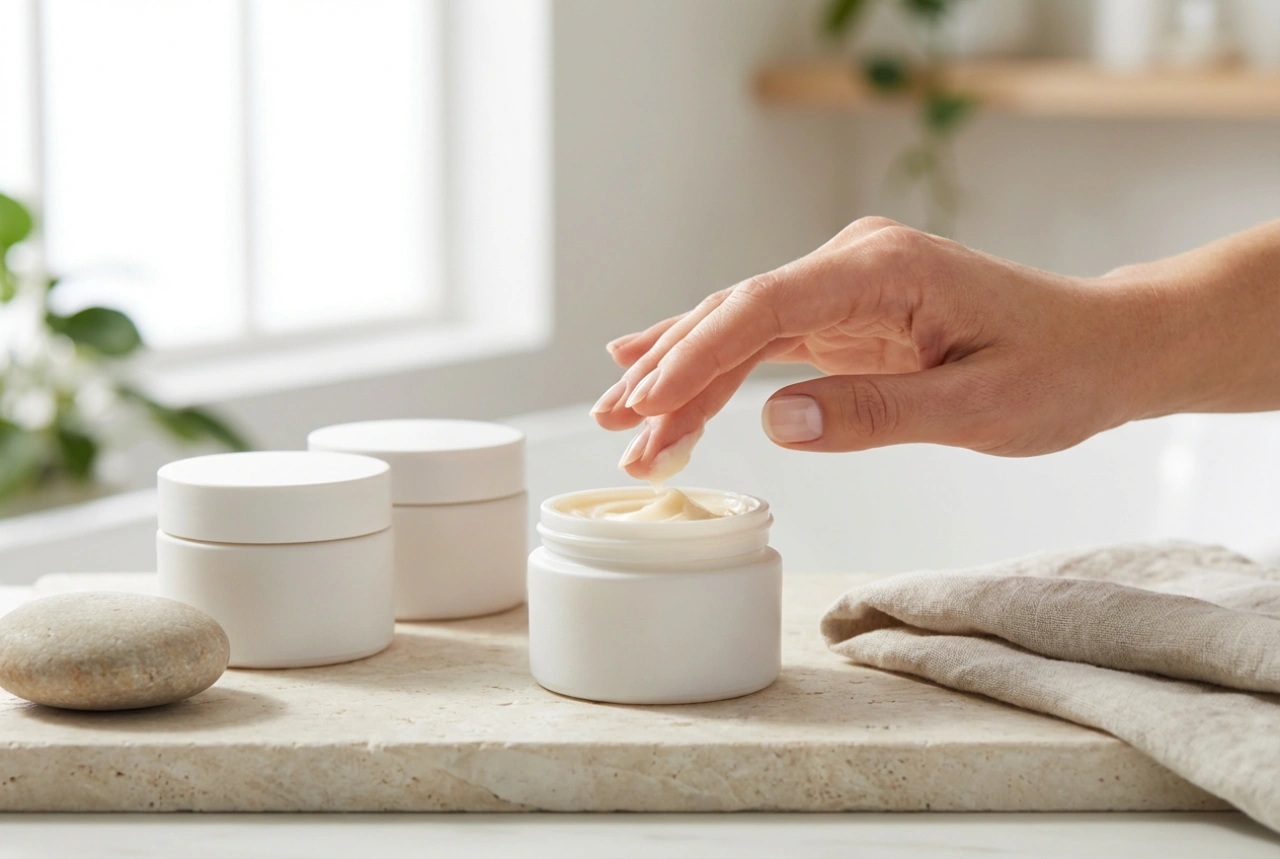
Dispense a small amount of lotion into the palm of your hand. Rub your palms together to gently warm the product. This not only makes it feel more pleasant but also helps it spread more easily and absorb more effectively. Apply the lotion to your body using long, gentle, circular strokes. This motion can also help stimulate circulation. Avoid aggressive rubbing, which can pull at the skin and cause unnecessary friction.
Common Mistakes and How to Avoid Irritation
Even with the best natural products, simple mistakes can lead to less-than-ideal results or even irritation. Here’s what to watch out for.
Mistake 1: Skipping the Patch Test
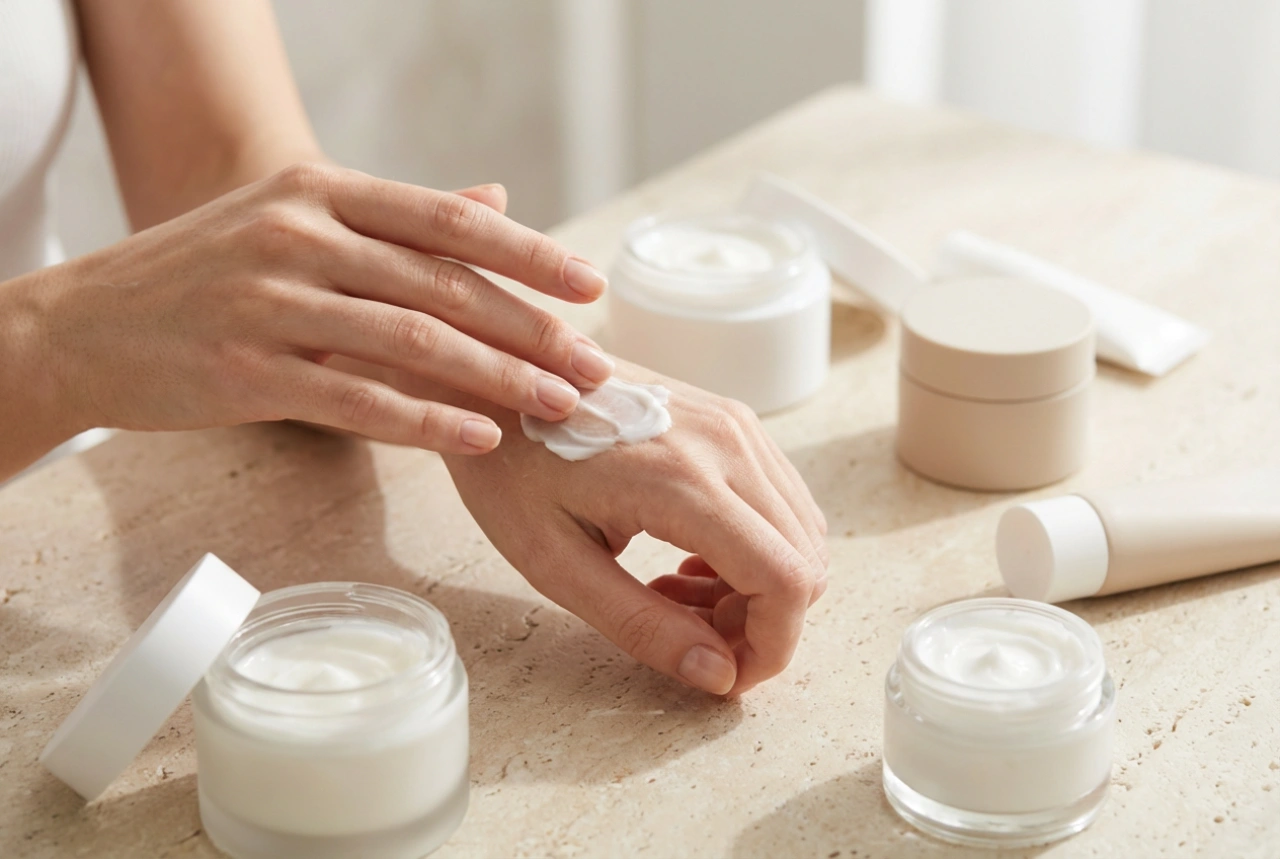
'Natural' does not automatically mean 'hypoallergenic.' Some people can be sensitive to certain plant extracts or essential oils. Before using a new product all over your body, always perform a patch test. Apply a small amount of the lotion to a discreet area of skin, like the inside of your wrist or elbow. Wait for 24-48 hours and check for any signs of redness, itching, or discomfort. If your skin reacts, do not use the product.
Mistake 2: Using Too Much Product
More is not always better. Applying an overly thick layer of lotion, especially a rich one, can leave your skin feeling greasy and may even clog pores. Start with a coin-sized amount for a large area like a leg, and add more only if needed. The goal is for the lotion to absorb fully within a few minutes, leaving the skin feeling soft, not sticky.
Mistake 3: Ignoring Expiration Dates
Many natural lotions are formulated with fewer synthetic preservatives, which means they can have a shorter shelf life than their conventional counterparts. Always check the product for a 'period after opening' symbol (an open jar icon with a number like '6M' or '12M') and aim to use it up within that timeframe. Using an expired product can be ineffective at best and a source of skin trouble at worst, as the oils can go rancid.