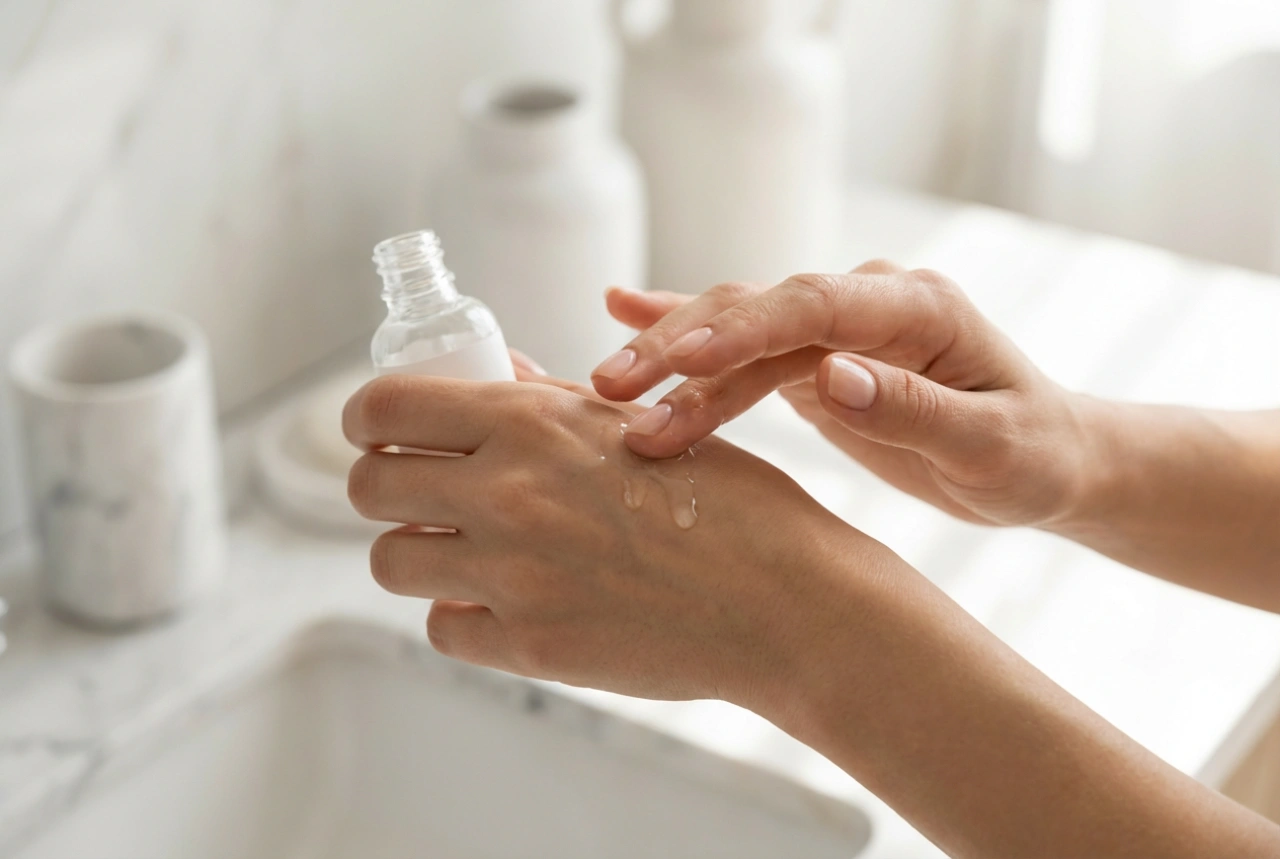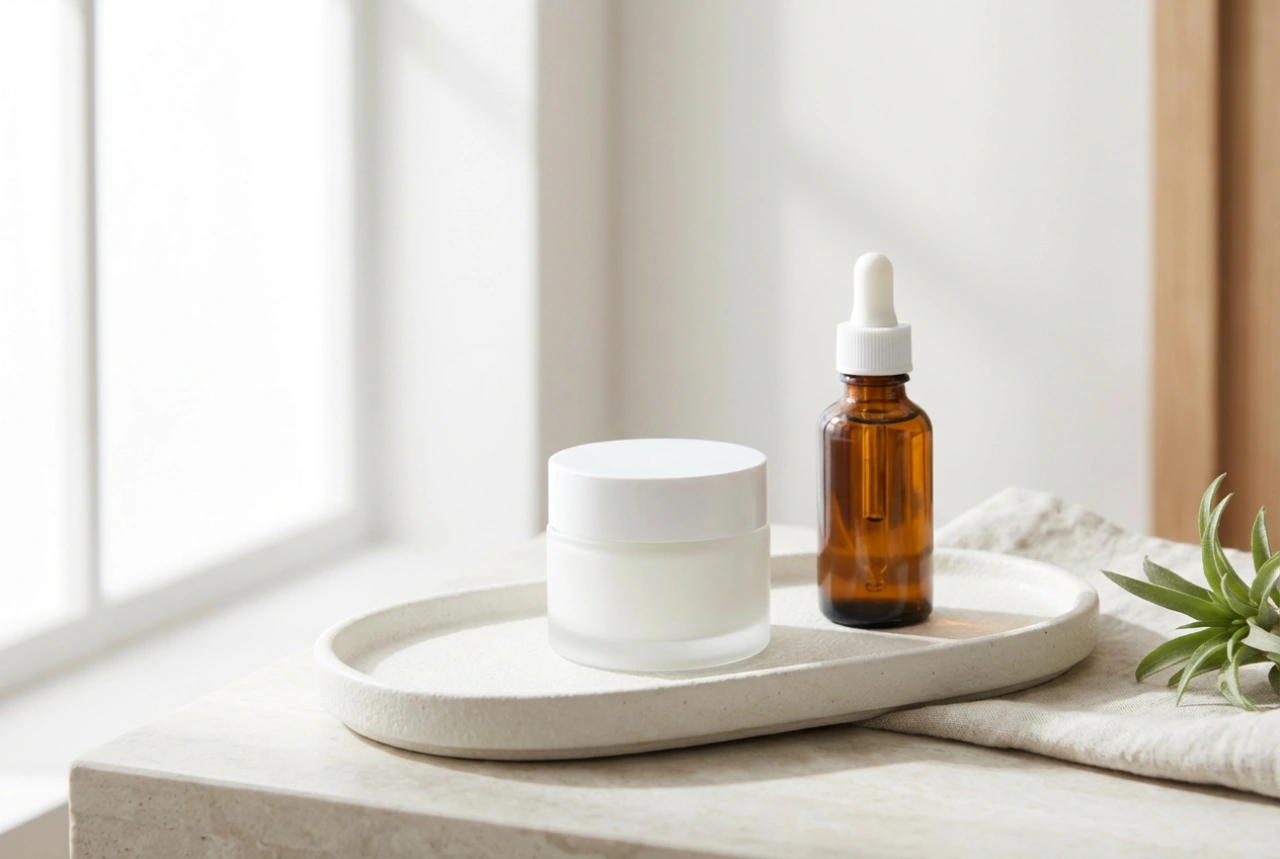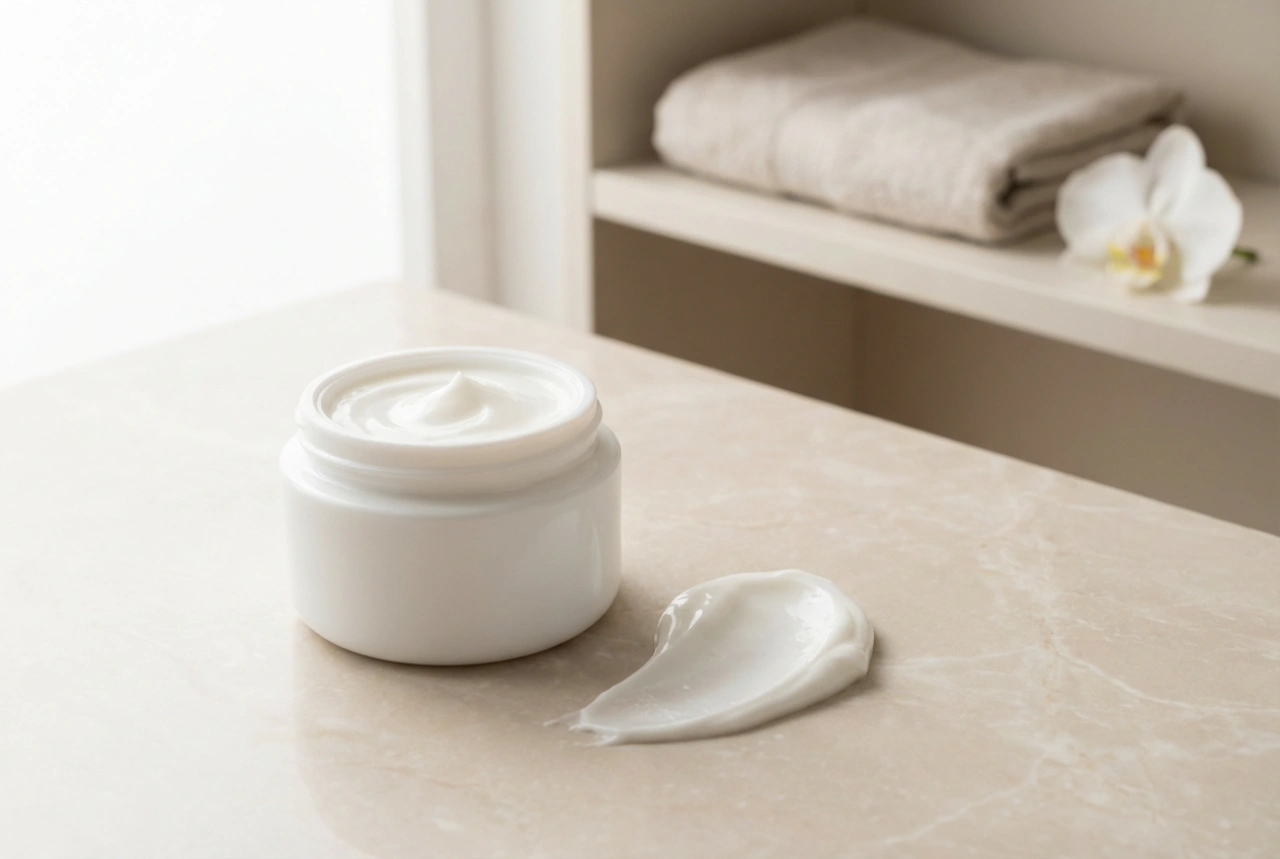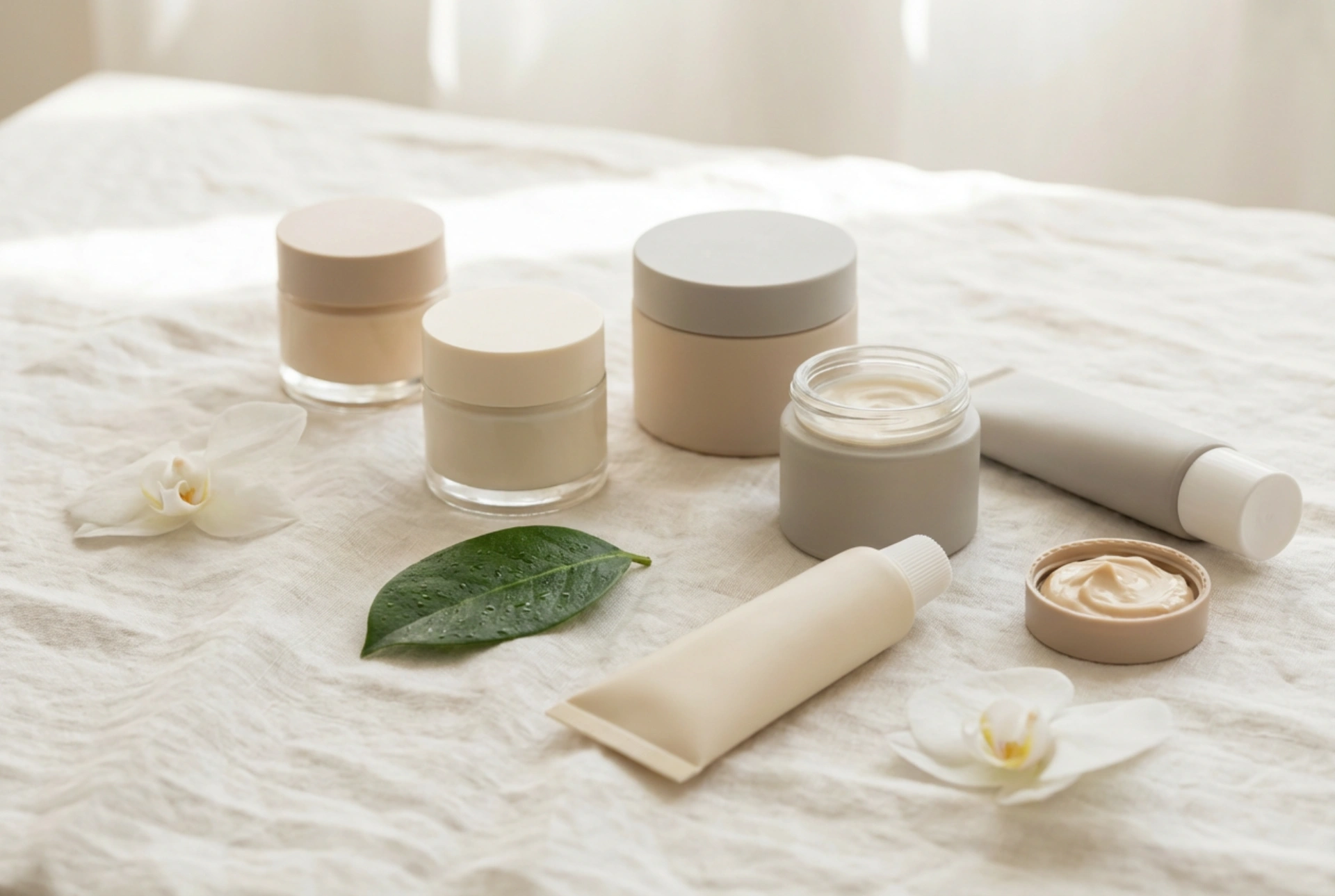


Achieving a balanced and radiant complexion often starts with a single, fundamental step: proper hydration. The market is filled with an array of elegant skincare jars and tubes, each promising to restore life to tired, dry skin. However, finding the perfect match goes beyond beautiful packaging and pleasant textures. Understanding how different moisturiser formulations interact with unique skin types is essential for maintaining a healthy and supple skin barrier. From lightweight, watery gels to rich, nourishing creams, the ideal formula depends heavily on the specific ingredients and the science behind their delivery systems.
The Science of Formulations: Gels, Lotions, and Creams
To choose the right moisturiser, it is helpful to understand the basic structure of cosmetic emulsions. Most moisturisers are blends of water and oil, held together by emulsifiers. The ratio of these components determines the texture, weight, and behaviour of the product on the skin.
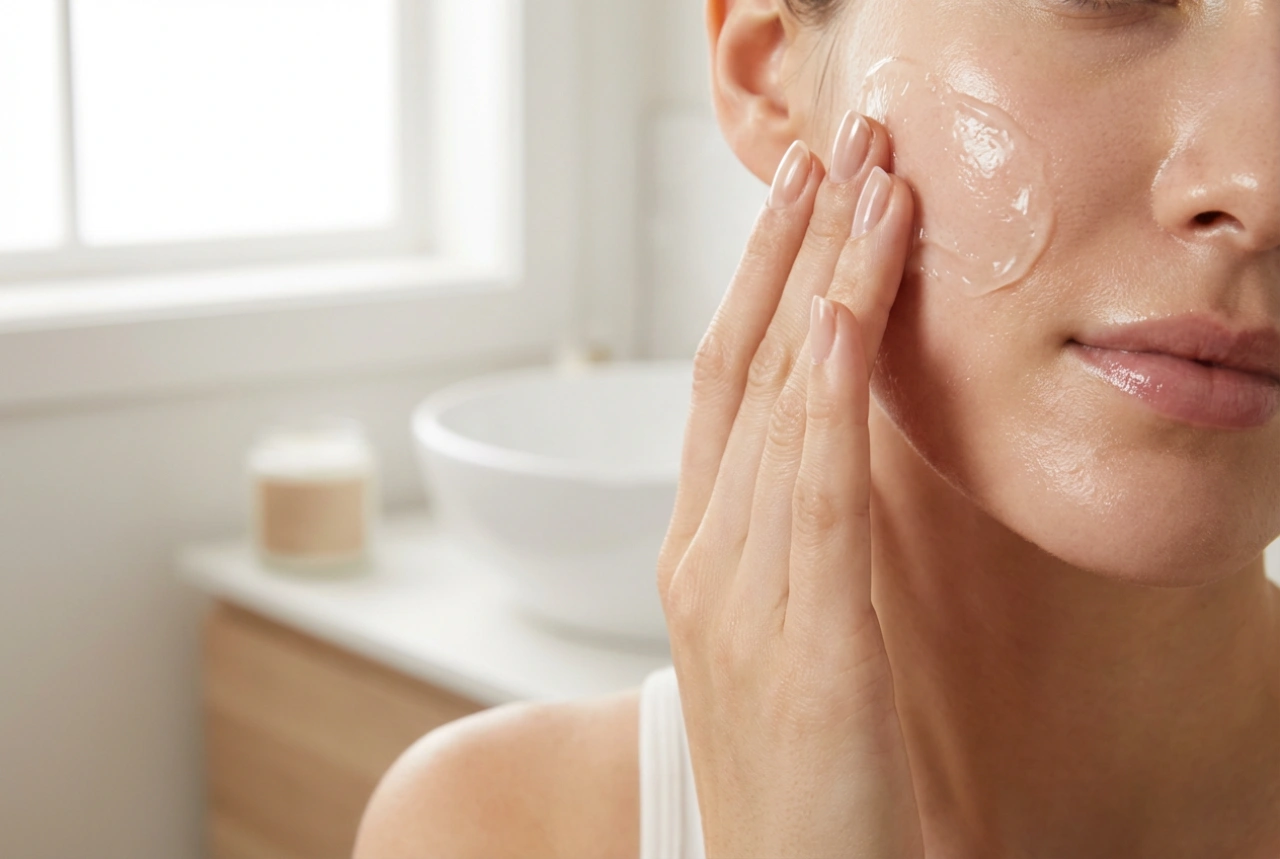
- Gel Formulations: These are primarily water-based and contain little to no oil. They are often infused with water-binding agents that provide instant hydration without leaving a greasy residue. Gel formulas absorb rapidly, making them feel incredibly refreshing and weightless on the skin.
- Lotion Formulations: Lotions represent a balanced medium. They contain a higher water content than heavy creams but include a light oil phase. This allows them to spread easily and absorb quickly, offering a comfortable layer of moisture suitable for daily wear under makeup or sunscreen.
- Cream Formulations: Creams are richer, water-in-oil emulsions with a high concentration of lipids and oils. They have a denser, more luxurious texture designed to create a protective barrier on the skin's surface, preventing moisture loss over extended periods.
Key Ingredients: Humectants, Emollients, and Occlusives
Every effective moisturiser relies on a strategic combination of three main categories of ingredients. Each category serves a distinct purpose in the hydration process, and the balance between them dictates how a product performs on your skin.
Humectants: The Moisture Magnets
Humectants are substances that attract water molecules like a sponge. They draw moisture from the deeper layers of the skin, as well as from the surrounding environment, to hydrate the outer layers. Common examples include hyaluronic acid, glycerin, and urea. These ingredients are essential for plumping the skin and smoothing out fine dehydration lines, providing a fresh and dewy appearance.
Emollients: Softening and Smoothing Agents
While humectants supply water, emollients fill in the microscopic gaps between skin cells, smoothing out rough patches. They help to soften the skin texture and improve elasticity. Natural plant oils, such as jojoba oil, almond oil, and squalane, act as excellent emollients. They mimic the skin's natural lipids, restoring a silky feel and a healthy glow.
Occlusives: The Protective Shield
Occlusives form a physical barrier on top of the skin to lock in the hydration provided by humectants and emollients. By preventing transepidermal water loss, they ensure the skin remains hydrated for hours. Ingredients like shea butter, beeswax, and certain heavy plant waxes are classic occlusives, often found in richer night creams and protective balms.
Matching Formulations to Your Skin Type
Not all skin requires the same balance of hydration and lipid replenishment. Selecting a moisturiser tailored to your specific skin needs is key to achieving optimal results without causing imbalances.
Oily and Combination Skin
For those with oily or combination skin, the focus should be on oil-free hydration. Oily skin still needs water, but adding heavy lipids can lead to a congested feel. Lightweight gel-creams and water-based gels rich in hyaluronic acid or glycerin are ideal. They provide the necessary hydration to keep the skin balanced without adding excess shine or weight.
Dry and Dehydrated Skin
Dry skin lacks natural lipids, meaning it struggles to produce enough sebum to lock in moisture. For this skin type, rich, emollient-heavy creams are paramount. Look for formulas combining nourishing plant butters, squalane, and ceramides. These ingredients help rebuild the natural lipid barrier, preventing moisture from evaporating and soothing any feelings of tightness.
Normal and Sensitive Skin
Normal skin benefits from medium-weight lotions that maintain the existing balance of oil and water. For sensitive skin types, simplicity is key. Opt for minimalist formulations with soothing, barrier-supporting ingredients such as panthenol or allantoin, and avoid added fragrances or complex botanical extracts that might cause irritation.
How to Maximise the Benefits of Your Moisturiser
The way you apply your moisturiser can significantly influence its effectiveness. To get the most out of your skincare routine, consider these practical application tips:
- Apply to Damp Skin: Always apply your moisturiser immediately after cleansing or misting, while your skin is still slightly damp. This allows humectants to trap the surface water, boosting hydration levels significantly.
- Use Gentle Patting Motions: Instead of vigorously rubbing the product into your face, gently press and pat the cream or gel into your skin. This minimises friction and promotes even absorption.
- Adjust by Season: Your skin's needs change with the weather. In the humid summer months, you might prefer a lightweight fluid or gel, whereas the dry, cold air of winter often calls for a transition to a richer, more protective cream.