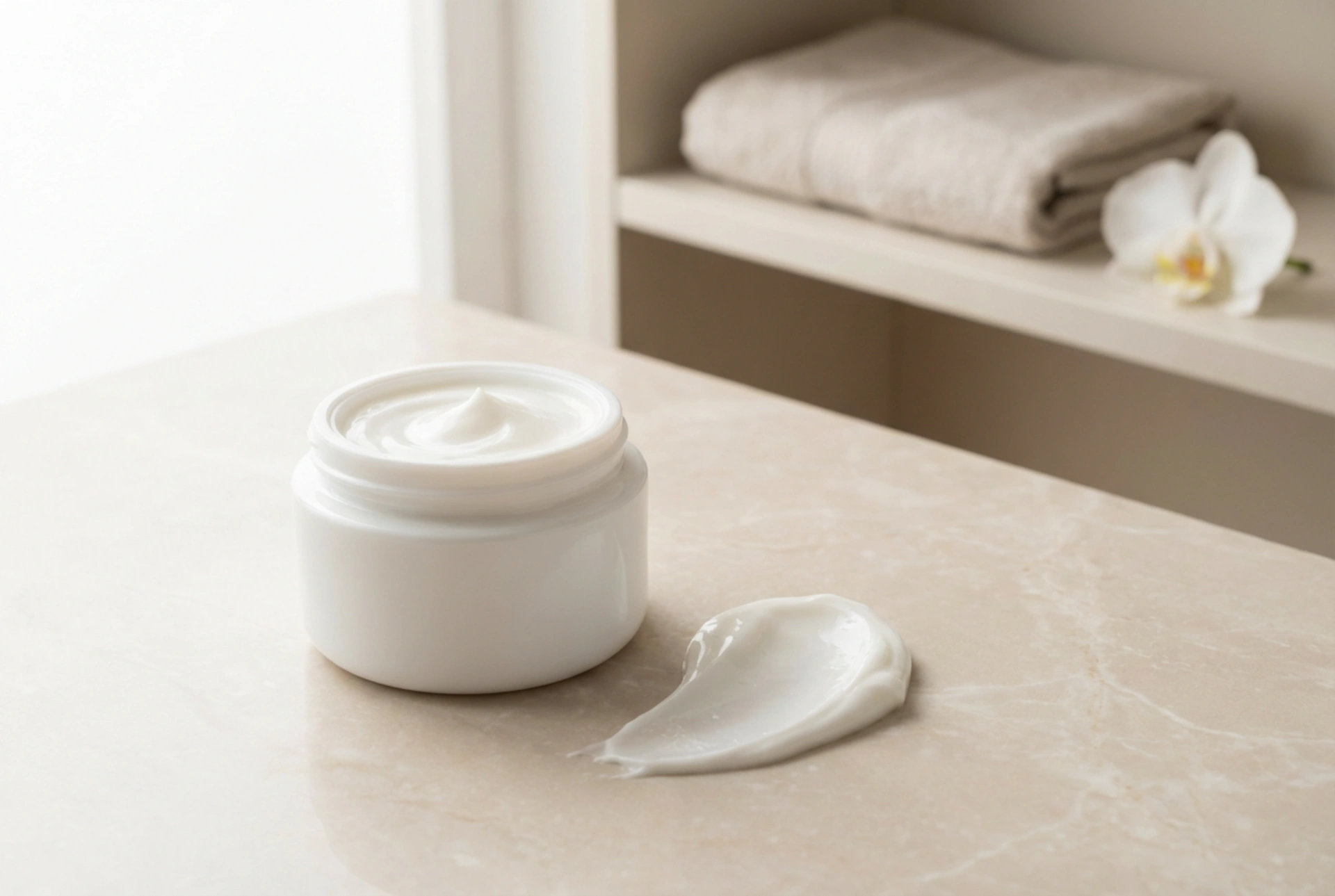


Finding a rich, nourishing face cream is often the first step towards maintaining a luminous and healthy complexion as we mature. A simple, elegant jar of moisturiser represents more than just a daily beauty ritual; it is a foundational support system for skin that is navigating natural structural changes. In our 40s, the skin's biological processes begin to slow down, resulting in decreased sebum production, reduced natural hyaluronic acid levels, and a more delicate lipid barrier. Consequently, selecting a high-quality hydrating cream becomes paramount to preserve suppleness, prevent dehydration, and restore a youthful radiance.
Key Ingredients to Look For in Your 40s
To address the specific needs of mature skin, it is essential to look at the list of cosmetic ingredients. A basic moisturiser may no longer suffice; instead, your skin will benefit from a formulation that combines humectants, emollients, and barrier-supporting agents.
Humectants vs. Emollients
Understanding the balance between humectants and emollients is key. Humectants, such as glycerin and panthenol, draw moisture into the skin. Emollients, including natural lipids and fatty acids, smooth the skin's surface and seal that moisture in. A well-formulated cream for mature skin must contain a balanced ratio of both to ensure the skin remains hydrated and velvety to the touch throughout the day.
- Hyaluronic Acid: A powerful humectant that attracts and binds water to the skin cells. Look for formulas containing multiple molecular weights, as this allows for both immediate surface plumping and deeper hydration.
- Ceramides: These natural lipids act as the mortar between skin cells, helping to rebuild and fortify the skin barrier, which naturally thins and weakens over time.
- Squalane and Plant Oils: Ingredients like squalane, jojoba oil, or shea butter mimic the skin's natural sebum, providing intensive nourishment and preventing trans-epidermal water loss.
- Peptides: Small chains of amino acids that support the skin's natural architecture, helping to improve the appearance of firmness and elasticity.
- Antioxidants: Vitamin E and botanical extracts help protect the skin from environmental stressors and oxidative damage, keeping the complexion looking fresh and even-toned.
The Role of Texture and Consistency
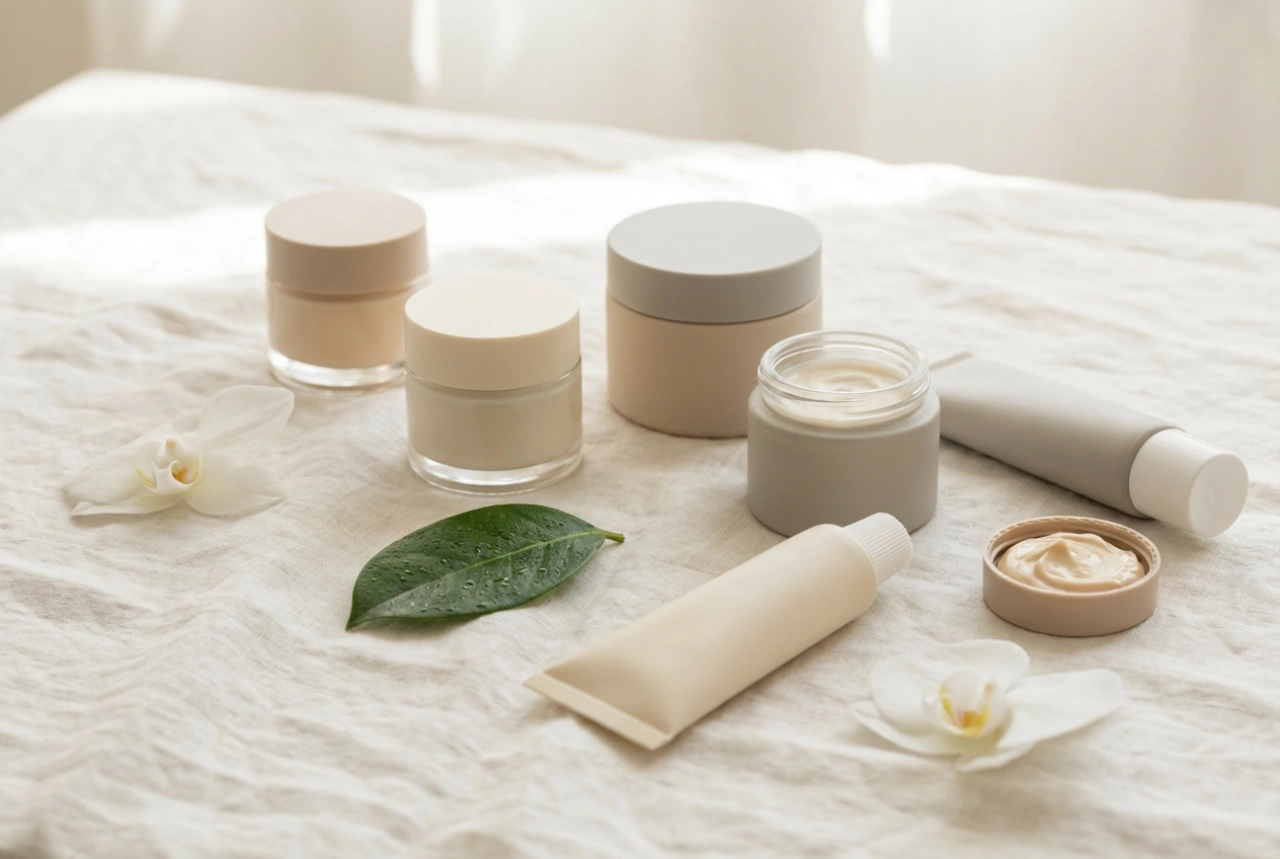
The texture of your hydrating cream plays a significant role in both user comfort and product efficacy. While lightweight lotions are often sufficient in our 20s and 30s, the 40s often call for a more substantial, velvety consistency. A rich dollop of cream should feel comforting upon application, melting into the skin without leaving an excessively greasy or heavy residue.
Adjusting the texture according to the season is also highly beneficial. In the colder, winter months, a richer cream acts as a protective shield against harsh winds and indoor heating. In contrast, during the warmer summer months, a slightly lighter but deeply hydrating fluid can offer the necessary comfort without feeling heavy.
During the day, a medium-weight emulsion that sits beautifully under SPF and makeup is highly recommended. It should provide a smooth, satin-like base while continuously releasing moisture throughout the hours. For nighttime, a denser, more occlusive cream is ideal. At night, the skin undergoes its natural renewal and repair processes, making it the perfect time to apply a deeply nourishing layer that locks in moisture and supports barrier recovery while you sleep.
Correct Application Techniques for Maximum Benefits
How you apply your moisturiser can greatly influence its performance. Incorporating a few simple steps into your daily routine can enhance product absorption and promote healthy circulation.
Step-by-Step Application Guide
- Apply to Damp Skin: To lock in maximum hydration, apply your face cream immediately after cleansing or misting your face, while the skin is still slightly damp. This helps seal the moisture into the stratum corneum.
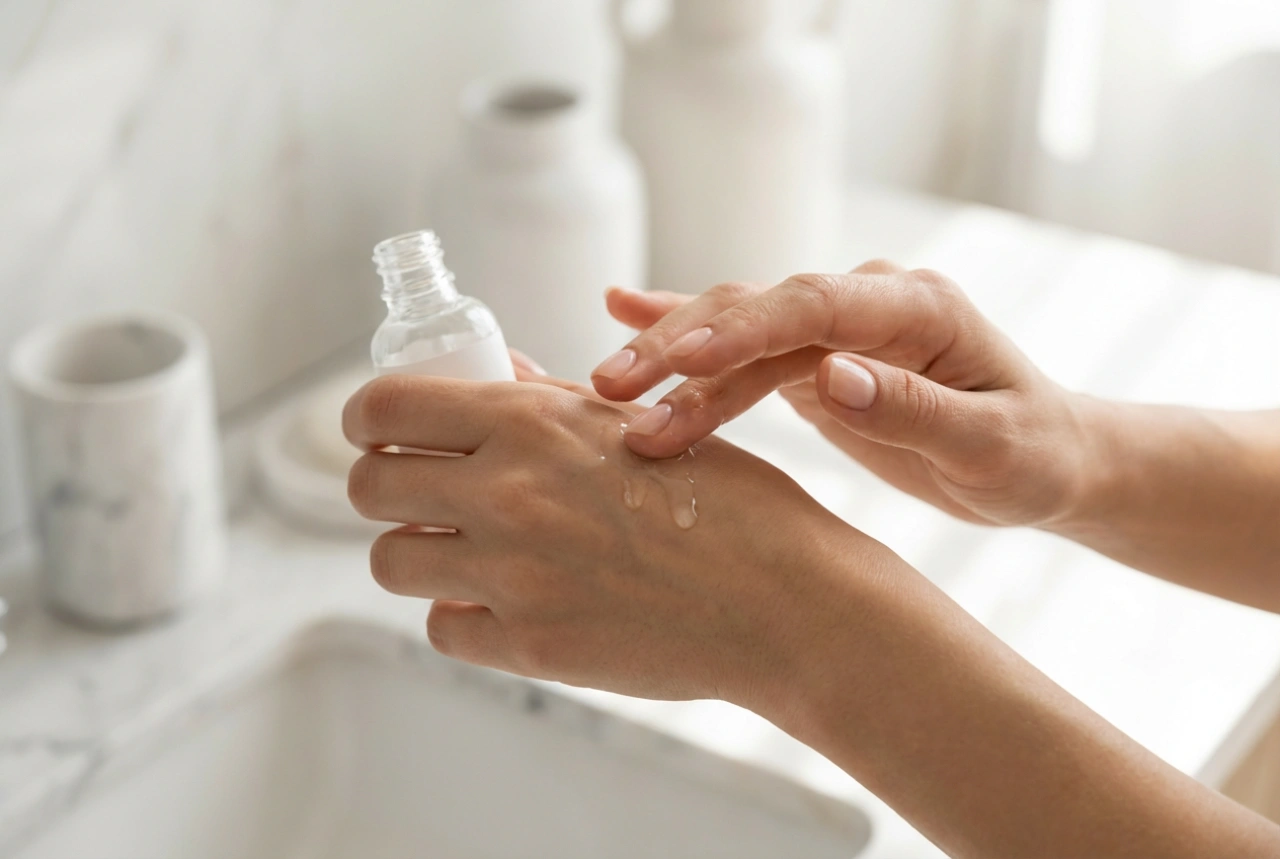
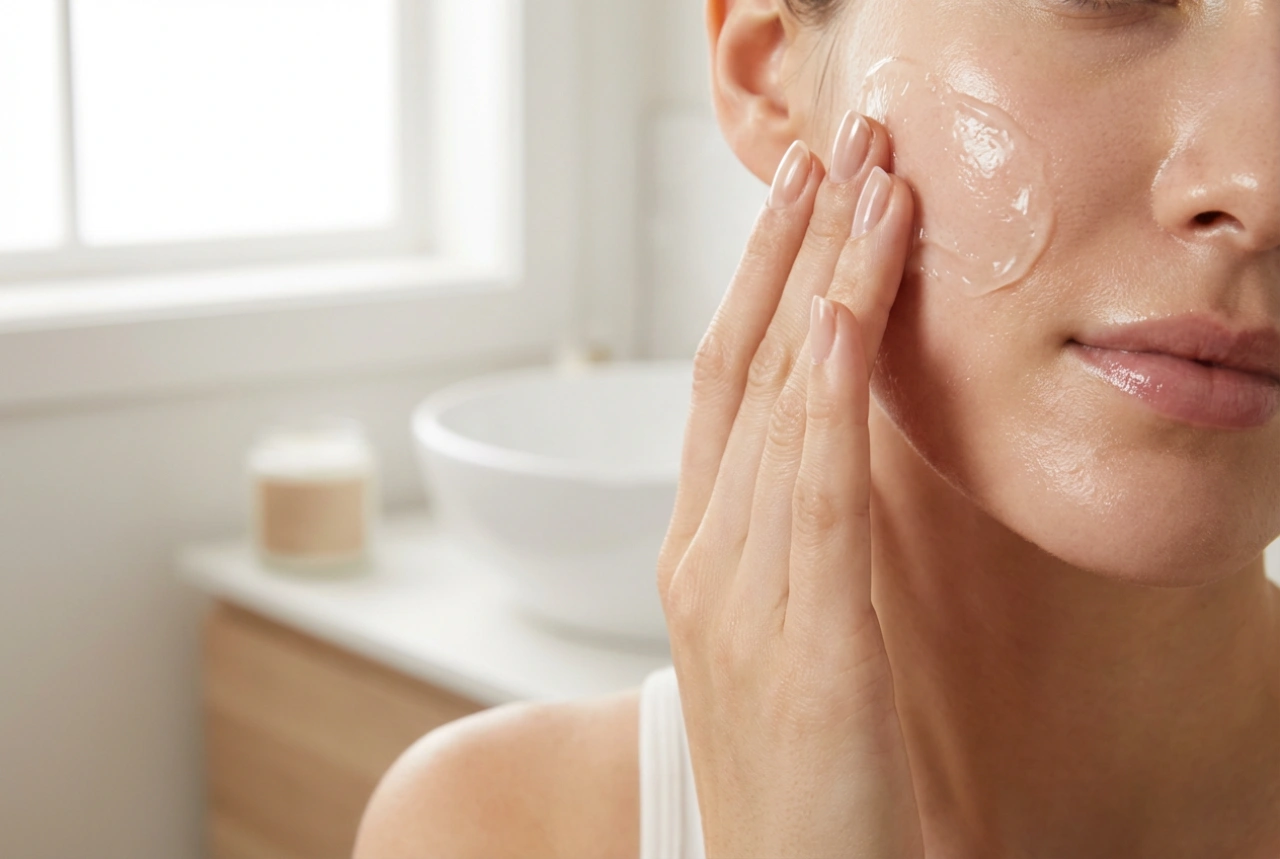
- Use Warmth: Take a small dollop of cream and warm it between your fingertips for a few seconds. This softens the texture, making it easier to spread evenly without pulling at the skin.
- Gentle Upward Motions: Smooth the cream onto your face using gentle, upward and outward sweeping motions. Avoid pressing too hard or dragging the skin downwards.
- Include the Neck and Décolletage: The skin on your neck and upper chest is thin and often shows signs of dehydration early on. Always extend your cream application down to these areas.
Supporting Hydration Through Daily Habits
While a high-quality hydrating cream is essential, achieving healthy, glowing skin after 40 is a holistic process. Complement your skincare routine by drinking sufficient water throughout the day to support overall hydration from within. Additionally, protect your moisture barrier by using a broad-spectrum daily sunscreen, as UV rays can degrade collagen and accelerate dryness. Finally, using a humidifier in dry indoor environments can prevent the air from stripping essential moisture from your face, keeping your complexion plump and comfortable year-round.