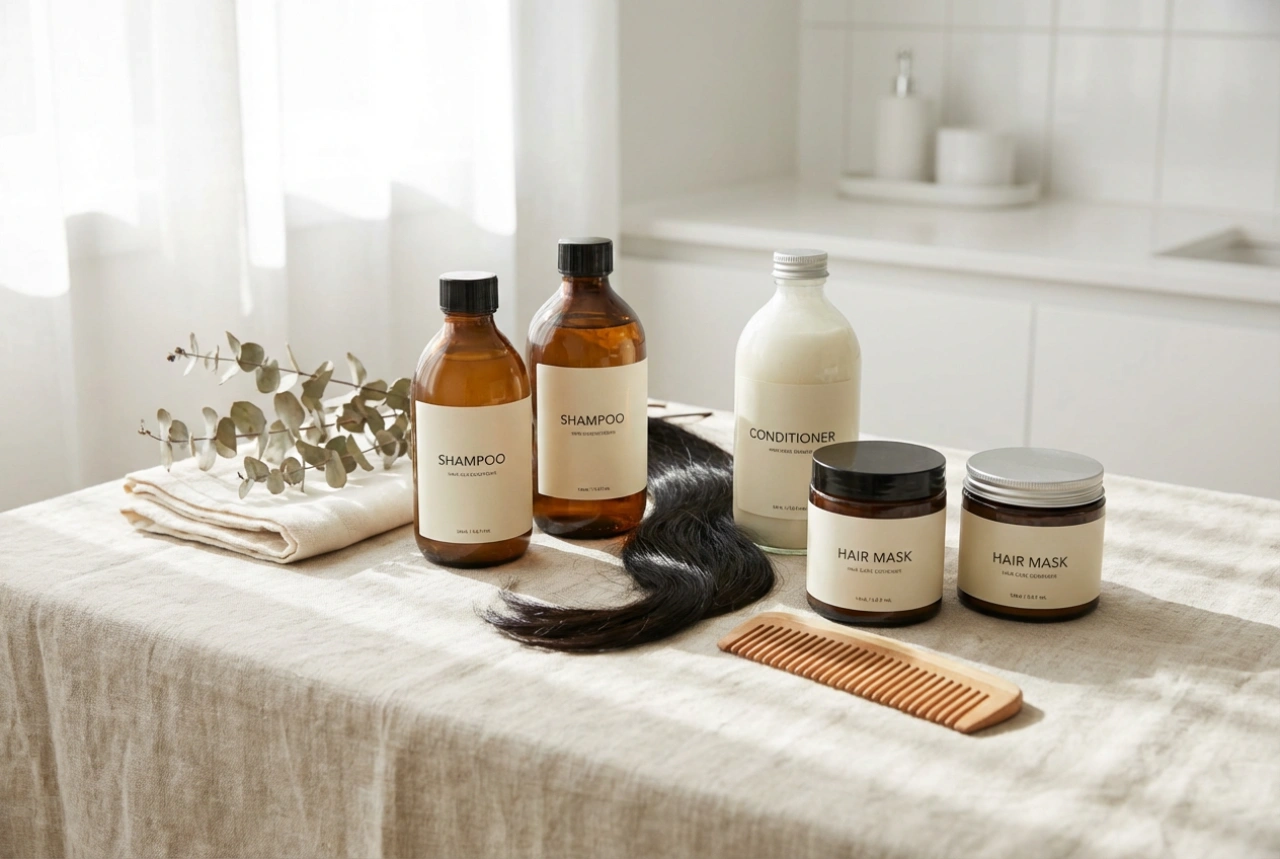


Selecting the right hair care products often feels like a ritual of mindfulness, reminiscent of a serene space filled with minimalist bottles and delicate botanical sprigs. Choosing a "star shampoo"—one that truly stands out in your routine—requires looking beyond beautiful packaging and understanding what is actually inside the formula. By learning how to decode ingredient lists, you can make informed choices that respect your hair’s unique structure and natural balance, leading to healthier-looking locks without unnecessary trial and error.
The Foundation of Any Shampoo: Cleansing Agents
To understand how a shampoo works, we must first look at its primary function: cleansing. Shampoos are formulated with surfactants, which are compounds that attract both oil and water, allowing dirt, styling residues, and excess sebum to be rinsed away easily. These cleansing agents vary greatly in their intensity, and choosing the right strength is key to maintaining a healthy hair routine.
Deep Cleansing Surfactants
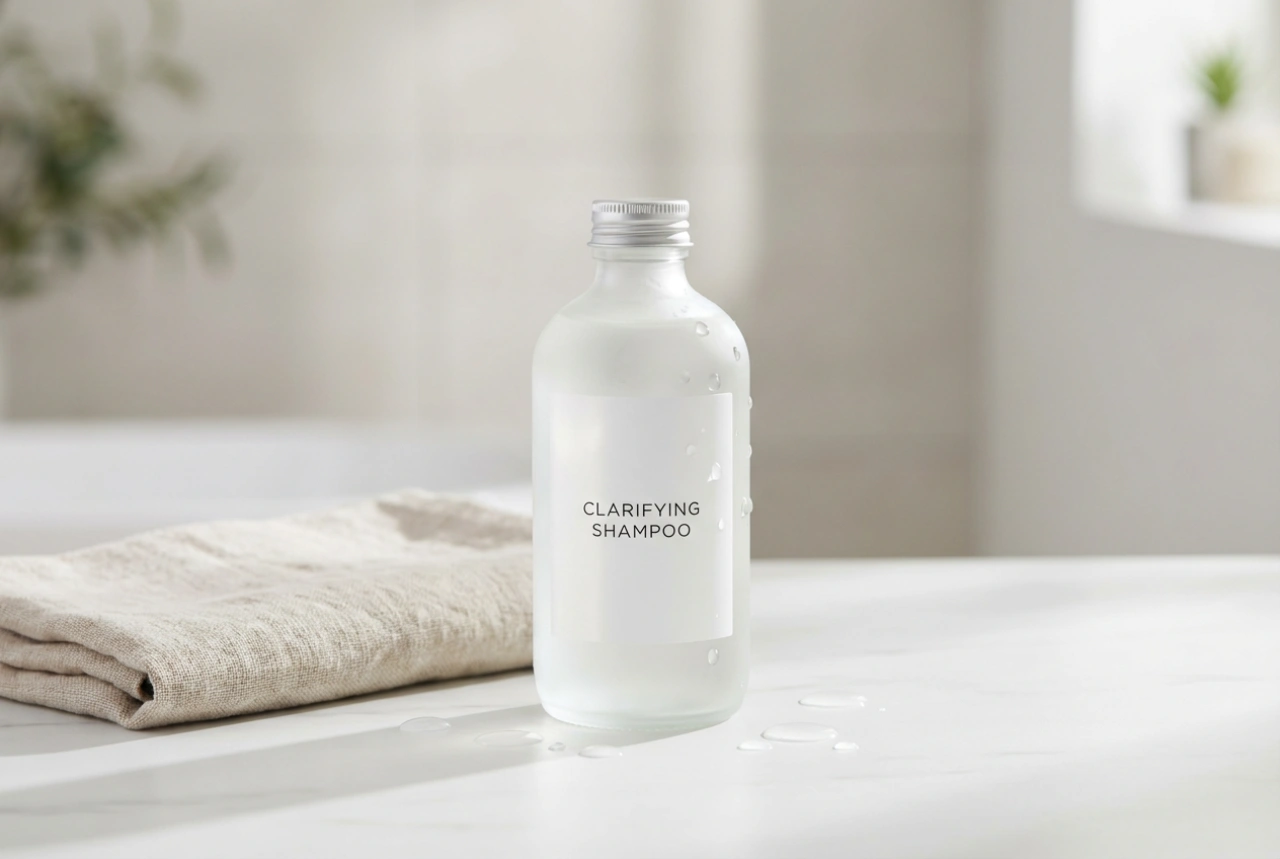
Stronger cleansing agents are highly effective at removing stubborn build-up from heavy styling waxes, silicones, and environmental pollutants. While they offer a very thorough cleanse and rich foam, using them too frequently can strip away the natural oils that protect your hair and scalp. They are best reserved for occasional clarifying washes rather than daily use.
Gentle and Natural Surfactants
For regular washing, milder alternatives derived from natural sources, such as coconut or corn, are highly recommended. Ingredients such as coco-glucoside, decyl glucoside, and lauryl glucoside cleanse the hair gently without disrupting the delicate moisture barrier. These components help maintain softness and manageability, making them suitable for frequent use and delicate hair structures.
Tailoring Ingredients to Your Specific Hair Type
Every hair type has its own set of requirements. A formula that performs beautifully on fine, flat hair will look completely different from one designed to tame thick, dry waves. Matching the active ingredients to your specific hair needs is the secret to achieving optimal results.
Dry, Brittle, and Damaged Hair
If your hair feels rough or prone to breakage, it requires ingredients that restore moisture and elasticity. Look for rich emollients and plant oils, such as argan oil, jojoba oil, or avocado butter, which help coat the hair shaft and lock in hydration. Humectants like glycerin, aloe vera, and panthenol are also vital, as they draw moisture from the air directly into the hair fibres to keep them supple.
Fine and Volume-Lacking Hair
Fine hair can easily become weighed down by heavy oils and butters. Instead, opt for lightweight formulations containing hydrolyzed proteins, such as wheat, silk, or rice proteins. These micro-particles temporarily attach to the hair cuticle, filling in structural gaps and giving each strand a thicker, more voluminous appearance without adding greasy weight.
Oily Hair and Scalp Balance
When the scalp produces excess sebum, the hair can look limp and flat quickly. In this case, shampoos featuring herbal and botanical extracts are excellent choices. Ingredients like rosemary, green tea, nettle, and mint help to refresh the scalp, regulate excess oiliness, and prolong the clean, bouncy feeling of your hair between washes.
Deciphering the Ingredient List (INCI)
The ingredient list, known as the INCI (International Nomenclature of Cosmetic Ingredients), can initially look intimidating, but it follows a strict and logical order. Ingredients are always listed in descending order of concentration. The elements present in the highest quantities appear at the very top of the list, while those at the bottom are present in very low concentrations, usually under one percent.
Typically, water (aqua) is the first ingredient, followed immediately by the primary and secondary surfactants. The middle section of the list is where you will find the "stars" of the formulation—the botanical extracts, vitamins, proteins, and nourishing oils that define the product's specific benefits. Preservatives, stabilizers, and natural fragrances generally occupy the final lines of the list. Understanding this structure prevents you from being misled by marketing claims, allowing you to verify if a highly advertised botanical ingredient is actually present in a meaningful amount.
The Role of pH in Hair Care
An often overlooked aspect of selecting a high-quality shampoo is its pH level. The natural pH of the hair and scalp is slightly acidic, typically resting between 4.5 and 5.5. A shampoo with a compatible, slightly acidic pH helps to keep the hair cuticle closed and flat. This smooth surface reflects more light, resulting in enhanced natural shine, reduced frizz, and less vulnerability to external damage. Look for formulations that mention being pH-balanced to ensure they work in harmony with your body’s natural chemistry.
Creating a Balanced Hair Care Routine
Finding your ideal shampoo is only the first step; how you use it matters just as much. For many, a dual-shampoo approach works wonders. This involves using a mild, hydrating shampoo for regular washes and introducing a more clarifying formula once every week or two to thoroughly refresh the scalp. Always follow your shampoo with a suitable conditioner applied to the mid-lengths and ends to seal in moisture and protect the hair fibres from daily wear and tear.