

Effective facial cleansing is the cornerstone of any successful skincare routine. It’s the essential first step that removes daily grime, excess oil, and makeup, preparing the skin for subsequent care. Among the myriad of cleansers available, natural face wash gels have gained immense popularity for their lightweight texture and ability to cleanse thoroughly without causing dryness. Understanding how to choose and use one correctly can significantly improve your skin's health and appearance, revealing a balanced and radiant complexion.
What Defines a 'Natural' Cleansing Gel?
The term 'natural' in cosmetics often refers to products formulated with a high concentration of ingredients derived from plant, mineral, or other natural sources. When it comes to a cleansing gel, this typically means a focus on gentle, skin-friendly components that work in harmony with your skin's biology. Instead of harsh detergents that can strip the skin of its protective oils, these gels often utilise milder cleansing agents sourced from coconuts or sugar. These agents effectively lift away impurities while respecting the delicate balance of the skin.
Key components you might find in such formulations include:
- Botanical Extracts: Ingredients like chamomile, green tea, or aloe vera are frequently included for their soothing and calming properties. They help to reduce the feeling of sensitivity and provide antioxidant benefits.
- Humectants: Natural humectants like glycerine or hyaluronic acid help the skin retain moisture. Their presence in a cleanser ensures that your face feels soft and hydrated after washing, not tight and uncomfortable.
- Gentle Surfactants: The cleansing action comes from surfactants. In natural gels, these are typically mild compounds that create a soft lather sufficient to clean the skin without disrupting its protective barrier.
Choosing a 'natural' gel is about opting for a thoughtful formulation that prioritises skin health over aggressive cleansing, making it a suitable choice for many skin types, from oily to sensitive.
The Critical Role of pH in Your Cleanser
One of the most important, yet often overlooked, aspects of a facial cleanser is its pH level. The pH scale measures how acidic or alkaline a substance is, ranging from 0 (most acidic) to 14 (most alkaline). Healthy skin has a naturally acidic surface, known as the acid mantle, with a pH typically between 4.5 and 5.5. This acidity is a crucial part of the skin's protective barrier, helping to ward off harmful microorganisms and lock in moisture.
When you use a cleanser with a high pH (alkaline), such as a traditional bar of soap, it can disrupt this delicate acid mantle. This disruption can lead to a feeling of 'squeaky clean' which is actually a sign of stripping the skin's natural oils. Over time, this can result in dryness, irritation, tightness, and a compromised skin barrier that is more vulnerable to environmental stressors. A well-formulated face wash gel should be pH-balanced, meaning its pH is close to that of the skin. This ensures that it cleanses effectively without disturbing the skin’s natural defences, helping to maintain its strength and resilience.
The Correct Technique for Cleansing with a Gel
Using the right product is only half the battle; the correct technique is just as vital for achieving the best results. A gentle, methodical approach will ensure you get a thorough cleanse without causing unnecessary irritation.
Follow these steps for an optimal cleanse:
- Start with Clean Hands: Before touching your face, always wash your hands thoroughly to avoid transferring dirt and bacteria.
- Dampen Your Face: Splash your face with lukewarm water. Water that is too hot can strip the skin of its natural oils, while water that is too cold can be less effective at dissolving impurities.
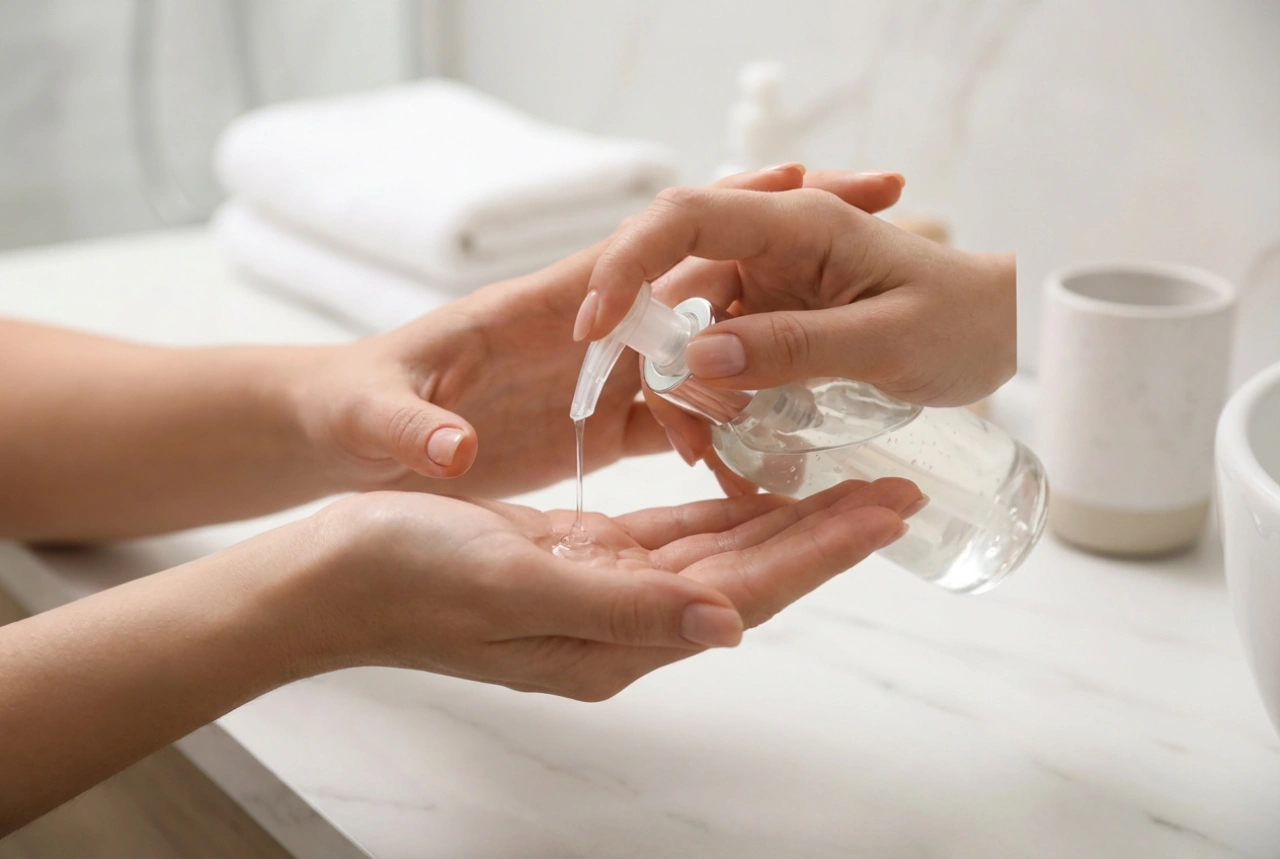
- Use a Small Amount: You only need a small, pea-sized amount of cleansing gel. Dispense it into your palm.
- Create a Lather: Rub your palms together with a little water to emulsify the gel and create a light lather. Applying the foam to your face is gentler than applying the concentrated gel directly.
- Massage Gently: Using your fingertips, apply the lather to your face and massage in slow, circular motions for about 60 seconds. Focus on all areas, including the sides of your nose, your hairline, and your jawline, but be careful not to pull or tug at the skin.
- Rinse Thoroughly: Rinse your face completely with lukewarm water until no residue remains. Lingering cleanser can lead to dryness or clogged pores.
- Pat Dry: Gently pat your face dry with a clean, soft towel dedicated solely to your face. Avoid rubbing, as this can cause irritation.
Common Cleansing Mistakes to Avoid
Even with the best intentions, it's easy to fall into habits that can hinder your skin's health. Being mindful of these common mistakes can make a significant difference.
- Over-Washing: Cleansing more than twice a day is usually unnecessary and can lead to a compromised skin barrier and increased oil production as the skin tries to compensate for the dryness.
- Scrubbing Too Hard: Your cleanser should do the work, not aggressive scrubbing. Be gentle and let the product dissolve impurities without harsh physical friction.
- Using Hot Water: While it might feel pleasant, hot water is a major culprit in stripping the skin’s essential lipids, leading to dehydration and sensitivity.
- Neglecting the Neck and Décolletage: These areas are just as exposed to environmental pollutants as your face and should be included in your cleansing routine.
- Using a Dirty Towel: A damp towel is a breeding ground for bacteria. Using a fresh, clean towel is crucial to prevent re-introducing impurities onto your freshly cleansed skin.
By mastering the fundamentals of cleansing—choosing a pH-balanced natural gel and using a gentle technique—you lay the perfect foundation for healthy, glowing skin.