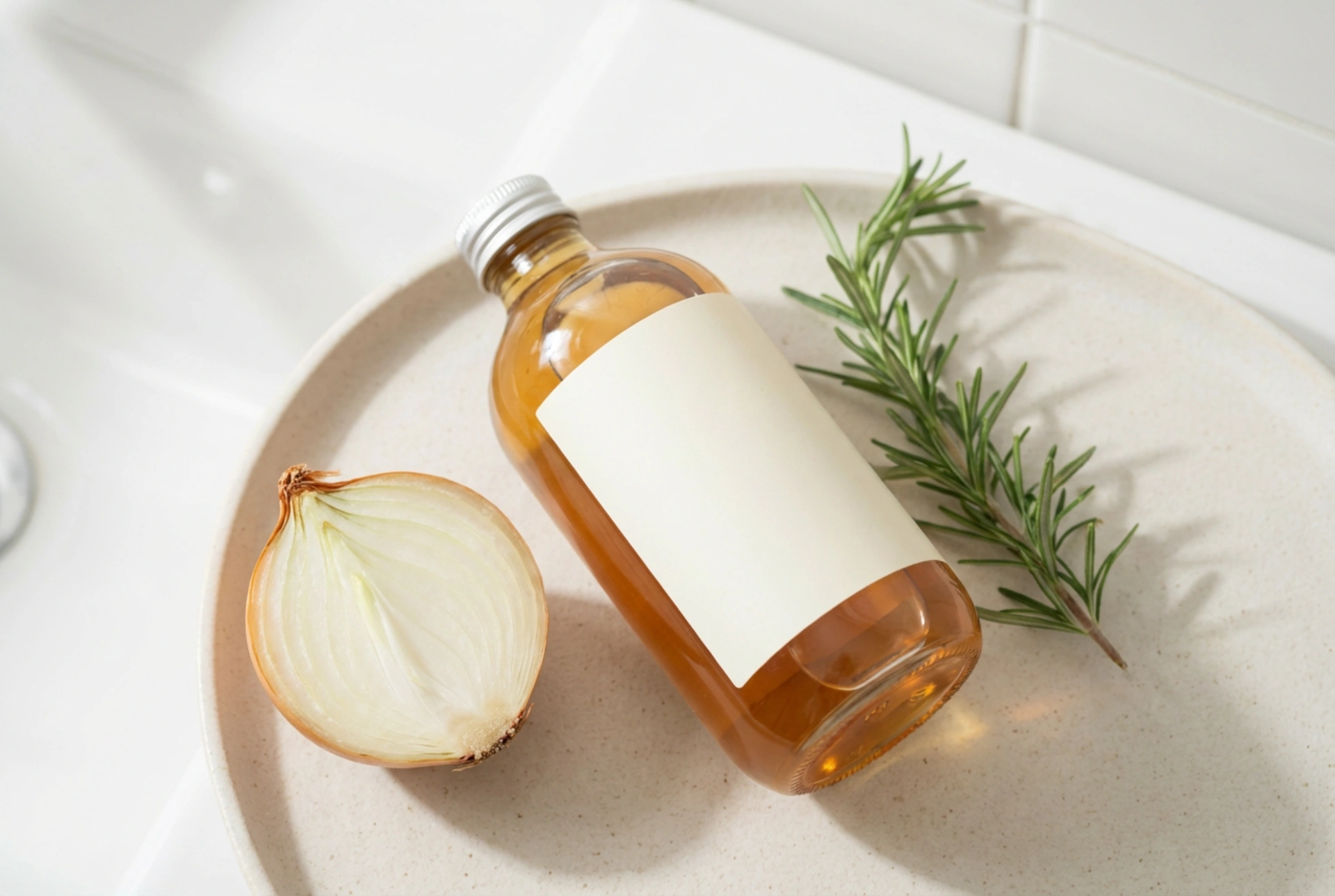


The use of onion in hair care is a practice with deep roots in traditional beauty routines around the world. Valued for its rich profile of compounds, onion extract has found its way into many homemade remedies and, more recently, commercially available shampoos. However, one significant hesitation for many is its potent and distinctive smell. The good news is that with the right technique and a few simple tricks, you can reap the cosmetic benefits for your hair while leaving the pungent aroma behind. This guide will walk you through how to use onion shampoo effectively and manage its scent.
The Appeal of Onion in Hair Care
Before diving into the 'how,' it's helpful to understand the 'why.' Onion is a natural source of sulphur, a mineral that is a key component of keratin, the protein that makes up most of our hair strands. A sufficient level of this component is important for maintaining the hair's structure, strength, and elasticity. By supporting the hair's natural composition, regular use of well-formulated onion-based products can contribute to hair that appears fuller, stronger, and more resilient. Additionally, onions are packed with antioxidants, which help protect the hair and scalp from environmental stressors like pollution and UV radiation. These properties combined make it an intriguing ingredient for those seeking to enhance their hair's natural lustre and vitality through cosmetic care.
A Step-by-Step Guide to Application
To get the most out of your onion shampoo, a correct application method is key. This not only helps with effectiveness but is also the first step in managing the scent. Whether you are using a store-bought formula or a carefully prepared home mixture, follow these steps for a better experience.
- Start with a Patch Test: Before applying any new product to your entire scalp, it's wise to perform a patch test. Apply a small amount of the shampoo to a discreet area of skin, like behind your ear or on your inner elbow, and wait 24 hours to ensure no sensitivity occurs.
- Wet Hair Thoroughly: Begin with thoroughly soaking your hair in lukewarm water. This helps to open the hair cuticles slightly, allowing the shampoo to cleanse more effectively.
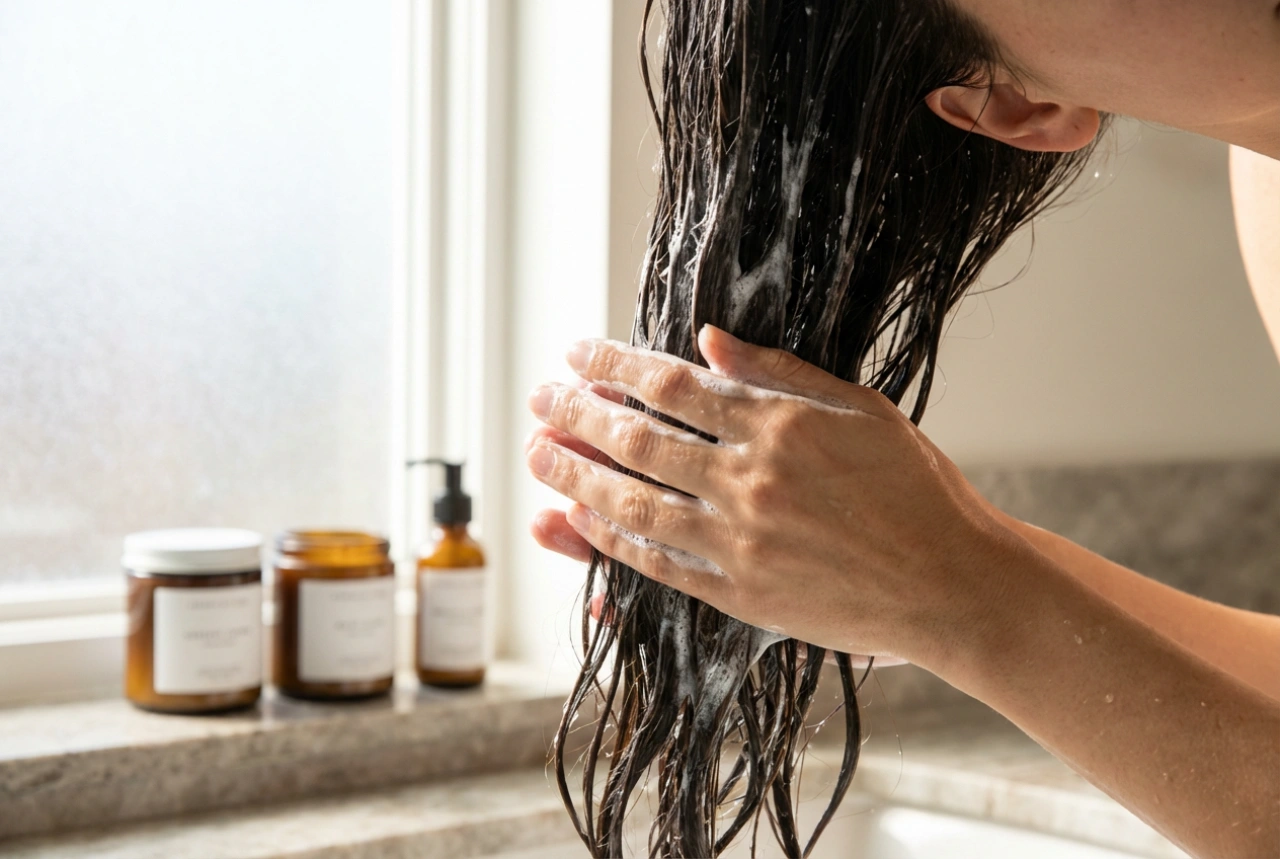
- Focus on the Scalp: Take a small amount of shampoo and apply it directly to your scalp. This is where the hair follicles are, and it's the primary area you want to target. Using your fingertips (not your nails), gently massage the shampoo into your scalp with circular motions for a minute or two. This not only cleanses but also helps to stimulate circulation.
- Work Down the Lengths: As you rinse, the lather will run down the lengths of your hair, which is usually sufficient to cleanse them without causing unnecessary dryness. There's no need to apply large amounts of shampoo directly to the ends of your hair.
- Rinse, Rinse, Rinse: This is arguably the most important step for scent control. Rinse your hair meticulously with lukewarm water until you feel no residue left. Any remaining shampoo is what's most likely to leave a lingering odour.
How to Effectively Minimise the Onion Scent
If the fear of smelling like a salad bar is holding you back, these proven methods will help neutralise the odour and leave your hair smelling fresh and clean.
The Power of a Final Rinse
An acidic rinse is one of the most effective ways to deodorise hair and provides the added benefit of sealing the hair cuticle, which enhances shine and reduces frizz. After completely rinsing out your shampoo and conditioner, use a final rinse made from diluted apple cider vinegar (ACV) or lemon juice. A good ratio is one tablespoon of ACV or lemon juice mixed into a litre of water. Pour it over your hair, making sure to cover all strands, and leave it in. The slight vinegar or citrus smell will dissipate completely as your hair dries, taking any remaining onion scent with it.
Follow with a Fragrant Conditioner
Never skip conditioner after using an onion shampoo. A good quality, fragrant conditioner will not only restore moisture and softness to your hair but its scent will also effectively mask any faint, residual onion smell. Apply your favourite conditioner from the mid-lengths to the ends, leave it on for a few minutes as directed, and rinse thoroughly.
Incorporate Essential Oils
A few drops of essential oil can make a world of difference. You can add them to your shampoo bottle, your conditioner, or your final acidic rinse. Oils like rosemary, lavender, peppermint, and tea tree are excellent choices as they have pleasant, strong scents and offer their own cosmetic benefits for the scalp and hair. For example, rosemary is often used to create a feeling of freshness on the scalp. Always use essential oils sparingly—two to three drops is usually enough.
Common Pitfalls to Avoid
To ensure your experience with onion shampoo is positive, be mindful of a few common mistakes. Firstly, avoid overuse. Due to its potent nature, using it one to two times a week is generally sufficient for most people. Secondly, don't leave the shampoo on your scalp for an extended period; treat it like a regular shampoo and rinse after a few minutes to prevent potential irritation and a stronger odour. Finally, listen to your scalp. If you experience any persistent discomfort or irritation, discontinue use. Cosmetic care is about enhancing your hair's appearance, and finding what works best for you may require some patience and observation.