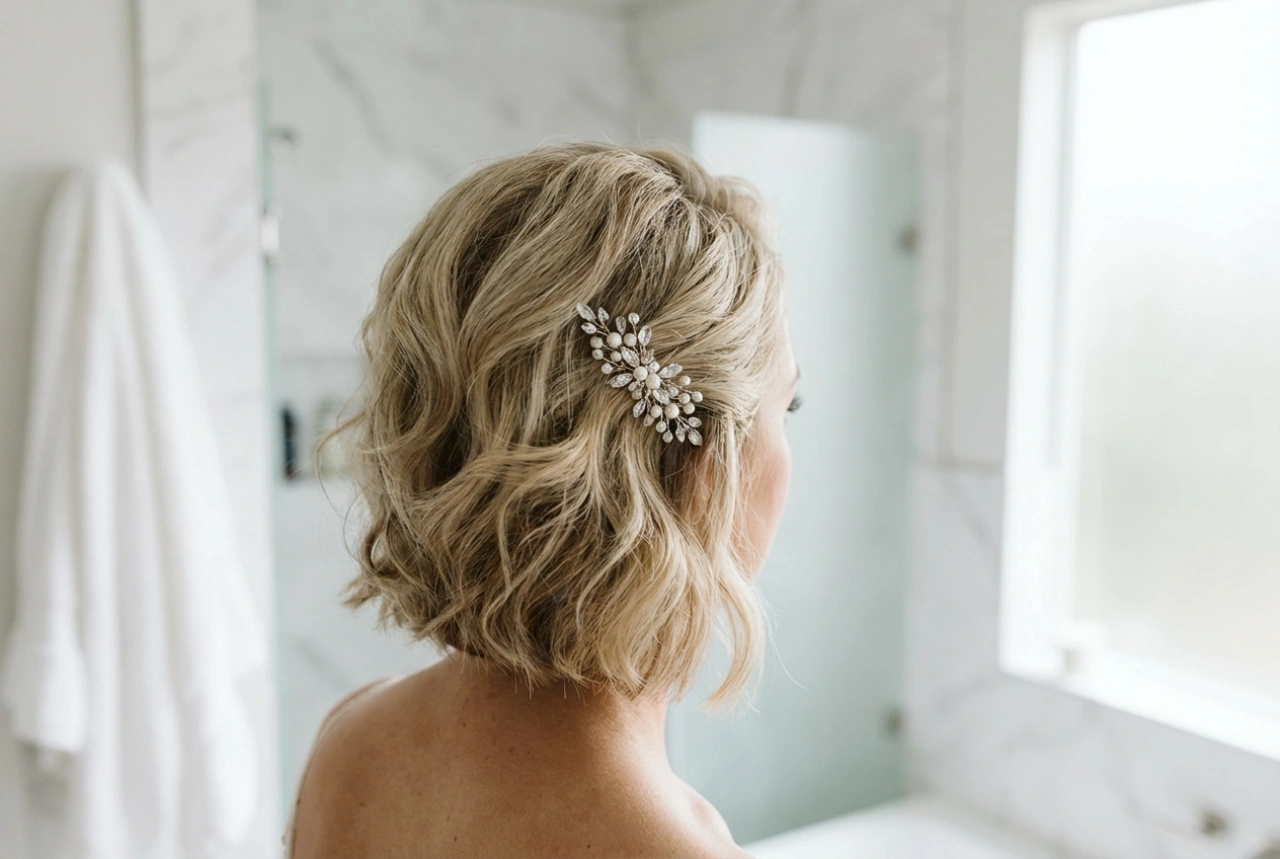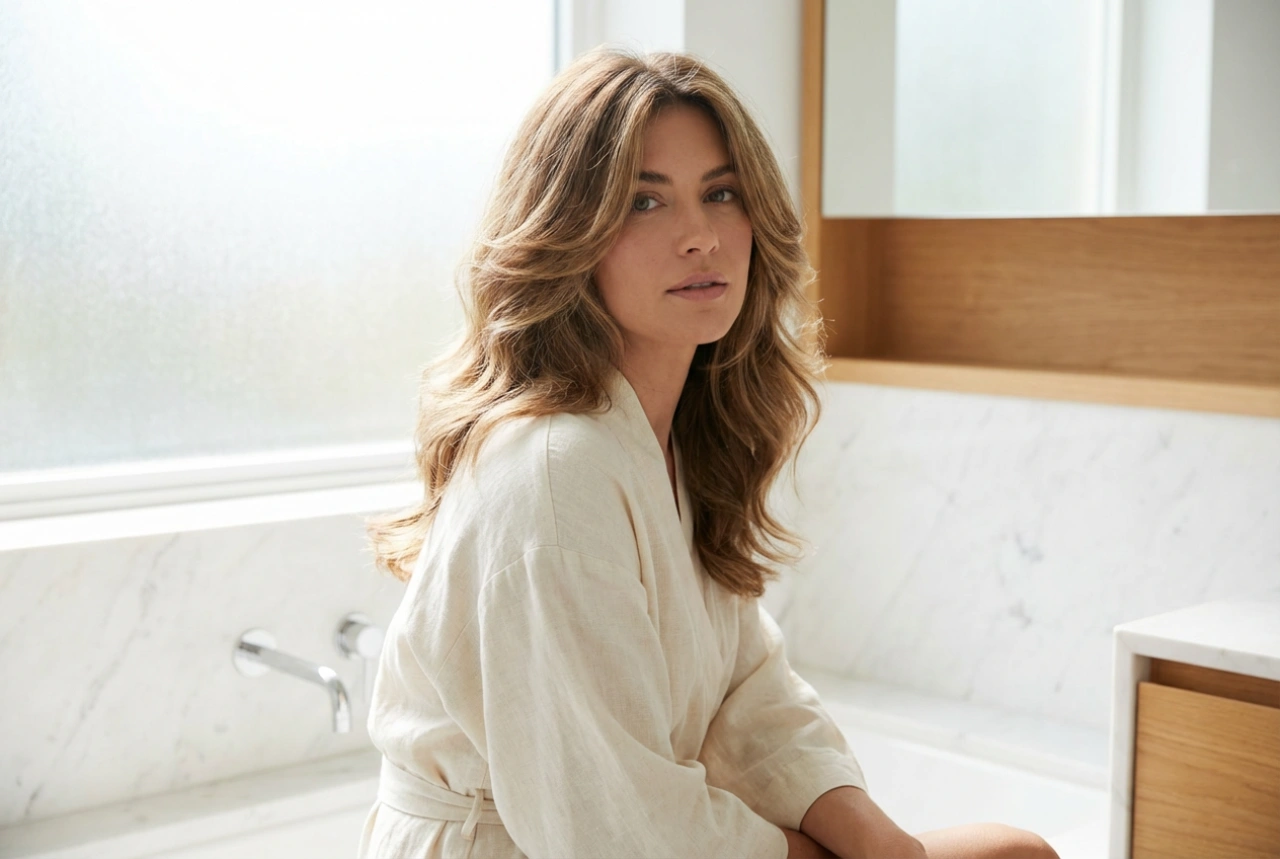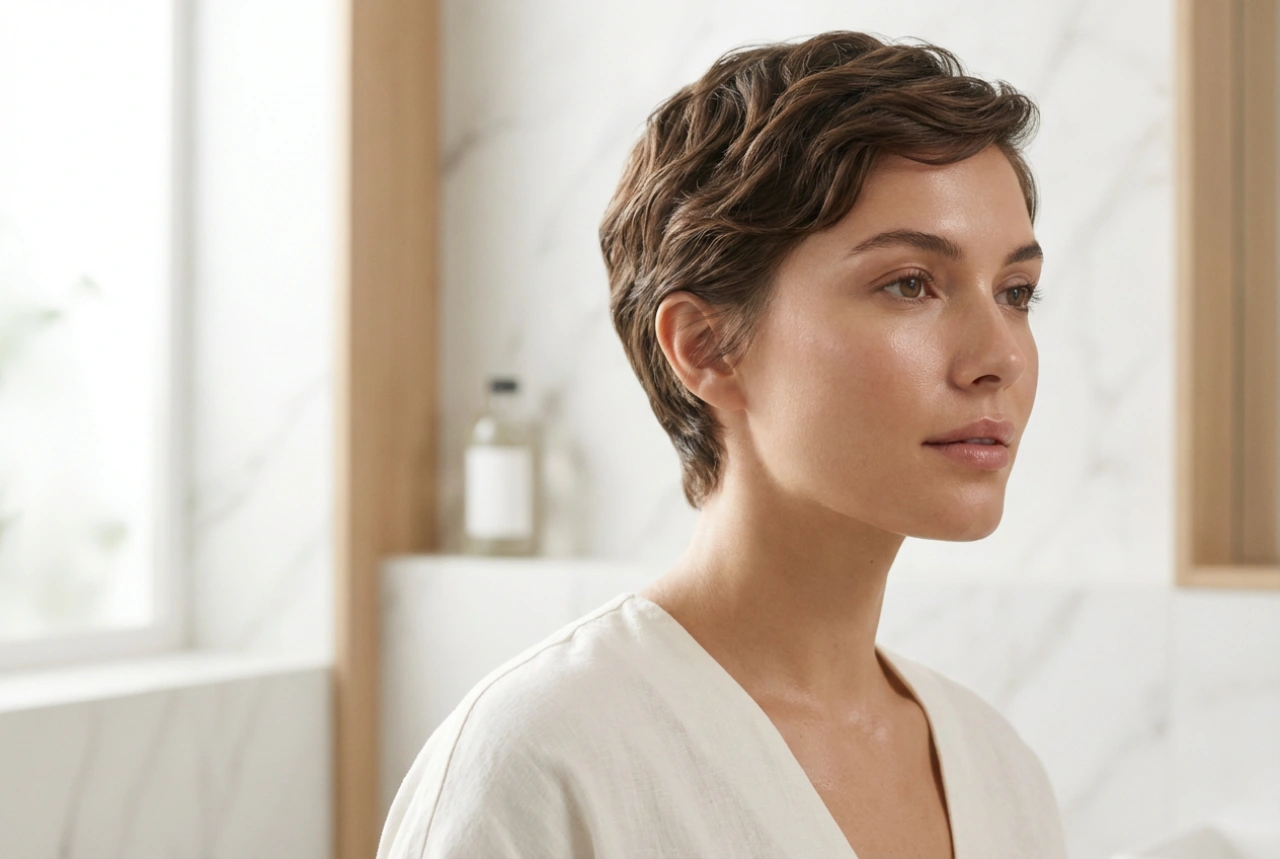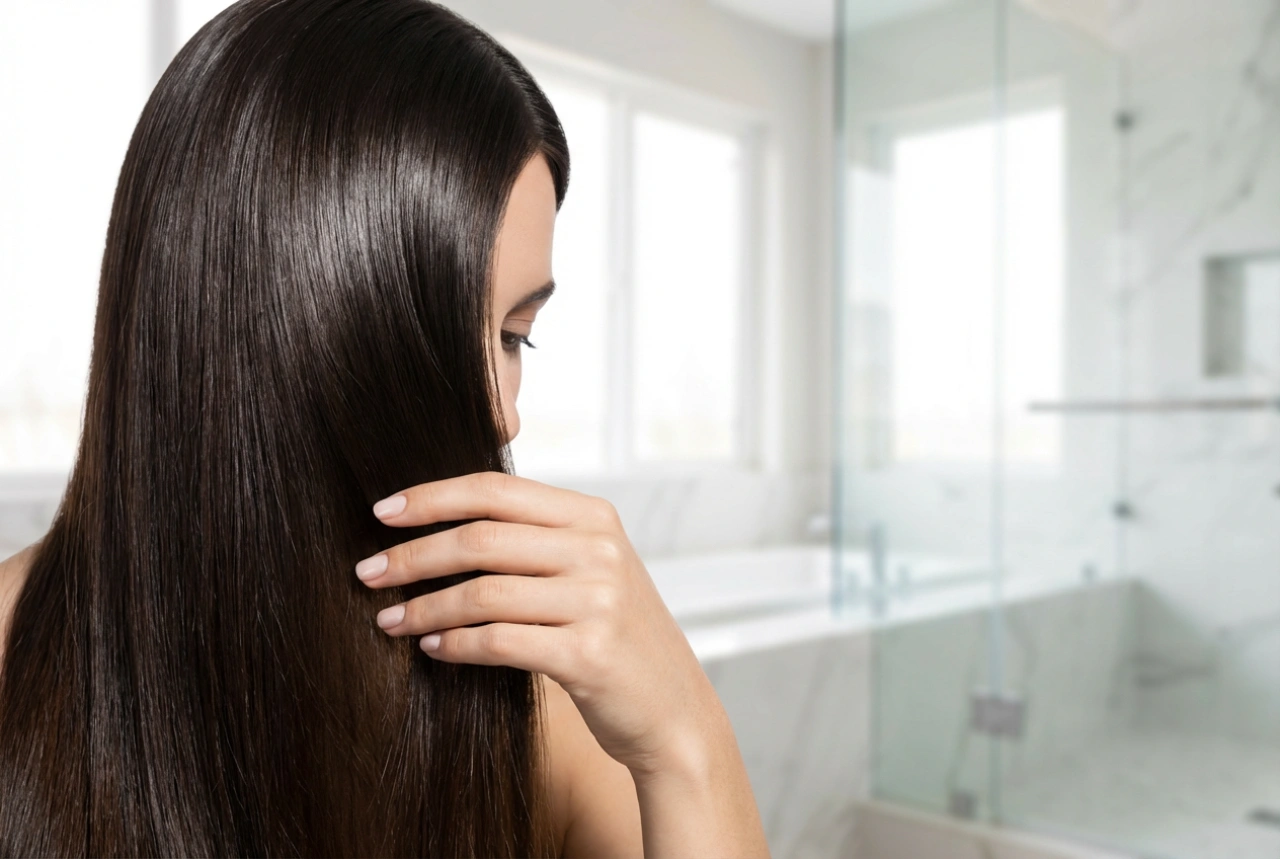


Achieving a salon-quality blowout at home can often feel like a demanding task, requiring a level of coordination that takes years to master. When we see soft, medium-length hair catching the light with a natural, polished shine, it is usually the result of a careful combination of heat, tension, and movement. For those looking to simplify their daily styling routine, the rotating hair dryer brush has emerged as a highly effective home styling companion. By merging the drying power of a traditional blow dryer with the shaping capability of a round brush, this innovative tool allows you to guide a sleek rotating barrel through your locks, creating a smooth, voluminous finish with minimal effort.
What Is a Rotating Hair Dryer Brush?
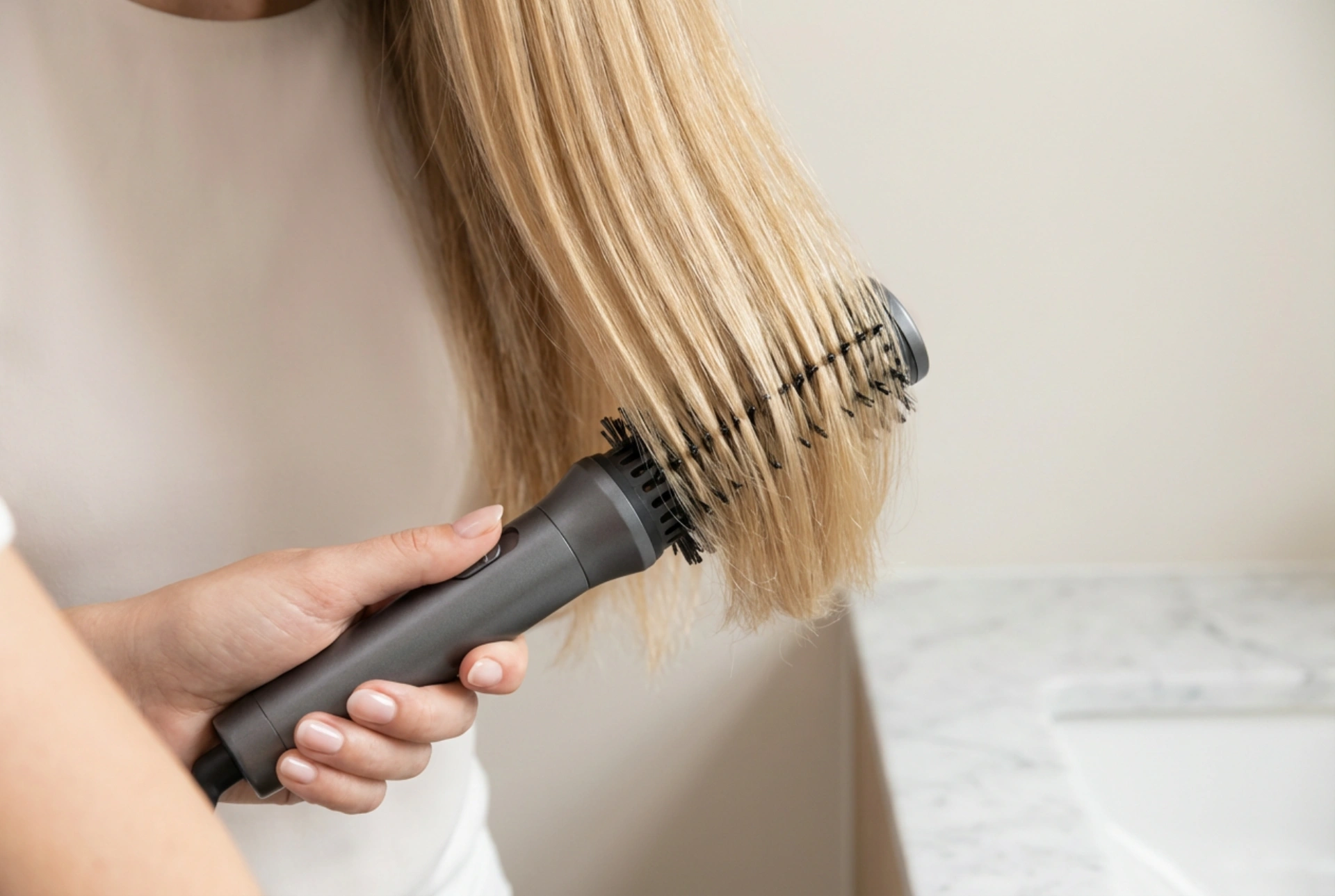
A rotating hair dryer brush is a multi-functional beauty tool designed to dry and style hair simultaneously. Unlike standard hot air brushes that remain stationary, this device features a motorized barrel that spins automatically at the touch of a button. Most models offer dual-direction rotation, allowing you to easily curl your hair inwards towards your face or outwards for a more winged, bouncy look.
The mechanism behind the tool is designed to mimic the professional twisting motion of a hair stylist’s wrist. As the barrel rotates, the bristles grip the hair gently, creating the perfect amount of tension needed to smooth the hair cuticle. This action helps to seal in moisture, align the hair strands, and reflect natural light, resulting in a healthy-looking gloss and significant reduction in static and frizz.
Who Will Benefit Most From This Tool?
While the rotating hair dryer is a versatile device, it works exceptionally well for specific hair types and styling needs. Understanding whether this tool fits your hair profile can help you achieve the best possible results at home.
- Fine and Flat Hair: If your hair tends to look limp and lacks volume, the automatic rotation is excellent for lifting the hair right at the roots. It creates a lightweight, airy body that lasts throughout the day.
- Medium to Long Hair: Hair that falls around the shoulders or longer is ideal for this tool, as there is enough length for the rotating bristles to grip and glide through smoothly.
- Beginners and Busy Individuals: If you find it challenging to coordinate a heavy blow dryer in one hand and a round brush in the other, this single-handed tool simplifies the process, cutting down styling time significantly.
- Frizz-Prone Hair: For those whose hair is prone to flyaways, the consistent tension and heat distribution of the rotating brush work together to smooth down the outer layer of the hair, providing a polished, sleek texture.
A Step-by-Step Guide to Using a Rotating Brush Safely
Using a rotating hair dryer brush requires a small amount of practice to master the rotation buttons. Following a structured technique will ensure you achieve a gorgeous blowout while keeping your hair healthy and protected.
1. Start with Damp, Detangled Hair
Never use a rotating brush on soaking wet hair. Because the tool applies direct heat and tension, wet hair is too fragile and prone to stretching or breaking. Instead, allow your hair to air-dry naturally or rough-dry it with a standard hair dryer until it is about 70% to 80% dry. Ensure you gently detangle your hair with a wide-tooth comb before starting.
2. Apply Heat Protection
To maintain the health of your hair, always apply a lightweight heat protectant spray or cream evenly through your damp strands. This creates a protective barrier that minimizes heat damage and enhances the final shine.
3. Section Your Hair
Divide your hair into manageable sections. Working with smaller sections ensures that the heat is distributed evenly and prevents the brush from getting tangled. Secure the top sections of your hair with clips and start styling from the bottom layers upwards.
4. Guide the Brush and Control the Rotation
Take a section of hair that is no wider than the brush barrel. Place the brush near the roots, activate the rotation, and let the tool gently pull the hair taut. Slowly glide the brush down to the ends of your hair. If you want to create volume at the root, hold the rotating brush close to the scalp for a few seconds before moving downwards. For a curled finish, let the ends wrap around the barrel and hold for a moment before releasing.
5. Finish with a Cool Shot
Many rotating brushes come with a cool air setting. Once a section is styled and dry, switch to the cool setting for a few seconds. The drop in temperature helps to set the shape, lock in the volume, and enhance the overall shine of your blowout.
Essential Tips for Perfect Home Styling
To get the most out of your rotating brush while preserving your hair’s natural elasticity, keep these practical tips in mind. First, pay close attention to the size of the brush attachment. Larger barrels (around 50mm) are perfect for creating soft, voluminous waves and straightening longer hair, while smaller barrels (around 30mm to 40mm) are better suited for shorter lengths, styling fringes, or creating tighter curls.
Additionally, always choose the appropriate heat setting for your hair type. Fine or damaged hair should always be styled using the lowest heat setting to prevent moisture loss, while thicker, coarser hair may require a medium or higher temperature to properly shape the strands. Lastly, keep your tool clean. Regularly remove any trapped hair from the bristles and wipe down the barrel when cool to prevent styling product build-up, ensuring the device continues to glide smoothly through your hair.