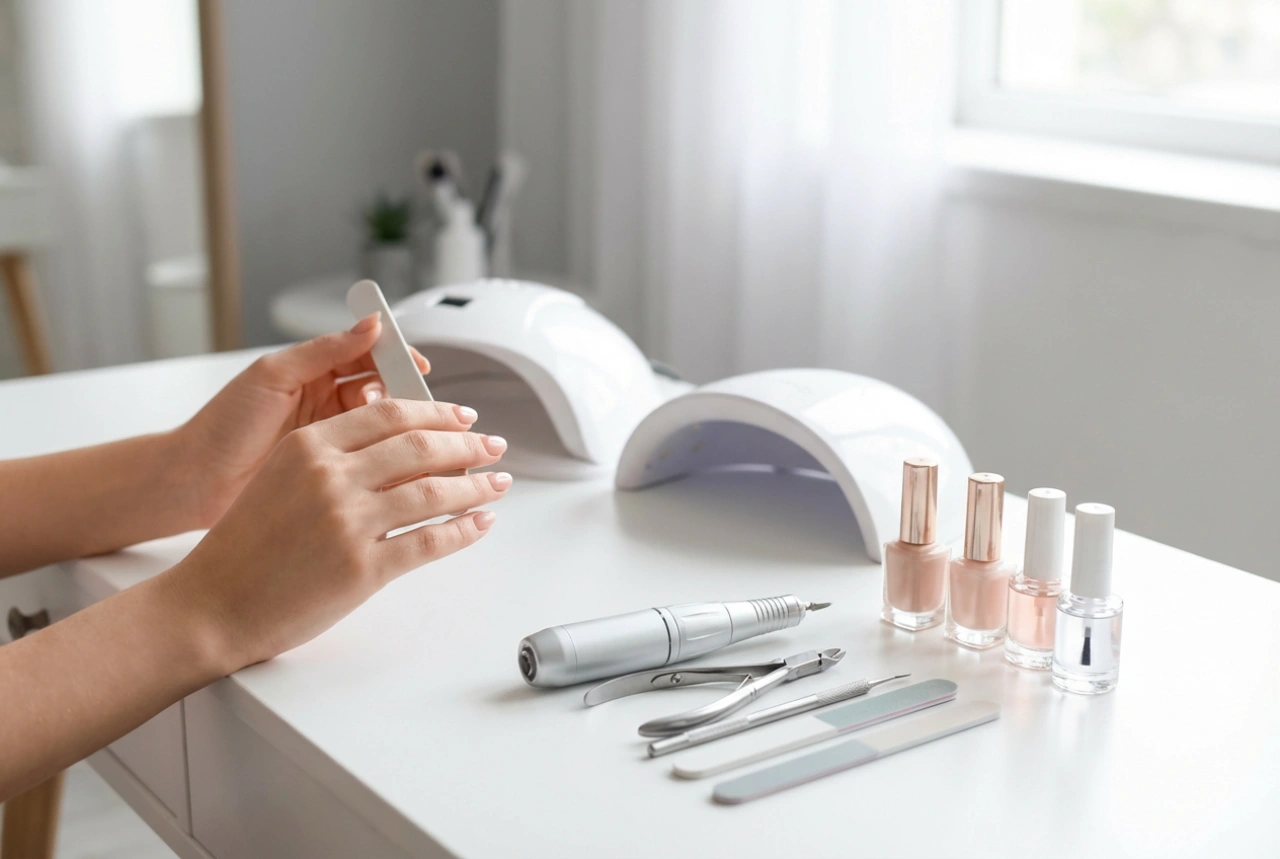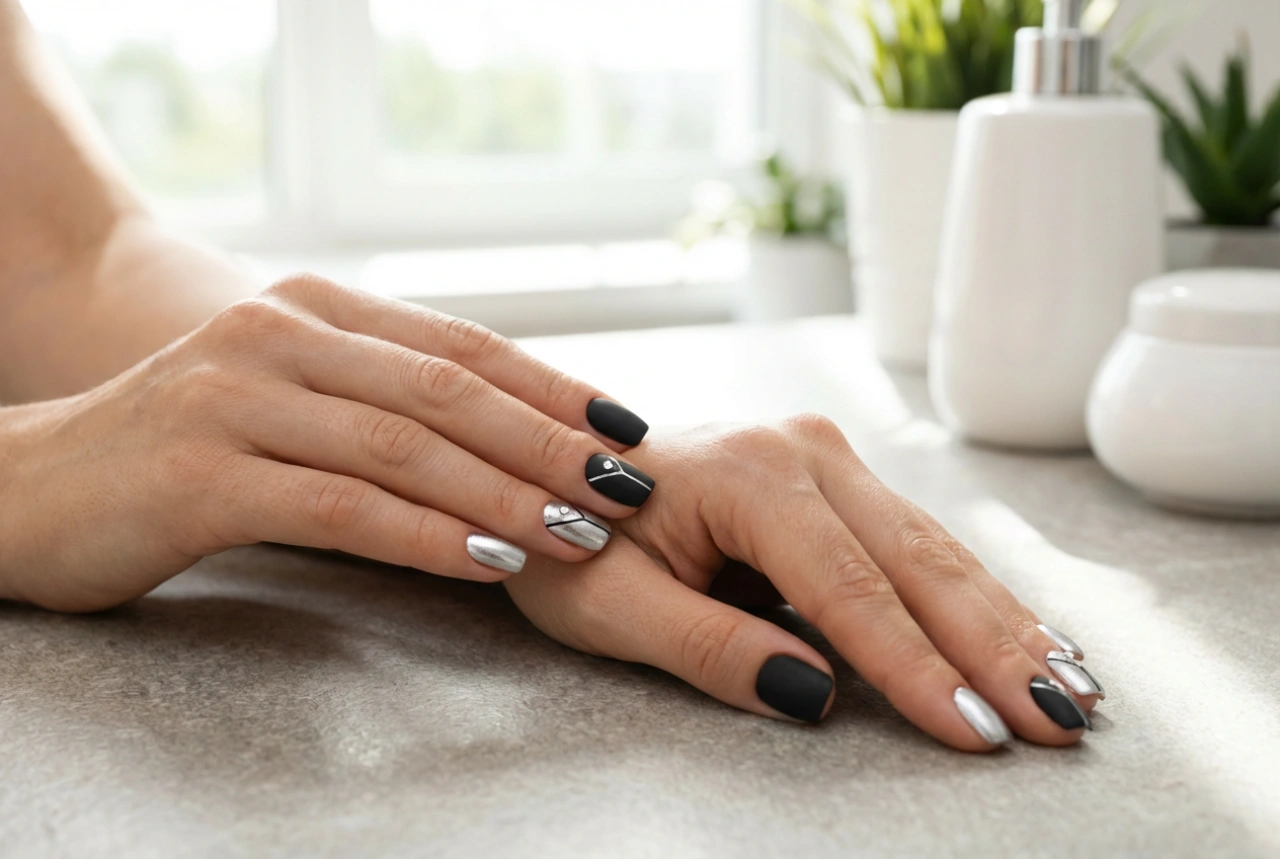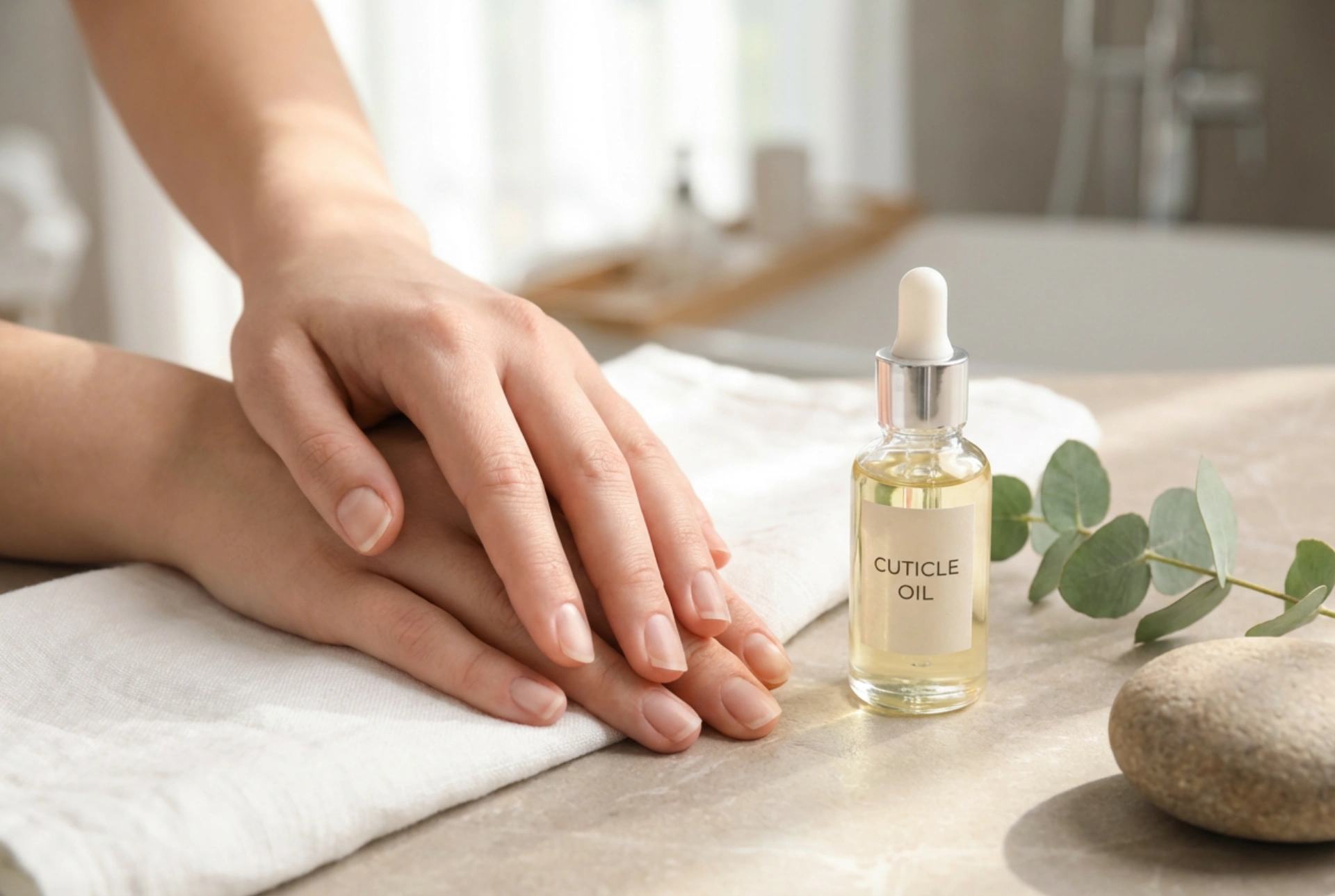


A serene moment of self-care is often the best remedy for nails that have lost their natural lustre. Looking at delicate hands with healthy, unpolished nails resting on a textured linen cloth, accompanied by a simple bottle of nourishing oil, reminds us of the power of gentle recovery. After months of wearing semi-permanent or gel polishes, the natural nail plate can often become thin, brittle, and prone to splitting. Taking a planned break from intensive styling is not a sign of giving up on beauty, but rather an essential step in maintaining long-term nail wellness and restoring their natural strength.
The Impact of Constant Styling on the Nail Plate
Modern manicures offer incredible durability and flawless aesthetics, but the continuous cycle of application and removal can eventually take a toll on the nail structure. The natural nail consists of multiple layers of keratinised cells, which require adequate moisture and flexibility to remain resilient. During the removal process of gel polishes—whether using chemical solvents or mechanical files—the top layers of the nail plate can easily become compromised.
A temporary styling break allows the nail matrix, which is located beneath the cuticle, to produce new, healthy cells without the weight and airtight barrier of synthetic products. When we observe signs of thinning, peeling, or white spots on the surface, it is a clear signal from our body that a period of cosmetic restoration is highly recommended. This transition period is an excellent opportunity to focus on deep hydration and protective home care routines.
Essential Steps for Cosmetic Restoration During a Break
Restoring damaged nails requires a systematic approach focused on nourishment and gentle protection. During this styling hiatus, the goal is to reinforce the existing plate and promote healthy growth from the root. Here are the core practices to integrate into your daily beauty ritual:
- Shortening the nails: Keeping the nails short and rounded reduces the leverage on weak plates, preventing painful tears and further splitting. Use a gentle glass or paper file rather than metal tools.
- Intensive moisturisation: Natural oils are exceptionally effective at penetrating the nail layers to restore flexibility. Regularly massaging a drop of nourishing cuticle oil into the base of the nail stimulates blood circulation and delivers essential lipids.
- Protective barriers: Whenever performing household chores involving water or cleaning detergents, always wear protective gloves. Weakened nails absorb water easily, which causes them to expand and contract, leading to further peeling.
Key Cosmetic Ingredients for Nail Renewal
When selecting non-medicinal cosmetic products for nail recovery, focusing on specific active ingredients can greatly accelerate the visible improvement of the nail plate. Safe, universal cosmetic formulations work by forming a protective layer and replenishing moisture:
Natural Plant Oils
Oils such as sweet almond, jojoba, and castor oil are rich in fatty acids and vitamins. They mimic the natural sebum of the skin, softening the cuticles and adding a subtle, healthy shine to the unpolished nail plate. Regular application helps to lock in moisture, making the nails less brittle and more pliable.
Keratin and Proteins
Since the nail is primarily made of keratin, cosmetics containing hydrolysed proteins can temporarily fill in microscopic gaps on the nail surface. This smooths out rough textures and provides a temporary reinforcing shield while the natural nail grows out.
Vitamins E and Provitamin B5
These vitamins are famous for their conditioning properties. Panthenol (provitamin B5) binds moisture effectively, while Vitamin E acts as a powerful antioxidant, protecting the delicate regenerating cells of the nail matrix from environmental stressors.
The Role of Gentle Filing and Shaping
How we shape our nails during the recovery phase is just as important as what we apply to them. Standard metal files can create micro-cracks along the edge of the nail, which later develop into deep splits. Switching to a high-quality glass or crystal file is a small change that makes a significant difference. Always file in one direction rather than using a sawing motion, as this keeps the keratin layers sealed and prevents premature peeling. Keeping the edges smooth and slightly rounded prevents the nails from catching on fabrics, protecting them from physical trauma during daily activities.
Simple Home Rituals for Pampering Your Hands
Creating a soothing home ritual can make the transition to natural nails an enjoyable experience. A warm oil bath is one of the most effective, traditional cosmetic methods to deeply condition dry cuticles and brittle nails. Simply warm a small amount of olive oil or sweet almond oil to a comfortable, lukewarm temperature, add a few drops of lemon juice for natural brightness, and soak your fingertips for ten to fifteen minutes.
After the soak, gently massage the remaining oil into your hands and cuticles. Wrapping your hands in a warm, soft cotton towel for a few minutes allows the active lipids to absorb deeply, leaving your skin incredibly soft and your nails visibly hydrated. Regularity is key; performing this simple ritual once or twice a week during your styling break will yield beautiful, natural results that prove healthy nails do not need to be hidden under layers of polish to look elegant.