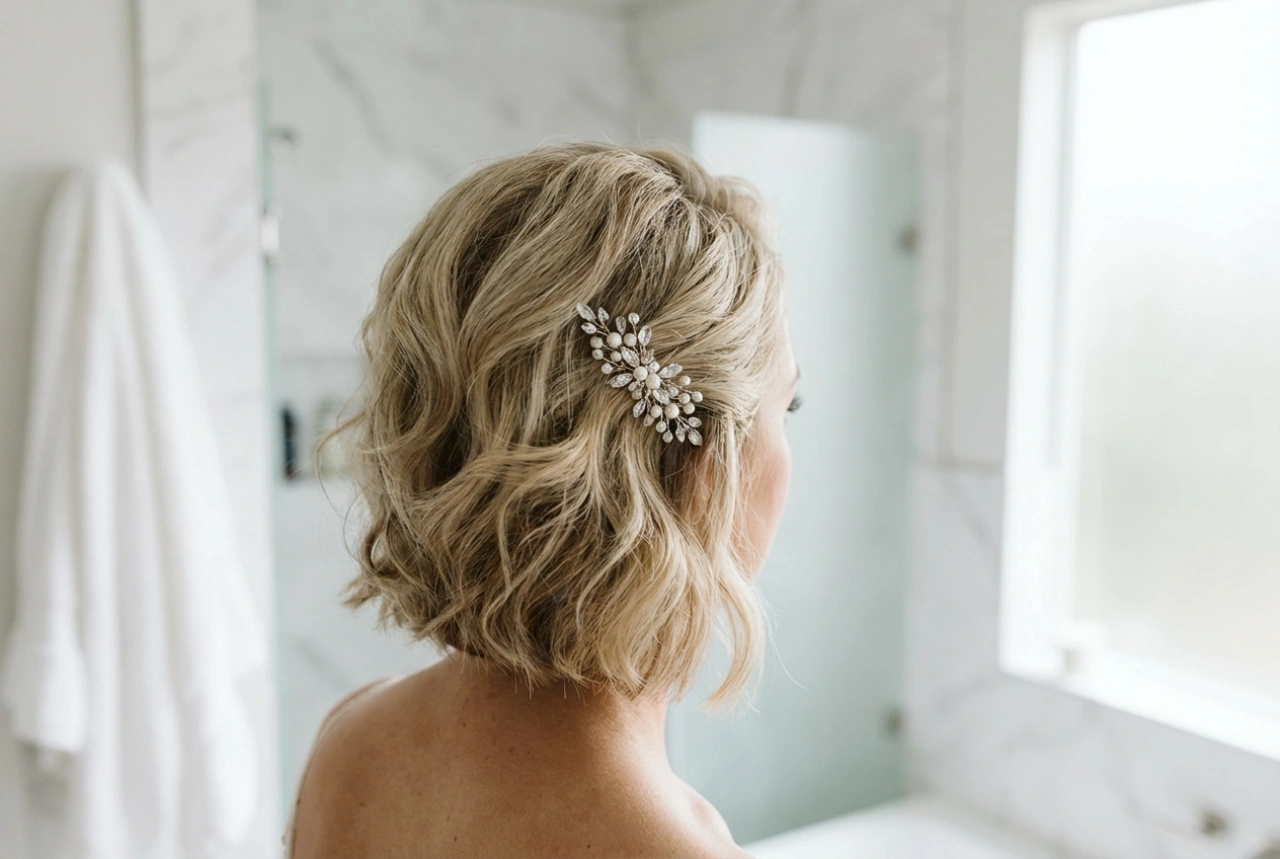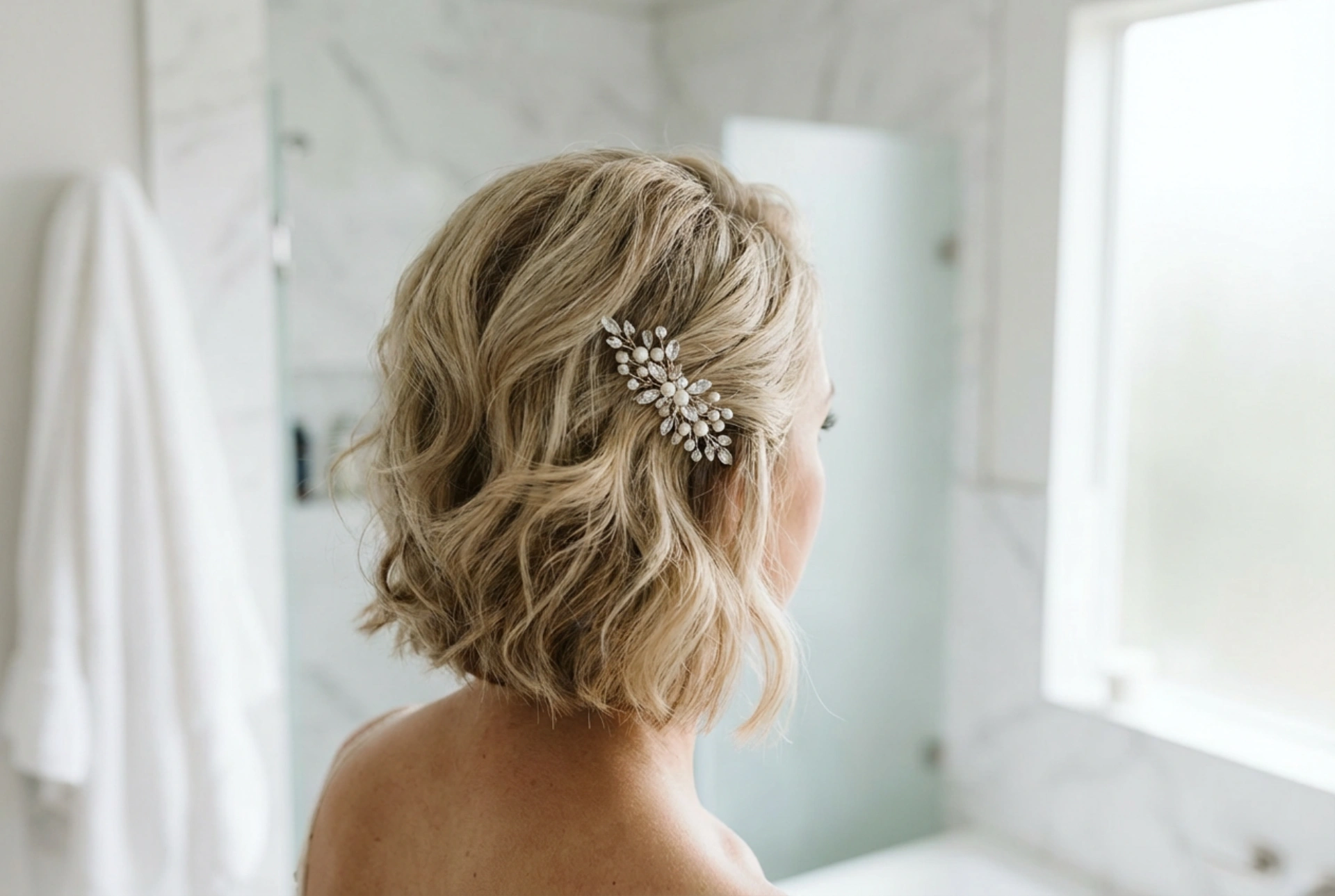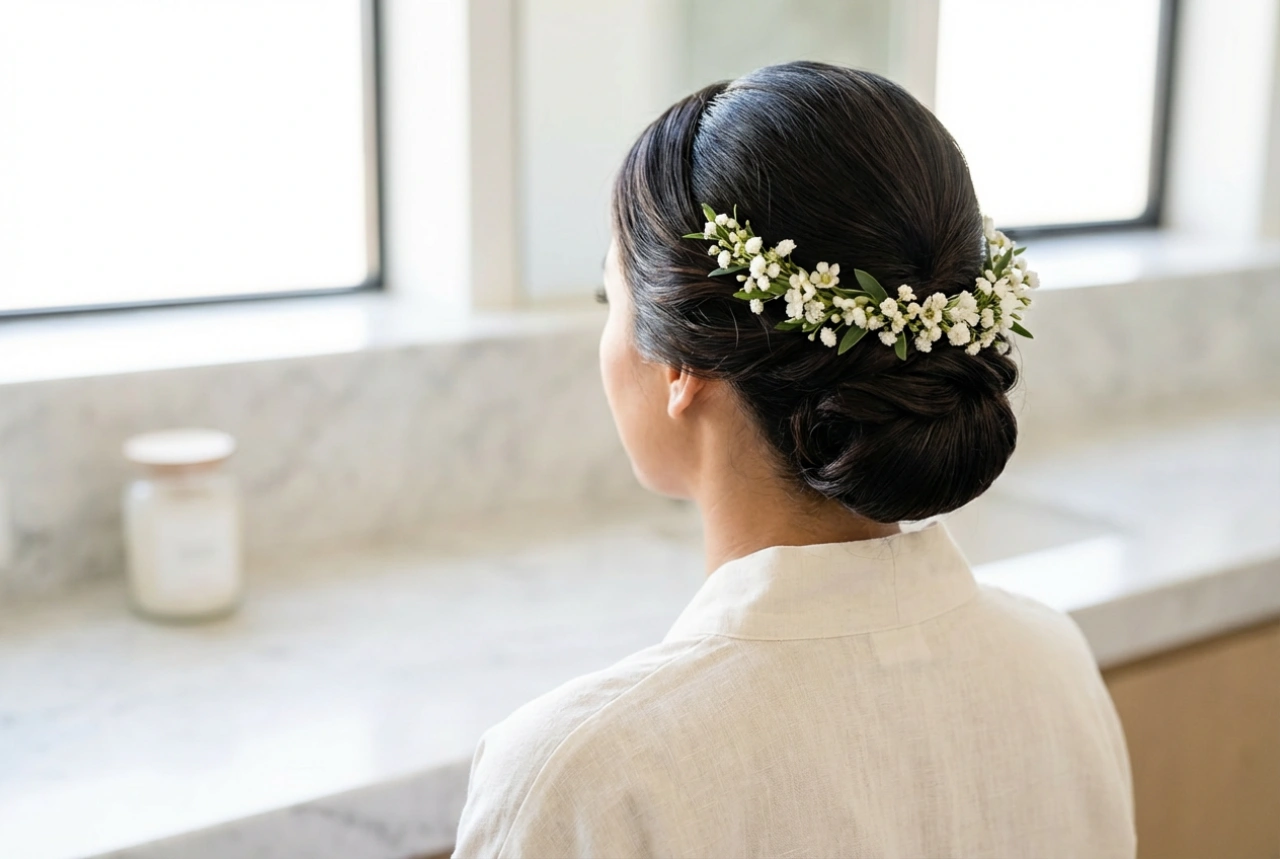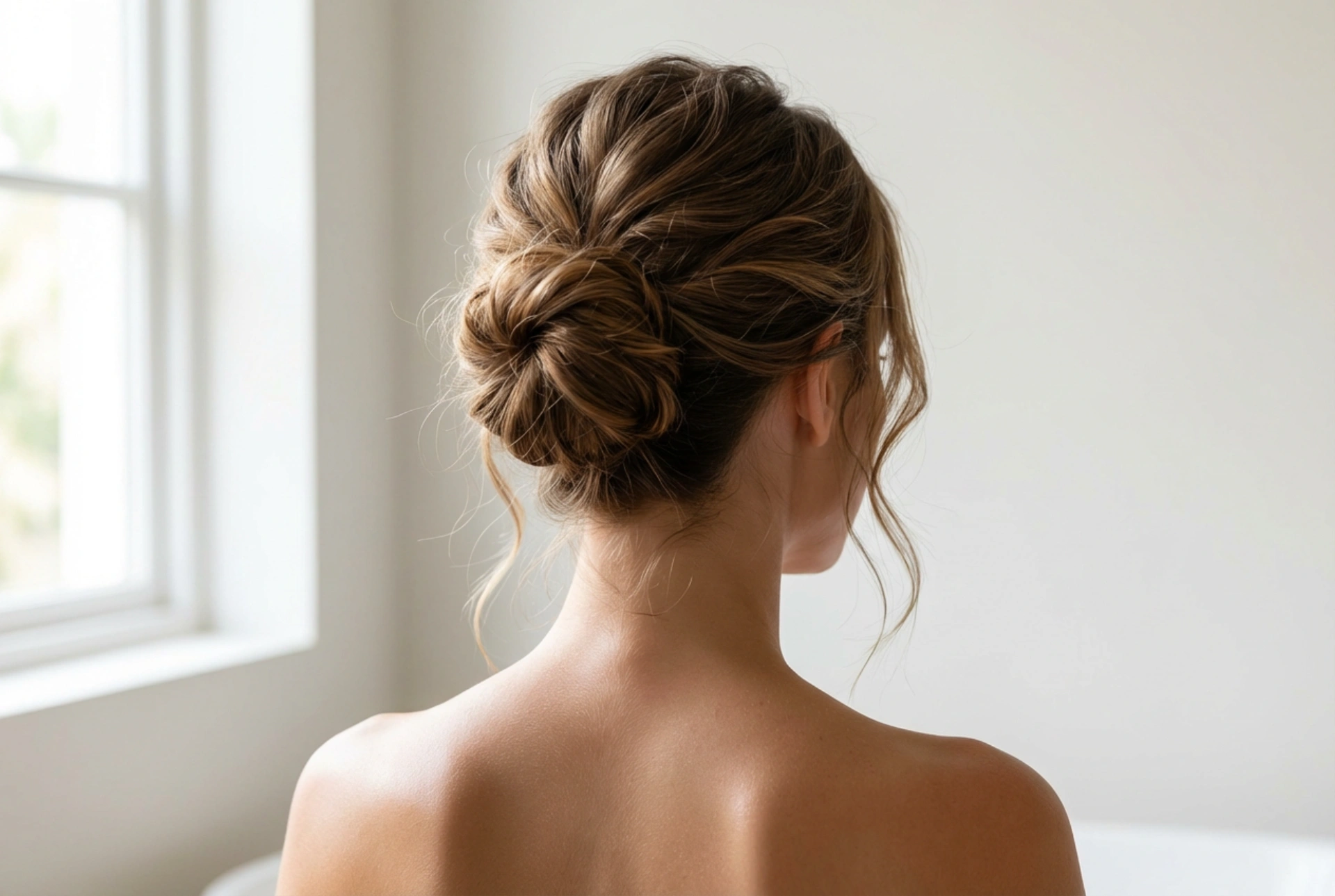


The timeless charm of a soft, voluminous, and effortlessly chic loose updo lies in its ability to balance casual ease with refined elegance. A beautifully styled updo, with delicate strands subtly framing the neck and face, highlights the natural texture of the hair and creates a modern, understated look. While these hairstyles appear delightfully undone, achieving the perfect balance of volume, hold, and natural movement requires a few key techniques. Whether you are preparing for a special gathering or simply want an elegant everyday option, mastering the art of the loose updo allows you to create stunning, airy hairstyles at home.
Preparing Your Hair: The Foundation of Volume
To achieve a loose updo that looks full and stays in place all day, preparation is key. Fine, silky, or freshly washed hair can often be too slippery to hold a style, leading to pins sliding out and the volume collapsing. Therefore, building texture and grip into the hair before you begin styling is the first essential step.
- Wash with care: Opt for a volumising shampoo and apply a lightweight conditioner only to the mid-lengths and ends. Heavy moisturising products can weigh the hair down, making it harder to lift at the roots.
- Blow-dry for lift: Apply a small amount of lightweight styling mousse to damp roots. Blow-dry your hair upside down or use a round brush, directing the airflow upwards from the scalp to build natural height.
- Add texture: Once your hair is dry, apply a texturising spray or dry shampoo from the roots to the ends. This adds a subtle grittiness, which helps hairpins grip securely and prevents the sections from falling flat.
Step-by-Step: Creating the Perfect Loose Bun
A classic loose bun is one of the most versatile updos you can create. It offers a beautiful, airy silhouette that looks sophisticated yet relaxed. Follow these steps to build a natural-looking, voluminous bun that stays secure without feeling stiff.
Step 1: Partitioning and Sectioning
Begin by dividing your hair into manageable sections. Gently separate a few delicate strands around your ears and along the nape of your neck to frame your face later. Next, section off the top crown area of your hair, leaving the back section free to form the base of your updo.
Step 2: Securing the Base
Gather the back section of your hair into a loose ponytail at the desired height—either low near the nape or mid-height on the back of your head. Secure it with a soft hair tie. To create immediate volume, gently pull at the hair on the crown, lifting small sections slightly out of the hair tie to create a rounded, airy shape.
Step 3: Creating the Twists
Take the ponytail and divide it into two loose sections. Gently twist these sections around each other, or lightly braid them. Wrap this twisted section loosely around the base of the hair tie to form a soft, cloud-like bun. Do not pull too tightly; the goal is to maintain a sense of lightness and soft texture.
Step 4: Pinning with Precision
Secure the bun using U-shaped hairpins rather than tight bobby pins. Slide the pins into the bun and then push them back toward the scalp, catching both the bun and the base hair. This creates a secure, comfortable hold that remains invisible and allows the hair to retain its natural bounce.
Securing Your Style: Longevity Without Stiffness
One of the biggest challenges when wearing a loose updo is ensuring it lasts throughout the day or evening without turning into a rigid, over-sprayed helmet of hair. The secret to natural-looking longevity lies in the products you use and how you apply them.
Instead of heavy-hold aerosol hairsprays, opt for a flexible-hold finishing spray. When applying, hold the can at least thirty centimetres away from your head and mist the hair lightly. This distributes the product evenly, preventing wet patches that can flatten the volume. To secure individual loose strands, spray a small amount of product onto your fingertips or a clean cosmetic brush and gently smooth down any flyaways while keeping the overall shape soft and airy.
Refining the Details: Framing and Softening
The transition from a structured hairstyle to an effortlessly chic updo often depends on the final details. Once the main body of your hair is secured, look at the overall balance in the mirror. To soften the look, gently pull a few fine pieces of hair around the hairline, temples, and just behind the ears. If these pieces look too straight or heavy, you can use a wide-barrel curling wand to add a very gentle, barely-there wave, curving away from the face. This simple step mimics the natural way hair falls when left down, instantly softening your profile and adding an understated touch of elegance.
Tailoring the Updo to Your Hair Type
Every hair type behaves differently, and adapting your styling routine to your natural texture will yield the best results.
For fine hair, the focus should always be on building structure. Light teasing at the crown before you begin styling can provide a sturdy cushion for pins to rest in. Avoid heavy creams and oils, which can make the hair look limp.
For thick or coarse hair, managing weight is the primary goal. You may need to use stronger, spiral-shaped pins or use two hair ties to distribute the weight of the ponytail before twisting it into a bun. Embracing your natural texture, whether wavy or curly, will add beautiful dimension and make the loose style look even more effortless.